
![[HERO] Looking For Restaurant & Takeaway Business Insurance? Here Are 10 Things You Should Know](https://moyakinsurance.co.uk/wp-content/uploads/joomla-import/t5RevOa171T.webp)
Running a food business is a balancing act. Whether you are managing a high-end bistro in London, a family-run café in Kent, or a busy fish and chip shop in Essex, your day-to-day is filled with variables. You have staff to manage, food safety standards to maintain, and a customer base that expects consistency.
However, many business owners I speak with often treat insurance as an afterthought: a “box-ticking” exercise done once a year. In reality, the right restaurant business insurance or takeaway insurance is the only thing standing between a manageable mishap and a business-ending disaster. From my experience working within the industry, I have seen how a single misunderstood clause can lead to a rejected claim.
If you are currently reviewing your coverage or starting a new venture, here are 10 essential things you need to know about protecting your hospitality business.
1. Employers’ Liability Is Non-Negotiable
If you employ anyone, even on a part-time or casual basis, Employers’ Liability insurance is a legal requirement in the UK. This isn’t just a recommendation; you can face significant daily fines from the Health and Safety Executive (HSE) if you don’t have it.
In a kitchen environment, the risks are high. Burns, slips, and repetitive strain injuries are common. I often see owners assume that “trial shifts” or “cash-in-hand” cleaners don’t count, but the law sees it differently. If they are under your supervision, you need cover. Most policies offer a standard £10 million in cover, which might seem like a lot, but legal costs and long-term care settlements for serious injuries add up incredibly quickly.
2. Public Liability: Beyond the “Slippery Floor”
Most people associate Public Liability with a customer slipping on a wet floor. While that is a major part of it, for a restaurant or takeaway, it extends further. It covers you if a customer is injured or their property is damaged due to your business activities.
For example, if a waiter spills hot coffee on a customer’s expensive laptop, or a heavy sign falls and hits a passerby, Public Liability is what keeps you from paying out of pocket. In the current climate, I recommend looking at a minimum of £2 million or £5 million in cover, especially if you have high footfall or are located in a busy urban area.
3. The Specific Risks of Takeaway Delivery
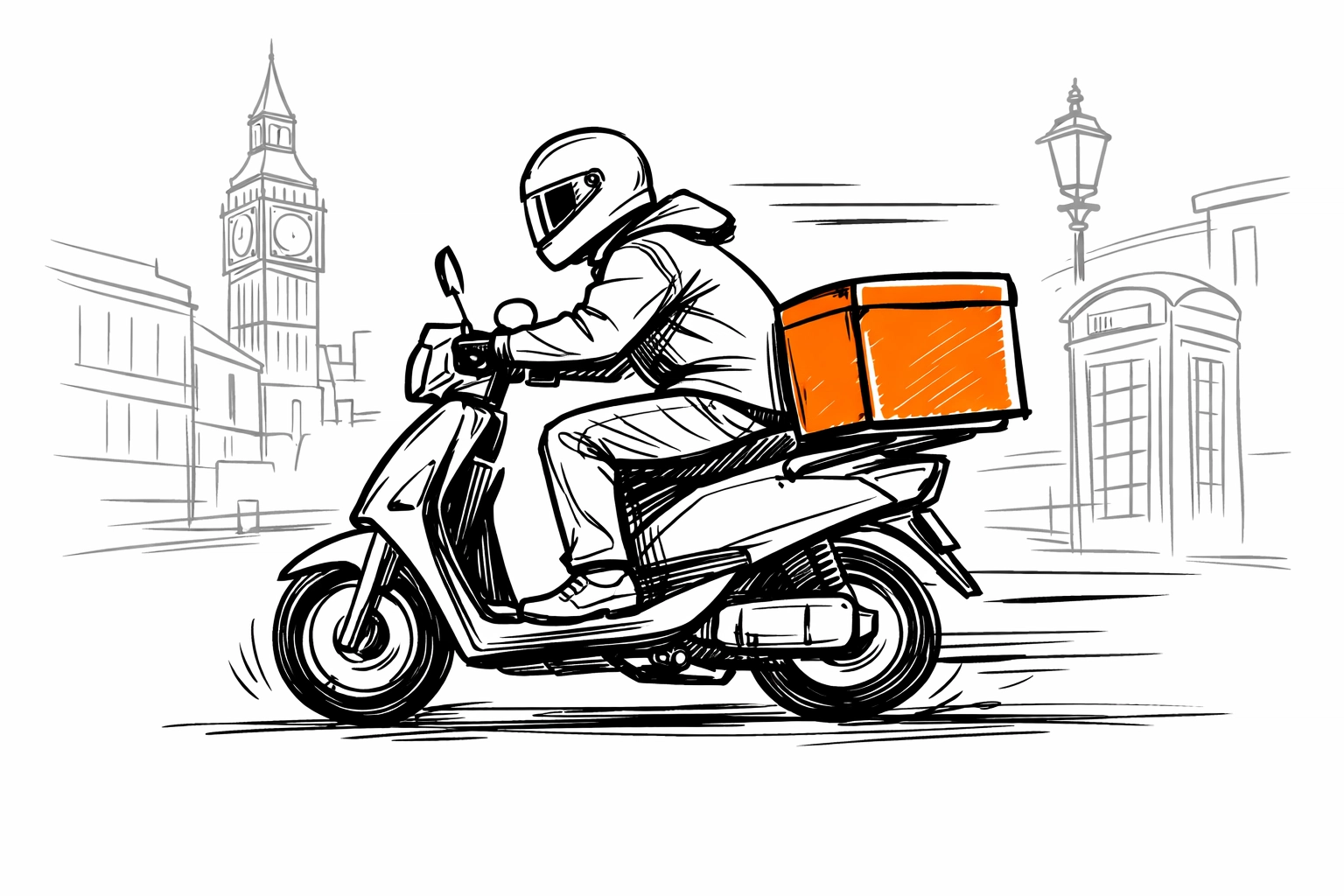
The rise of delivery apps has changed the landscape for takeaway insurance. If you employ your own drivers, you must ensure they have “Hire and Reward” insurance. A standard social, domestic, and pleasure motor policy will not cover them while they are delivering food.
I’ve seen instances where an owner assumes the driver’s personal insurance is sufficient, only for a claim to be denied after an accident. If you use third-party platforms like Deliveroo or UberEats, you are often covered by their collective policies, but it is vital to check where their responsibility ends and yours begins.
4. Product Liability and Food Poisoning Claims
In the food industry, your “product” is what you serve. Product Liability insurance is typically bundled with Public Liability, but for restaurants and takeaways, it is the most critical component. It protects you if a customer becomes ill due to food poisoning or an undisclosed allergen.
Even with the most rigorous HACCP (Hazard Analysis and Critical Control Point) plans, mistakes can happen. A supplier might provide contaminated ingredients, or a cross-contamination error might occur during a busy shift. Without specific cover, a single outbreak could lead to multiple legal claims that most small businesses simply cannot survive.
5. Stock Cover and the “Spoilage” Clause
Your stock is your capital. In a restaurant, that stock is perishable. Standard property insurance covers your stock against fire or theft, but you need to look specifically for “Deterioration of Stock” or “Spoilage” cover.
Imagine a power cut in the middle of the night or a freezer motor failing over a bank holiday weekend. If you lose £5,000 worth of high-quality meat or fresh seafood, that is a direct hit to your bottom line. I always advise clients to check that their policy covers mechanical breakdown of refrigeration units, not just power outages caused by external factors. You can learn more about how these elements fit into a broader plan on our Restaurant & Cafe Insurance page.
6. Business Interruption: Your Safety Net
If your restaurant suffers a fire or a major flood, your property insurance will pay to fix the building and replace the ovens. But who pays the rent while you are closed for three months of repairs? How do you keep your key staff from finding other jobs?
Business Interruption insurance covers the income you would have made during the period you are unable to trade. It is often the difference between a business reopening after a disaster and one that stays shuttered forever. When setting this up, make sure your “indemnity period” (the length of time the policy pays out) is long enough. Twelve months is standard, but in my view, 24 months is often safer given current delays in construction and equipment lead times.
7. The Complexity of Late-Night Licenses
If your establishment operates late into the night or holds a liquor license, your risk profile changes significantly in the eyes of an underwriter. Increased alcohol consumption often leads to a higher frequency of Public Liability claims involving altercations or accidents.
If you have bouncers or door staff, you need to ensure they are either covered under your policy or that their third-party agency has robust insurance that names you. Failure to disclose late-opening hours to your broker can result in a voided policy. As an insurance broker in Essex, we frequently help venues navigate the specific requirements of local councils and licensing boards to ensure their cover remains valid 24/7.
8. Contents, Fixtures, and High-End Kitchen Equipment
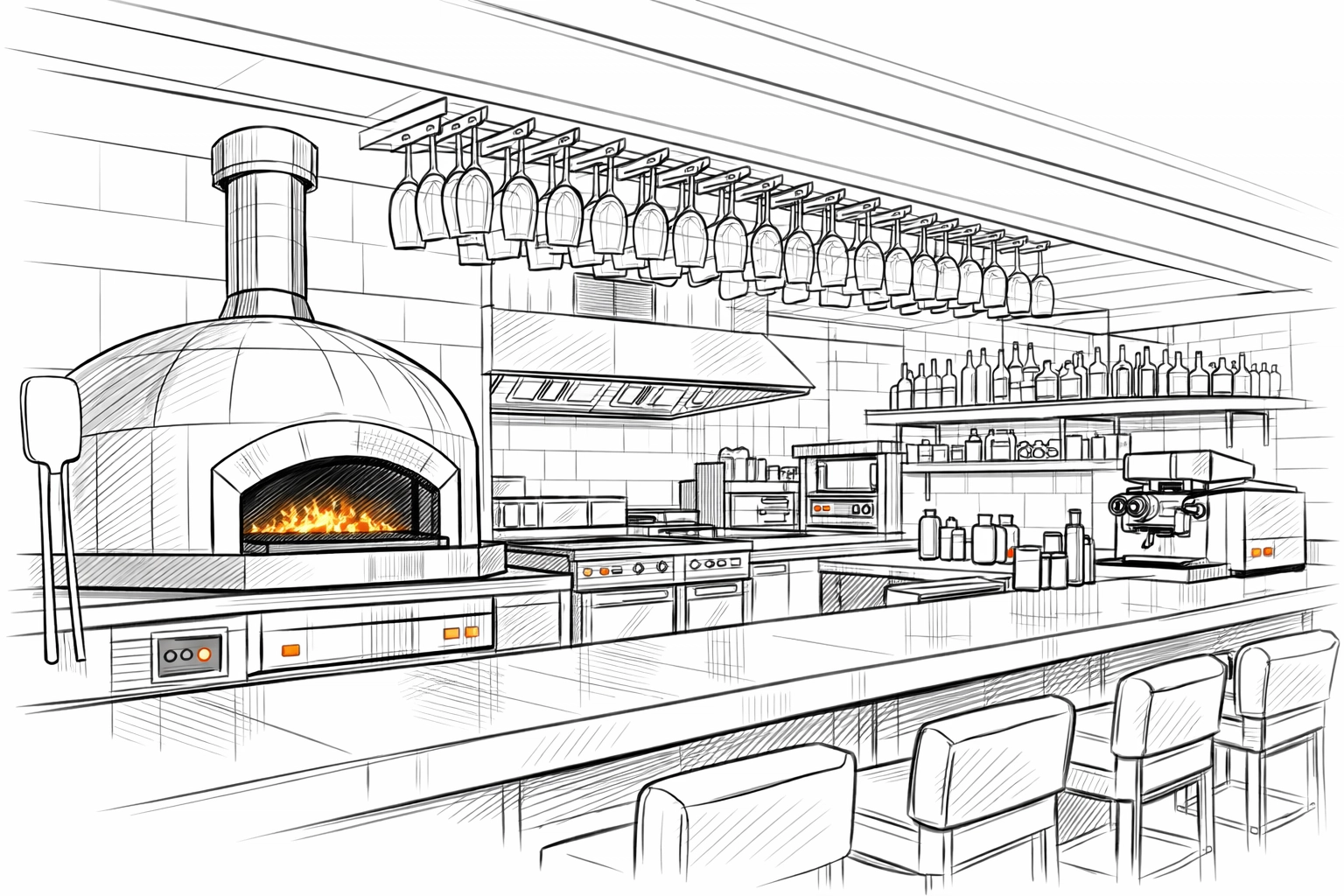
The cost of outfitting a professional kitchen has skyrocketed. From specialized pizza ovens to industrial-grade extraction systems, the value of your contents is likely higher than you think.
I often find that business owners undervalue their “fixtures and fittings.” If you have spent £100,000 on a bespoke interior fit-out, your insurance needs to reflect that “new-for-old” replacement cost. If you are a tenant, you should also clarify whether you are responsible for the glass storefront or if that falls under the landlord’s building insurance. For many, a Combined Commercial Insurance policy is the most efficient way to wrap all these assets into one manageable plan.
9. Cyber Risks in a Digital World
It might seem strange for a takeaway to need cyber insurance, but think about how you operate. Do you take online bookings? Do you store customer data for a loyalty program? Do you use a cloud-based POS (Point of Sale) system?
A cyber-attack that shuts down your ordering system on a Friday night is just as damaging as a broken oven. Furthermore, if customer data is breached, you face significant fines under GDPR. Cyber cover is becoming an increasingly essential part of modern takeaway insurance packages.
10. Why a Local Broker Matters
You can go to a comparison site and find a cheap policy in minutes. However, those “off-the-shelf” policies often have hidden exclusions that only surface when you try to claim.
Working with a specialist insurance broker in Essex like Moyak Insurance Services gives you access to professional advice tailored to the local landscape. We understand the specific risks facing businesses in the South East, from London’s busy boroughs to the coastal towns of Kent. We don’t just sell you a policy; we help you understand the 7 mistakes you might be making with your current coverage.
Moving Forward
The hospitality industry is resilient, but it is also vulnerable to unforeseen events. Taking the time to properly structure your restaurant business insurance isn’t just about protection: it’s about peace of mind. It allows you to focus on the food and the service, knowing that the “what ifs” are handled.
If you are unsure whether your current policy covers things like delivery drivers, seasonal stock increases, or business interruption, I strongly suggest a professional review. At Moyak Insurance Services, we pride ourselves on providing clear, straightforward advice to help your business thrive.
Ready to protect your business?
Whether you’re running a small takeaway or a large restaurant group, we are here to help. Explore our specialized Takeaway & Fast Food Insurance options or get in touch with our team today to discuss a bespoke plan for your venue. We serve clients across Essex, Kent, and London, ensuring your passion for food is backed by professional protection.