
![[HERO] Combined Commercial Insurance: 10 Things Essex Business Owners Wish They'd Known Sooner](https://moyakinsurance.co.uk/wp-content/uploads/joomla-import/tayJOLjNked.webp)
Last updated: March 3, 2026
It’s March now, the business year is properly in full swing, and the “we’ll sort it after New Year” list has either been tackled or it’s quietly turned into a permanent feature. In that mix, I still speak with dozens of business owners across Essex and Kent every month, and there’s a pattern I can’t ignore: the same questions come up again and again, and the same regrets show up when claims happen or renewal time arrives. “I wish I’d known that earlier” is something I hear far too often.
The truth is, combined commercial insurance isn’t as straightforward as many business owners assume when they’re just trying to get things moving. There are small details that can save you thousands of pounds, and a few common blind spots that can leave you exposed at exactly the wrong time.
Here are ten things that successful Essex and Kent business owners wish they’d understood from day one, and where our Individual Approach makes a real difference because it’s built around how your business actually operates, not a generic template.
1. Bundling Actually Saves You Serious Money (And Time)
Most business owners start by shopping around for individual policies: public liability here, employers’ liability there, maybe buildings insurance somewhere else. It feels like you’re being thorough and getting the best deal on each component.
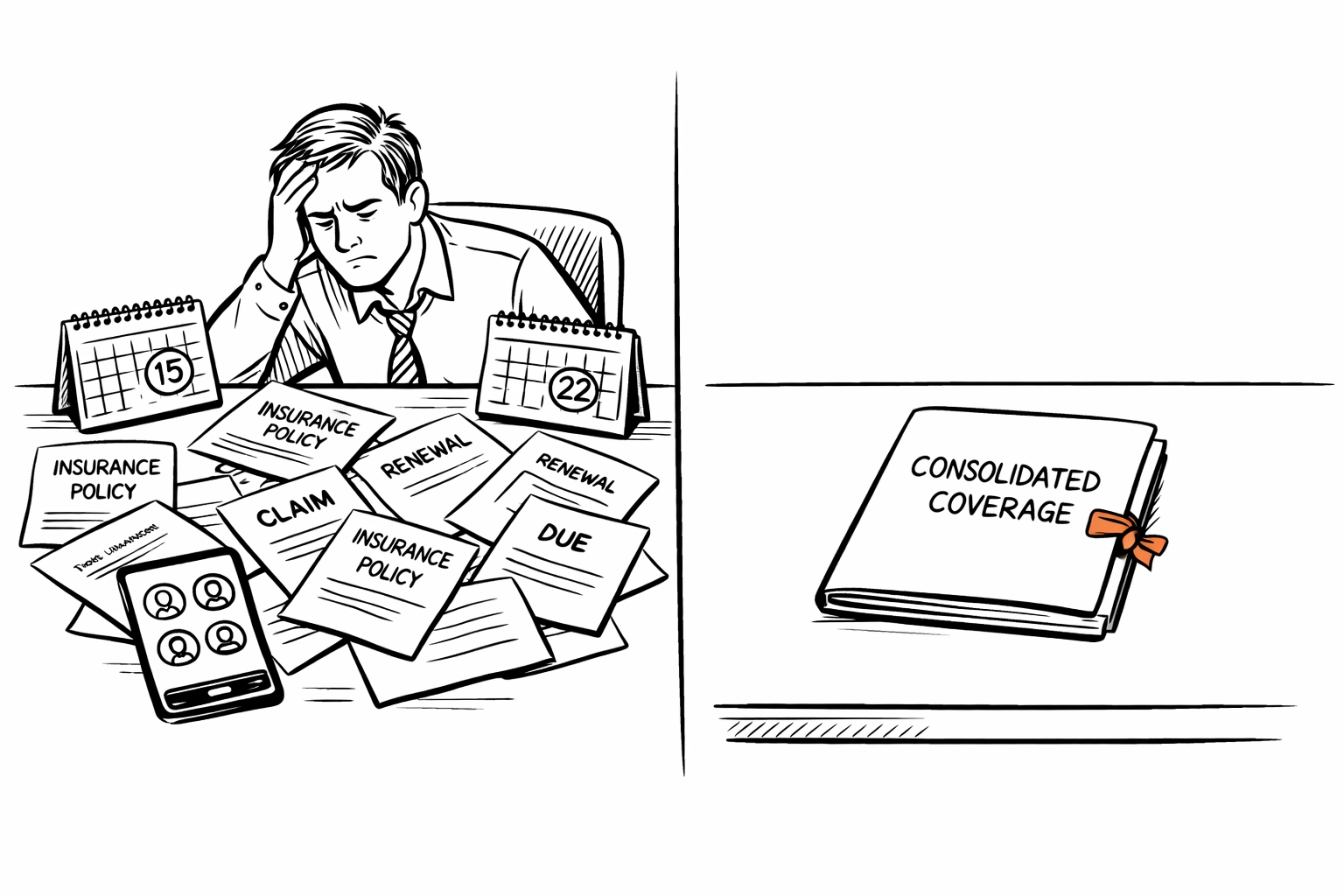
In reality, you’re probably overpaying significantly. When insurers bundle policies together into a combined package, they can offer rates that are 20-30% lower than purchasing everything separately. I’ve seen Essex businesses reduce their annual insurance costs by £1,500 or more simply by consolidating existing covers into one combined policy.
But the real benefit isn’t just financial. Managing one renewal date, one set of paperwork, and having one point of contact when you need to make changes saves hours of administrative hassle throughout the year. For a busy business owner, that time matters.
2. Coverage Gaps Are Your Silent Enemy
Here’s a scenario I’ve encountered more times than I’d like to admit: a business has public liability insurance but discovers during a claim that damage to third-party property wasn’t covered in the way they expected. Or they have property insurance but didn’t realize their business interruption cover was inadequate.
When you piece together insurance from multiple providers, gaps emerge in the spaces between policies. Each insurer assumes certain risks are covered elsewhere, and you’re left holding the bag when something falls through the cracks.
A well-structured combined commercial insurance policy addresses the most common business risks comprehensively. Everything is designed to work together, reducing the likelihood of discovering an expensive coverage gap at the worst possible moment.
3. Your Premises Location Matters More Than You Think
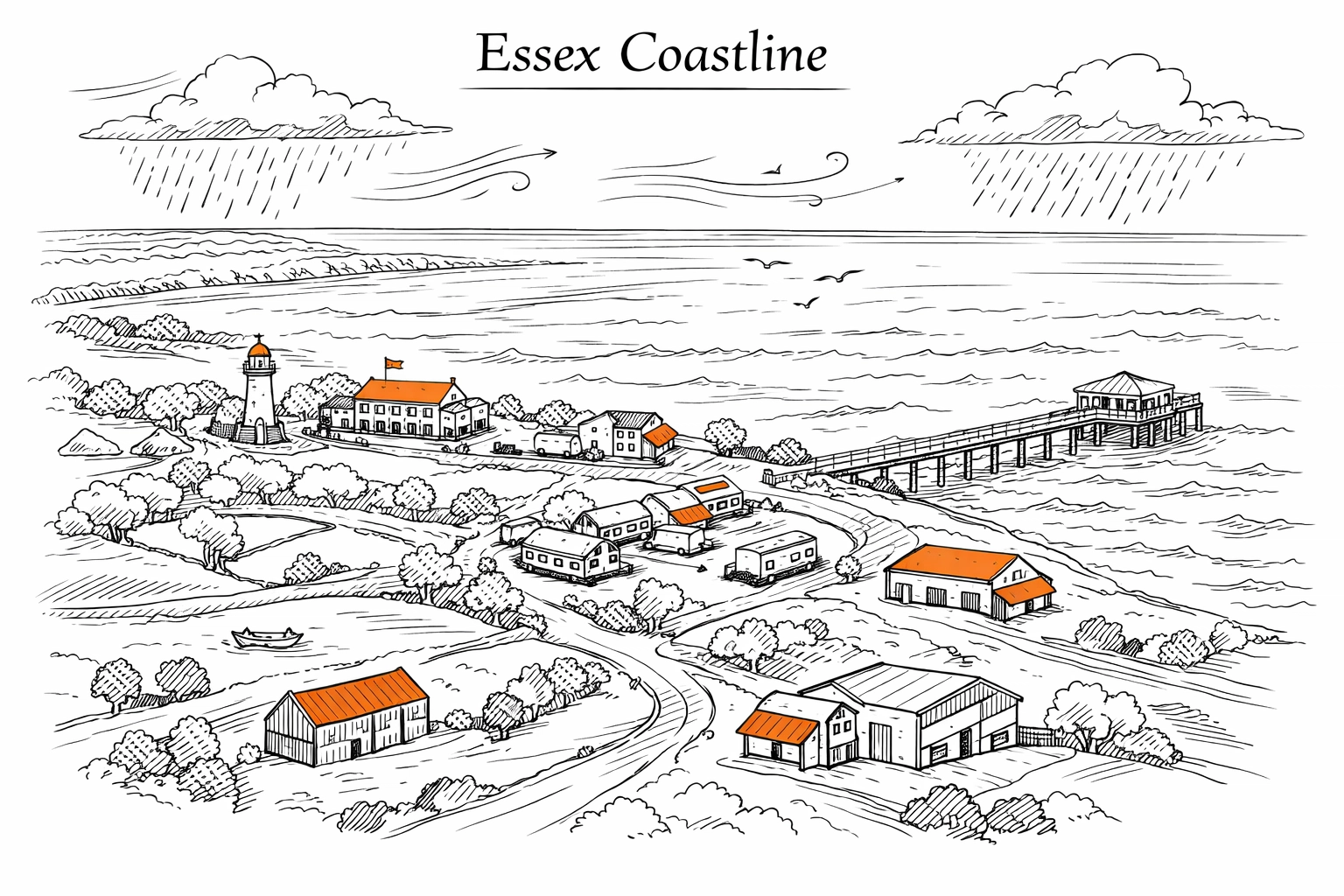
Operating in Essex or Kent comes with specific considerations that many national insurance providers don’t fully account for. Coastal businesses in areas like Southend or Whitstable face different flood and weather-related risks than those inland.
Working with a local insurance broker in Essex means your policy reflects these regional realities, but also your reality as a business owner. This is where our Individual Approach matters: we take the time to understand what you do day-to-day, where the pressure points really are, and what would genuinely hurt if it went wrong. We also understand which postcodes have higher theft rates, which areas experience more frequent weather claims, and how local building construction affects replacement costs. These details directly impact both your premiums and your coverage adequacy.
4. £5 Million Public Liability Isn’t Always Necessary (But Sometimes It Is)
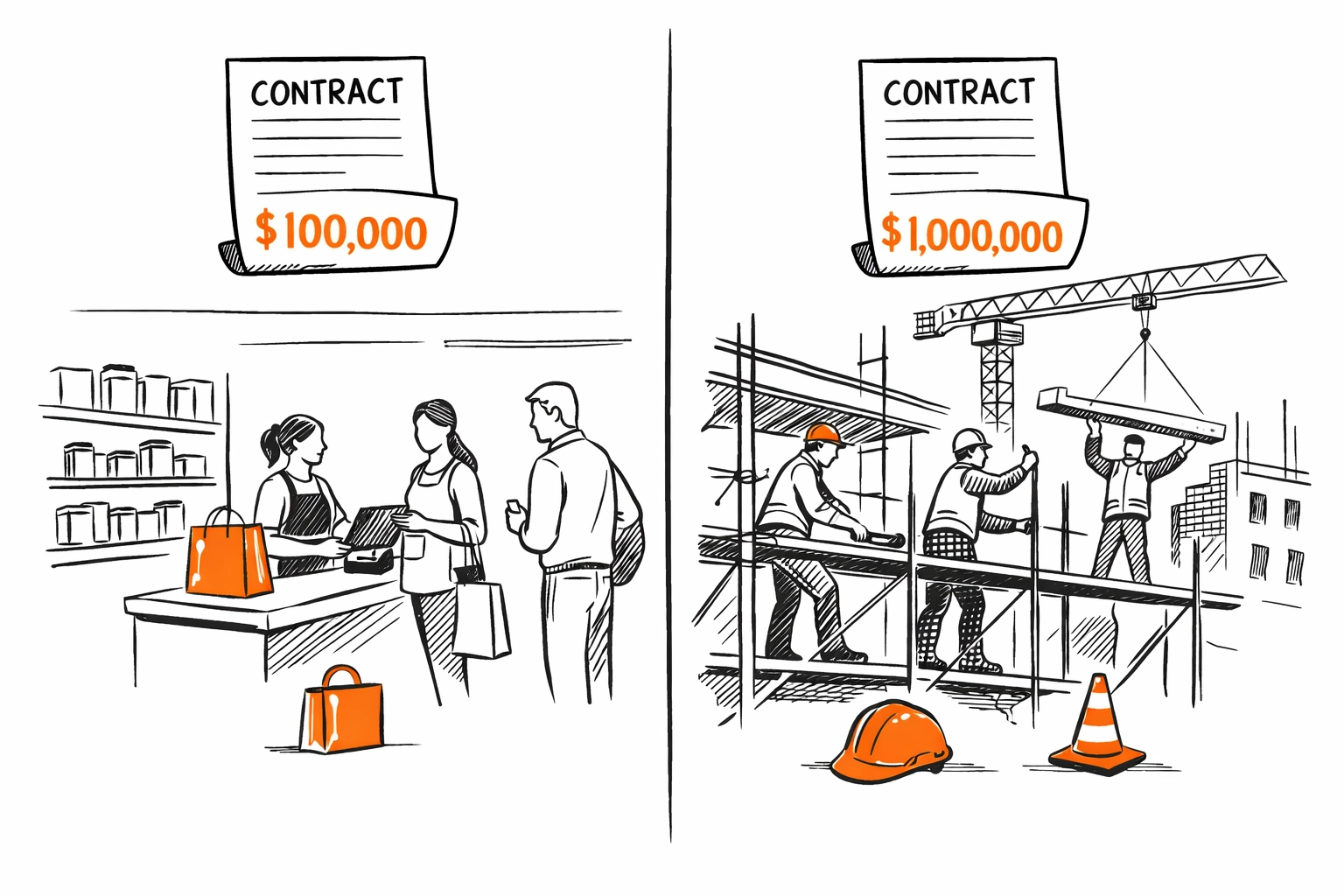
There’s a common assumption that more coverage is always better, and while that’s partly true, it’s not the full picture. Most Essex businesses genuinely need £1-2 million in public liability cover. That’s sufficient for retail shops, small offices, and many service businesses.
But if you work with public sector clients, large corporations, or operate in higher-risk sectors like construction, you’ll often find contracts requiring £5 or even £10 million in cover. I’ve seen businesses lose valuable contracts simply because they didn’t have adequate public liability limits in place.
The key is understanding your specific circumstances rather than defaulting to arbitrary figures. With our Individual Approach, we’ll help you land on what’s actually appropriate for your business activities, your contracts, and your client requirements, so you’re not paying for limits you don’t need, but you’re also not getting caught short when it counts.
5. Business Interruption Cover Needs Proper Calculation
Business interruption insurance often gets treated as an afterthought: businesses add it to their policy without really thinking through the figures. Then when a genuine interruption occurs, they discover their cover falls dramatically short.
Your business interruption limit should account for all your fixed costs (rent, salaries, loan repayments) plus a reasonable profit margin for the period you’d be unable to trade. Many businesses opt for 12 months of cover, though some high-risk operations need longer.
The calculation requires honest assessment. If your shop in Chelmsford had to close for six months due to fire damage, what would it actually cost to keep your business alive while you rebuild? That’s your starting point, not some arbitrary percentage of your turnover.
6. Your Policy Should Evolve With Your Business
I’ve worked with businesses that are still using the same insurance policy they took out five years ago, despite the fact that their turnover has doubled, they’ve moved premises, hired ten more staff, and completely changed their product offerings.
Business circumstances change constantly, and your combined commercial insurance needs to keep pace. Annual reviews aren’t just box-ticking exercises: they’re opportunities to ensure your cover remains appropriate as your business grows and evolves, and it’s exactly the sort of thing our Individual Approach is designed for, keeping your policy aligned with what’s actually happening in your business.
Too often, business owners only reassess their insurance when something prompts them (a near-miss, a friend’s claim horror story, or a dramatic premium increase). Being proactive about reviewing your coverage means you’re always properly protected rather than discovering problems retrospectively.
7. Underinsuring Property Is a Costly Mistake
When business owners try to reduce premiums, property insurance often becomes a target. They’ll insure their building for £300,000 when the true rebuild cost would be £450,000, thinking they’ve saved themselves some money on the annual premium.
The problem emerges during claims. Most commercial property policies include an “average clause,” which means if you’re underinsured by a certain percentage, your claim payout is reduced by that same percentage. Underinsure by 30%, and even a £50,000 claim gets reduced to £35,000. You haven’t saved money: you’ve just shifted when you’ll pay it.
Your property insurance limit needs to reflect the full replacement value of your buildings and contents, not their depreciated value or what you paid for them years ago. Building costs in Essex have increased substantially in recent years, so historical figures often fall short of current replacement requirements.
8. Optional Extras Often Become Essential
When you’re reviewing a combined policy quote, there’s always a section listing optional add-ons: cyber insurance, professional indemnity, legal expenses cover, goods in transit. It’s tempting to decline everything that feels like an “extra” to keep the premium down.
But I think many business owners underestimate how quickly these “optional” covers become essential. A single legal dispute over a contract could cost you £15,000 in legal fees. A cyber incident could shut down your operations for a week. Professional indemnity claims regularly exceed £50,000.
The cost of adding these elements to a combined policy is usually quite modest: often just a few hundred pounds annually. The financial exposure you’re accepting by declining them is considerably higher. It’s worth having a proper conversation about which optional covers actually make sense for your specific business activities.
9. Claims History Affects Your Future More Than You Realize
Every insurance claim you make gets recorded and follows your business forward. Multiple claims in a short period can make it difficult to find affordable coverage later, regardless of whether those claims were your fault or not.
This doesn’t mean you shouldn’t claim when something happens: that’s what insurance exists for. But it does mean you should think carefully about smaller claims that might sit below your excess or only slightly above it. Sometimes absorbing a minor loss directly is the more financially sensible long-term decision.
Working with an experienced insurance broker in Essex means you can have these conversations before making claim decisions. With our Individual Approach, we can look at your situation properly, explain the potential knock-on effects in plain English, and help you make the call on when claiming makes sense and when it might not.
10. Not All Insurance Brokers Offer the Same Value
Here’s something I’ve observed over years in this industry: many business owners assume all insurance brokers are essentially the same. They’ll shop around based purely on premium cost, missing the substantial difference in service quality and expertise.
A broker who genuinely understands your industry and region can save you significant money while improving your coverage. We know which insurers specialize in particular sectors, which are currently offering competitive rates for Essex businesses, and how to structure policies to maximize protection while controlling costs.
More importantly, when claims happen: and eventually they do: having a broker who knows your business and will advocate on your behalf makes an enormous difference to outcomes. The cheapest premium often comes from brokers who provide minimal ongoing service, leaving you to navigate claims processes alone.
Moving Forward With Combined Commercial Insurance
The business owners I work with who feel most confident about their insurance situation share a common characteristic: they’ve taken time to properly understand their coverage rather than treating it as a compliance exercise or necessary evil.
Combined commercial insurance represents a significant business expense, but it’s also fundamental protection for everything you’ve built. Getting it right from the start: or fixing it now if you’ve realized some of these points apply to your current situation: makes commercial sense.
If you’re operating in Essex or Kent and recognize yourself in any of these ten points, it’s worth reviewing your current insurance arrangements. A proper assessment doesn’t cost anything, but discovering coverage problems during a claim certainly does.
At Moyak Insurance Services, we work specifically with business owners across Essex and Kent to build combined commercial insurance packages that actually make sense for their circumstances. We’re not interested in selling you coverage you don’t need, but we are committed to ensuring you’re properly protected where it matters.
The businesses that thrive long-term are those that address risks proactively rather than reactively. Your insurance strategy deserves the same thoughtful attention you give to your business planning, financial management, and growth strategies.