
![[HERO] Combined Commercial Insurance vs Individual Policies: Which Is Better For Your Growing Business?](https://moyakinsurance.co.uk/wp-content/uploads/joomla-import/Pi1QK2GFg-j.webp)
As a business grows, so does the complexity of its risks. I have sat across the desk from many business owners in Essex who started out with a single, simple policy but now find themselves juggling four or five different renewal dates, multiple sets of paperwork, and a nagging feeling that they are either over-insured or: worse: missing something vital.
When you reach this stage of growth, you face a critical choice: do you continue building a “tower” of individual policies, or do you move to a combined commercial insurance model? From my experience as a broker, there isn’t a one-size-fits-all answer, but there is definitely a “best fit” for your specific trajectory.
What Exactly is Combined Commercial Insurance?
Think of a combined policy as a bespoke multi-pack. Instead of buying your Public Liability from one provider, your Business Interruption from another, and your Buildings cover from a third, you wrap them all into one single contract.
It is designed to be flexible. For a growing restaurant, it might include covers for fire, theft, and restaurant-specific liabilities. For a construction firm, it might bundle contractors’ liability with plant and tool cover. The goal is to provide a seamless safety net that moves with your business.
The Efficiency of “The Single Renewal”
I can’t tell you how many times I’ve seen a business owner accidentally let a policy lapse because they simply forgot which month it was due. When you have individual policies, you have individual administrative burdens. That’s more direct debits to track and more renewal invitations to read.

With a combined policy, you have one renewal date. This doesn’t just save time; it changes how you look at your business’s risk. Once a year, we sit down and look at the whole picture. We see how the turnover has increased, how the staff numbers have changed, and we adjust the entire policy at once. It’s a holistic approach that matches the way a Director actually thinks about their company.
Cost Savings: The Bundle Benefit
Let’s be honest: price matters. In the insurance world, just like in any other industry, there are often “bulk” benefits. Insurers like a “clean” risk where they hold multiple lines of cover because it gives them a better understanding of the total exposure. Often, this leads to a lower overall premium than if you were to source each element separately.
Furthermore, you avoid “insurance sprawl”: where you pay for the same thing twice. For example, you might have a small amount of contents cover hidden in a standalone liability policy, while also paying for a dedicated contents policy. A combined approach strips out those overlaps, ensuring every pound of your premium is working as hard as it can.
Eliminating the “Silent” Gaps
This is where my professional concern usually kicks in. When you have separate policies with different insurers, you run the risk of gaps in your coverage. Each insurer has their own set of definitions and exclusions.
I’ve seen cases where a claim falls into a “grey area” between two policies. Insurer A says it’s a property claim; Insurer B says it’s a liability issue. While they argue, the business owner is left waiting. By using combined commercial insurance, you ensure that the wording is consistent. The definitions align, and because it’s usually one insurer holding the risk, there is nowhere for them to hide when a claim arises.
When Individual Policies Still Make Sense
It would be wrong of me to suggest that combined is always the winner. There are times when a standalone policy is the right tool for the job.
If your business has a very specific, high-risk niche: such as a tech firm needing heavy Cyber Insurance or a legal firm requiring Professional Indemnity: you might find that a standard combined package isn’t specialized enough. In these instances, we often recommend a hybrid approach: a core combined policy for your general risks (Liability, Property, etc.) supplemented by specialist standalone covers. This gives you the administrative ease of the combined policy without compromising on the depth of protection for your most specialized risks.
Industry Focus: How This Looks in Practice
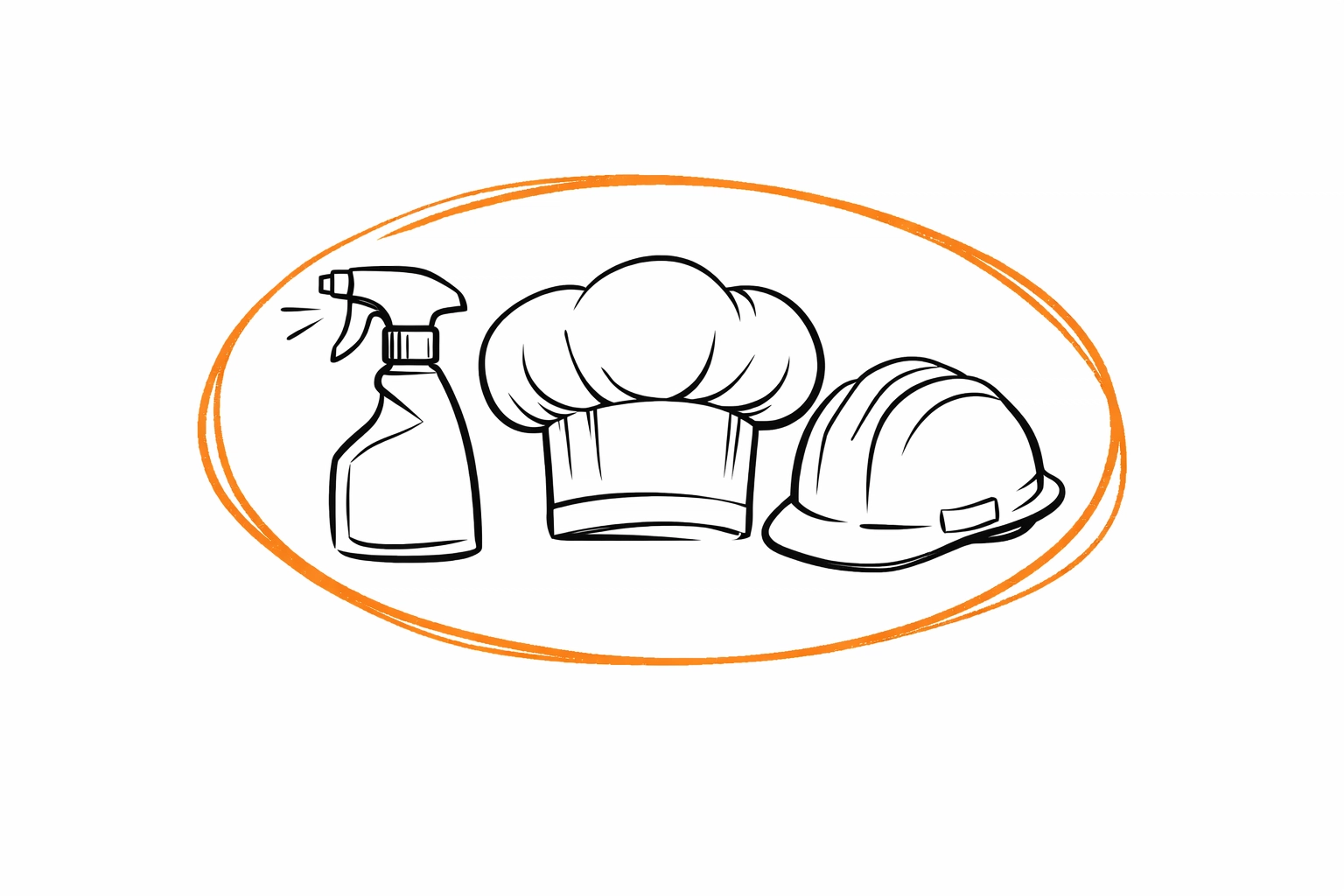
Let’s look at three common industries we work with here at Moyak Insurance Services to see how the choice plays out:
1. The Cleaning Sector
A small cleaning firm usually starts with a simple liability policy. But as they grow, they might hire staff and buy expensive industrial floor buffers. At this point, moving to a combined cleaning company insurance policy makes sense. It covers the staff (Employers’ Liability), the equipment (All Risks), and the public (Public Liability) all in one.
2. Restaurants and Cafes
A restaurant is a high-risk environment. You have fire risks, food poisoning risks, and expensive stock in the freezers. Trying to manage separate policies for your ovens, your staff, and your building is a nightmare. A restaurant combined policy ensures that if a fire breaks out, the damage to the building, the loss of stock, and the loss of income (Business Interruption) are all handled by one team.
3. Construction and Trades
For a general contractor, a liability policy is the bare minimum. But once you start taking on larger contracts, you need “Contract Works” cover: which protects the work you are actually doing while it’s in progress. Combining this with your plant and tool cover ensures that if a site is vandalized, you aren’t calling three different brokers to get back to work.
The Human Element: Why the Broker Matters
I think one of the biggest mistakes people make when scaling is trying to “DIY” their insurance through online portals. Those portals are designed for the simplest 10% of businesses. As soon as you have premises, staff, or complex contracts, you need a human being who knows the market.
As an Essex-based insurance brokerage, we see ourselves as a partner in your growth. We aren’t just here to sell a policy; we are here to audit your risks. We can look at your current “pile” of individual policies and tell you straight whether you’d be better off staying as you are or moving to a combined commercial insurance structure.

Final Thoughts: Making the Move
If you feel like you are spending more time managing your insurance than you are managing your business, it is a sign that your current setup has been outgrown. Growing a business is hard enough without the added stress of fragmented protection.
Going forward, I recommend taking a look at your renewal dates. If they are scattered throughout the year, give us a call. We can often align those dates and transition you into a more robust, cost-effective combined policy that grows alongside you.
Whether you are in the retail sector, running an estate agency, or managing a busy pub, your insurance should be the foundation you build on, not a hurdle you have to jump over every few months.
If you’re ready to simplify your cover and potentially save on your premiums, get in touch with the team here at Moyak Insurance Services. Let’s make sure your growing business is protected the right way.