
![[HERO] The One Clause in Your Contractors Insurance That Could Leave You Uncovered](https://moyakinsurance.co.uk/wp-content/uploads/joomla-import/61LE7YRsGcz.webp)
I have spent a lot of time talking to business owners across Essex, from sole traders in Chelmsford to large-scale firms in Southend, and there is a common thread that worries me. Most contractors walk around with a certificate of insurance in their van, confident that if something goes wrong, they are protected. They see “Public Liability” or “Contractors Insurance” on the document and assume the safety net is wide enough to catch them.
But the reality I see in the claims department tells a different story. In fact, many standard policies are riddled with specific clauses that act as “trap doors.” You think you’re standing on solid ground until a claim is filed, and suddenly, the insurer points to one sentence in the fine print that voids your entire coverage.
When we talk about Contractors Insurance, we aren’t just talking about a generic product. We are talking about a complex legal contract. If you don’t understand the specific limitations of that contract, you aren’t actually insured: you’re just paying for a piece of paper that gives you a false sense of security.
The “Height and Depth” Trap
If there is one clause that consistently catches construction professionals off guard, it is the Height and Depth Limit.
When you buy a standard Construction Contractor Insurance policy off a comparison website, it often comes with “standard” limits. For many insurers, “standard” means they won’t cover any work carried out at a height of more than 5 meters or 10 meters. For a roofer or a scaffolder, 10 meters might sound like plenty until you’re actually on-site at a three-story commercial building or a block of flats.
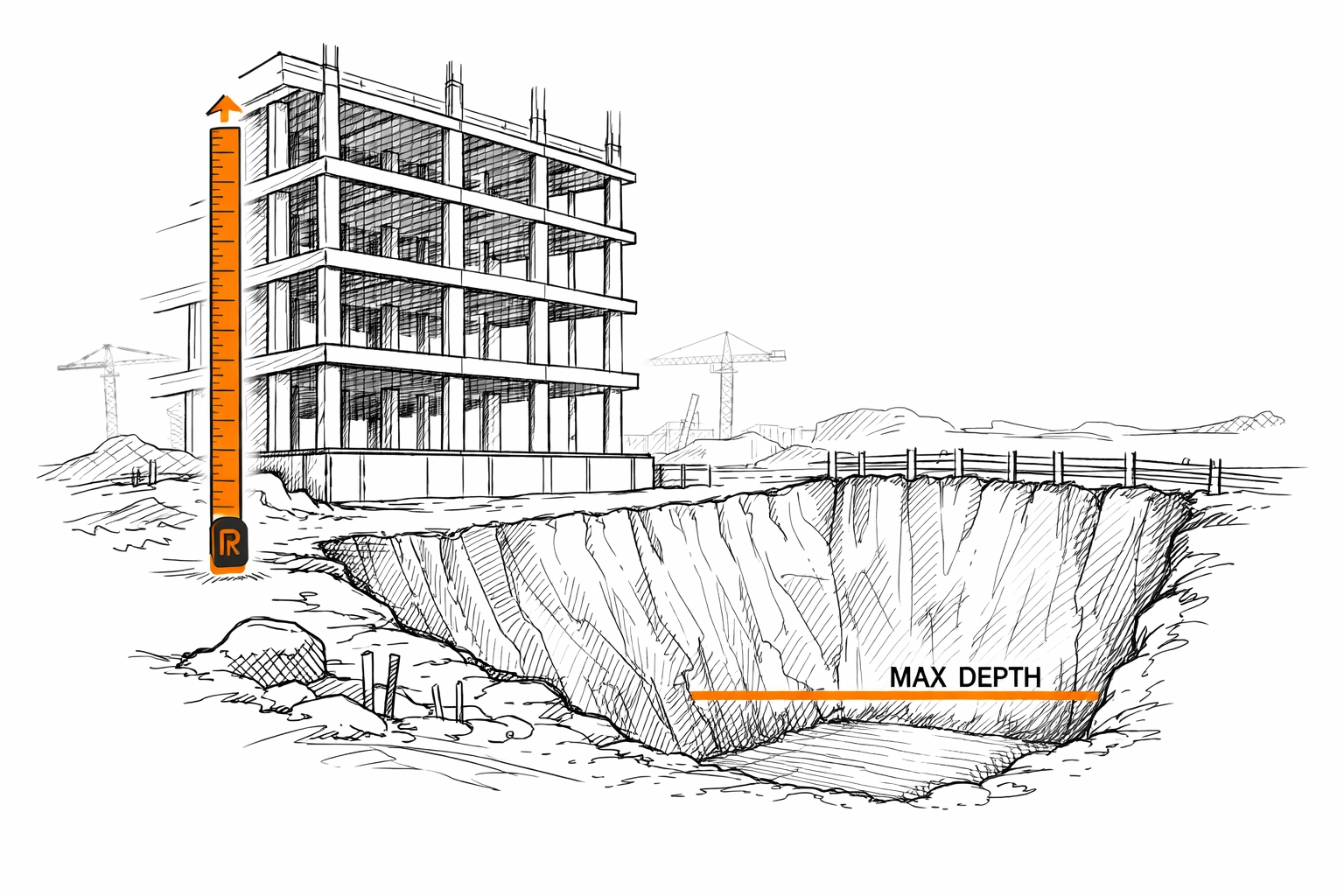
I’ve seen cases where a contractor was working at 11 meters when an accident occurred. Because their policy had a strict 10-meter limit, the insurer walked away. It didn’t matter that the contractor had paid their premiums on time for five years. They breached a core warranty of the policy, and that single meter of difference cost them hundreds of thousands of pounds in personal liability.
The same applies to depth. If your policy specifies a 2-meter depth limit for excavations and you’re digging a foundation that goes down 2.5 meters to reach stable ground, you are effectively uninsured for that entire project. At Moyak Insurance Services, we make it a priority to ask the specific questions about the projects you actually do. We don’t just tick a box; we ensure your general contractor liability insurance actually matches the physical reality of your workday.
The Invisible “Action Over” Exclusion
While height and depth are physical limits, there is a legal clause that is even more dangerous because it’s harder to spot: the “Action Over” exclusion. This often appears in subcontractor endorsements and is a major headache for larger firms.
In the construction industry, we rely heavily on subcontractors. If a subcontractor’s employee gets injured on your site, they will likely claim against their employer’s insurance. However, they (or their employer’s insurer) might also bring a claim against you as the main contractor, alleging that you failed to provide a safe site.
The “Action Over” clause essentially removes your coverage for these types of claims. If your policy has this exclusion, you are left holding the bill for injuries to people who aren’t even on your direct payroll. It’s a massive protection gap that many “budget” policies include to keep premiums low. When we review policies for our clients, this is one of the first things we look for, as it can be the difference between a business surviving a lawsuit or going under.
The Hot Works Warranty: A Fire Waiting to Happen
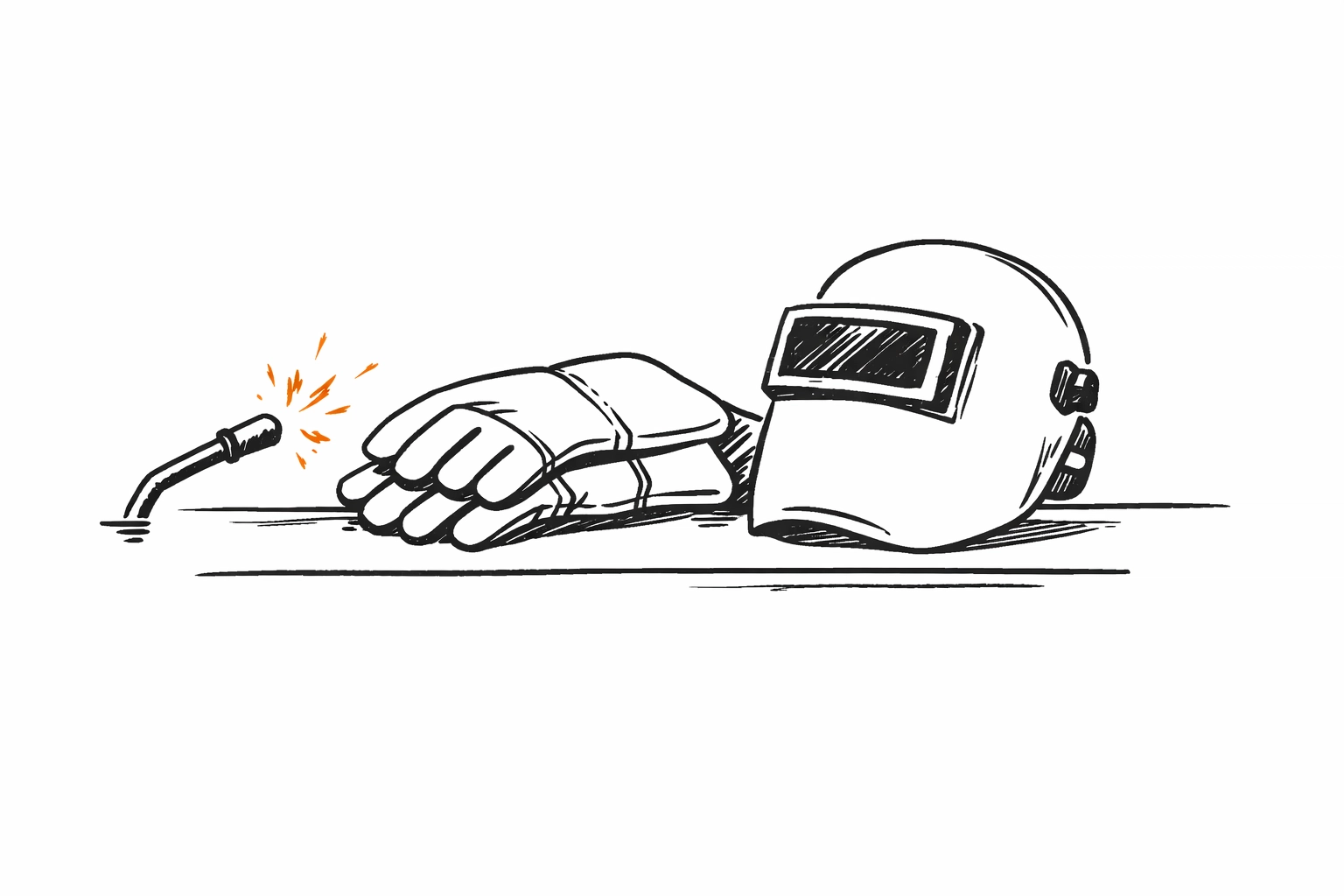
For many trades: plumbers, roofers, and steelworkers: “hot works” are a daily necessity. Whether it’s welding, grinding, or using a blowtorch, the risk of fire is significantly higher. Because of this, insurers insert a “Hot Works Warranty.”
This isn’t just a suggestion; it’s a strict set of rules you must follow to remain covered. Usually, it requires:
- A fire extinguisher to be within a certain distance of the work.
- A “fire watch” to be conducted for 30 to 60 minutes after the work is finished.
- All combustible materials to be cleared from the area.
I have spoken to contractors who forgot to do the final fire watch. They finished the job at 4:30 PM, packed up, and left. At 5:30 PM, a smoldering spark caught light. Because they didn’t follow the “Hot Works” clause to the letter, the insurer denied the claim. This is why having a broker who understands general tradesmen liability insurance is vital: you need someone to explain these warranties in plain English before the work starts.
Professional Indemnity: What You Say Can Hurt You
Another area where I see contractors being left uncovered is “Design and Build” risk. Most standard Contractors Insurance policies focus on “Public Liability”: which covers physical damage or injury. But what happens if you give professional advice or make a design error that causes a financial loss for your client, even if nothing physically breaks?
If you suggest a specific material or layout and it turns out to be unfit for purpose, causing the project to be delayed or requiring expensive rectification, your Public Liability policy will likely stay silent. You need Professional Indemnity insurance to cover those “errors and omissions.” Many contractors assume that because they aren’t “architects,” they don’t need it. Going forward, if you are providing any level of design or technical advice, you need to check if your policy has a Professional Liability exclusion. You can learn more about this on our useful information page.
Why the “Comparison Site” Approach Fails Contractors
The modern trend of buying insurance through an automated portal is fine for a car or a pet, but for a construction business, it’s a gamble. Those portals are designed for “standard” risks. They don’t ask about the specific height of the roof you’re working on today, or whether you’re working near a railway line, or if you’re using heat on a Grade II listed building.
When you use a generic site, you are often buying a “one size fits all” policy. But in construction, there is no such thing as a standard job. Every site has different risks. If you are a cleaning company moving into specialized post-construction cleaning, for example, your requirements change significantly. You might need to look at cleaning contractors insurance rather than a simple domestic policy.
The Moyak Individual Approach
At Moyak Insurance Services, we take a different view. We are an Essex-based brokerage, and we believe in the “individual approach.” When you talk to us, you aren’t talking to an algorithm. You’re talking to people who understand the local market.
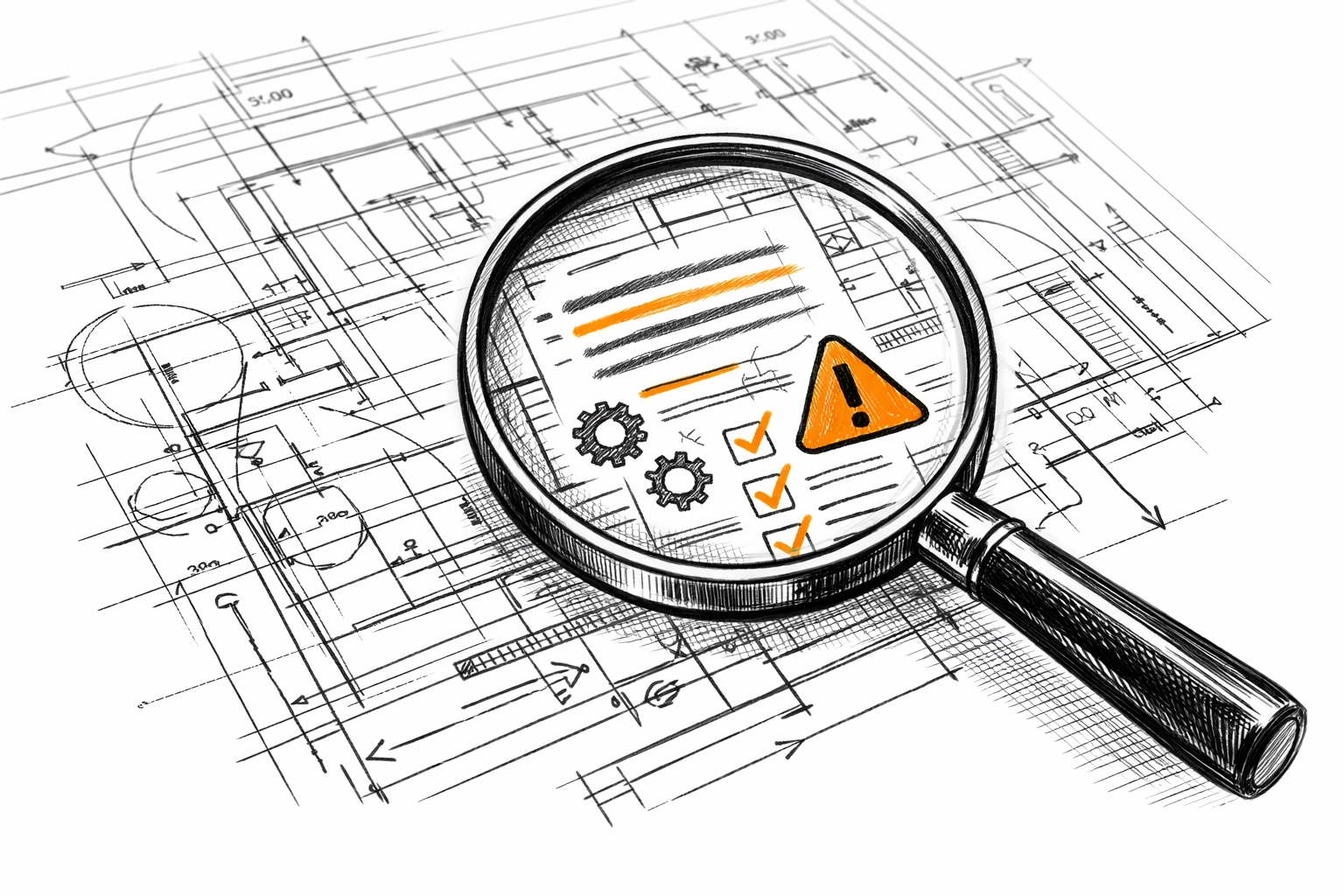
We take the time to read the endorsements and the “hidden” clauses for you. Our goal is to make sure that when you’re out on a job, you can focus on the work, knowing that the “Height and Depth” limits actually match your project and the “Hot Works” warranties are manageable for your team. We look at the big picture, often combining risks into a Commercial Combined Business Insurance policy that offers much broader protection than a standalone public liability ticket.
Practical Next Steps for Your Business
I don’t say all this to cause alarm, but to encourage pragmatic realism. Your insurance is one of your biggest overheads; you should make sure it actually works.
Here is what I recommend doing this week:
- Check your Schedule: Look for a section titled “Endorsements” or “Warranties.” Look specifically for height and depth limits.
- Verify your Subcontractors: If you use “Bona-Fide” subcontractors, check if your policy requires you to verify their insurance every year. If you don’t, your own insurance might be void.
- Review your “Hot Works”: Does your team actually know what the policy requires them to do after using a torch?
- Speak to a Broker: If you aren’t 100% sure about a clause, ask.
If you’re unsure whether your current Construction Contractor Insurance is actually protecting you, we are here to help. We pride ourselves on being direct and honest: if your current policy is great, we’ll tell you. But if there’s a gap that could ruin your business, we’ll find it before the insurer does.
You can find out more about who we are and how we work by visiting our website. Don’t wait for a claim to find out what’s in your policy. Let’s make sure you’re covered today.

Insurance shouldn’t be a “cross your fingers” exercise. It should be a solid foundation for your business growth. In the construction world, we know that the smallest measurement error can lead to a collapse. The same is true for your insurance policy. One small clause can be the difference between a minor setback and a total loss. Be direct, be honest with your broker about what you do, and make sure your cover is as solid as your workmanship.