
![[HERO] Combined Commercial Insurance Explained in Under 3 Minutes](https://moyakinsurance.co.uk/wp-content/uploads/joomla-import/8YvNhcdRRx0.webp)
If you are running a business in London, Essex, or Kent, I probably don’t need to tell you that your to-do list is already too long. Between managing staff, keeping clients happy, and trying to stay ahead of the competition, the last thing you want to do is spend your weekend sorting through five different insurance folders.
I’ve seen it happen time and again: a business owner starts out with one small policy, then they hire an employee and get another, then they move into a warehouse and get a third. Before they know it, they are tracking three different renewal dates, dealing with three different insurers, and, worst of all, paying three different sets of admin fees.
This is where combined commercial insurance comes into play. It’s the “all-in-one” solution that many of my clients in the South East are switching to, and frankly, I think it’s one of the smartest moves a growing business can make.
In this guide, I’m going to break down exactly what it is and why it matters, and I’ll do it in less time than it takes for you to finish your coffee.
What Exactly Is Combined Commercial Insurance?
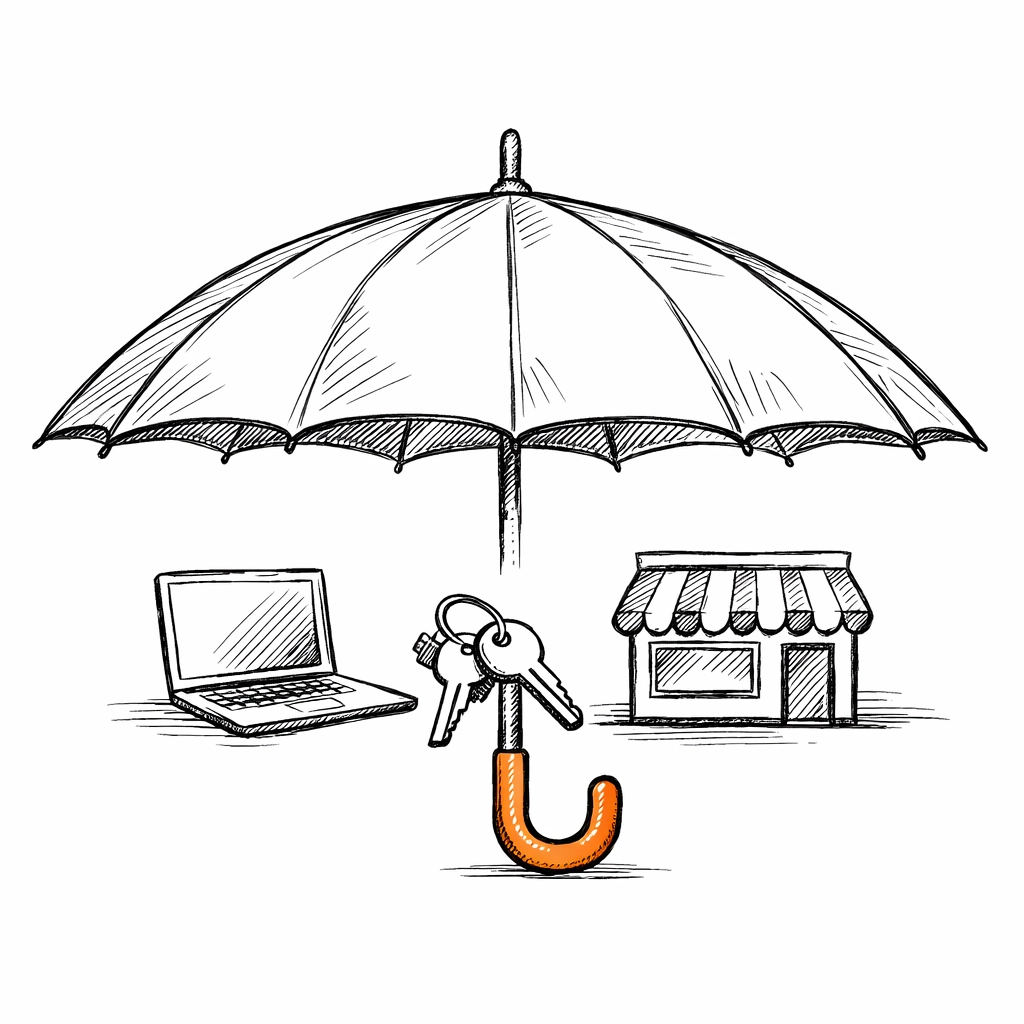
At its core, combined commercial insurance is a single, comprehensive policy that bundles several different types of business cover together. Instead of having a separate policy for your premises, another for your staff, and another for your equipment, everything is wrapped up in one package.
I often describe it to clients as a “protection buffet.” You don’t have to take everything on the menu, but you can pick and choose the exact covers that fit your specific industry needs. Whether you are running a high-end restaurant in London or a cleaning company in Kent, the policy is built to mirror your actual risks.
The Core Components: What’s Inside the Box?
While every policy is different, a standard combined commercial insurance package usually includes a few “must-haves.” From my experience, these are the pillars that keep most businesses safe:
1. Public and Product Liability
This is the big one. If a customer slips on a wet floor or a product you sell causes an injury, this cover handles the legal fees and compensation. In a busy city environment, this isn’t just a “nice-to-have”, it’s a survival tool.
2. Employers’ Liability
If you have staff, even just one part-time person, this is usually a legal requirement in the UK. It covers you if an employee falls ill or gets injured while working for you. I’ve seen businesses get hit with massive fines just for forgetting this one, so having it bundled in your combined policy ensures it never slips through the cracks.
3. Property Damage and Stock
This protects your “stuff.” Whether it’s your office building, your machinery, or the stock you have sitting in a warehouse, this cover handles losses from fire, flood, or theft. For our clients in the retail sector, this is often the most critical part of their retail shop business insurance.
4. Business Interruption
I think this is the most underrated part of any insurance policy. If your business has to close for three months because of a fire, how do you pay the bills? Business interruption replaces that lost income, helping you stay afloat while you get back on your feet.
5. Goods in Transit and Money
If you’re moving stock across Essex or Kent, or if you keep cash on the premises (like in a takeaway or fast-food business), you can add specific cover for these risks too.

Why Is “Combined” Often Better Than “Separate”?
You might be wondering, “Why bother combining them? Can’t I just keep my separate policies?” You could, but here is why I think that’s a mistake for most modern businesses.
One Renewal, One Premium
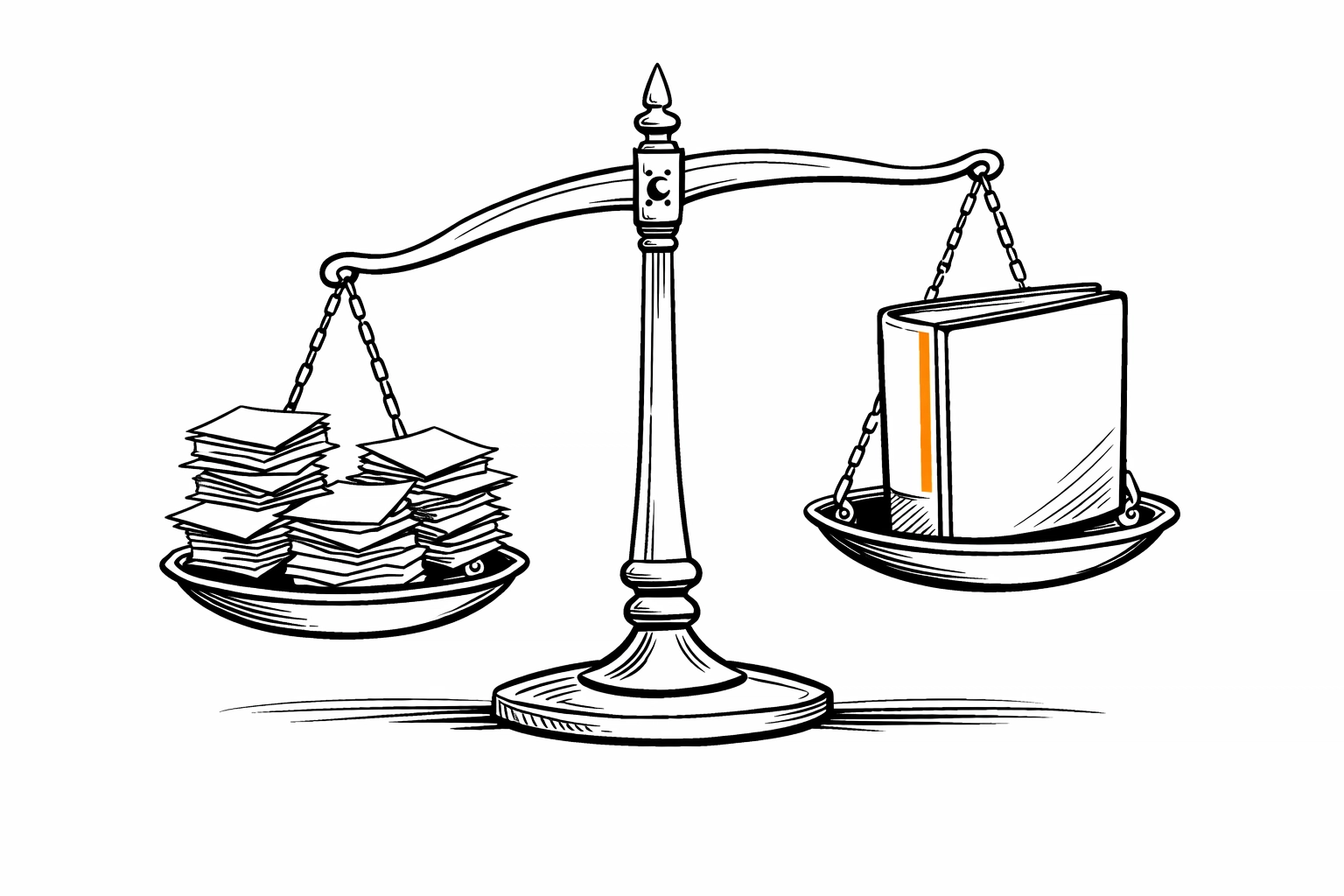
The administrative burden of insurance is real. When you have multiple policies, you have multiple renewal dates. I’ve spoken to business owners who missed a renewal because they thought it was the “other” policy that was due. With combined commercial insurance, you have one date to remember and one premium to pay. It’s simple, and simple is usually better.
Cost-Effectiveness
In almost every case, bundling your insurance is cheaper than buying individual policies. Insurers like “bulk” business. When you place all your risks with one provider, they are often willing to offer a significant discount compared to if you bought those same covers separately. It’s the same logic as buying in bulk for your business, it just makes financial sense.
No Gaps in Cover
This is the professional’s perspective that many people overlook. When you have different policies with different insurers, you can end up with “gaps.” Insurer A might think a certain risk is covered by Insurer B, while Insurer B thinks it’s Insurer A’s job. When you have a combined policy, that ambiguity disappears. You know exactly where you stand.
Who Needs This Type of Cover?
While almost any business can benefit, I’ve found that combined commercial insurance is a game-changer for specific sectors:
- Contractors and Trades: If you’re a general contractor or a tradesman, your risks change from site to site. A combined policy gives you the flexibility to handle liability and tool cover in one place.
- Cleaning Companies: Whether you do domestic or commercial cleaning, having a cleaning company business insurance package that includes liability and equipment cover is essential.
- Property Owners: If you manage a portfolio in London or Kent, commercial landlord insurance combined with property owner liability is much easier to manage.
- Hospitality: From pubs and clubs to hotels and B&Bs, the mix of public liability, buildings cover, and stock (alcohol/food) makes a combined policy the only logical choice.
How Moyak Insurance Services Handles the Heavy Lifting
I know that even a “3-minute guide” can feel like a lot when you’re busy. That’s exactly why we exist. At Moyak Insurance Services, we don’t just give you a quote and walk away. We act as your partner.
I see my role as the person who does the “boring stuff” so you don’t have to. We take the time to understand your specific business operations in the Essex and London areas. We then head out to the market, compare the top providers, and build a combined commercial insurance policy that fits you like a glove.
We look for the best price, sure, but we also look for the best value. There is no point in having a cheap policy if it doesn’t pay out when you need it most.

Final Thoughts: Your Next Steps
Going forward, I’d encourage you to take a quick look at your current insurance documents. Are you managing three different logins? Are you paying monthly for four different policies? If the answer is yes, you are likely overpaying and definitely over-working.
The world of business is complicated enough. Your insurance doesn’t have to be. By switching to a combined approach, you protect your livelihood while gaining back the time you need to actually run your company.
If you’re ready to see how much simpler (and cheaper) your business protection could be, we’re here to help. You can explore our useful information section for more tips, or simply get in touch with us at Moyak Insurance Services for a no-nonsense chat about your needs.
Let’s get your insurance sorted, so you can get back to work.