
![[HERO] Why 'Standard' Liability Isn't Enough for Cleaning Businesses](https://moyakinsurance.co.uk/wp-content/uploads/joomla-import/v_pKUy3B_pQ.webp)
If you are running a cleaning business in Essex, London, or Kent, you likely already know that your reputation is your most valuable asset. Whether you are handling high-end residential contracts in Tunbridge Wells or managing office blocks in Canary Wharf, one mistake can ripple through your client base faster than you can say “bleach stain.”
I have spent a lot of time talking to business owners who believe they are fully protected because they have a “Standard Public Liability” policy in place. It’s a box-ticking exercise for many: something they bought online in five minutes to satisfy a contract requirement. But I have also seen the look on a director’s face when a claim is rejected because of a small, technical exclusion that they didn’t even know existed.
The truth is, “standard” liability insurance is often designed for general trades. It works well if you are a plumber who drops a wrench on a toe, but it frequently fails the unique, high-frequency risks that professional cleaners face every day. In this industry, the devil isn’t just in the detail of your cleaning: it’s in the fine print of your policy.
The ‘Care, Custody, and Control’ Trap
This is perhaps the single most common reason why cleaning insurance claims get rejected, and it’s something I think every business owner in our sector needs to understand clearly.
Most standard Public Liability policies have a standard exclusion for “property in your care, custody, and control.” In plain English, this means the policy covers damage you cause to other things around the site, but it does not cover the specific item you were actually hired to work on.
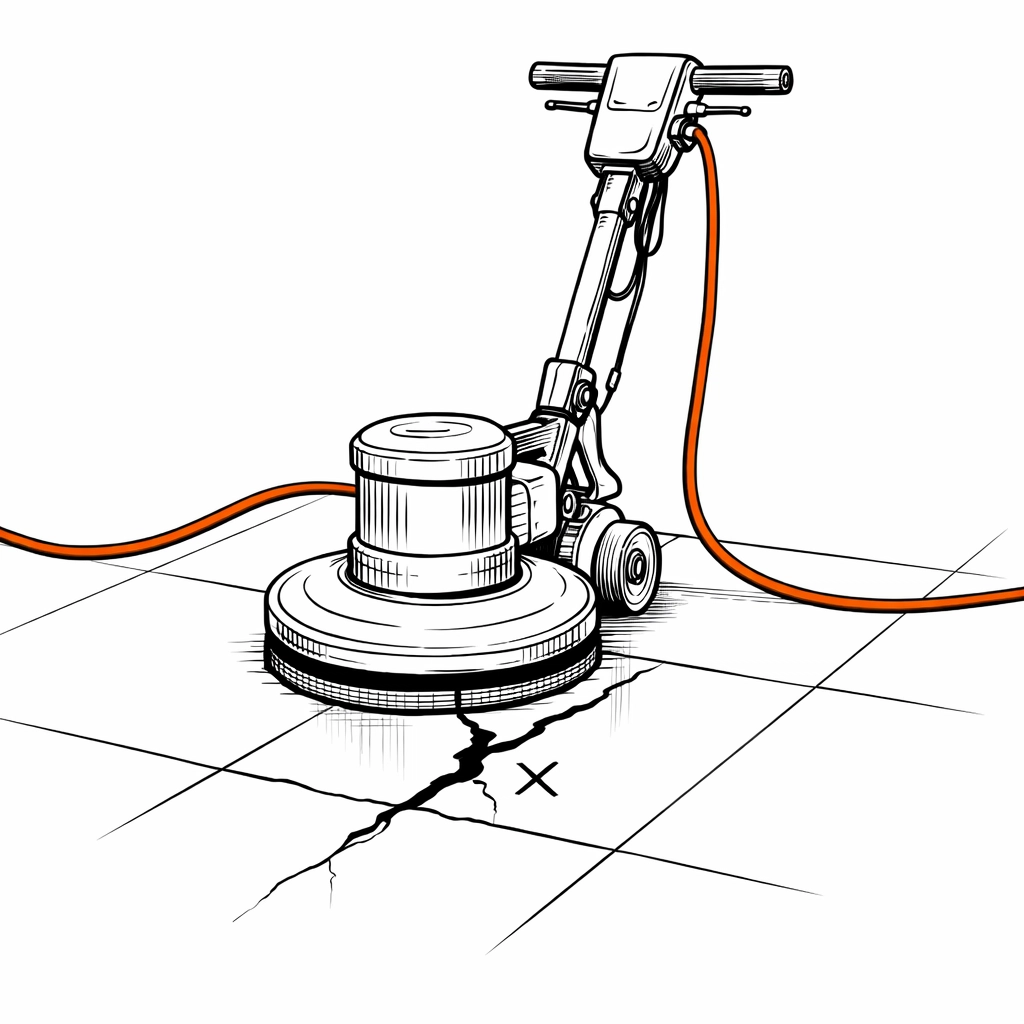
Imagine you are contracted to clean a high-value marble floor in an Essex office building. One of your team uses the wrong dilution of an acidic cleaner, and the surface is etched beyond repair. If you only have a basic liability policy, the insurer might cover the cost if your cleaner accidentally knocked over a vase while walking to the sink, but they could very well refuse to pay for the floor itself. Why? Because the floor was under your “care, custody, and control” at the time of the damage.
For a specialized cleaning business, this is a massive gap. You are literally in the business of taking care of people’s property. If your insurance doesn’t cover the very thing you are touching, what exactly are you paying for? When we look at cleaning company business insurance, we ensure this specific exclusion is addressed. Going forward, you should check your policy schedule for an extension often called “Damage to Property Worked Upon.” Without it, you are effectively self-insuring your biggest risks.
The Security Nightmare: Loss of Customer Keys
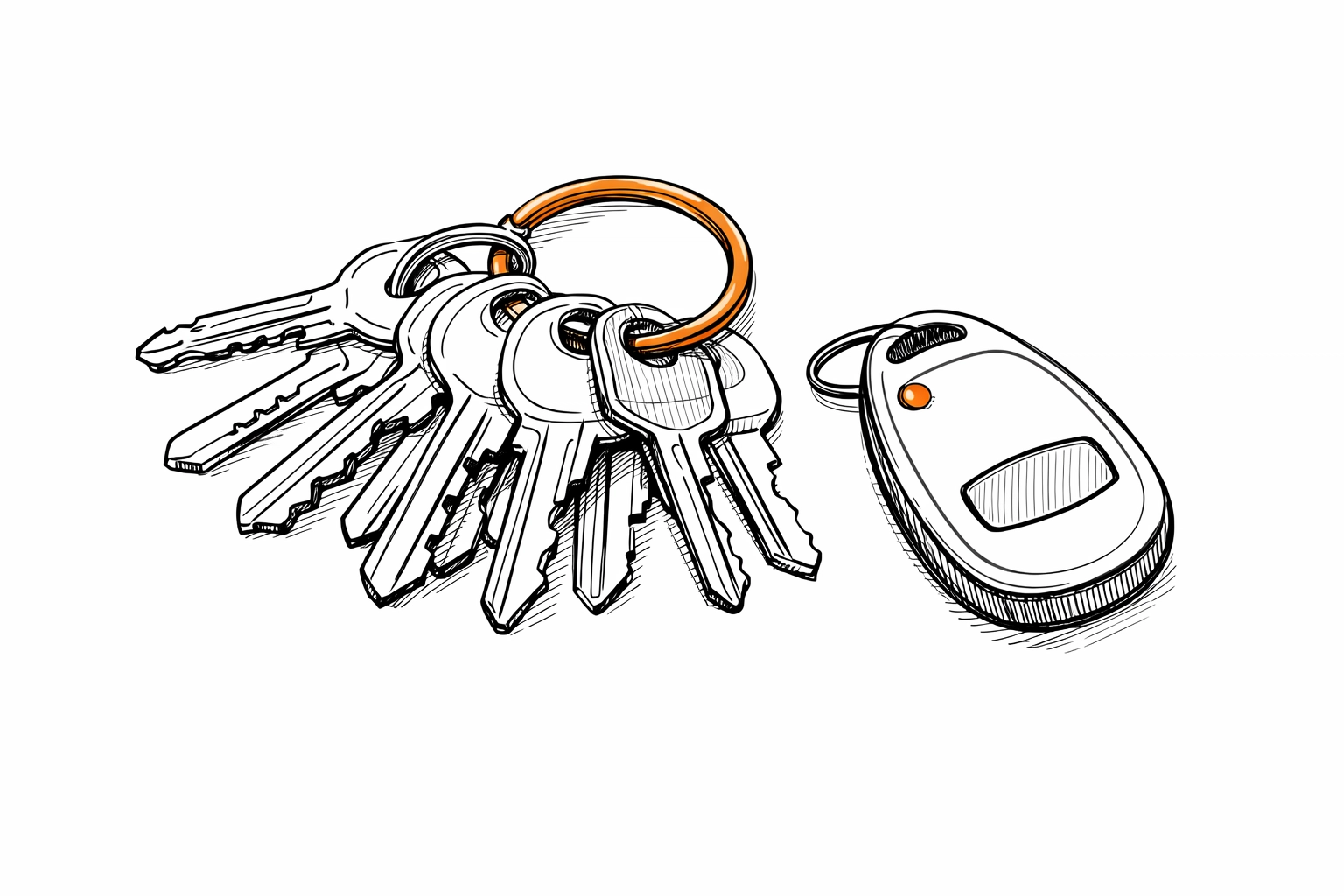
If you operate across London and the South East, you are likely holding keys or fobs for dozens, if not hundreds, of properties. It’s a standard part of the job, especially for commercial contracts or “while-you-are-out” domestic services.
But what happens if a set of keys goes missing? I’ve seen cases where a simple lost key resulted in a claim for over £5,000. It’s rarely the cost of the metal key itself that causes the problem; it’s the security implications. If that key was part of a master suite in a London apartment complex or a secure office facility, the management company might insist: rightfully so: that every single lock in the building be changed to maintain security integrity.
A “standard” liability policy won’t touch this. They view it as a secondary loss or a professional error, not a direct “accidental damage” event. You need a specific “Loss of Keys” extension. This doesn’t just cover the locksmith’s bill; it covers the replacement of locks and the necessary security measures that follow.
In Kent and Essex, where high-end residential developments are booming, the cost of re-keying a property with high-security locks can be eye-watering. I’ve noticed that many start-up cleaning firms overlook this entirely until they are staring at a bill that could wipe out their year’s profit. It’s a pitfall that is so easy to avoid with the right cleaning company business insurance-2 advice.
Treatment Risk: The Specialist’s Burden
If your business moves beyond general dusting and vacuuming into specialized services like carpet or upholstery cleaning, your risk profile changes significantly. This is where “Treatment Risk” comes into play.
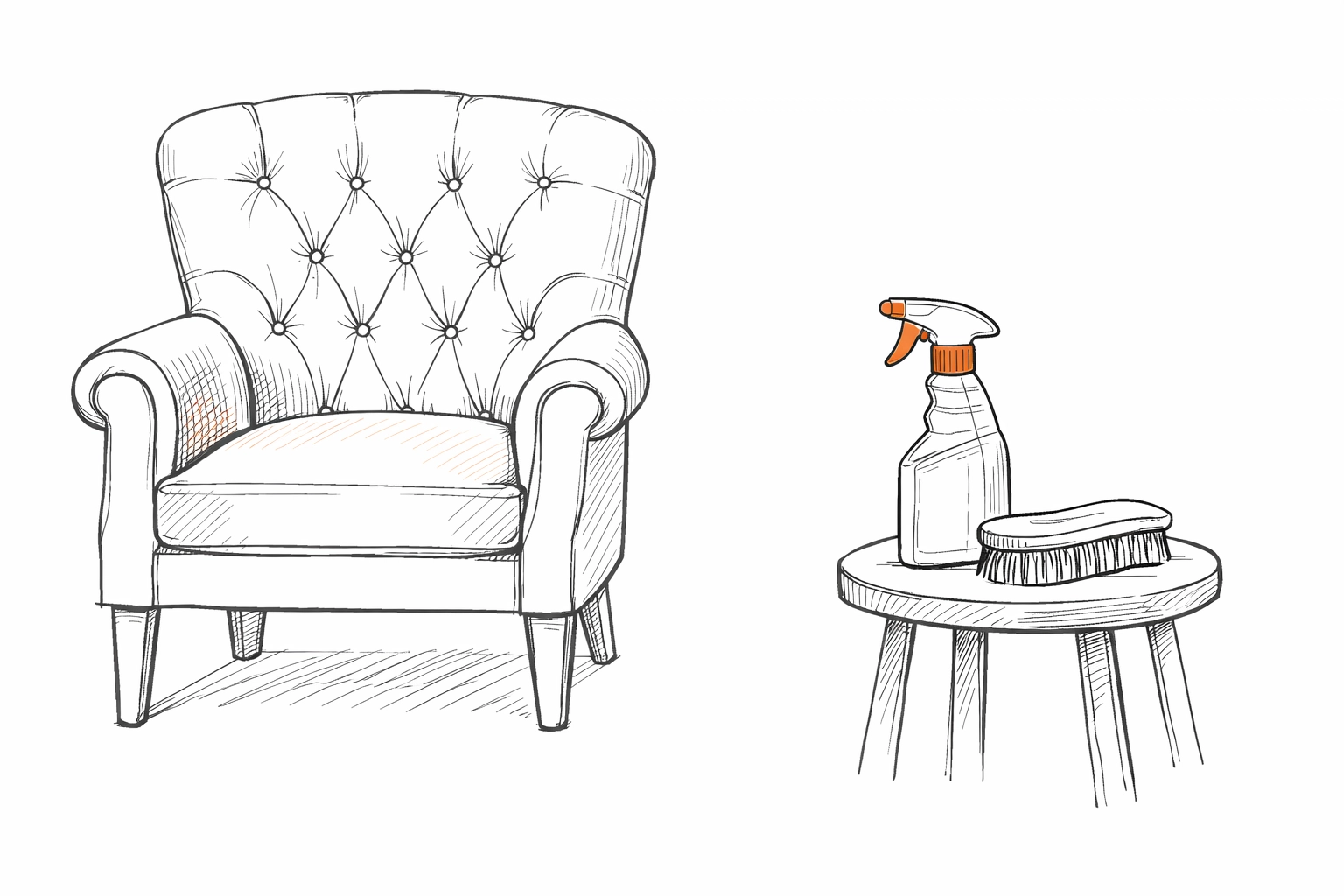
I remember a conversation with a contractor in London who was cleaning a bespoke velvet sofa. Despite following the label, the fabric reacted poorly to the moisture and “shrank” or suffered permanent dye migration. Under a standard policy, this is often excluded because it’s seen as a result of the “treatment” or process itself rather than an accident.
Standard liability is great for “sudden and accidental” events: like tripping over a cable. It is notoriously bad at covering “gradual” or “process-led” damage. If you are using chemicals, steam, or industrial machinery on delicate fabrics or surfaces, you need Treatment Risk cover. This ensures that if the cleaning process itself causes damage, you aren’t left holding the bag.
Whether you are based in the heart of London or out in the Kent countryside, your clients expect a professional result. If something goes wrong, they won’t care about your insurance exclusions; they will simply want their property restored. Having the right coverage allows you to resolve these issues quickly and keep your reputation intact. You can find more about these specific protections on our useful information page.
Public Liability vs. Specialized Cleaning Insurance
So, why is there such a difference between an off-the-shelf policy and a tailored one? I think it comes down to how the insurance industry perceives “risk.”
A general insurance provider wants to sell a policy that fits a thousand different businesses: from dog walkers to consultants. To keep the price low, they strip out the “niche” risks. Unfortunately for you, those “niche” risks (like loss of keys or damage to property worked upon) are actually your daily risks.
A specialized cleaning insurance policy is built from the ground up with your industry in mind. It recognizes that:
- You are constantly handling third-party property.
- You are often working unsupervised on client premises.
- You use chemicals and equipment that carry inherent risks.
- You have a high degree of responsibility for site security.
When you look at cleaning company business insurance-3, you should be looking for a package that bundles these extensions together. It’s also worth considering Employer’s Liability. Even if you use “self-employed” sub-contractors, the law often views them as employees if you provide their equipment and tell them when and where to work. I’ve seen many businesses in Essex and Kent fall foul of this distinction, leading to massive fines and uninsured injury claims.
A Pragmatic Approach for the London & South East Market
The cleaning industry in our region is incredibly competitive. To win the best contracts: especially those with local authorities or major property developers: you need more than just a certificate that says “Public Liability.” You need to demonstrate that you understand your risks and have mitigated them.
I often suggest that business owners take a “walk-through” of their typical day. Ask yourself: “If I ruined this specific item I’m cleaning right now, would I be covered?” or “If I lost my bag with all my client keys in it, what would happen tomorrow?” If the answer is “I don’t know” or “Probably not,” then your insurance isn’t doing its job.
At Moyak Insurance Services, we don’t just sell policies; we look at the reality of your operations. Whether you need commercial combined business insurance for a large cleaning fleet or a simple tradesman policy for a solo operation, the goal is the same: making sure that a bad day at work doesn’t become the end of your business.
Next Steps for Your Business
Going forward, I recommend doing three things:
- Check your ‘Care, Custody, and Control’ clause: Call your broker or look at your policy wording. If it excludes property you are working on, you have a major gap.
- Verify your Key Cover limits: Is it enough to cover a full lock-change for your largest client site?
- Review your ‘Treatment Risk’ if you clean carpets or upholstery: Don’t assume it’s included just because you told the insurer you are a “cleaner.”
The London, Essex, and Kent markets are unforgiving when it comes to professional mistakes. Taking the time to tailor your insurance isn’t just a cost: it’s a foundational part of your business strategy. If you aren’t sure where you stand, it’s always worth a conversation with someone who understands the nuances of the cleaning trade.
You can reach out to us through our main site to discuss how to tighten up your protection and avoid these common industry pitfalls. Keeping your business clean shouldn’t just be about the work you do; it should be about how you protect your future, too.