
![[HERO] 7 Mistakes You’re Making with Business Insurance London (and How to Fix Them)](https://moyakinsurance.co.uk/wp-content/uploads/joomla-import/x8o5fuZ_NR9.webp)
Running a business in London is an exhilarating challenge. Between the fast-paced market, the competition, and the unique logistics of operating in one of the world’s major financial hubs, there is rarely a dull moment. However, in the rush to scale and manage daily operations, insurance often gets pushed to the bottom of the “to-do” list.
In my time as Director at Moyak Insurance Services, I’ve spoken with countless business owners who view insurance as just another tax or a box to be ticked. But the truth is, Business Insurance London is a specialized field. A generic policy that works for a shop in a quiet village won’t necessarily stand up to the complexities of a commercial unit in Shoreditch or a construction site in the City.
If you haven’t looked at your policy in over a year, or if you bought the cheapest option you found on a comparison site, you might be making some critical errors. Here are the seven most common mistakes I see London businesses making: and more importantly, how you can fix them before they cost you a fortune.
1. The Underinsurance Trap: Thinking Yesterday’s Value Still Applies
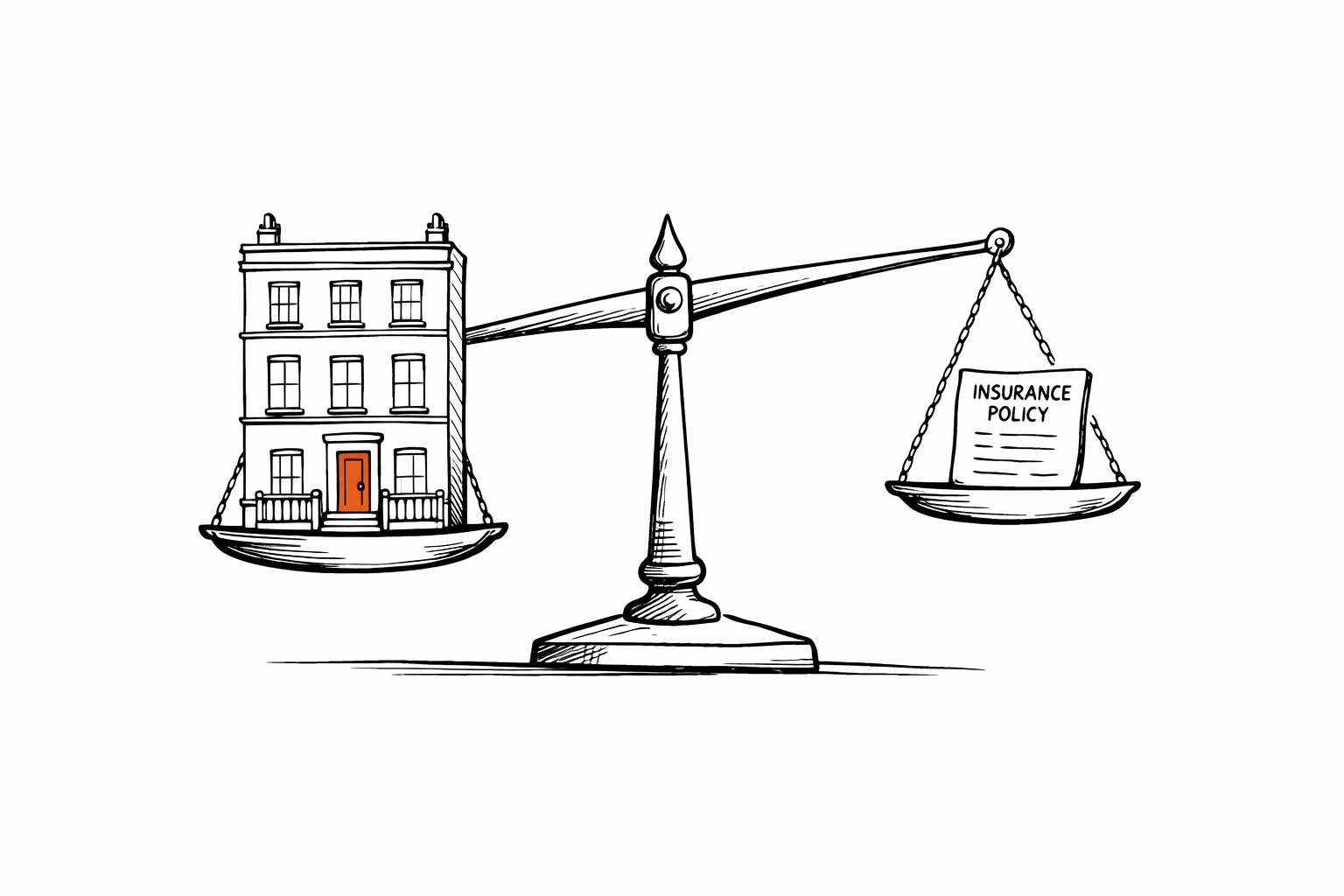
This is probably the most common issue I see. Underinsurance happens when your policy limits are lower than the actual value of what you’re insuring. In London, this is a massive risk because property values and rebuild costs are skyrocketing.
If you insured your office or warehouse three years ago, the cost to rebuild that exact structure today has likely increased by 20% or more due to inflation and rising material costs. If you are underinsured, insurers may apply the “Condition of Average.” This means if you are insured for only 80% of the true value, the insurer might only pay out 80% of your claim: even for a small loss.
How to fix it: Don’t guess. Get a professional valuation of your assets and rebuild costs. If you are a landlord, our Commercial Landlord Property Owners Insurance can help ensure your limits match the current London market.
2. Treating Cyber Risk as an “IT Problem”
Many SMEs in London still think cyber-attacks only happen to the giants like British Airways or the NHS. I can tell you from experience: hackers love small businesses because their defenses are often lower.
Whether you’re a boutique law firm or a small office, you likely hold sensitive client data. A data breach or a ransomware attack doesn’t just halt your operations; it leads to massive GDPR fines and reputational damage that can be impossible to recover from in a tight-knit London industry.
How to fix it: Cyber insurance shouldn’t be an afterthought. It needs to be a core part of your Commercial Insurance strategy. Ensure your policy covers not just data recovery, but also business interruption and legal defense costs.
3. Selecting the Cheapest Premium over Comprehensive Cover
We all like to save money, especially with the cost of doing business in London rising. However, insurance is one of those things where you really do get what you pay for. I often see business owners opt for a policy based solely on the monthly premium, only to realize later that the deductible (excess) is £5,000 or that key risks are excluded.
A “cheap” policy is a liability if it doesn’t pay out when you need it. It’s essentially paying for the illusion of security.
How to fix it: Look at the “total cost of risk,” not just the premium. At Moyak, we prefer a Commercial Combined Business Insurance approach. This bundles various protections into one package, often providing better value and much broader coverage than separate, “budget” policies.
4. Inaccurate Business Descriptions
When you buy insurance online, you’re often forced to pick from a drop-down menu of “business types.” If you’re a specialized contractor or a consultant with a niche focus, these generic labels might not fit.
If your policy says you’re a “General Consultant” but you’re actually doing high-risk structural engineering advice, your insurer has every right to void your policy for non-disclosure. I’ve seen claims rejected because a business changed its primary activity: say, a cafe that started offering a late-night bar service: without telling their broker.
How to fix it: Be specific. If your business has evolved, your insurance must evolve with it. Whether you are moving from a takeaway to a full-seated restaurant, your broker needs to know the exact nature of your operations.

5. Ignoring the Fine Print (Exclusions)
It’s not the most exciting Saturday night read, but the terms and conditions of your policy are vital. London-specific exclusions are common. For example, some policies might have specific “unoccupied property” clauses that kick in if your office is empty for more than 30 days: something many businesses learned the hard way during the shift to hybrid work.
Others might have specific requirements for security locks or alarm systems. If you haven’t upgraded your locks to the standard specified in your policy, a theft claim could be denied.
How to fix it: Ask your broker to highlight the “key exclusions.” You need to know what isn’t covered just as much as what is. If you’re in the building trade, for instance, there are very specific rules about “hot work” or working at height that you must follow to keep your General Contractor Liability Insurance valid.
6. The “Set It and Forget It” Mentality
Your business is a living thing. You hire new staff, you buy new equipment, you perhaps move from a home office to a co-working space in the City, or you expand your fleet.
Failing to review your policy annually is a recipe for disaster. I’ve seen businesses grow from a £100k turnover to £1m turnover while still on the same basic “start-up” policy. This leaves massive gaps in Public Liability and Employers’ Liability coverage.
How to fix it: Schedule a review at least 60 days before your renewal date. This gives you enough time to shop around and adjust your limits. Don’t just let it auto-renew. Markets change, and new insurance products might offer better protection for your current size.

7. Going It Alone Without Professional Advice
In the age of the internet, it’s tempting to think you can handle everything yourself. But Business Insurance London is complex. A comparison website doesn’t know that your specific street is prone to basement flooding, or that your specific industry is facing a new wave of professional indemnity claims.
An algorithm can’t give you the individual approach that a human broker can. We often see things that a computer program misses, such as overlapping coverages that are costing you double, or gaps where you are completely exposed.
How to fix it: Partner with a broker who understands the London landscape. At Moyak Insurance Services, we take an individual approach. We don’t just sell you a policy; we look at your business as a whole to see where the real risks lie.
Practical Next Steps
If any of these mistakes sounded a little too familiar, don’t panic: but don’t wait. The best time to fix your insurance is before something goes wrong.
- Audit your assets: Check if your equipment and property values are up to date.
- Review your activities: Ensure your “business description” matches what you actually do every day.
- Check your liability limits: With legal costs rising in the UK, is £2 million in Public Liability still enough for your London contracts?
- Talk to a human: Contact us at Moyak Insurance Services. We specialize in helping London SMEs navigate these exact pitfalls.
Whether you are looking for Estate Agent Insurance or high-level Commercial Insurance, getting the right advice is the most important step you can take toward protecting your livelihood.
London is a city of opportunity, but it’s also a city of risk. Let’s make sure your insurance is actually doing its job so you can get back to doing yours.