
![[HERO] How to Avoid the Biggest Construction Contractor Insurance Pitfalls (and Lower Your Premium)](https://moyakinsurance.co.uk/wp-content/uploads/joomla-import/Erhc4n7tx-I.webp)
In the construction world, we often talk about the “foundation.” If the footings are off by even an inch, the rest of the build is compromised. I see the exact same principle applied to Construction Contractor Insurance. Far too often, contractors view their insurance as a “tick-box” exercise: something they need just to get onto a site or satisfy a local authority. But if that foundation is shaky, a single claim can topple years of hard work.
At Moyak Insurance Services, we take an individual approach to every client. I’ve seen firsthand how a one-size-fits-all policy fails when a real-world disaster strikes. The industry is changing, and the risks are becoming more complex. Whether you are managing a residential renovation or a major commercial build in the heart of the city, understanding the pitfalls of your coverage is the only way to protect your bottom line.
1. The “Minimum Requirements” Trap
One of the most common mistakes I see is contractors choosing their coverage limits based solely on what the contract requires. If a client asks for £5 million in public liability, many contractors will buy exactly that and nothing more.
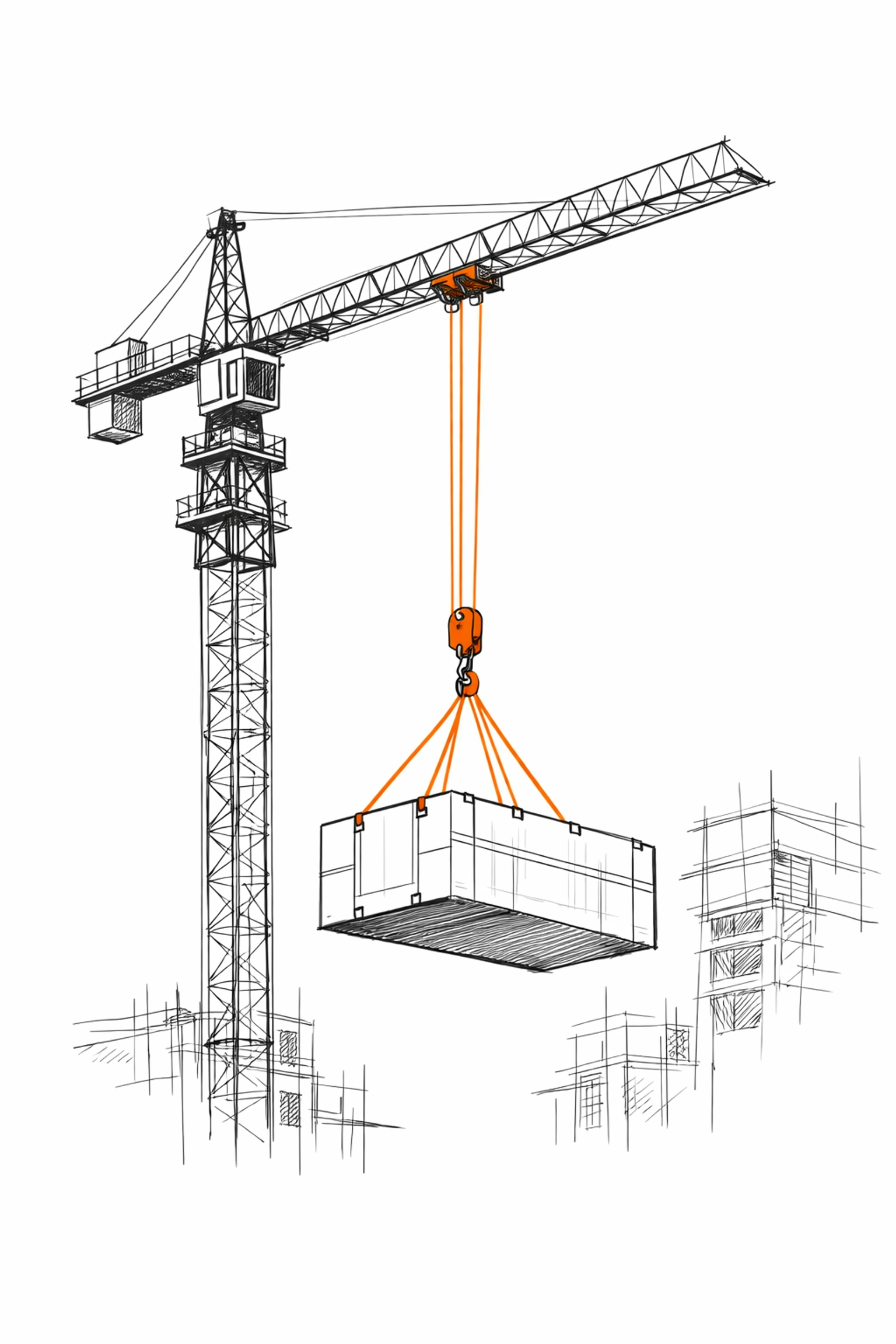
But here is the problem: the contract requirement is often a generalized figure. It doesn’t necessarily reflect the actual risk of the specific project. If you are working on a high-density site in London, for instance, the potential for third-party damage or business interruption for surrounding shops could far exceed that “standard” £5 million limit. In fact, we often discuss why local knowledge is your best defense when assessing these risks.
The better approach is to base your limits on the “total completed value” of the project. This includes not just the materials and labour, but also the “soft costs”: things like interest on loans, architectural fees, and the potential costs of a delay. When you only cover the contract price, you’re leaving yourself exposed to the administrative and financial fallout of a major claim.
2. Neglecting the “Additional Insured” Endorsement
I’ve had many conversations with general contractors who believe that simply seeing a Certificate of Insurance (COI) from a subcontractor is enough. It isn’t.
If a subcontractor’s work leads to a claim, and you aren’t properly named as an “Additional Insured” on their policy, their insurer might only cover the subcontractor, leaving you to fight the legal battle for your own liability. Furthermore, you need to ensure that the coverage extends to “completed operations.” Most construction claims don’t happen while the crew is on-site; they happen months or even years later when a leak develops or a structural issue arises.
If your subcontractor’s insurance only covers “ongoing operations,” you might find yourself holding the bag for their mistakes long after they’ve moved on to the next job. We always tell our clients at Moyak that caring about every client means helping them look at the fine print of their subcontractor agreements. It’s not just about your General Contractor Liability Insurance; it’s about the entire ecosystem of coverage on your site.
3. The Builder’s Risk Timing Gap
Builder’s Risk (or Course of Construction) insurance is a vital part of Construction Contractor Insurance, but the timing of when it starts and ends is a frequent pitfall.
I recently read about a case where a contractor had expensive roof trusses delivered to a site on a Friday afternoon. A massive storm rolled through over the weekend, destroying the materials. Because the policy was set to trigger when “construction begins” (defined in that specific policy as the actual assembly of the frame), the insurer denied the claim for the stored materials.
You need to ensure your policy triggers the moment materials arrive on-site or even while they are in transit. Conversely, many policies “cease” once the building is occupied or put to its intended use. If you have a delay in the final handover but the client starts moving furniture in, your coverage might vanish without you realizing it.
4. Misclassification of Workers
This is a pitfall that doesn’t just affect your coverage: it can lead to massive financial penalties during an audit. There is often a grey area between a “bona-fide subcontractor” and a “labour-only subcontractor.”
If you tell your insurer you use bona-fide subs (who carry their own insurance), but you are actually providing the tools, supervising their every move, and paying them an hourly rate, the insurer will likely reclassify them as employees. This means your General Tradesmen Liability Insurance premiums will skyrocket at the end of the year when the audit happens. Worse, if a worker is injured and is found to be misclassified, your Employers’ Liability claim could be complicated or even rejected if the insurer feels you misrepresented the risk.
5. Overlooking Exclusions: The “Faulty Workmanship” Problem
Most General Liability policies are designed to cover “resultant damage,” not the cost to fix the mistake itself.
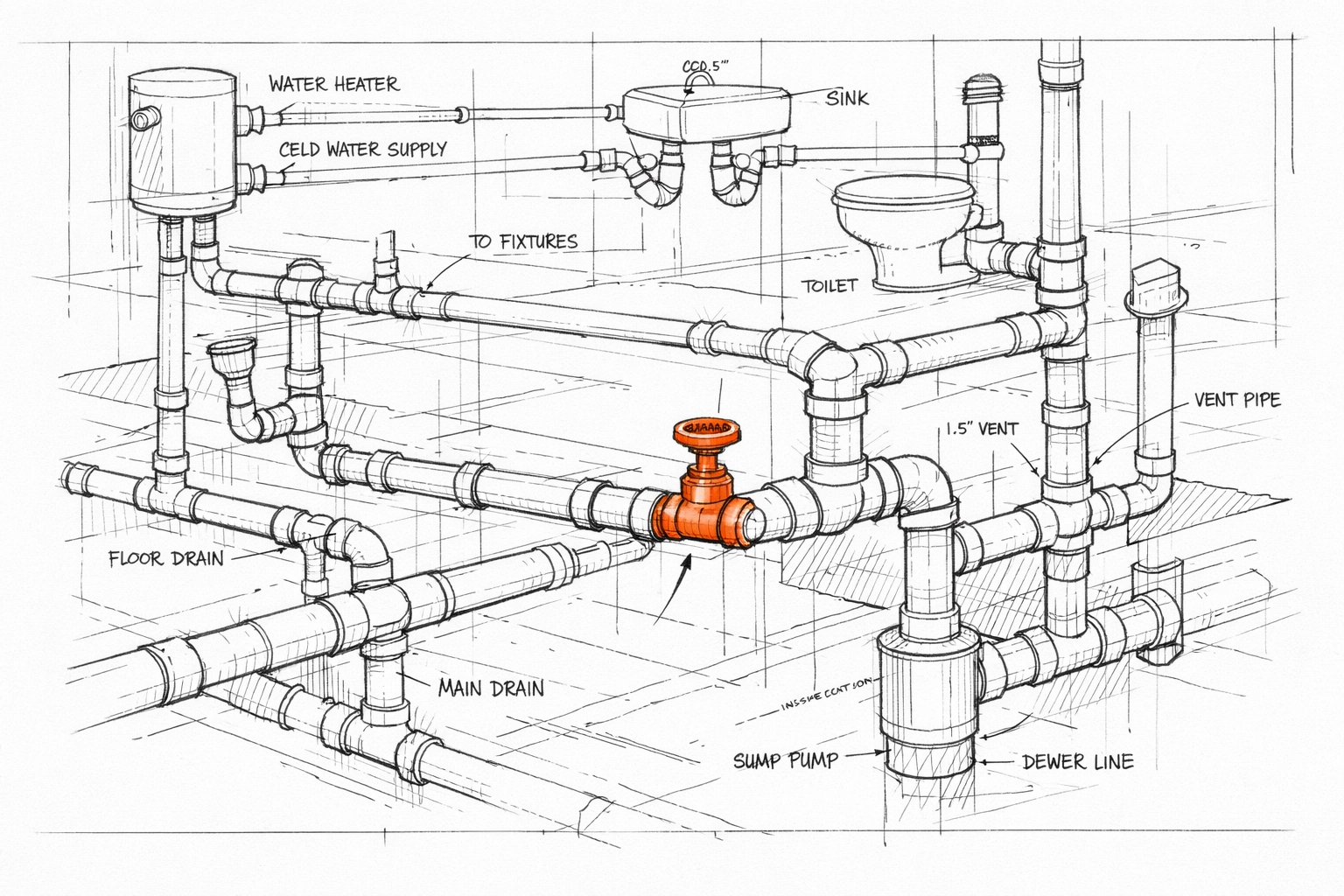
If a plumber installs a pipe incorrectly and it bursts, the insurance will usually pay for the ruined carpets and the warped floorboards (the resultant damage). However, it often won’t pay for the plumber to come back and fix the actual pipe (the faulty workmanship). For many contractors, the cost of the “fix” can be just as devastating as the damage itself.
To avoid this pitfall, I recommend looking into Professional Liability or Contractors’ Errors and Omissions (E&O) coverage. This is especially important if you provide any design-build services or even informal consulting. Many contractors think “I’m not an architect,” but if you suggest a change in material or a specific layout that later fails, you are effectively acting in a professional capacity.
How to Lower Your Insurance Premium
While it might feel like adding these coverages will only drive your costs up, the reality is that a well-managed risk profile actually lowers your premiums over time. Here is how you can reduce what you pay for Construction Contractor Insurance without sacrificing protection:
Maintain a Strong Safety Record
Insurers look at your “Loss Run Reports” for the last three to five years. A history of small, frequent claims is often a bigger red flag than one large, freak accident. It suggests a lack of oversight. By implementing a rigorous health and safety protocol and documenting it, you can negotiate better rates.
Accurate Payroll and Turnover Projections
Don’t guess. If you over-project your turnover or payroll, you are essentially giving the insurer an interest-free loan until your year-end audit. If you under-project, you’ll be hit with a massive bill later. Keeping your broker updated on your actual figures quarterly can help smooth out these costs.
Use a Specialized Broker
A generalist broker might not understand the nuances of Commercial Combined Business Insurance for the construction sector. At Moyak, our individual approach means we look for specific “carve-outs” and endorsements that fit your trade. We know which insurers are currently “hungry” for construction risk and who has the best appetite for specific niches, like Cleaning Company Business Insurance within a construction site context.
Review Your Deductibles
I often suggest that contractors who have a strong cash flow consider increasing their voluntary excess (deductible). If you can afford to pay the first £1,000 or £2,500 of a claim yourself, your annual premium will drop significantly. It shows the insurer that you have “skin in the game” and are committed to risk management.
The Moyak Individual Approach
We believe that every contractor deserves a policy as solid as the structures they build. We don’t just sell you a policy; we partner with you to identify where your specific project might be vulnerable. From the initial quote to the final audit, we are here to ensure that your insurance works for you, not the other way around.
If you’re concerned that your current coverage has gaps, or if you simply feel you’re paying too much for a policy that doesn’t fit, it’s time for a professional review. Construction is a high-stakes industry: don’t let a misunderstood exclusion or a timing gap be the reason your business suffers.
To explore how we can tailor a package for your specific needs, visit our Main Page or contact us directly to discuss your project.