
![[HERO] 10 Reasons Your General Contractor Liability Insurance Isn't Enough (And How to Fix It)](https://moyakinsurance.co.uk/wp-content/uploads/joomla-import/st0X_WiyloF.webp)
In the construction world, we often talk about insurance as if it’s a “set it and forget it” box to tick. You get your General Contractor Liability Insurance, you hand the certificate to the project manager, and you get to work. But as we move through 2026, I’ve noticed a worrying trend. The gap between what a standard policy covers and the actual risks we see on-site in places like London and Essex is widening.
I speak to contractors every week who believe they are “fully covered” because they have a public liability policy. The reality is that a standard policy is often just the bare minimum: the entry ticket to a site, but not necessarily the safety net that saves your business when things go sideways. From changing regulations like the Building Safety Act to the skyrocketing costs of materials, the old “standard” isn’t enough anymore.
Here are 10 reasons why your current cover might be failing you, and more importantly, how you can fix it.
1. The “Your Work” Exclusion
This is the most common shock for contractors. Standard General Contractor Liability Insurance is designed to cover damage to other people’s property, not your own work. If you install a roof and it leaks, damaging the client’s expensive furniture, the insurance covers the furniture. But it won’t pay to fix the roof you installed poorly.
The Fix: You need to look into Contractors Errors and Omissions (E&O) or specific “faulty workmanship” endorsements. I think it’s essential to clarify with your broker exactly where the “property damage” ends and “defective work” begins.
2. Inadequate Limits for 2026 Projects
Five years ago, a £1 million or £2 million limit was standard for many SMEs. But in today’s market, especially if you are looking for Business Insurance London, those limits are often laughed at. With the rising cost of litigation and property values in the South East, a single major incident can easily breeze past a £2 million cap.
The Fix: Don’t just settle for what the client asks for. Evaluate the “worst-case scenario” for your specific project. Increasing your limit to £5 million or £10 million is often surprisingly affordable compared to the massive risk of being underinsured.

3. Professional Liability Gaps (Design-Build Risks)
Are you giving advice? Are you suggesting changes to a blueprint or choosing specific materials for their performance? If so, you are moving into the realm of professional services. Standard liability policies explicitly exclude “professional acts.” If a design choice you made leads to a structural issue, your general liability policy will likely walk away.
The Fix: If you have any hand in the design process, you need Professional Indemnity (PI) Insurance. We see this often in Construction Contractor Insurance where the line between “contracting” and “consulting” is blurred.
4. The Subcontractor Trap
I see this happen all the time: a general contractor hires a sub, assuming the sub has their own insurance. But what happens if the sub’s policy has lapsed? Or if their limits are too low? In the eyes of the law, you: the general contractor: are often vicariously liable for their mistakes. If your policy has a “Subcontractor Exclusion” or strict warranty requirements you haven’t met, you’re on the hook.
The Fix: Implement a strict “COI (Certificate of Insurance) Tracking” system. Ensure your subcontractors name you as an Additional Insured and that their limits match yours. Better yet, speak to us at Moyak Insurance Services about a policy that specifically covers vicarious liability.
5. Pollution and Environmental Risks
Most contractors think “pollution” is only for chemical plants. But in construction, pollution can be as simple as silt runoff into a local drain, hitting a gas line, or disturbing old asbestos during a renovation in an Essex high-street shop. Standard policies usually have a total pollution exclusion.
The Fix: Ask for a Contractors Pollution Liability (CPL) policy or endorsement. It covers the cleanup costs and third-party claims that a standard policy won’t touch.
6. Completed Operations Timeframes
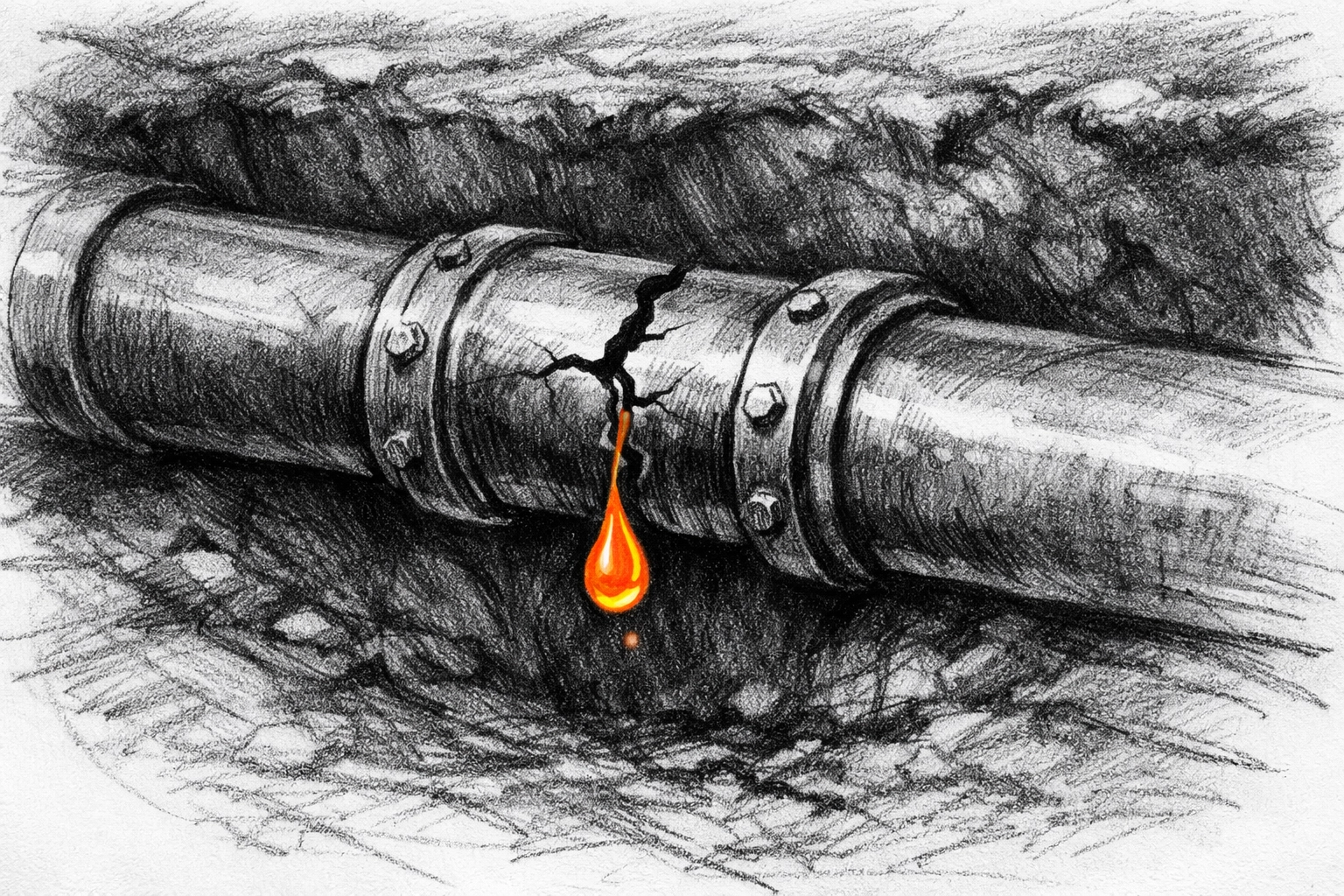
A standard policy covers you while you are on the job. But what about three years from now? Latent defects: issues that take years to manifest, like slow water leaks or structural settling: can lead to massive claims long after you’ve handed over the keys. If you’ve switched insurers or your policy didn’t have a “run-off” or “completed operations” extension, you could be exposed.
The Fix: Check your policy for Completed Operations coverage. Ensure the “Products-Completed Operations” limit is separate from your general aggregate limit so one claim doesn’t wipe out your entire bucket of protection.
7. Cyber Risks in a Digital Job Site
It’s 2026. You’re likely using BIM (Building Information Modeling), digital project management tools, and online banking for six-figure supplier payments. If your system is hacked or you’re hit with ransomware, your general liability won’t cover the lost data, the business interruption, or the forensic costs to get your business back online.
The Fix: Cyber Insurance is no longer optional for contractors. It’s a vital part of a modern Business Insurance Essex strategy.
8. Tools and Equipment (The “Inland Marine” Gap)
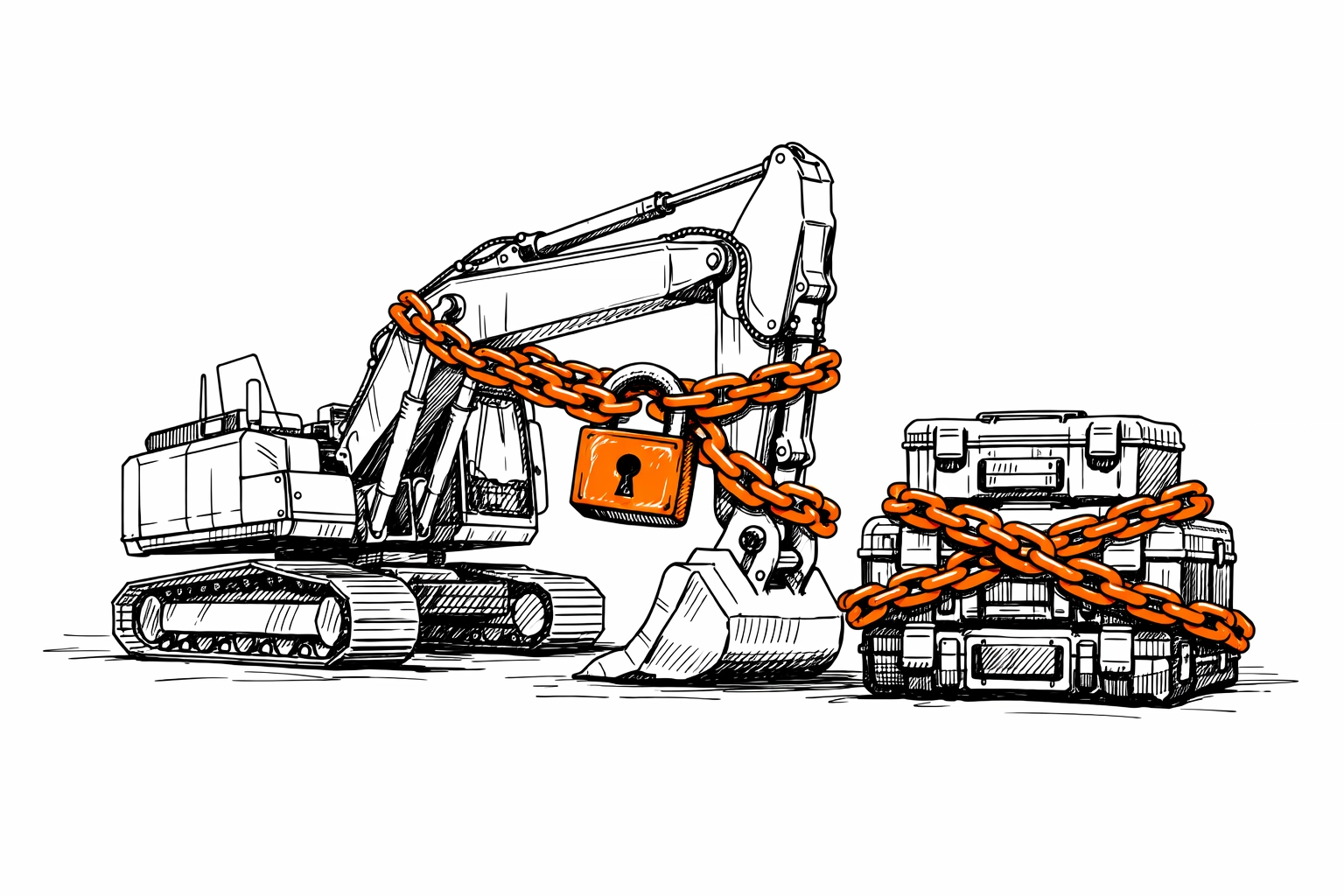
Your general liability covers the damage your tools do to others, but it doesn’t cover the tools themselves if they are stolen or damaged in a fire. Given the high cost of specialized plant and machinery today, replacing a stolen fleet out of pocket can sink a small firm.
The Fix: Ensure you have an Inland Marine (or Tools and Equipment) floater. This covers your gear wherever it goes: in your van, on the site, or in the warehouse.
9. Employment Practices Liability
The construction industry is facing tighter labor markets and stricter regulations. Claims regarding wrongful termination, discrimination, or even “hostile work environment” are on the rise. These are “personal injury” claims that fall outside the scope of “bodily injury” covered by standard liability.
The Fix: Look into Employment Practices Liability Insurance (EPLI). It protects the business against the costs of defending against claims from current, former, or even prospective employees.
10. The Underinsurance Trap (Inflation)
Inflation has been a roller coaster. If your policy was written based on 2023 values, it is likely out of date. If a site burns down and the cost to rebuild is now 30% higher due to material and labor costs, you might find yourself hitting your policy cap before the job is even half-finished.
The Fix: Conduct an annual review of your “Sum Insured” values. Don’t just renew the same policy; adjust the numbers to reflect the current reality of the London and Essex construction markets.
Summary: Taking Control of Your Risk
I believe the biggest mistake a contractor can make is assuming that “Insurance” is a single product. It’s a strategy. A standard liability policy is a great foundation, but it’s the endorsements and the “wraparound” covers: like E&O, Pollution, and Cyber: that actually protect your balance sheet.
Going forward, I recommend a three-step approach:
- Audit your contracts: Ensure your insurance actually matches the indemnification clauses you are signing.
- Review your subs: Don’t take their word for it; verify their coverage.
- Talk to an expert: At Moyak Insurance Services, we don’t just sell policies; we help you understand the specific gaps in your niche.
Whether you are looking for General Tradesmen Liability Insurance or complex commercial cover, it’s about fixing the holes before the rain starts.
Next Steps: If you haven’t reviewed your policy in the last 12 months, now is the time. Let’s sit down and make sure your 2026 projects are actually protected.