
![[HERO] PI Vs Public Liability: Which Is Better For Your Construction Contractor Insurance?](https://moyakinsurance.co.uk/wp-content/uploads/joomla-import/xKWH3R4ZVYF.webp)
If you have spent any time in the UK construction industry, you know that the phrase “Are you covered?” is as common as a morning tea break. But when I sit down with contractors to look over their portfolios, I often see a recurring pattern. Most have their Public Liability (PL) sorted: it’s usually the first thing a site manager asks for before you’re allowed to unload your tools. However, when I mention Professional Indemnity (PI), I’m often met with a blank stare or a shrug.
The common misconception is that if you aren’t an architect or a structural engineer, you don’t need PI. In reality, the line between “doing the work” and “designing the work” has become incredibly blurred in modern construction. I think this is where many businesses leave themselves wide open to massive financial risk.
When people ask me which is better for their Construction Contractor Insurance: Public Liability or Professional Indemnity: my answer is almost always the same: it isn’t a competition. They are two different tools for two very different jobs.
Understanding Public Liability: The Shield Against Physical Mishaps
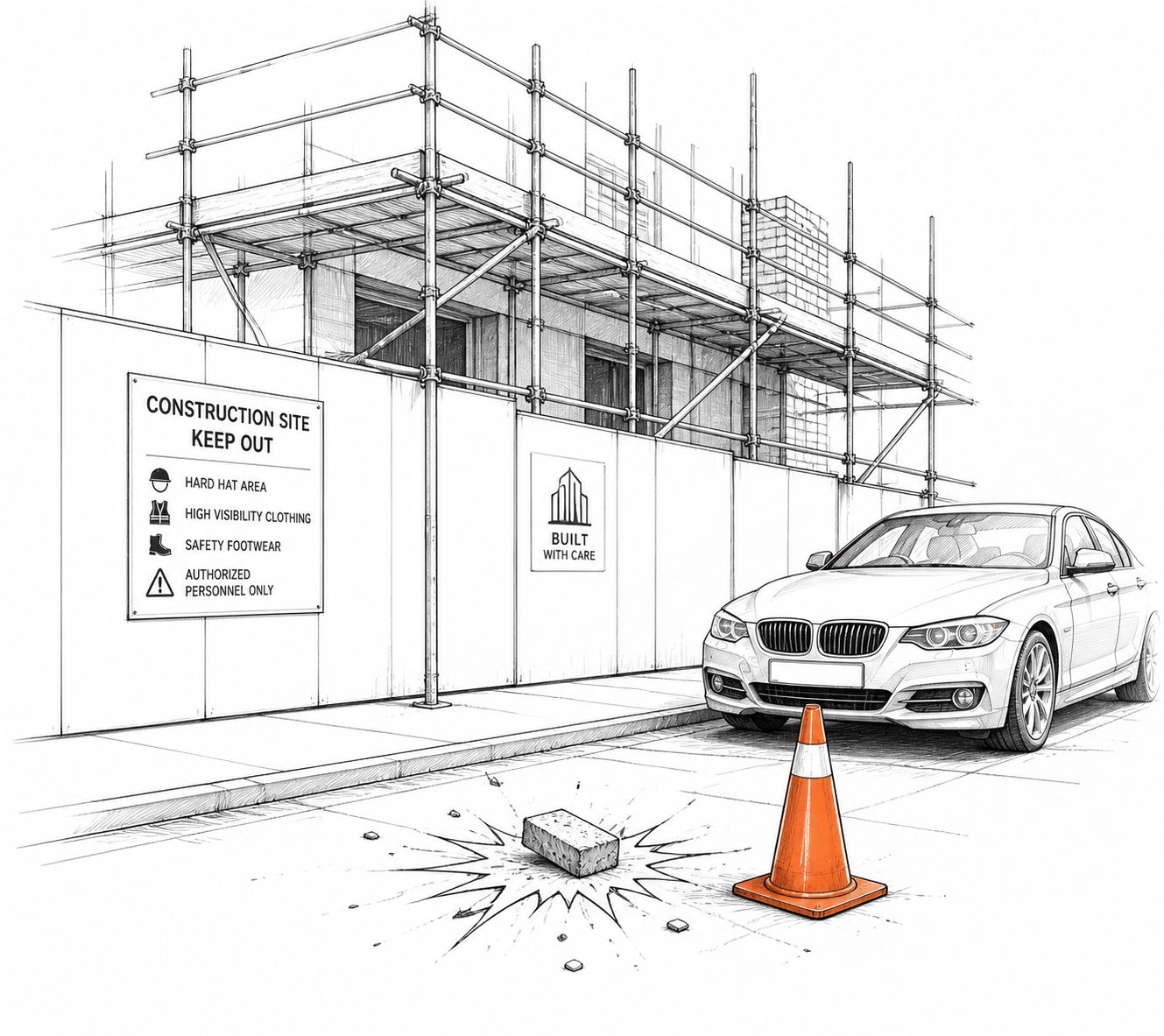
Public Liability is the bedrock of any construction-related insurance policy. In my experience, most contractors understand this one because the risks are so visible. If you drop a brick on a passerby’s car or a visitor trips over a stray cable on your site, that is a PL claim.
Specifically, PL covers you against third-party claims for:
- Bodily injury (to anyone who isn’t an employee).
- Property damage.
- Legal expenses arising from these claims.
For many general tradesmen liability insurance needs, PL is the primary focus. It is designed to protect you from the “oops” moments that happen in the physical world. If your work causes immediate, tangible damage to someone else’s stuff or health, PL is what stands between you and a potentially business-ending payout.
Professional Indemnity: The Protection for Your Expertise
Now, this is where it gets a bit more nuanced. Professional Indemnity isn’t about physical accidents; it’s about the “brain work.” It covers you if a client suffers a financial loss because of your professional advice, design, or specifications.
I’ve spoken to many contractors who say, “I don’t do design, I just build what’s on the plans.” But the reality is often different. If you suggest a change in materials to save the client money, or if you spot an error in the original plans and “fix” it on the fly, you are technically providing a design service.
If those changes later lead to a structural failure or mean the building doesn’t meet regulations, the client won’t be suing you for “property damage” in the traditional sense; they will be suing you for professional negligence. That is a PI issue.
In fact, PI is increasingly becoming a standard requirement for construction contractor insurance because of the rise in Design and Build (D&B) contracts. If you are the main contractor on a D&B project, the client holds you responsible for everything: including the errors made by the architects or engineers you’ve hired. Without your own PI policy, you are effectively self-insuring that risk.
The Key Differences: Occurrence vs. Claims Made
One of the most important things I want to highlight: and this is something that catches a lot of people out: is how these two policies actually trigger.
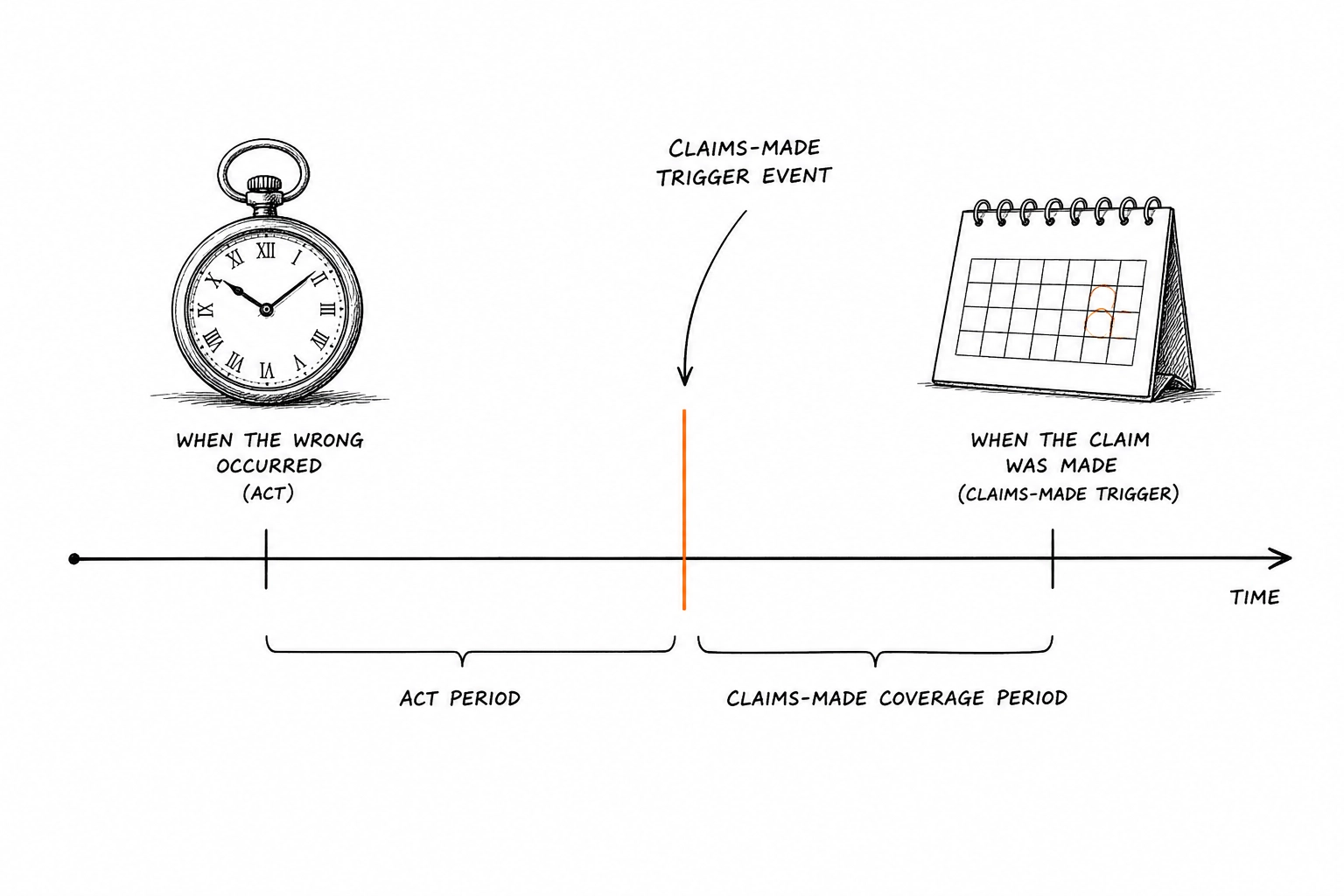
Public Liability is usually an “occurrence-based” policy. This means that as long as you had the policy active on the day the accident happened, you are covered, even if the claim is made years later.
Professional Indemnity, however, works on a “claims-made” basis. This is a bit of a sting in the tail. For a PI policy to cover you, it must be active at the time the claim is made, not just when the work was done. If you finish a project in 2024, cancel your PI in 2025, and get sued in 2026, you have no cover. This is why “run-off” cover is so vital in our industry, but it’s a detail that off-the-shelf insurance websites rarely explain properly.
Why “Both” is Usually the Right Answer
I can see why contractors try to choose one over the other to save on premiums. But the gap between them is where the most expensive lawsuits live.
Consider a scenario where you are installing a specialized HVAC system.
- The PL Scenario: During installation, a pipe bursts and floods the building’s lower floor. Your Public Liability covers the damage to the carpets and the building structure.
- The PI Scenario: You install the system perfectly, but it turns out you specified a unit that is underpowered for the building’s size. The building is too hot to work in, and the client loses weeks of productivity while it’s replaced. There is no “damage” to the building, but there is a huge financial loss. Your PL won’t touch this, but a PI policy would.
As you can see, you aren’t double-insuring; you are covering two completely different avenues of liability. For a more comprehensive look at how these fit into a wider strategy, I often recommend checking out the ultimate guide to business insurance London which goes into detail on the broader landscape for firms operating in the capital.
The Moyak Approach: Why Individual Assessment Matters
At Moyak Insurance Services, we don’t believe in the “one size fits all” approach that you see on price comparison sites. In fact, I think that approach is dangerous for construction firms. A groundworks contractor in Essex has a very different risk profile than a high-end interior fit-out firm in Mayfair.
When we look at your Construction Contractor Insurance, we don’t just ask for your turnover. We want to know:
- Do you have “rights of recourse” against your sub-consultants?
- Are you working under JCT or NEC contracts that mandate specific PI limits?
- Does your work involve “pollution or contamination” risks (which are often excluded from standard PL)?
We take a personal interest because we know that at the end of the day, you aren’t just buying a piece of paper: you’re buying the survival of your business. I’ve seen too many good firms go under because they had “the wrong type” of insurance, even though they were paying high premiums.
Practical Steps for Contractors
If you are looking at your renewals or starting a new project, I’d suggest these three steps:
- Check Your Contracts: Don’t just look at the insurance section. Look at the “Indemnity” and “Design” clauses. If you are responsible for any part of the specification, you almost certainly need PI.
- Audit Your Subbies: If you hire sub-contractors, make sure you check their insurance certificates. If they don’t have PI and they make a design error, the client is coming for you first.
- Talk to a Specialist: Don’t rely on a generic broker who handles shops and takeaways. Construction is high-risk and highly technical. You need someone who understands the difference between a “pure building contract” and “design and build.”
Going forward, the regulatory environment in the UK (especially post-Grenfell and with the Building Safety Act) is only getting stricter. The definitions of “accountable persons” and professional responsibility are expanding. I think that in the next few years, PI will be just as mandatory as PL for almost everyone in the supply chain.
Final Thoughts
So, which is better? Neither. They are the two halves of a complete protection strategy. Public Liability protects your hands and your feet: the work you do on the ground. Professional Indemnity protects your head: the decisions and advice you provide.
If you’re unsure where your current policy leaves you, or if you’ve recently taken on larger contracts that involve more “advice” than “labour,” let’s have a conversation. At Moyak, we prefer the personal touch because we know that every contractor’s “perfect” policy looks a little bit different.