
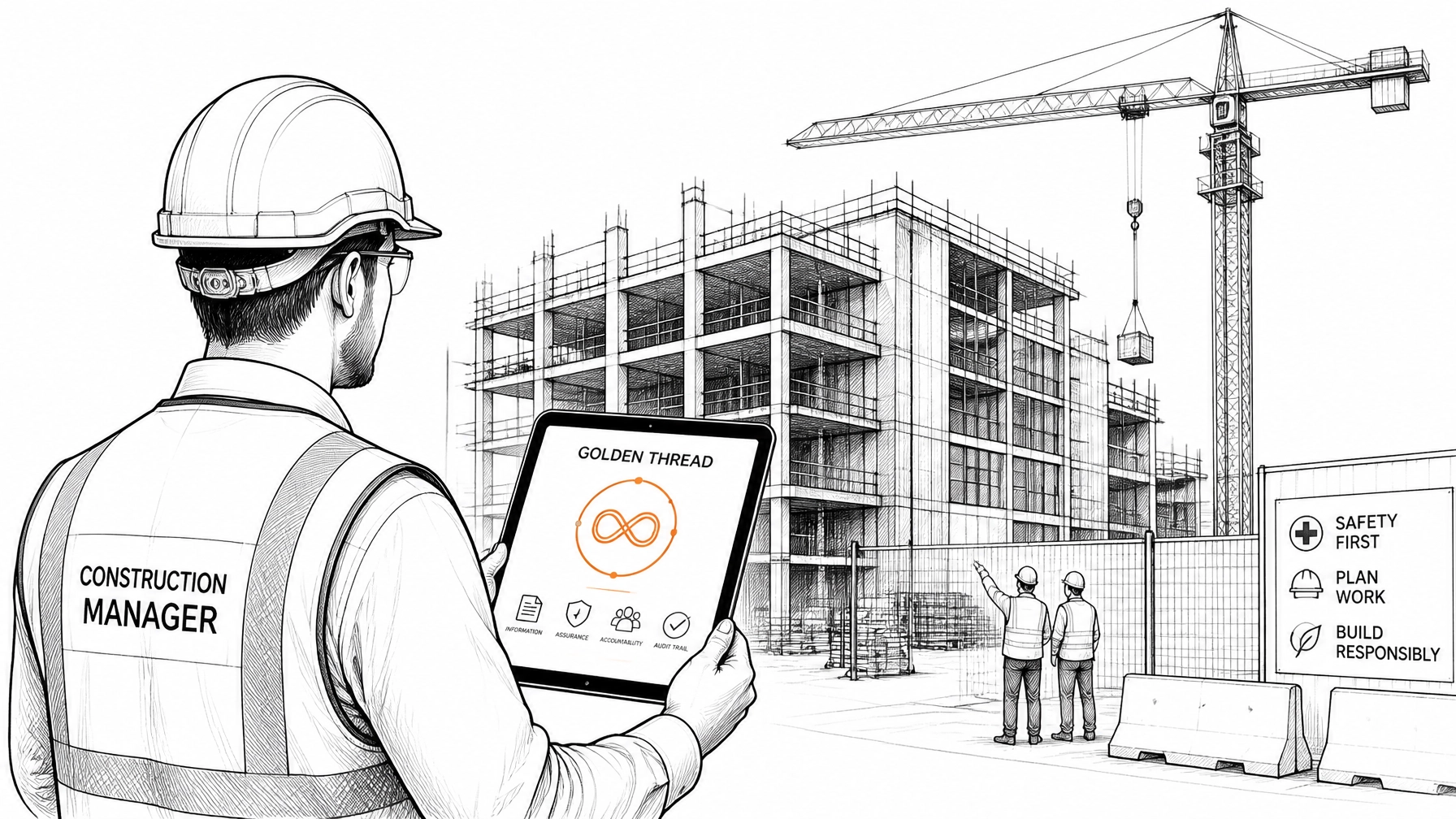
If you’ve been in the construction game for any length of time, you already know that the ground beneath our feet is always shifting, and I’m not just talking about the site prep. In 2026, the insurance landscape for contractors has become more technical and, frankly, more demanding than we’ve ever seen. Between the tightening grip of the Building Safety Act and the rising costs of materials, simply having “cover” isn’t enough anymore. You need the right cover, or you risk leaving your business wide open to some very expensive surprises.
I’ve spent a lot of time recently talking to site managers and business owners across Essex and London. The common theme? People are tired of the paperwork, but they’re even more terrified of a claim being rejected because they missed a new regulation or underestimated their rebuild costs. It’s a tough spot to be in.
Going forward, navigating general contractor liability insurance requires a bit more than a “tick-box” approach. In this guide, I want to share what I’m seeing from the inside, the pitfalls that are catching people out this year and how you can stay ahead of them.
The Gateway Regime: Compliance is the New Currency
The Building Safety Act isn’t a new topic, but in 2026, we are seeing it truly “bed in.” Specifically, the Gateway Regime, those mandatory checkpoints at the design, construction, and completion stages, has changed how insurers look at you.
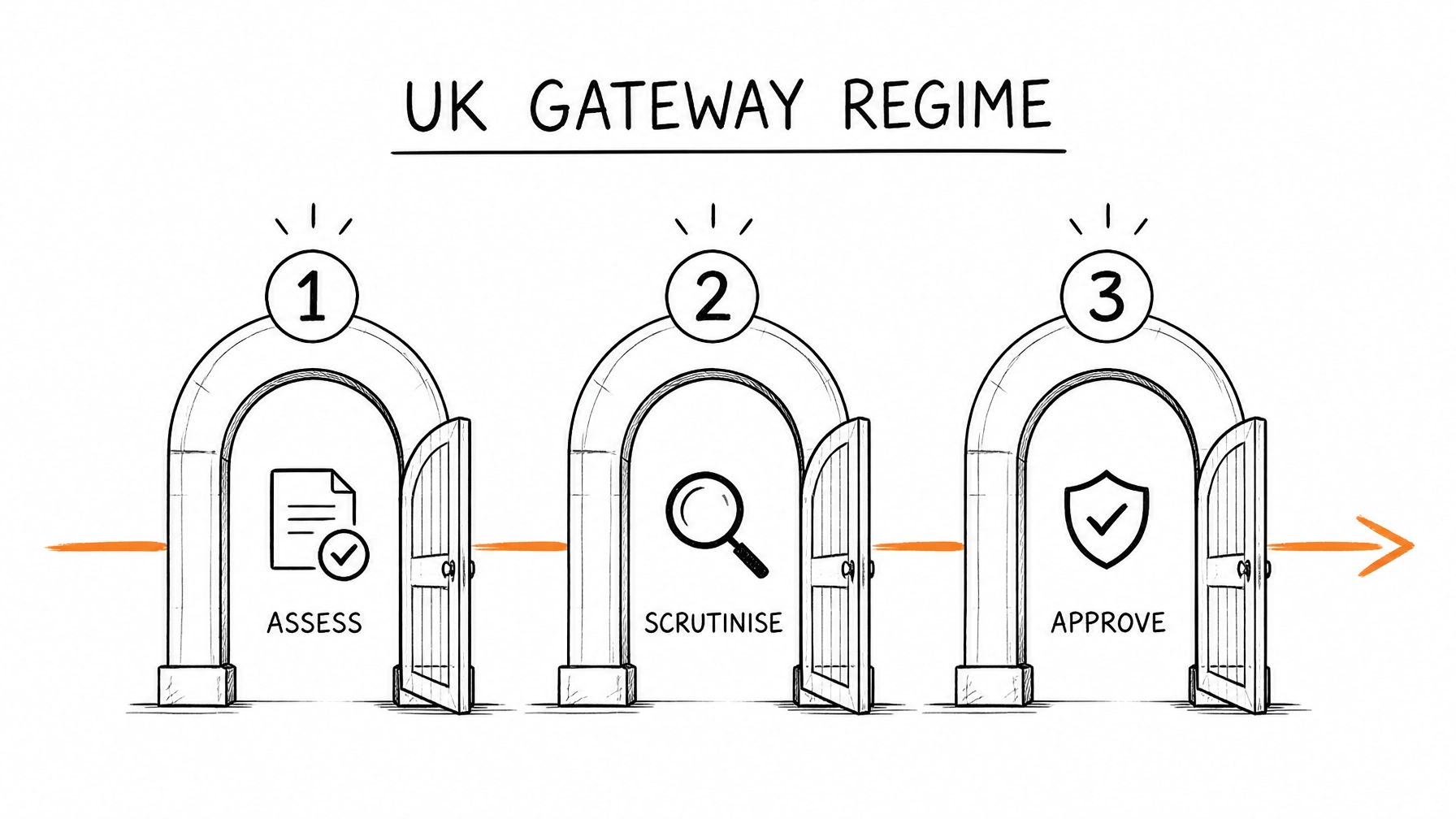
In the past, an underwriter might have been satisfied with a broad overview of your project. Today, they want to see the “Golden Thread.” I can see why it’s frustrating; the amount of documentation required for Gateways 2 and 3 is significant. But from an insurance perspective, that data is your best friend.
Insurers are now using your digital records, your BIM models and change control logs, as evidence of your risk quality. If you can’t prove you’ve met the Gateway requirements, you might find your Professional Indemnity (PI) premiums skyrocketing, or worse, find it impossible to secure commercial combined business insurance for higher-risk buildings.
I think the mistake many contractors make is treating this as a purely regulatory hurdle. In fact, it’s a financial one. The more transparent your documentation is, the more “insurable” you are. If you’re skipping the details on design freezes or late-stage changes, you’re basically waving a red flag at your broker.
The “Sums Insured” Trap: Close Enough is No Longer Good Enough
One of the most common pitfalls I see, and it breaks my heart every time it leads to a reduced claim payout, is the issue of inaccurate sums insured.

We’ve all seen the volatility in material prices and labour costs over the last few years. If you’re still using 2023 or 2024 figures for your “Contract Works” value, you are almost certainly under-insured. If a fire or a major structural failure happens today, the cost to rebuild or repair will be significantly higher than it was even eighteen months ago.
The “Average Clause” is a term I hate having to explain after a loss. Basically, if you insure a project for £1 million but the actual value is £1.5 million, the insurer can reduce your claim payout by the same percentage you were under-insured. So, even a small claim could be cut by a third.
I even spoke to a client recently who thought their policy would just “adjust” automatically. It doesn’t work like that. You have to be proactive. Whether you are looking for general tradesmen liability insurance or large-scale project cover, reviewing your sums insured every six months is the only way to protect your margins.
Water Damage: The Silent Profit Killer on Site
While everyone is (rightly) focused on fire safety and structural integrity due to the new laws, there is a much more frequent visitor that’s causing chaos in 2026: Escape of Water.
Water damage claims have become a massive headache for the industry. On high-rise residential projects or complex retrofits, a single burst pipe or an unmonitored riser can cause millions in damage within hours. I’ve seen projects delayed by months because of water saturating fire-stopping materials that then had to be completely replaced to meet Gateway 3 standards.
In response, insurers have started tightening the screws. We’re seeing higher deductibles specifically for water damage and, in some cases, strict “warranties” in the policy wording. For example, your policy might require you to have automatic shut-off valves or to isolate the water supply every single evening.
If you don’t follow these to the letter, your claim could be denied entirely. It’s not enough to just have the equipment on site; you have to prove you’re using it. I’d recommend making water management a standing item on your site safety briefings. It’s a small change that could save your business a fortune.
The Importance of an Individual Approach
In a market that feels increasingly “computer says no,” I’m a big believer that the relationship you have with your broker is your secret weapon. At Moyak Insurance Services, we’ve always focused on that individual approach because every contractor faces a different set of risks.

For a growing business in Essex or a established firm in London, the “standard” policy rarely covers the nuances of what you actually do. Maybe you’re doing more retrofit work this year, which brings its own set of legacy pipework and structural risks. Or maybe you’re taking on more design responsibility than before.
A good broker won’t just find you a price; they’ll challenge your assumptions. They’ll ask about your water management plan and your “Golden Thread” process because they know that’s what will get the underwriters to say “yes” at a reasonable rate.
Practical Steps for Your Next Project
To wrap this up, I want to leave you with a few practical steps you can take today to avoid these pitfalls:
- Front-load your design: Don’t wait until you’re on-site to resolve design interfaces. Get it frozen early to satisfy both the Gateway Regime and your PI insurer.
- Audit your values: Before starting a new project, double-check your material and labour estimates. If they feel a bit “2024,” they probably are.
- Appoint a “Water Warden”: Give someone the specific responsibility of checking valves and isolation points at the end of every shift.
- Digitise everything: If it isn’t in the digital “Golden Thread,” it basically didn’t happen in the eyes of the law (and your insurer).
The construction industry in 2026 is rewarding those who are disciplined and data-driven. It’s a more professional environment, and while the hurdles are higher, the companies that clear them are the ones that will thrive.
If you’re feeling a bit overwhelmed by the new requirements or you’re worried that your current policy has gaps, let’s have a chat. We help businesses across Essex, Kent, and London secure their investments with an approach that’s as individual as the projects you build.
Staying protected isn’t just about paying a premium; it’s about being prepared for what’s coming next.