
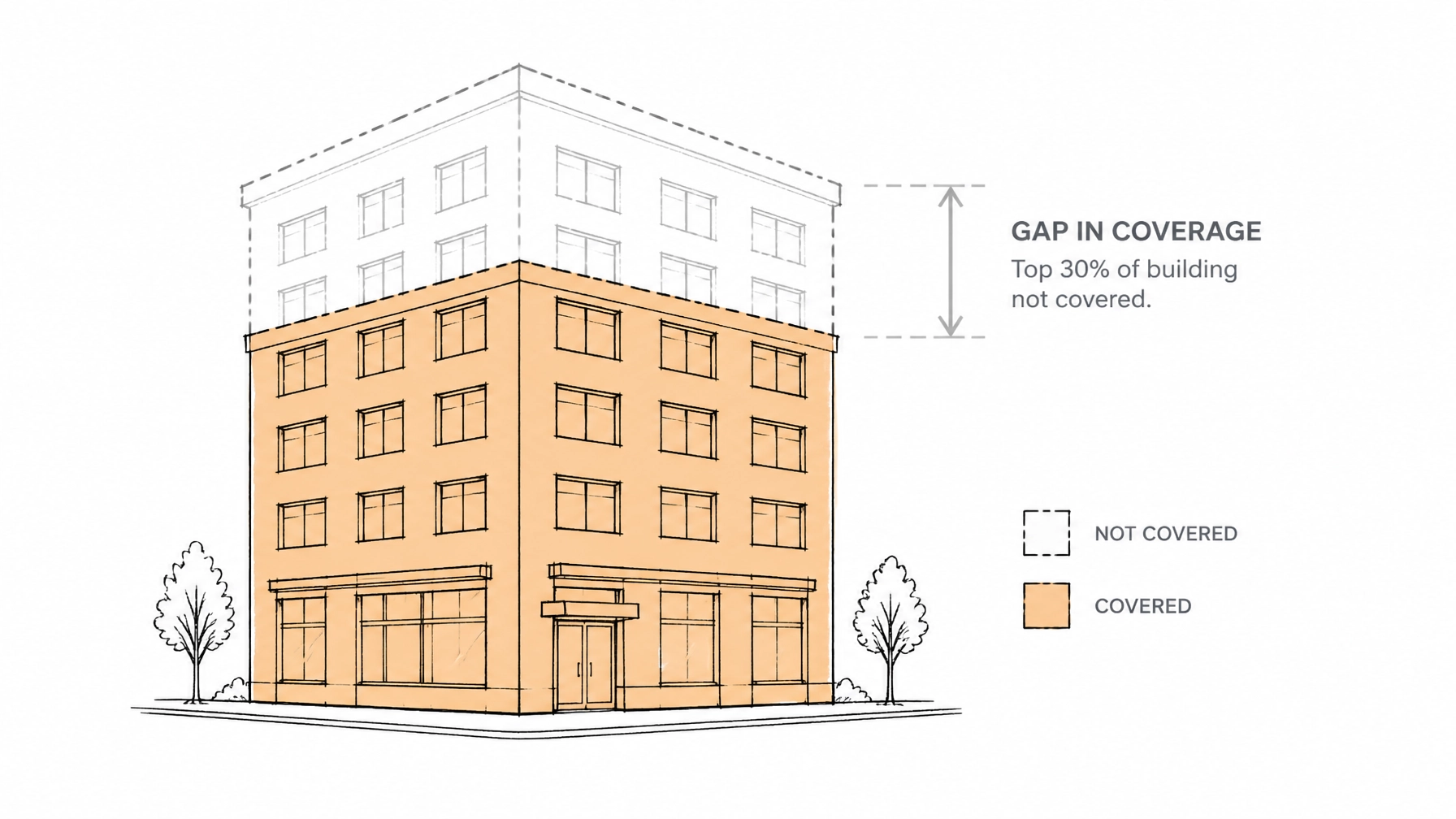
I’ve spent a lot of time talking to business owners across Essex and London lately, and if there is one thing I’ve noticed, it is a sense of quiet confidence. Most people feel that because they have a policy in place, they are protected. They pay their premiums, they have their documents in a folder (or a digital cloud), and they assume that if a fire or a flood happens, the insurer will simply write the check.
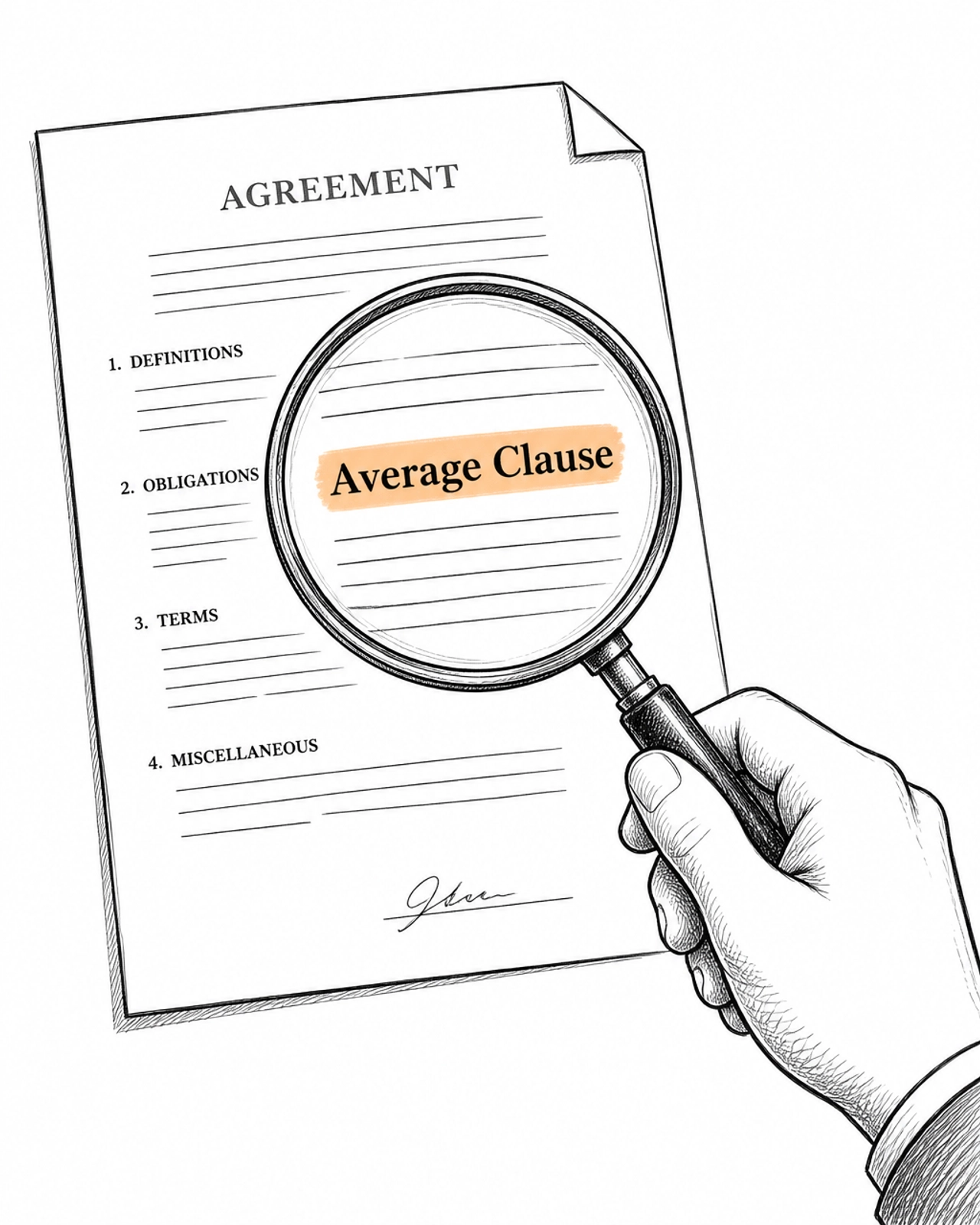
But there is a technicality buried in the fine print of almost every commercial property policy that is catching people out more than ever in 2026. It is called the ‘Average Clause.’
I think of it as a silent threat because you don’t even know it’s there until you try to make a claim. At that point, it’s often too late. I’ve seen cases where a business owner thought they were covered for £1 million, only to find out their insurer is only willing to pay £700,000. And the reason isn’t because the claim was fraudulent, it’s because the business was ‘underinsured’ without even realising it.
What Exactly is the ‘Average Clause’?
In the insurance world, we use the term ‘Average’ in a way that’s a bit different from everyday speech. It doesn’t mean ‘ordinary’ or ‘medium.’ Instead, it refers to a rule that allows an insurer to reduce your payout in direct proportion to how much you’ve underinsured your assets.
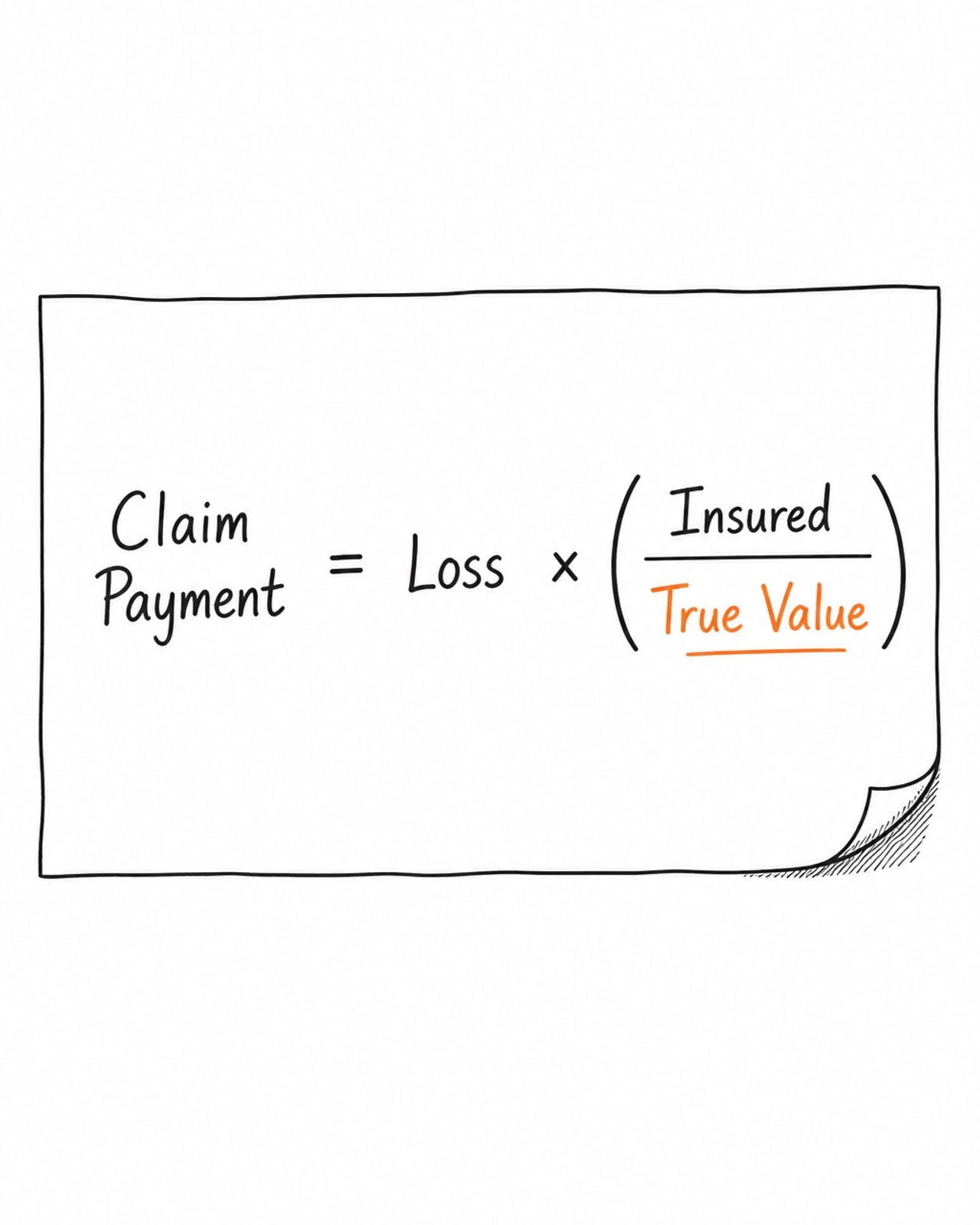
Let’s look at the math, because this is where the trap really bites. If you have a building in Essex that would actually cost £1,000,000 to rebuild from scratch today, but you have it insured for only £700,000, you are only 70% insured.
Most people think, “Well, as long as the damage is less than £700,000, I’m fine.”
That is a dangerous misunderstanding. Under the Average Clause, if you have a fire that causes £100,000 worth of damage, the insurer won’t just pay the £100,000. They will look at the fact that you only insured 70% of the building’s true value and apply that same percentage to your claim. They will pay you £70,000, leaving you to find the other £30,000 out of your own pocket.
I’ve seen this happen even with small business insurance quotes that seemed like a bargain at the time. The ‘saving’ you made on the premium is quickly wiped out by a shortfall in a claim settlement.
The 2026 Reality: Why 2024 Prices No Longer Apply
The reason underinsurance is reaching crisis levels right now is largely down to the sheer speed of inflation in the construction industry over the last few years. I can see why it happens; life moves fast, and reviewing insurance isn’t always at the top of a busy director’s to-do list.
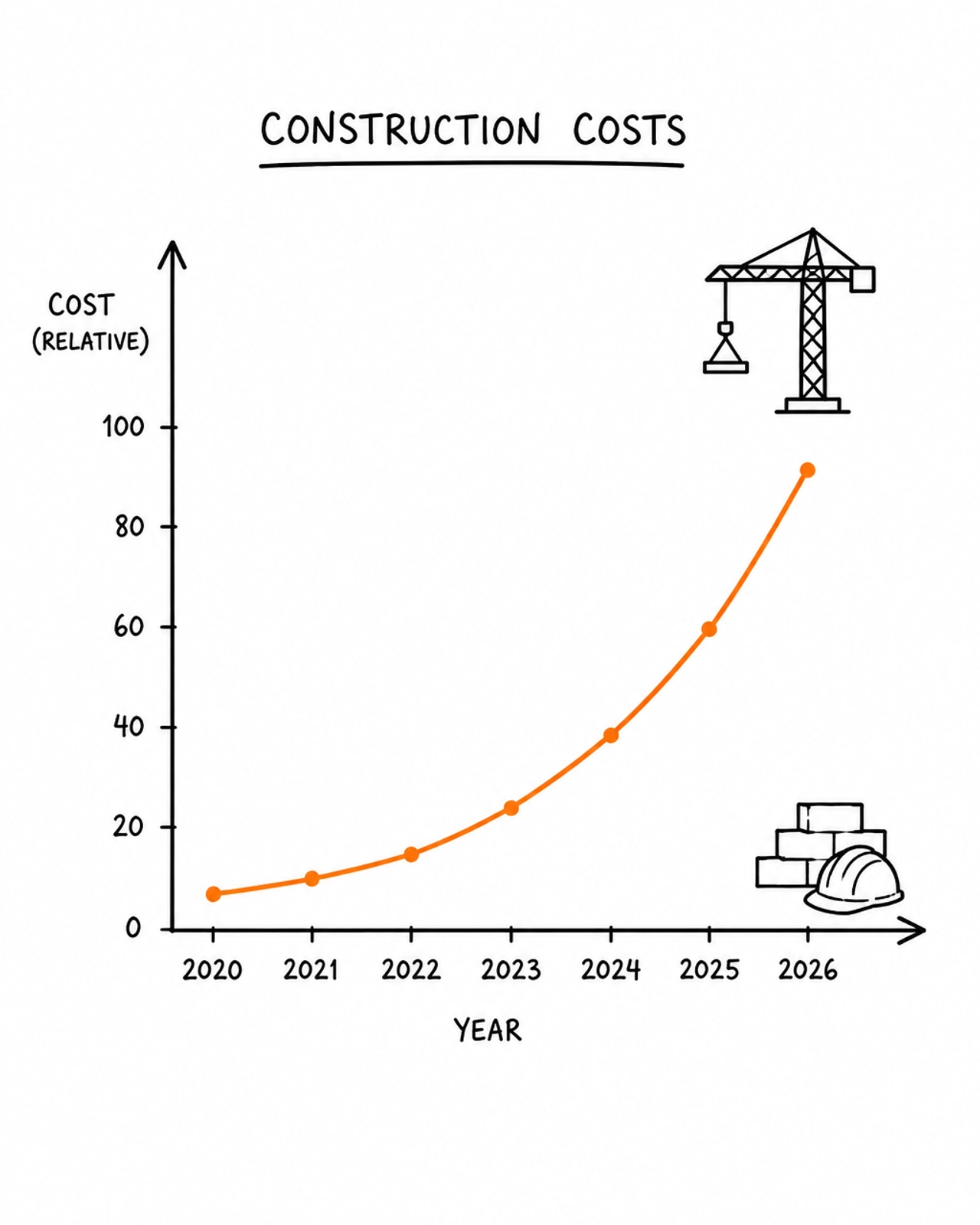
If you last had your property valued in 2023 or 2024, your ‘sum insured’ is almost certainly wrong today. Between 2020 and 2025, rebuild costs in the UK shot up by roughly 30–35%. Even as we’ve moved into 2026, costs have continued to climb, albeit at a slightly slower pace.
Materials like steel, timber, and specialized insulation have seen massive price swings. More importantly, the cost of skilled labour in the Essex and London areas has remained incredibly high. If your warehouse or office burns down tomorrow, you aren’t paying 2024 prices to fix it; you’re paying 2026 prices for labor, debris removal, and modern building regulations compliance.
I even spoke to a client recently who was shocked to find that the cost of professional fees: architects, surveyors, and planning permissions: had nearly doubled in their specific sector. These are all things that must be included in your ‘sum insured.’ If they aren’t, the Average Clause will be triggered.
The Specific Risk for Contractors in Essex
If you are a contractor, the stakes are even higher. I often talk to people about general contractor liability insurance and construction contractor insurance, and the focus is usually on the liability side: what happens if someone gets hurt on site?
But what about the ‘Contract Works’ part of your policy? If you are mid-way through a build and the site is damaged, the cost to restart or repair that work is subject to the same Average Clause. If your project value has increased because of rising material costs, but you haven’t updated your policy limits, you are essentially gambling with your firm’s solvency.
I’ve seen many businesses in the trade think they are covered because they have general tradesmen liability insurance, but they forget to account for the actual value of the materials and plant they have on-site at any given time. In 2026, a site full of materials is worth a lot more than it was two years ago.
Why ‘Index-Linking’ Isn’t a Magic Wand
Many insurers offer ‘index-linking,’ which automatically increases your cover in line with general inflation. This sounds like a great solution, but I think it creates a false sense of security.
Index-linking only works if your starting point was correct. If your initial valuation was 20% too low back in 2024, index-linking will just keep you 20% too low as the years go by. It compounds the error. Furthermore, general inflation indices don’t always reflect the specific costs of a specialized commercial building in the heart of Essex or a high-rise project in London.
Going forward, I believe the only way to be truly safe is to move away from guesswork. You need a Reinstatement Cost Assessment (RCA) from a professional. It might feel like an extra expense, but compared to the hundreds of thousands of pounds you could lose in a claim, it is a very small price to pay.
The Moyak Approach: We Care About Every Client
At Moyak Insurance Services, we don’t just act as a middleman who passes you a quote. We take an individual approach because we know that every business in Essex has different risks. When we talk to a new client about business insurance in Essex, the first thing we look at isn’t the price: it’s the adequacy of the cover.

I’ve seen how devastating it is when a business owner realizes they are their own ‘insurer’ for a massive chunk of a claim. It can be the difference between a business bouncing back or going under. That is why we work with the UK’s leading master insurance brokers to ensure your budget is used effectively. We would much rather you pay a slightly higher premium for a policy that actually pays out, than a cheap premium for a policy that leaves you stranded.
Practical Next Steps for Your Business
I don’t say all this to cause alarm, but to encourage pragmatic realism. The world has changed since 2024, and your insurance needs to catch up.
If you haven’t reviewed your building or stock valuations in the last 12 months, you are likely at risk. Here is what I recommend you do:
- Check your policy schedule: Look for the term ‘Average’ or ‘Underinsurance.’
- Review your sums insured: Don’t just look at the premium. Look at the total amount the insurer thinks it would cost to rebuild your premises. Does that number feel realistic for 2026 labor and material costs?
- Don’t forget the extras: Ensure your valuation includes site clearance, professional fees, and any VAT that might be irrecoverable.
- Speak to an expert: Don’t rely on an online calculator that doesn’t understand the local Essex market.
At Moyak Insurance Services, we offer a free valuation review for businesses in Essex, Kent, and London. We can help you look at your current cover and determine if you’ve fallen into the ‘Average Clause’ trap.
Don’t wait for a claim to find out you’re underinsured. Let’s make sure your business is actually protected, not just ‘insured’ on paper.
Contact Moyak Insurance Services today for a free review of your commercial property valuations.