

I’ve spent a lot of time on site visits lately, particularly across the developing corridors of Essex and the dense construction zones of East London. If there is one thing I have noticed, it is that the margin for error has never been thinner. Between rising material costs and increasingly complex safety regulations in 2026, a single oversight can be the difference between a successful project and a financial disaster.
Choosing the right General Contractor Liability Insurance isn’t just about ticking a box for a local authority or a main contractor; it’s about ensuring that the business you’ve built: and the reputation you’ve earned: stays protected. In this guide, I want to walk you through the landscape of construction contractor insurance, compare the essential covers, and explain why the “cheapest quote” often ends up being the most expensive mistake a contractor can make.
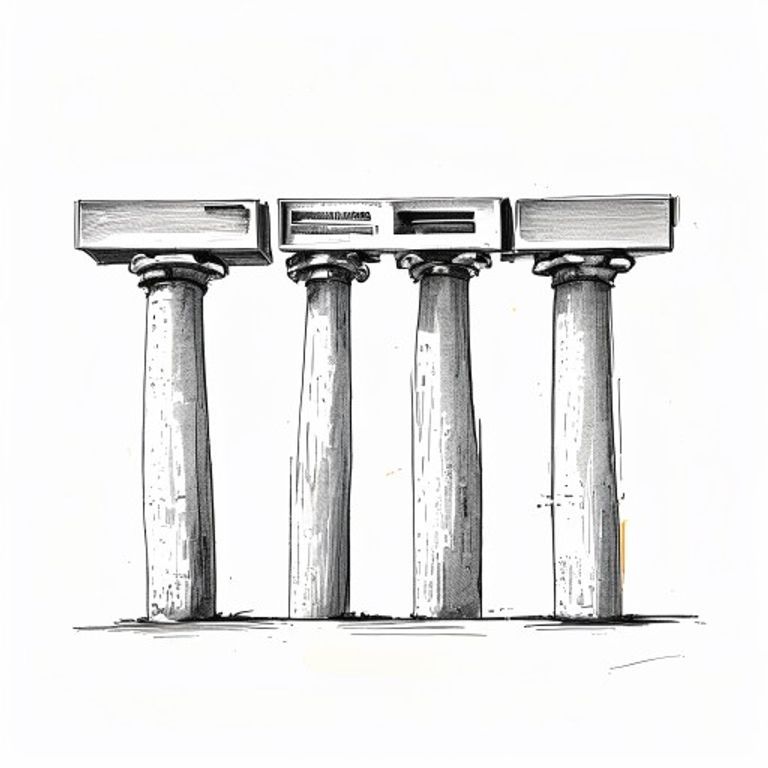
The Three Pillars of Construction Contractor Insurance
When I sit down with a client at Moyak Insurance Services, I usually start by breaking the cover down into three distinct pillars. While many “off-the-shelf” policies bundle these together, it is vital to understand what each one does: and doesn’t: do.
1. Public Liability (PL)
This is the bedrock of any Construction Contractor Insurance policy. It covers you if a member of the public is injured, or their property is damaged, as a result of your work.
In London, where foot traffic is high and properties are packed tightly together, I usually recommend a minimum of £5 million in cover. A simple incident: like a tool falling from a scaffold or a trip hazard on the pavement: can easily exceed a standard £1 million policy limit once legal fees and London property valuations are factored in.
2. Employer’s Liability (EL)
If you have anyone working for you: whether they are full-time employees, apprentices, or even certain types of subcontractors: EL is a legal requirement in the UK. It protects you against claims made by staff who are injured or become ill because of their work. The standard limit is usually £10 million, but it’s the fine print regarding “bona-fide subcontractors” vs “labour-only subcontractors” where I see most contractors get tripped up.
3. Professional Indemnity (PI)
This is often overlooked by general contractors who think, “I’m a builder, not an architect.” However, if you provide any design input or professional advice (even informally as part of a design-build contract), you are exposed. PI covers you for claims of negligence regarding your professional services or advice.
Comparing Your Options: Off-the-Shelf vs. Broker-Led
In the digital age, it’s tempting to head to a comparison site, punch in your trade, and pick the first “green button” quote. While this might work for a solo handyman, for a general contractor managing multiple sites and crews, it’s a gamble.
The Problem with Comparison Sites
Generic policies are built for the “average” business. But in my experience, no two contracting firms are truly average. These automated platforms often miss the nuances of your work, such as:
- Depth limits: Are you covered for groundworks below a certain depth?
- Height limits: Does your policy cut out at the third floor?
- Hot work: Is there a strict “hot work permit” warranty you aren’t aware of?
The Moyak Approach
At Moyak Insurance Services, we take an “Individual Approach.” We don’t just sell you a policy; we act as your advocate. We work with the UK’s leading master insurance brokers to access wholesale markets that comparison sites simply cannot reach. This allows us to find bespoke Commercial Combined Business Insurance that fits your specific risk profile, often at a price point that surprises our clients.
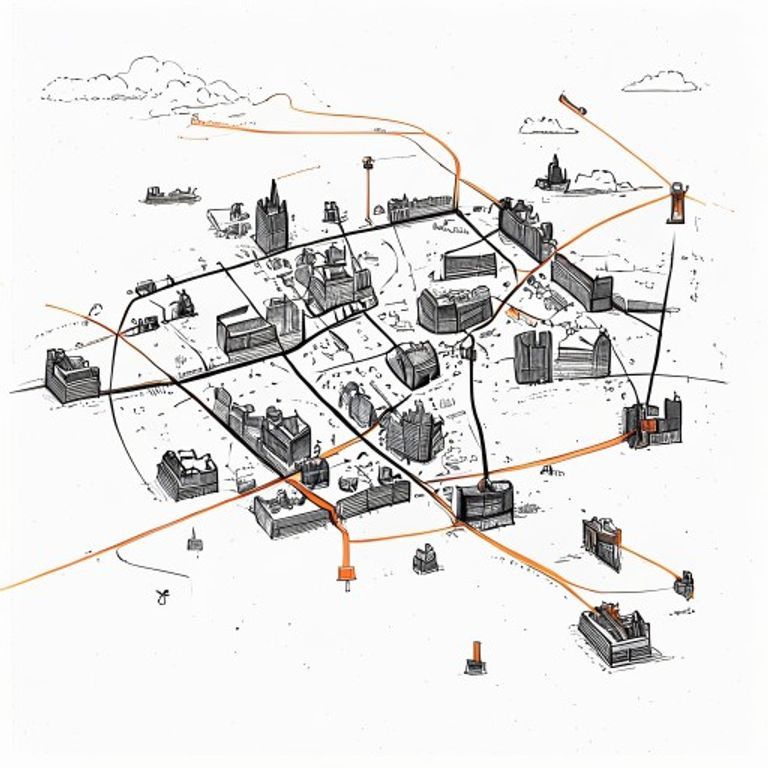
Why Location Matters: The Essex and London Corridor
Operating as a business insurance broker in Essex, Kent, and London gives us a unique perspective on regional risks.
In London, the challenges are often related to density and high property values. We frequently deal with “Non-Negligent Liability” (6.2.1) insurance for our London clients, which covers damage to neighbouring properties where no negligence is proven: a common occurrence in tight London terrace developments.
In Essex, we see more variety, from large-scale residential developments to rural commercial units. Here, the risks might involve access issues or specific environmental factors.
Regardless of where the site is, I always warn my clients about the Average Clause Trap. If you under-insure your plant, machinery, or the contract works themselves, the insurer can reduce your claim payout proportionately. In a period of high inflation, keeping your sums insured accurate is more important than ever.
How to Choose: A Practical Checklist
If you are reviewing your general contractor liability insurance today, here is the process I recommend:
- Define Your Maximum Contract Value: Your policy needs to cover the full value of your largest project, not just the “profit” or the “materials.”
- Audit Your Subcontractors: Ensure you know exactly who is “labour-only” (covered by your EL) and who is “bona-fide” (must have their own PL).
- Check Your Height and Depth Limits: If you’re a general contractor, you might occasionally take on a project that exceeds your standard policy limits. Don’t assume you are covered for that 15-meter roof job if your policy stops at 10 meters.
- Review Professional Advice: If you are helping clients with layouts, material choices, or structural suggestions, make sure PI is included in your package.
- Seek a Consultation, Not a Quote: A quote is a number; a consultation is a strategy.
Final Thoughts: The Value of Care
I believe the insurance industry has become too transactional. At Moyak, we still believe in the personal touch. When you call us, you aren’t put through to a call centre; you talk to people who understand the construction industry and care about every client’s future.
Choosing the right insurance shouldn’t feel like a chore: it should feel like building a safety net that allows you to take on bigger and better projects with confidence. If you’re based in Essex or London and want to make sure your cover is actually doing its job, I’m always happy to take a look at your current policy and offer some pragmatic advice.

Going forward, the contractors who thrive will be those who treat their insurance as a strategic asset rather than a sunk cost. Let’s make sure you’re one of them.