
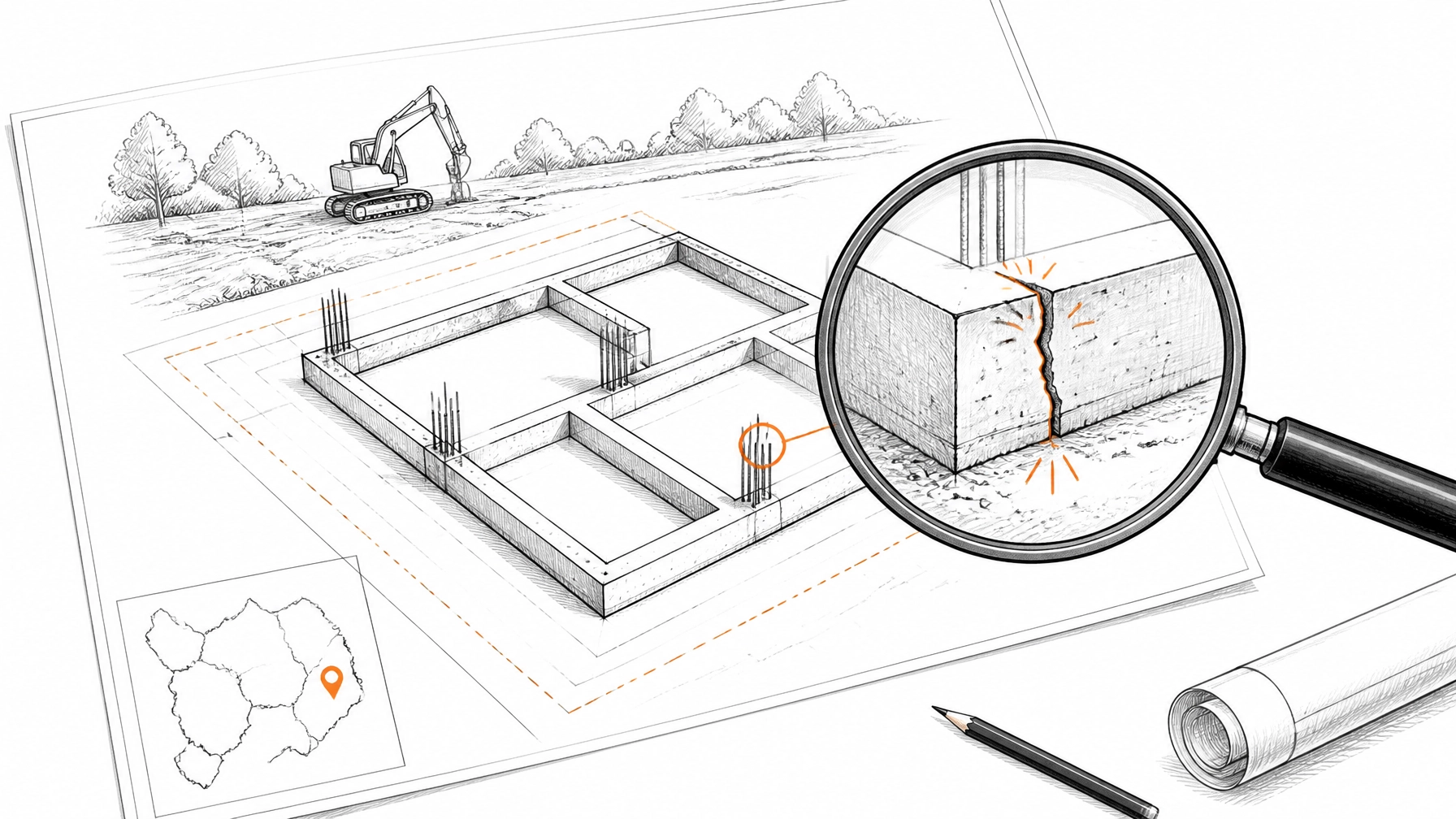
If you are running a construction or trade business in Essex, you probably think your insurance is a safety net. You pay your premiums, you get your certificates, and you move on with the job. But in my experience, many local business owners only find out their insurance is “broken” when they actually try to use it.
I’ve seen it happen far too often in towns like Chelmsford, Southend, and Colchester. A contractor has a fire on-site or a theft of expensive plant, and when the loss adjuster arrives, the payout is only a fraction of what was expected. It isn’t always because the insurer is being difficult; often, it’s because the policy was doomed to fail from the day it was signed.
Here are 10 reasons why your Business Insurance in Essex might not be working for you, and how you can fix it before the next big claim hits.
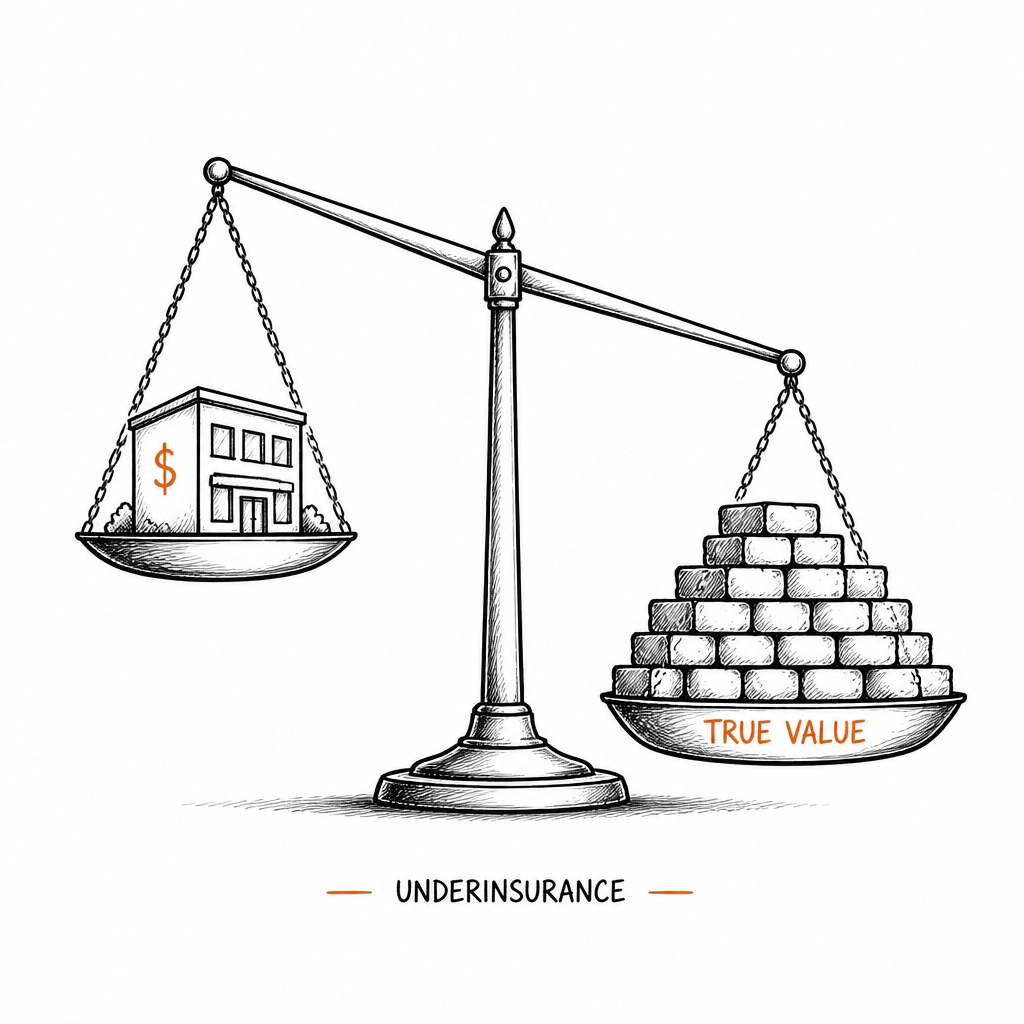
1. The Underinsurance Trap (The Average Clause)
This is the single biggest issue I see in the construction sector today. Underinsurance happens when you tell your insurer your assets: like your buildings, tools, or contract works: are worth less than they actually are.
Why does this matter? Most policies contain an “Average Clause.” If you insure your plant for £50,000 but the true replacement value is £100,000, you are 50% underinsured. If you then make a claim for a £10,000 theft, the insurer will only pay you £5,000 (50% of the claim). They argue that because you only paid for half the cover you needed, they will only pay half the claim.
2. Ignoring the “London Clay” Factor
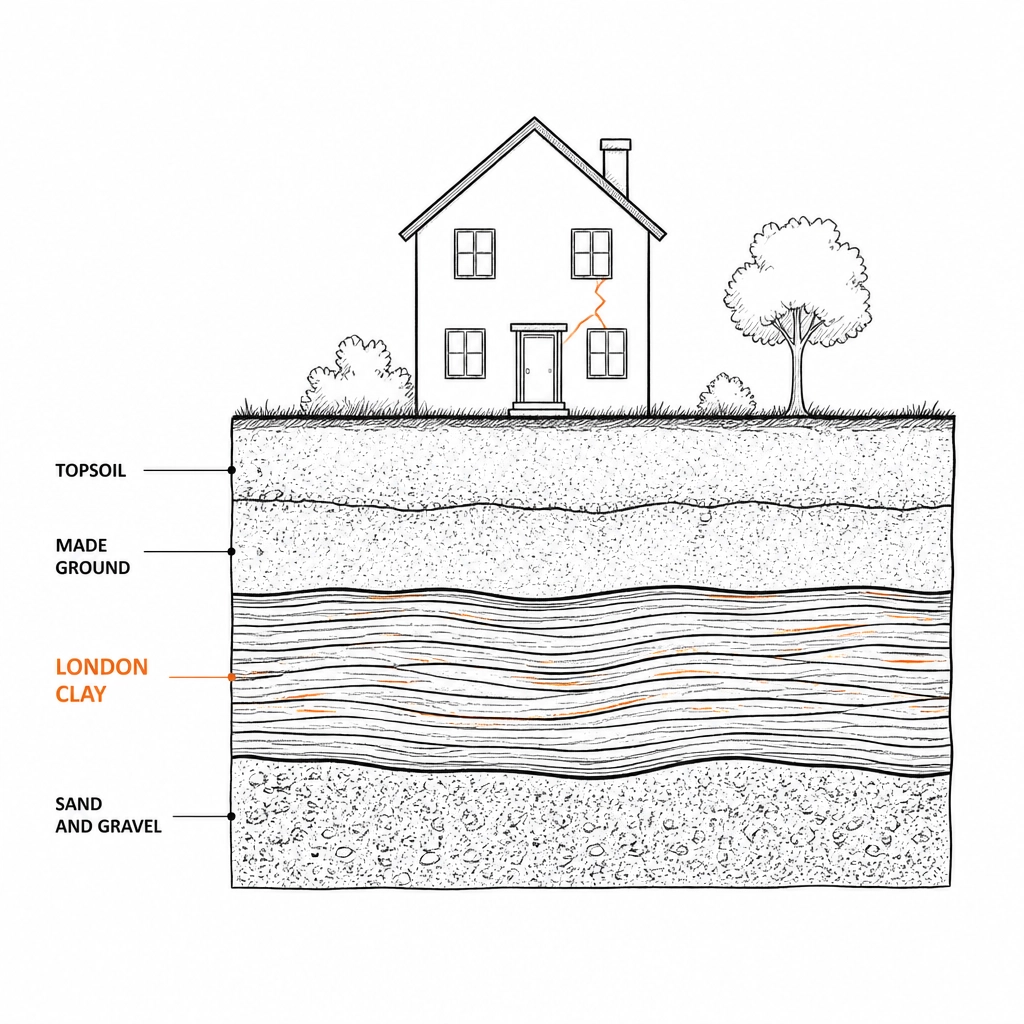
If you’re working in Essex, you’re likely working on London Clay. This soil is notorious for its “shrink-swell” properties. In hot summers, it shrinks; in wet winters, it heaves. This leads to subsidence and foundation issues that are far more common here than in other parts of the UK.
Many generic Construction Contractor Insurance policies have strict exclusions or massive excesses regarding ground movement. If your policy hasn’t been tailored to account for the specific geotechnical risks of the Essex landscape, you might find yourself footing the bill for a structural failure that you thought was covered.
3. Using “Off-the-Shelf” Policies for Specialist Trades
I can see why people do it. A quick search online for “cheap business insurance” brings up dozens of results. But if you’re a specialist groundworker, a basement specialist, or someone doing complex general contractor work, a generic policy won’t cut it.
These standard policies often have “depth limits” or “height limits” buried in the fine print. If you’re digging a basement 4 metres deep but your policy limits you to 2 metres, you effectively have no cover for that job. It’s vital to ensure your broker understands the actual day-to-day reality of your trade.
4. Inadequate Public Liability Limits
Essex is home to some high-value property developments. If you’re working on a multi-million-pound home in Brentwood or a commercial site in London, a standard £1 million Public Liability limit is rarely enough.
In fact, many main contractors now demand £5 million or even £10 million as a minimum. If your insurance doesn’t match the contract requirements of the job you’ve just won, you won’t just be under-covered: you might be in breach of contract before you even break ground.
5. “Escape of Water” in Modern Construction
In recent years, “Escape of Water” (EOW) has become one of the most expensive claim types for insurers. With the rise of high-end plumbing systems and multi-story apartment blocks in our local towns, a single burst pipe during the construction phase can cause hundreds of thousands of pounds in damage.
If your policy has a high EOW excess or specific “testing and commissioning” conditions that you haven’t followed to the letter, your claim could be denied. I think it’s essential to review these conditions every time you start a new project with significant plumbing works.
6. Miscalculating Professional Indemnity
Do you ever give advice or make design suggestions? Even if you aren’t an architect, many Essex contractors are now taking on “Design and Build” responsibilities. If you suggest a specific material or a way to tackle a foundation problem on London Clay, you are technically providing a professional service.
Standard liability insurance covers “tangible” damage (like dropping a brick on someone), but it doesn’t cover “financial loss” caused by bad advice. For that, you need Professional Indemnity insurance. Without it, a design error could bankrupt a small firm.
7. Failure to Declare Hazardous Activities
I spoke to a contractor recently who didn’t realise that “Heat Work” (using blowtorches, grinders, or welding equipment) required a specific permit and declaration on their policy. If a fire starts because of a spark and you haven’t followed the “Heat Warranty” conditions in your policy, the insurer is very likely to walk away.
The same applies to working near railway lines, airports, or power stations. If you’re working near the Stansted flight path or Southend Airport, there are specific “Airside” risks that need to be declared.
8. The “Hired-In Plant” Pitfall
Many Essex construction firms rely on hired-in plant. You might assume the hire company’s insurance covers the digger, but that’s rarely the case. You are usually responsible for the machinery from the moment it’s dropped off until it’s picked up.
If a £60,000 excavator is stolen from a site in Basildon and you don’t have “Hired-In Plant” cover as part of your tradesmen liability insurance, you are personally liable to the hire company for the full replacement value: plus the “loss of hire” charges while they wait for a replacement.
9. Outdated Asset Valuations
Inflation hasn’t just hit the supermarket shelves; it has skyrocketed the cost of building materials and labour. If you haven’t updated your “Sum Insured” in the last two years, you are almost certainly underinsured.
Going forward, I recommend a formal valuation of your business assets every 12 months. It might feel like an administrative chore, but in the event of a total loss fire, that updated figure is the difference between rebuilding your business and losing everything.
10. Poor Claims Advocacy
Finally, the reason your insurance might not be working is that you’re dealing with an algorithm rather than a person. When a claim happens, you need someone who understands the local context and the technicalities of the trade.
Buying insurance through a generic portal often means you’re on your own when things go wrong. A dedicated broker acts as your advocate, translating the insurance jargon and fighting your corner with the loss adjuster to ensure you get a fair payout.
How to Fix the “Broken” Insurance
The “Underinsurance Trap” and these regional risks don’t have to be a threat to your business. It starts with a simple shift in perspective: insurance isn’t a tax you have to pay; it’s a tool that needs to be sharp.
I think the best next step for any Essex business owner is to perform a “gap analysis.” Look at your current projects, look at the soil you’re digging in, and look at the actual replacement cost of your kit. If there’s a mismatch, it’s time to fix it.
At Moyak Insurance Services, we specialise in the Essex construction and trade market. We know the clay, we know the local risks, and we know exactly how to avoid the “Average Clause” from biting our clients. Don’t wait for a claim to find out your insurance isn’t working.
Post Details:
- Publish Date: Tuesday, 9 June 2026, 6:00 PM
- Category: Blog
- Joomla Alias: 10-reasons-your-business-insurance-in-essex-isnt-working-and-how-to-avoid-the-underinsurance-trap