
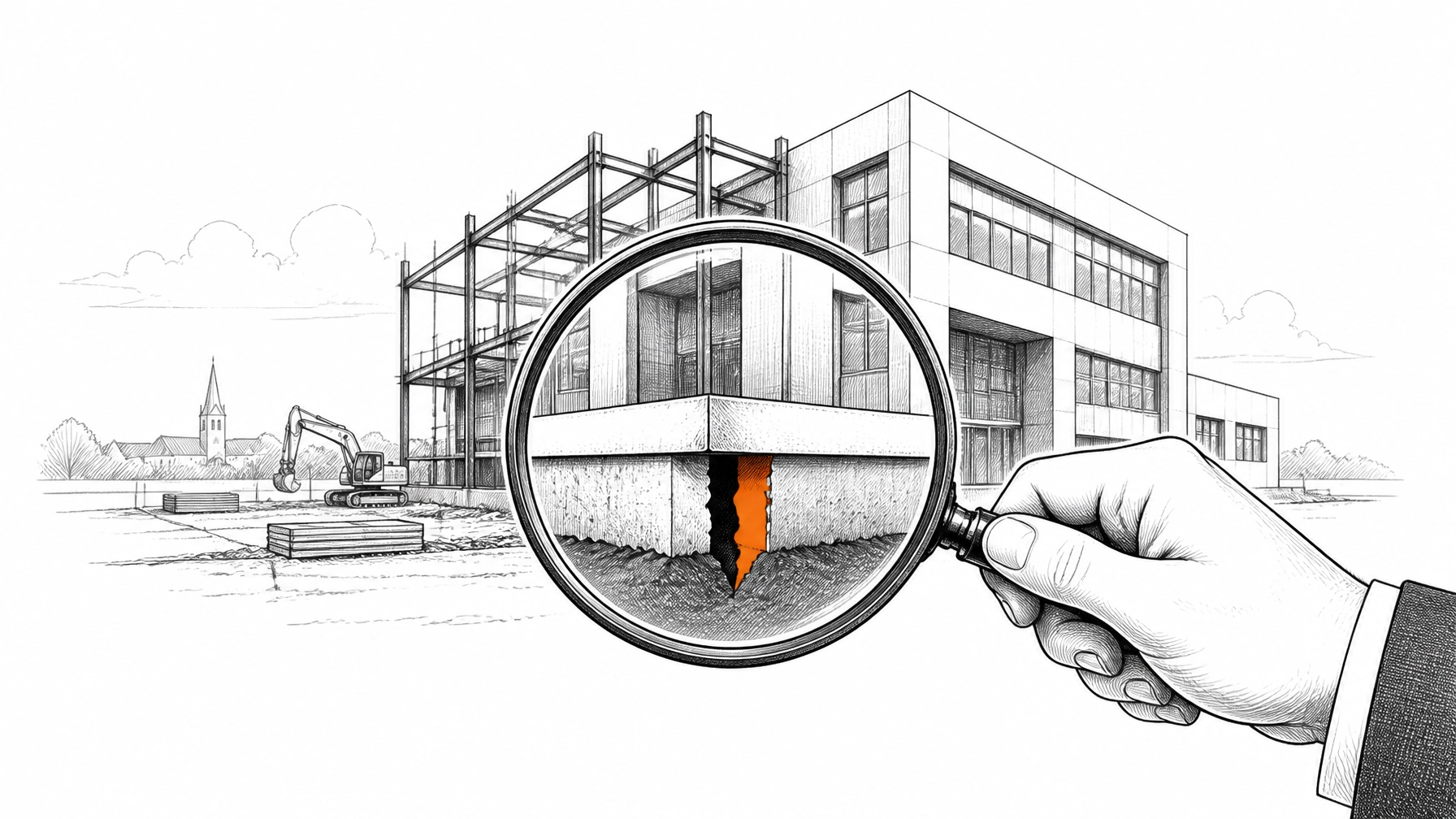
I’ve sat across the desk from many business owners in Essex and London who have just suffered a major loss: be it a fire at a yard or a significant theft of plant machinery. They feel a sense of relief knowing they have a policy in place. But that relief often turns to frustration, or even despair, when the loss adjuster comes back and says the insurer is only going to pay out 70% of the claim.
The question “is underinsurance bad?” might seem like it has an obvious answer, but the reality is much more nuanced. Underinsurance isn’t just about “not having enough cover”; it’s a systemic risk that can lead to total business failure. In fact, going forward into late 2026, we are seeing more claims being reduced due to underinsurance than ever before.
Whether you are looking for Business Insurance Essex or managing large-scale projects in the capital, understanding these five reasons why your policy might not pay out in full is essential for your survival.
1. The Math Trap: The Dreaded “Average Clause”
Most property and business insurance policies contain something called the Average Clause. This is the single biggest reason why business owners find themselves out of pocket after a claim.
In simple terms, if you insure your property for £700,000 but the true cost to rebuild it is £1,000,000, you are 30% underinsured. If you then suffer a partial loss: say, a small fire that causes £100,000 of damage: the insurer will apply that 30% “average” to your claim. They won’t pay the £100,000; they will only pay £70,000.
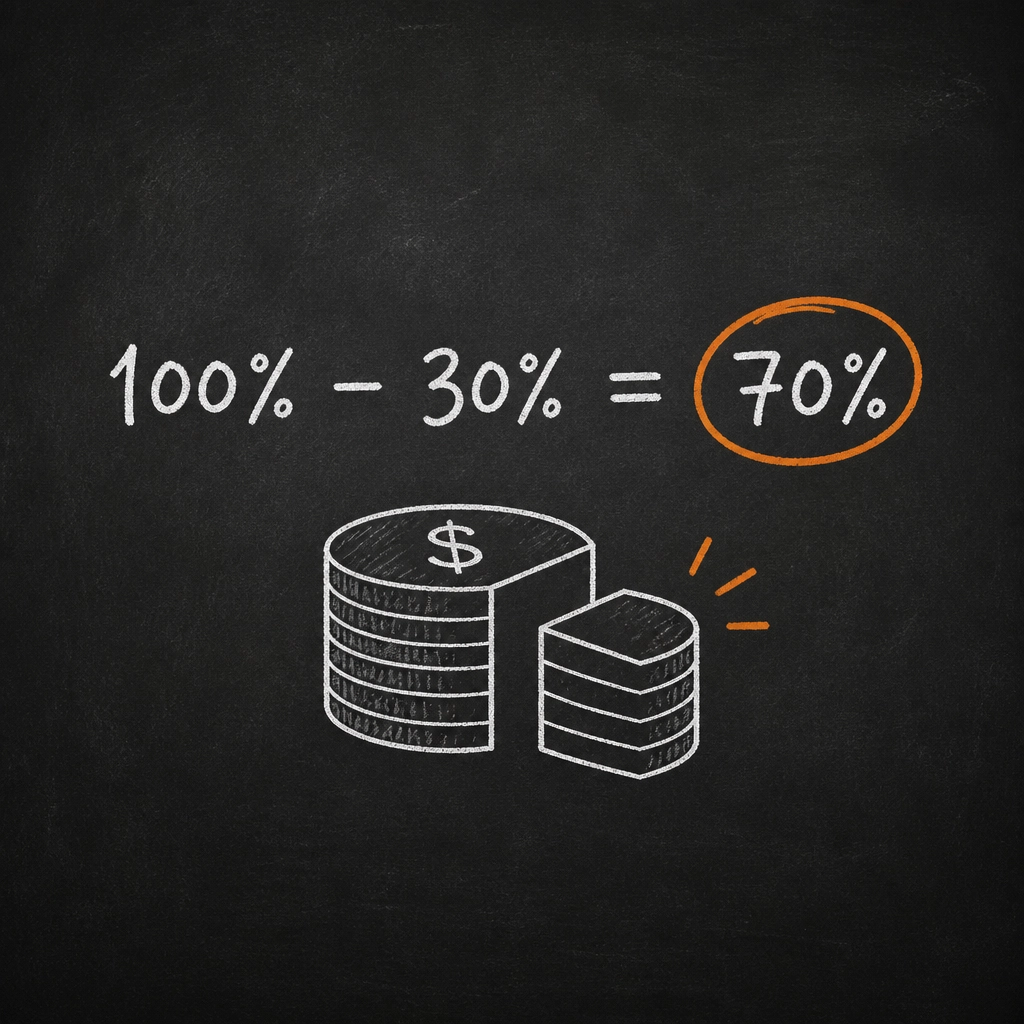
I’ve seen contractors assume that because they have “up to” a certain limit, any claim below that limit is safe. That is a dangerous misconception. The Average Clause applies to every single penny of the claim. You effectively become your own “co-insurer” for the missing 30%, which can be a death sentence for your cash flow.
2. The Inflation Gap: Rebuild Costs Are Skyrocketing
We are currently seeing a massive shift in rebuild costs across the UK. For a Construction Contractor Insurance policy to be effective, the “sum insured” must represent the cost of rebuilding from scratch, not the market value of the building.
By mid-2026, baseline rebuild costs for standard construction in the South East are often exceeding £1,750 per square metre. If your policy is based on valuations from two or three years ago, you are almost certainly underinsured. Material costs, labour rates, and even the cost of clearing a site after a fire have all surged.
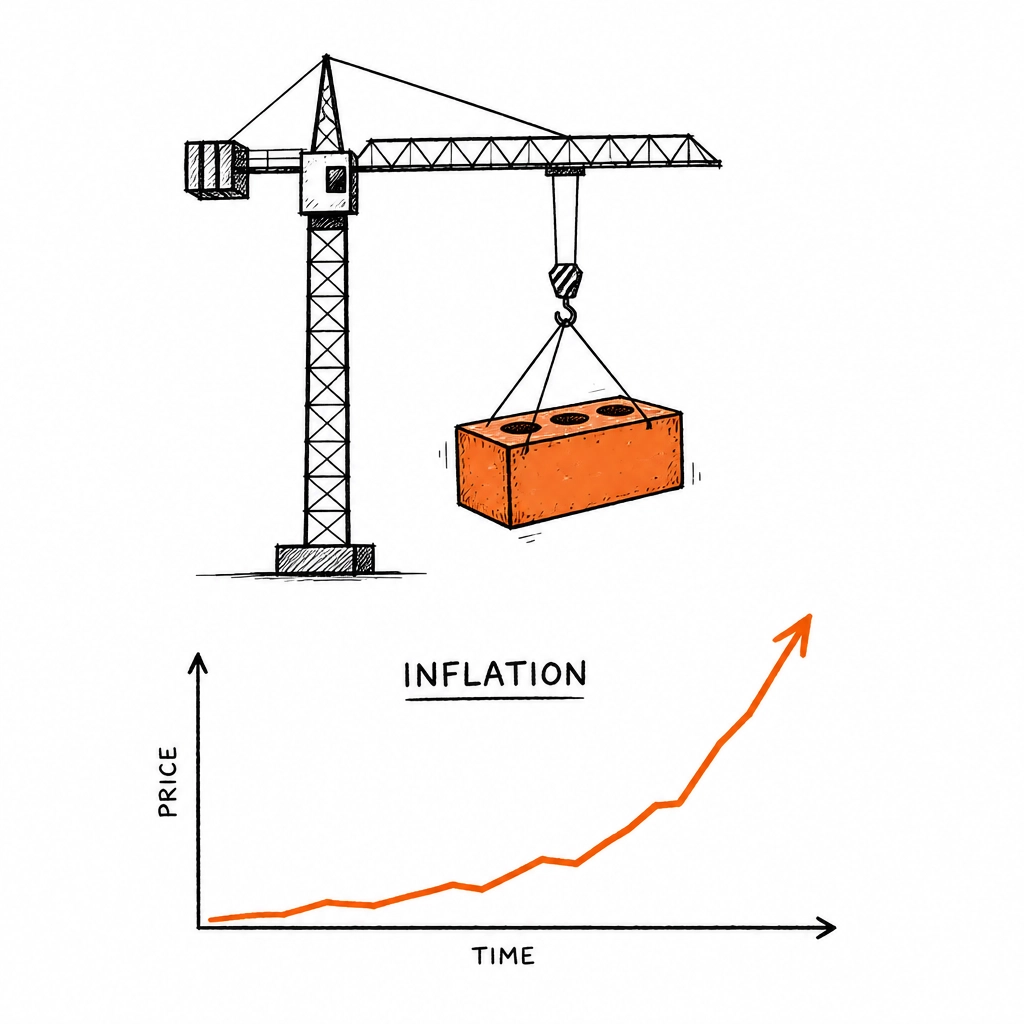
When we act as a broker for Business Insurance London, we often find that city-centre projects have even higher cost profiles due to access issues and specialist labour requirements. Failing to account for these inflationary pressures means your “safety net” has a massive hole in it.
3. The Contractual Trap: Liability Limit Gaps
Underinsurance isn’t just about physical property; it’s also about your General Contractor Liability Insurance. I recently spoke to a contractor who had a standard £5 million Public Liability limit. They took on a new contract in Essex that required a £10 million limit.
They signed the contract but forgot to update their insurance policy. When an accident occurred involving a third party, the claim exceeded £7 million. Because their policy was capped at £5 million, the business was personally liable for the remaining £2 million.
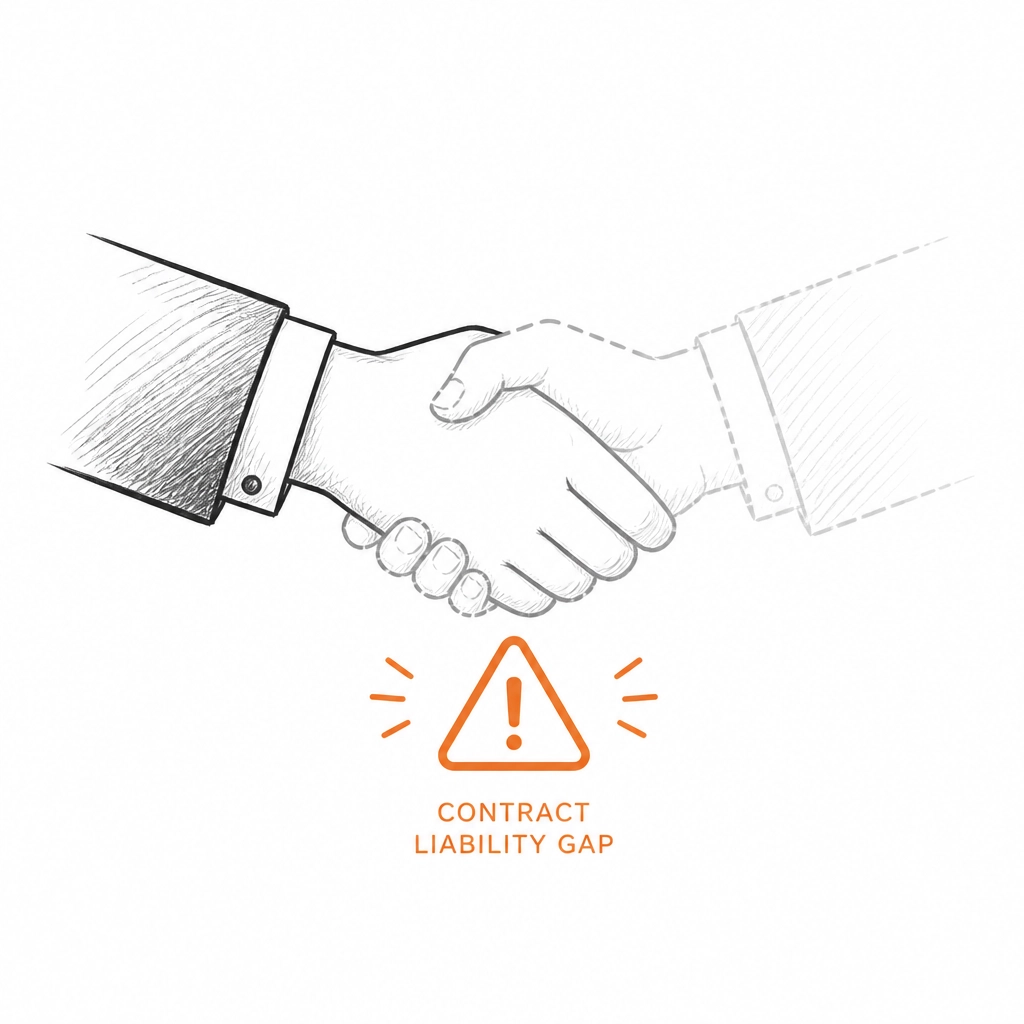
In the construction world, contracts are getting more complex. Design-and-build obligations, “fitness for purpose” clauses, and liquidated damages for delays can all create liabilities that far exceed a standard policy’s limits. If your insurance doesn’t mirror your contractual obligations, you are effectively flying blind.
4. The Missing Tools: Plant and Equipment Undervaluation
For many tradesmen and contractors, their tools and plant are their livelihood. However, many General Tradesmen Liability Insurance policies are set up with tool cover that hasn’t been reviewed in years.
Consider the cost of replacing specialized machinery in 2026. If you have “Hired-in Plant” cover, does it cover the ongoing hire charges while the equipment is being replaced? Does your “Own Plant” cover reflect the current replacement value of your diggers, mixers, and power tools?
I can see a trend where businesses buy new equipment throughout the year but only update their insurance schedule at renewal. If a theft occurs in month ten of your policy, those new additions might not be covered, leaving you to foot the bill for replacements.
5. The “Scope Creep” of Business Activities
A final, often overlooked reason for underinsurance is when a business evolves but the policy stays static. Maybe you started as a bricklaying contractor in Essex but have moved into more complex roofing work or groundworks.
If your Business Insurance Essex policy describes your business as “Bricklaying” and you suffer a loss while performing high-risk roofing work, the insurer may decline the claim entirely. This is known as a “material non-disclosure.” You aren’t just underinsured; you are effectively uninsured for that specific activity.
As an industry insider, I think it’s vital to have a practitioner’s conversation with your broker whenever you take on a new type of project or hire a new tier of subcontractors. The “set it and forget it” mentality is exactly what leads to these payout disasters.
Moving Forward: How to Protect Your Business
The reality is that insurance is not just a line item on your balance sheet; it is the foundation of your business’s resilience. To avoid the traps mentioned above, I recommend a few practical next steps:
- Commission a professional rebuild cost assessment. Don’t guess your building’s value based on market price or old data.
- Review your contracts carefully. Ensure your General Contractor Liability Insurance limits match the requirements of your clients.
- Update your plant and tool schedules quarterly. Don’t wait for the annual renewal to add new assets.
- Talk to your broker. A good broker should take an individual approach, understanding the nuances of your trade and the specific risks you face in London and Essex.
At Moyak Insurance Services, we pride ourselves on our individual approach and care for every client. We don’t just provide quotes; we act as a partner to ensure your business is genuinely protected against the unexpected. If you haven’t reviewed your sums insured recently, now is the time to do it: before a claim proves that your cover isn’t as solid as you thought.