
![[HERO] Does Takeaway Insurance Really Matter in 2026?](https://moyakinsurance.co.uk/wp-content/uploads/joomla-import/JPkmEW1-lt-.webp)
It is Monday, the 2nd of March 2026, and if you walk down any high street from Romford to Richmond, one thing is abundantly clear: the way we eat has changed permanently. A few years ago, industry analysts predicted that the post-pandemic delivery boom might settle down. They were wrong. Today, the average resident in Essex or London orders a takeaway or delivery three to five times a month. For many households, the kitchen has become more of a decorative feature than a functional workspace.
However, as the demand for quick, hot food continues to climb, the business model behind it is undergoing a massive shift. The honeymoon period with giant third-party delivery platforms is cooling off. High commission fees: sometimes eating up 30% or more of a small business’s margin: have forced takeaway owners to take matters back into their own hands. In 2026, the “in-house” delivery model is back with a vengeance.
But with great autonomy comes great liability. If you are running a fried chicken shop in Southend or a high-end sushi spot in Chelsea, you might be asking: does dedicated takeaway insurance really matter anymore? Can’t you just get by with a standard business policy and hope for the best?
The short answer is: you could, but in the current legal and economic climate, that is a gamble most small businesses simply won’t survive.
The Great Migration: Why In-House Delivery Changes Everything
Back in 2024, most takeaways were happy to outsource the “headache” of delivery to the big apps. They provided the drivers, the tech, and: crucially: the insurance. But as we move through 2026, the math just doesn’t work for small operators anymore. To protect their margins, Essex and London business owners are hiring their own drivers again.
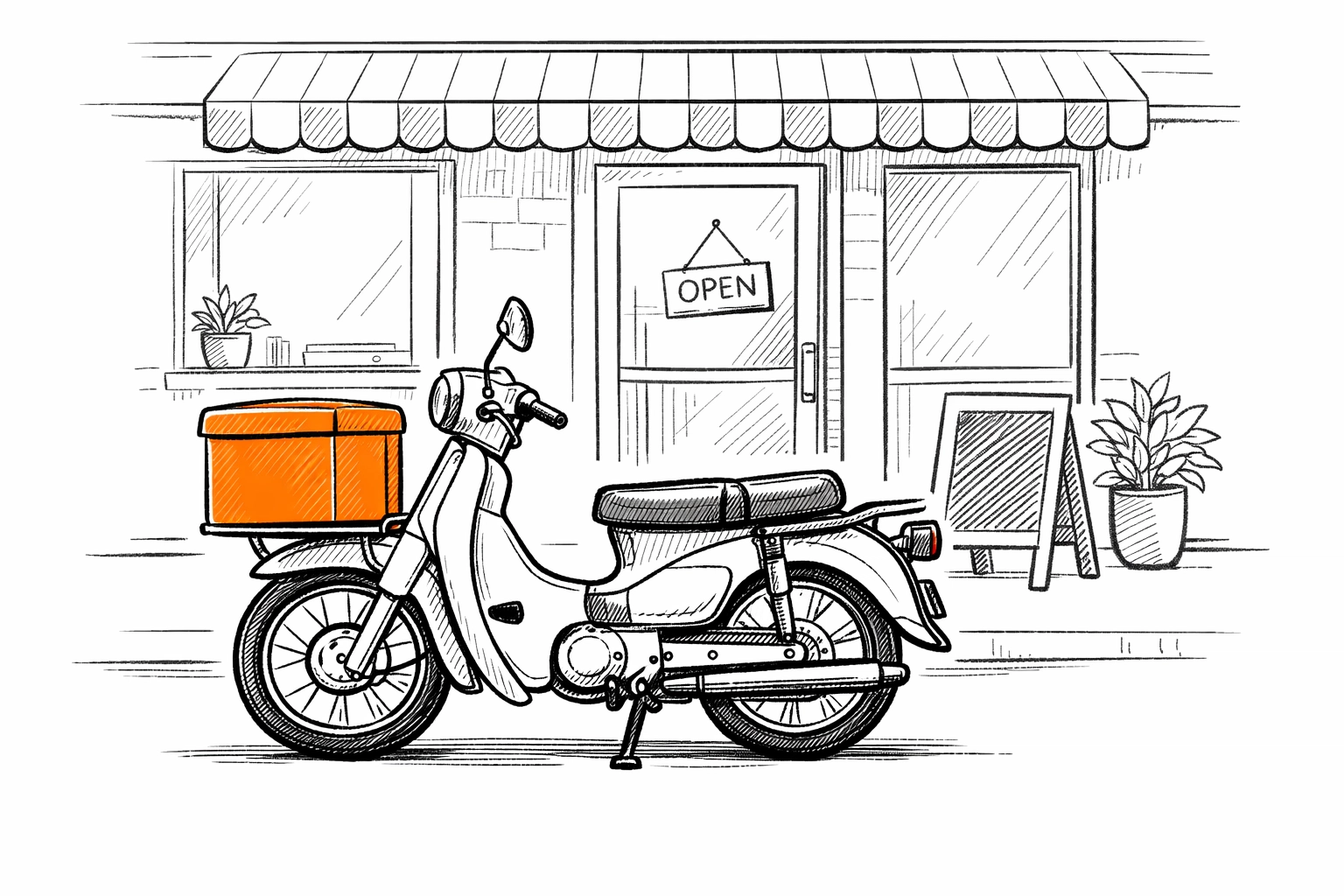
This shift has created a massive insurance gap that I see all too often. When you move delivery in-house, you aren’t just a cook; you’re effectively a logistics manager. This is where takeaway insurance becomes the backbone of your operation. Without it, a single moped accident on a rainy Tuesday night in Stratford could potentially bankrupt your business.
The “Non-Owned Auto” Nightmare
One of the most significant risks we are seeing in 2026 is “non-owned auto liability.” I’ve spoken to many takeaway owners who assume that because their drivers use their own cars or bikes, the business is off the hook for accidents.
I can tell you from experience: that is a dangerous myth. If your employee is delivering your food in their personal vehicle and they hit a pedestrian or cause a multi-car pile-up, the injured party’s legal team isn’t just going after the driver’s (likely inadequate) personal insurance. They are going after the business that sent them on that journey.
In the crowded streets of London, where traffic is dense and the pressure to deliver “hot and fast” is high, the risk of a collision is a statistical certainty over a long enough timeline. A robust takeaway insurance policy specifically addresses this, ensuring that the business is protected even when the vehicles aren’t directly owned by the company.
Fraud and the Human Element
The research is showing a spike in “internal” risks as well. Without the GPS tracking and algorithmic oversight of the big delivery platforms, small businesses are more vulnerable to fraud. We’ve seen cases of falsified deliveries, “lost” cash payments, and inflated mileage claims.
Insurance in 2026 isn’t just about fires and floods; it’s about financial integrity. Proper coverage often requires you to have certain protocols in place: driver verification, background checks, and documented delivery logs. At Moyak Insurance Services, we help business owners understand that insurance is as much about risk management as it is about a payout. By setting these standards, you aren’t just lowering your premium; you’re building a better, more honest business.
The High Cost of “Off-the-Shelf” Policies
I think one of the biggest frustrations for takeaway owners is the “one-size-fits-all” approach of the big price comparison websites. Running a takeaway in a quiet village in Essex is a completely different risk profile to running one in the heart of East London.
Standard policies often have “hidden” exclusions that only come to light when you try to make a claim. For example, does your policy cover “goods in transit” for hot food? Most don’t. If your driver’s thermal bag fails or a bike tip-over ruins £200 worth of steak dinners, a standard commercial combined business insurance policy might leave you out of pocket.
In 2026, insurers are scrutinizing claims more than ever. They are looking for any reason to deny a claim based on a technicality or an undisclosed risk. This is why an individual approach matters.
Why the London and Essex Market is Unique
If you are operating in London or Essex, you are dealing with a specific set of challenges. Rent is higher, competition is fiercer, and the regulatory environment is stricter. Whether it’s complying with new food safety standards or navigating the complexities of local council permits for outdoor seating, there is a lot on your plate.
We have found that many businesses in these areas are actually overpaying for the wrong kind of cover. They might have a policy that covers them for a 50-seat restaurant when they are actually a 90% delivery-based takeaway. Or, they might have restaurant and cafe insurance that doesn’t account for the late-night risks of a fast-food environment.
The Moyak Approach: Personal, Not Digital
At Moyak Insurance Services, we’ve always believed that a computer algorithm shouldn’t decide the fate of your business. When you look for takeaway insurance through us, you aren’t just a policy number.
I can see the stress that small business owners are under in 2026. You’re dealing with rising food costs, staff shortages, and demanding customers. The last thing you need is a 40-page insurance document written in legalese that you don’t understand.
We take the time to look at your specific operation. Do you use mopeds or e-bikes? Do you handle a lot of cash, or are you strictly digital? Do you have a deep-fat fryer (which carries a significantly higher fire risk)? By understanding these details, we can build a bespoke policy that actually covers what you do, often at a more competitive price than the generic “big brand” brokers.
Practical Steps for Takeaway Owners in 2026
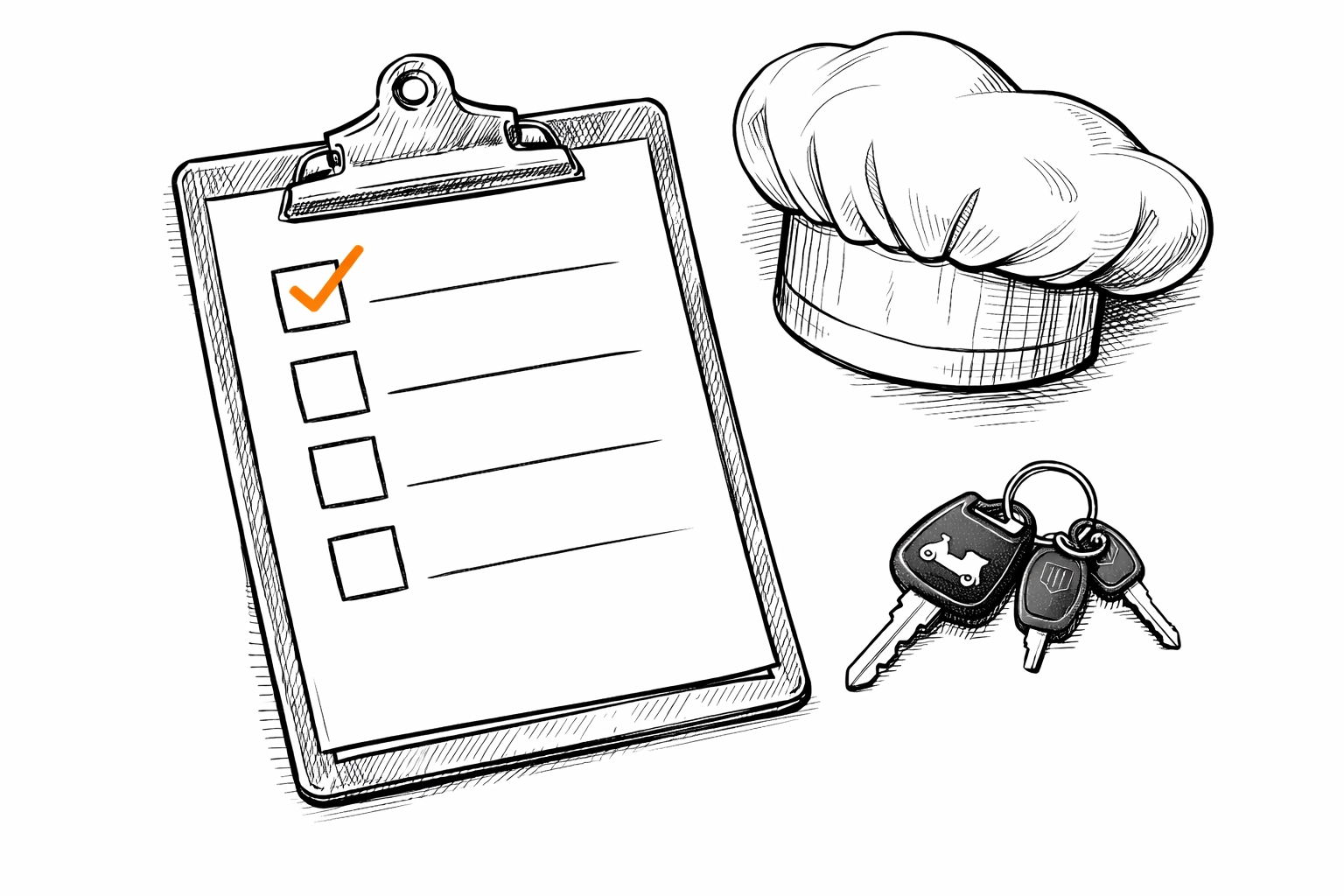
Going forward, I recommend every takeaway owner in Essex and London performs a “risk audit” of their delivery operation. Here is a quick checklist:
- Check Driver Insurance: Don’t just take their word for it. Ensure your drivers have “Business Use” or “Hire and Reward” insurance on their personal vehicles.
- Verify Non-Owned Liability: Speak to your broker to ensure your business policy covers you if a driver has an accident.
- Update Your Equipment List: If you’ve invested in expensive new ovens or a fleet of e-bikes, make sure they are reflected in your commercial landlord or property insurance if applicable, or your contents cover.
- Review Your Limits: With inflation, the cost of rebuilding or replacing equipment has soared. Is your current “Sum Insured” enough to actually get you back on your feet in 2026?
Conclusion: It Matters More Than Ever
Does takeaway insurance really matter in 2026? In an era where a single bad review can go viral and a single legal claim can end a decade of hard work, I believe it is the most important investment you can make outside of your kitchen.
The landscape is tougher, the risks are more complex, and the “safety net” of the big delivery apps is disappearing for those who want to stay profitable. But you don’t have to navigate it alone. Whether you’re a veteran of the Essex food scene or a new startup in London, getting the right advice is the first step to long-term success.
If you’re unsure whether your current cover is up to scratch for the demands of 2026, don’t wait for a claim to find out. Reach out to the team at Moyak Insurance Services. We’re local, we’re experts, and we actually pick up the phone.
Let’s make sure your business stays cooking, no matter what the year throws at us.