
![[HERO] How Construction Insurance Premiums are Calculated in 2026: A Contractor's Guide](https://moyakinsurance.co.uk/wp-content/uploads/joomla-import/-xlZL-4SQJh.webp)
Alias: how-construction-insurance-premiums-are-calculated-2026-contractors-guide
Category: Blog
Scheduled Date: Thursday, 16 April 2026, 6:00 PM
For any contractor working across Essex or London today, looking at an insurance renewal quote can sometimes feel like trying to read a blueprint in the dark. You see a number, you see it’s likely higher than last year, and you wonder what exactly triggered the increase. In our previous discussion, we touched on the pitfalls to avoid and how to start lowering your costs, but to truly master your business overheads, you need to understand the “why” behind the premium.
In 2026, the landscape of Construction Contractor Insurance has become more data-driven than ever. Insurers are no longer just looking at your annual turnover and calling it a day. They are peeling back the layers of your operations, from the specific materials you use on a site in Chelmsford to the safety protocols your team follows in Central London. Understanding these calculation factors isn’t just an academic exercise; it’s a competitive advantage. If you know how the math works, you can influence the variables.
The Foundation: Replacement Cost Valuations (RCV)
The most significant shift we’ve seen in 2026 is the laser focus on Replacement Cost Valuations. When an insurer calculates a premium for General Contractor Liability Insurance, they aren’t just looking at the price you’re charging the client. They are looking at what it would cost them to rebuild that project from scratch today if a total loss occurred.
This includes everything: current market rates for timber and steel, specialist labor costs, equipment hire, and even the architectural fees required to redesign a failed structure. Over the last couple of years, we’ve seen these “soft costs” and material prices fluctuate wildly. If your coverage limits haven’t been updated to reflect the 2026 reality of rebuild costs, you aren’t just underinsured, you’re likely seeing a premium spike as the insurer “corrects” for that risk at the last minute.
Material Inflation and the Labor Crisis
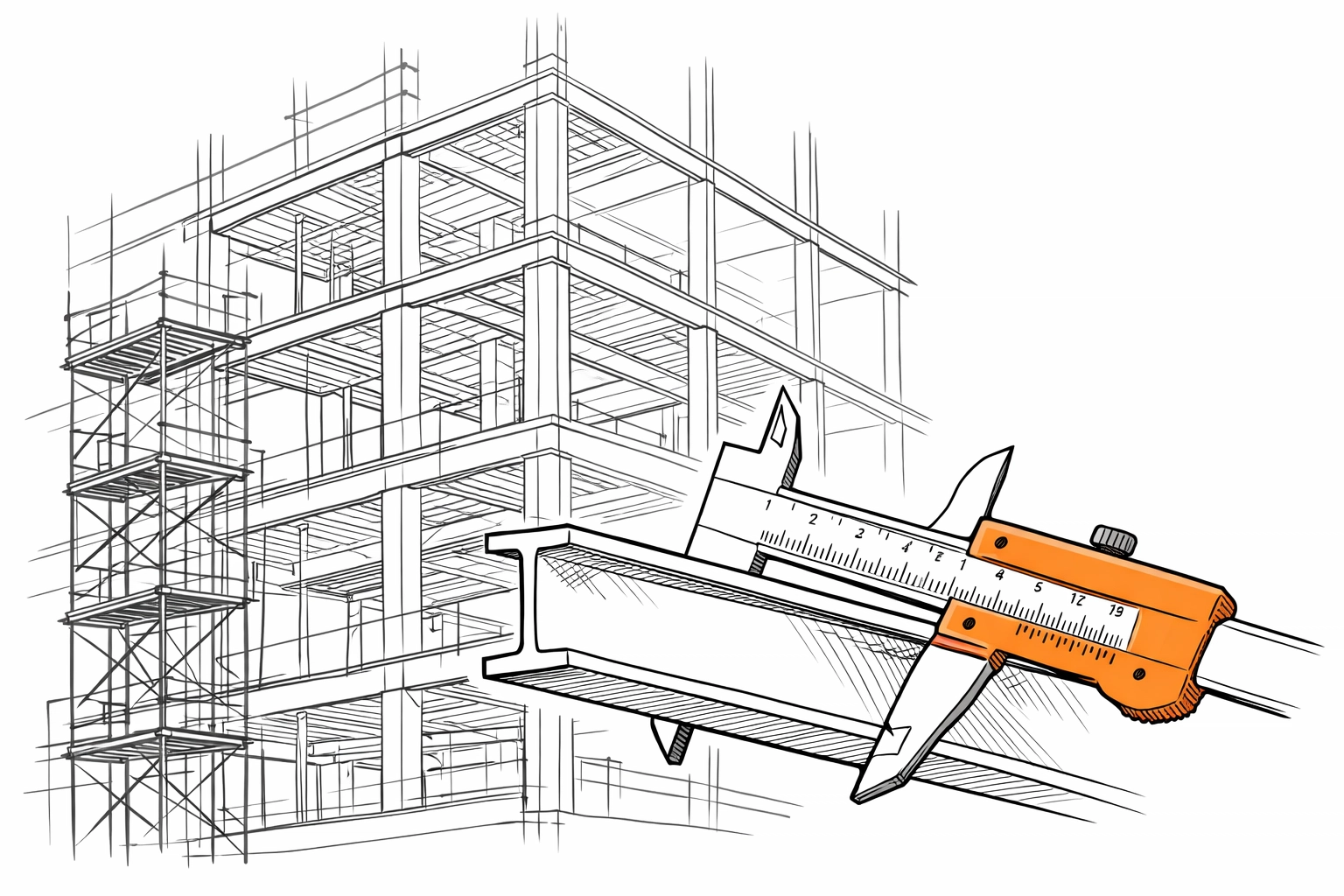
It’s no secret that the UK construction industry has faced a double-edged sword of material shortages and a shrinking pool of skilled tradespeople. From an insurance perspective, this creates a higher “severity potential.”
When materials are expensive, every claim costs the insurer more. When labor is scarce, projects take longer. A project that sits open for twelve months instead of eight is a project that is exposed to weather, theft, and liability risks for four additional months. Insurers in 2026 are adding a “duration loading” to premiums for projects that exceed certain timeframes, simply because the window for something to go wrong is wider.
Furthermore, we’ve seen that the quality of labor affects the rate. If you are a general contractor in London using a high percentage of bona-fide subcontractors, the insurer will look closely at their insurance as well. If your subcontractors aren’t adequately covered, that risk rolls up to you, and your premium will reflect that “unseen” exposure.
Why Your Location in Essex or London Matters
In the world of Business Insurance London, geography is a massive pricing factor. Working in the City or the West End brings a set of risks that you simply don’t find in the quieter parts of the Home Counties.
- Third-Party Exposure: In London, the proximity of neighboring buildings is the primary concern. If you’re working on a basement excavation in a tight London terrace, the “Third Party Property Damage” risk is astronomical compared to a detached new-build in Essex.
- Access and Logistics: Higher premiums in urban centers also account for the difficulty of emergency services reaching a site or the increased likelihood of opportunistic theft in high-traffic areas.
- Local Regulation: Specific boroughs have different requirements for hoarding, scaffolding, and environmental protections.
When seeking Business Insurance Essex, you might find slightly more favorable rates for similar work, but insurers are now using GPS data and historical claim maps to pinpoint “hotspots” for tool theft or transit claims. If your yard is in an area with a high crime rate, your “tools in transit” or “plant” cover will be priced accordingly.
The Specific Risk Profile: Your Trade Tier
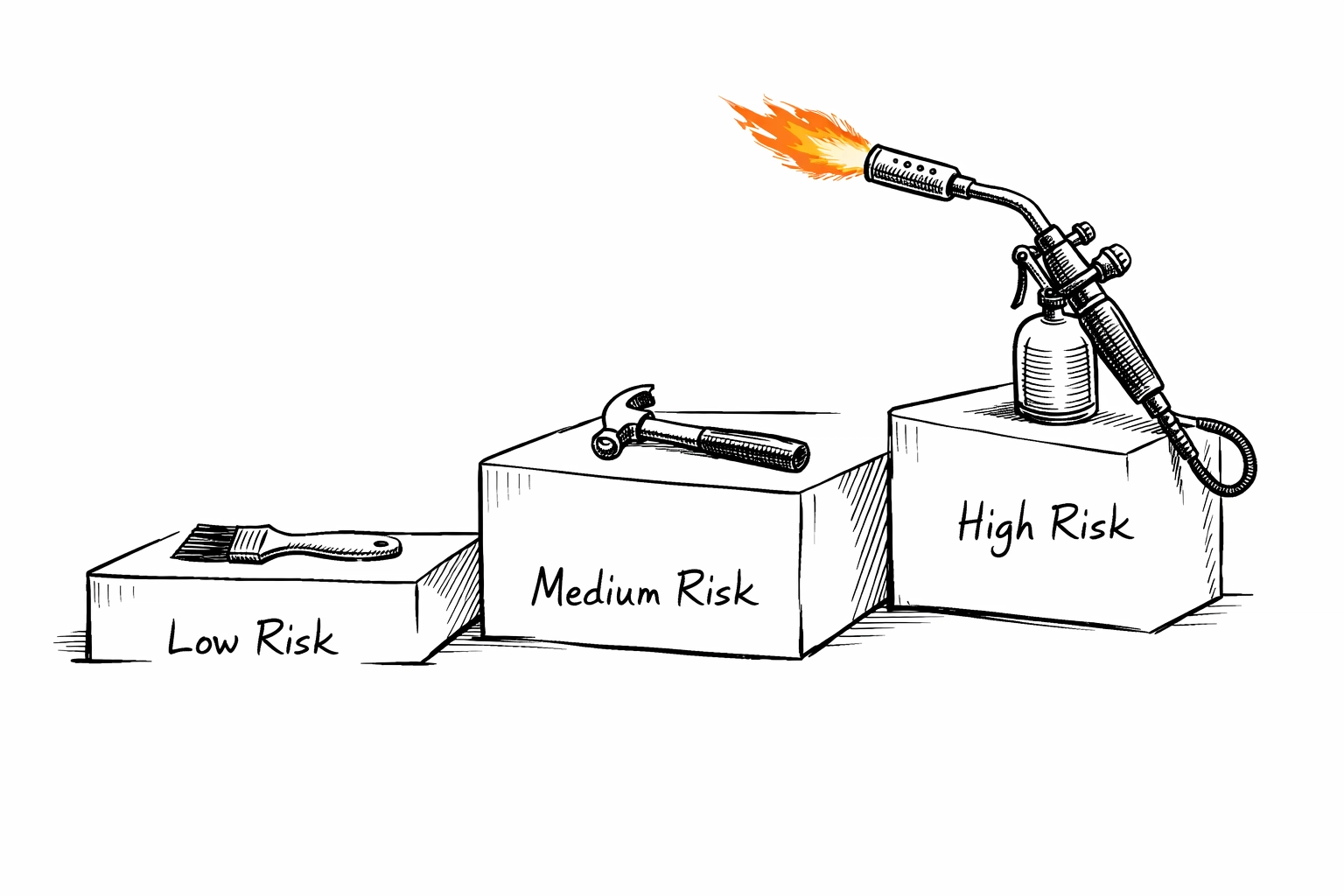
Not all contractors are created equal in the eyes of an underwriter. In 2026, the industry has clearly defined “Risk Tiers.”
- Low Risk: Interior fit-outs, painting, decorating, and light landscaping.
- Medium Risk: General building, plumbing, and electrical (excluding high-voltage or complex industrial work).
- High Risk: Roofing, scaffolding, demolition, and anything involving “heat work” (torches, welding).
If you are a general contractor, your premium is often a “blended rate” based on the highest-risk activity you perform. I’ve seen many businesses pay far too much because they are classified as “Roofers” when roofing only makes up 5% of their annual turnover. Ensuring your business description is accurate is one of the easiest ways to prevent premium inflation. You can learn more about how we categorise these on our General Tradesmen Liability Insurance page.
Safety Tech and Data: The 2026 Advantage
One of the most positive developments in 2026 is that insurers are finally rewarding contractors who embrace technology. We are seeing premium discounts for firms that use:
- IoT Site Monitoring: Sensors that detect water leaks or smoke during out-of-hours periods.
- Telematics: For those with fleets, showing safe driving data can significantly lower Auto Liability within a Commercial Combined Business Insurance policy.
- Digital Safety Audits: Moving away from paper trails to real-time safety reporting apps.
If I can show an underwriter that a contractor has a 100% compliance rate on their digital site inductions, I can usually negotiate a much better rate than a firm that says, “Yeah, we take safety seriously,” but has no data to prove it.
Practical Breakdown: Predicted Premium Shifts for 2026
Based on the current market data we are seeing this April, here is what the average UK contractor should expect for their upcoming renewals:
Well-run businesses with a focus on safety and accurate valuations are seeing single-digit increases or even flat renewals. Those with a history of “nuisance claims” or outdated safety protocols are unfortunately seeing much sharper climbs.
Managing Your Deductibles and Limits
Finally, the math of your premium is heavily influenced by how much risk you are willing to keep. In a “hard market” where prices are rising, many contractors are choosing to increase their deductibles (the amount you pay toward a claim).
I often tell my clients: “Insurance should be for the house fire, not the broken window.” By taking a higher voluntary excess, you demonstrate to the insurer that you have “skin in the game” and aren’t going to claim for every minor scrape. This can significantly reduce the base premium.
However, you must balance this with your cash flow. There is no point in saving £500 on a premium if a £2,500 excess would bankrupt your business during a quiet month.
Moving Forward: Your 2026 Strategy
The calculation of Construction Contractor Insurance isn’t a dark art, but it is complex. Going forward, the most successful contractors will be those who treat insurance as a strategic financial pillar rather than a grudge purchase.
At Moyak Insurance Services, we believe in transparency. We want you to understand why the numbers are what they are so you can take active steps to change them. Whether you are looking for General Contractor Liability Insurance or comprehensive cover for a large-scale development, the key is early engagement.
Don’t wait until seven days before your renewal to start this conversation. Start it now. Review your valuations, check your subcontractor agreements, and ensure your safety data is ready to be presented.
If you’re concerned about your current rates or feel your business hasn’t been properly “sold” to the underwriters, contact us today. We live and breathe the Essex and London construction markets, and we’re here to ensure the math finally works in your favor.