
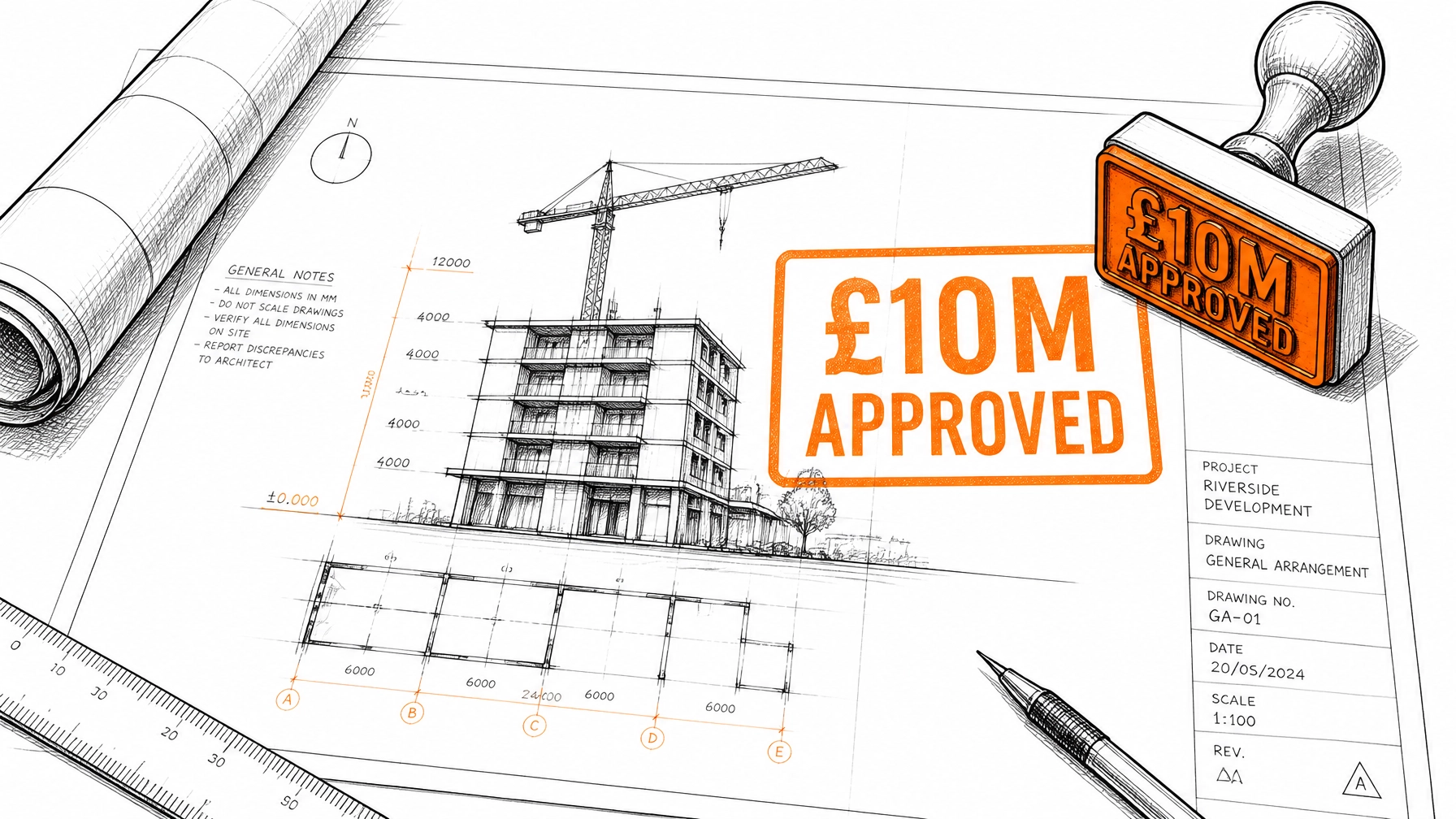
If you have spent any time bidding for larger projects recently, you have likely noticed a shift in the fine print. I have been looking at the pre-qualification questionnaires (PQQs) and tender documents coming across my desk lately, and there is a clear trend emerging as we move through 2026. The days when a standard £2 million Public Liability limit was enough to get you through the door are largely behind us.
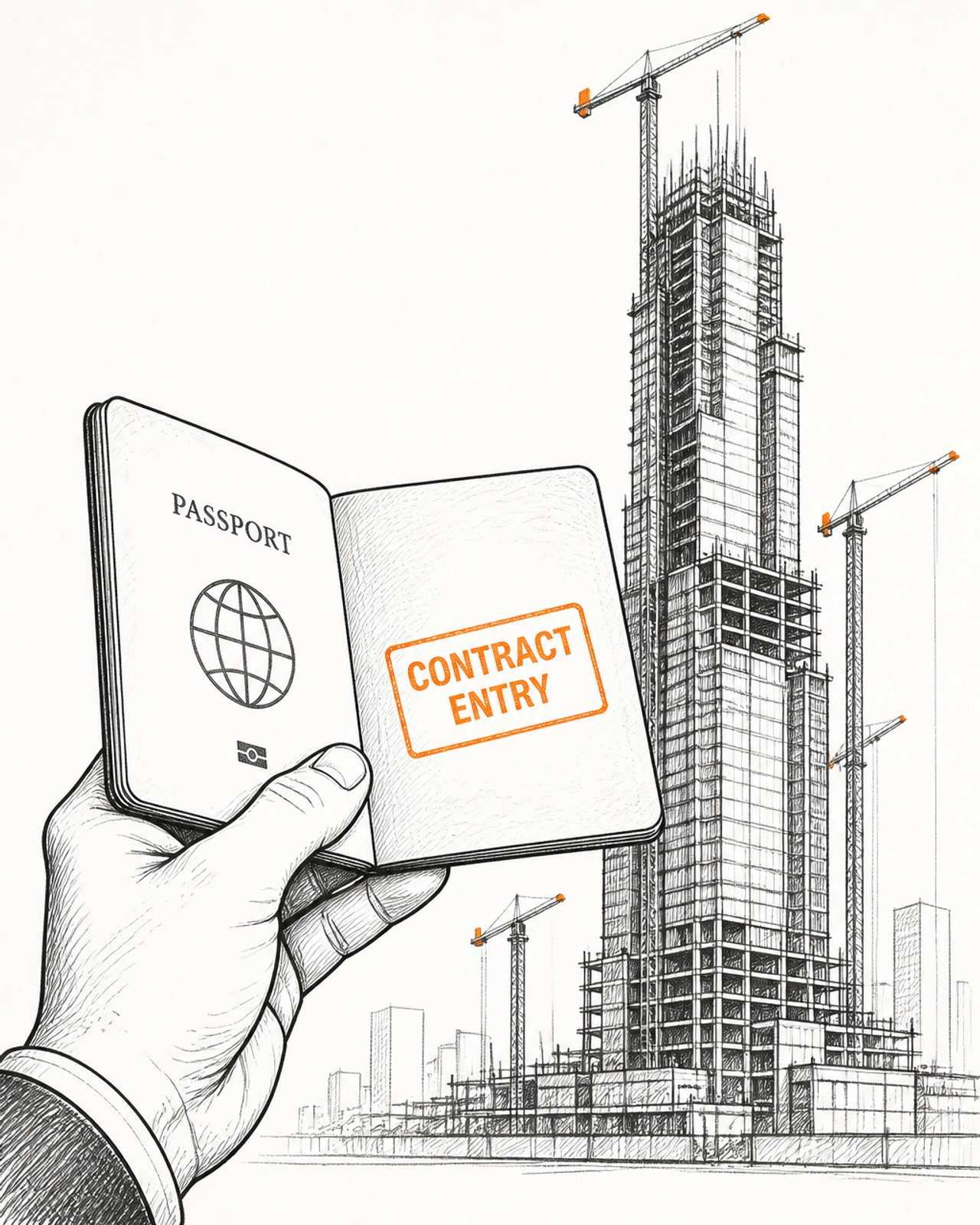
In fact, I often tell my clients that a £10 million liability limit is no longer just “extra cover”: it has become a “passport” to the industry’s most lucrative contracts. Whether you are working in Essex, London, or across the South East, the stakes for general contractors have risen. If you aren’t carrying the right weight in insurance, you are effectively locking yourself out of the room before the conversation even begins.
The New Standard for 2026
I think it is important to understand that while the law hasn’t necessarily changed its baseline, the market definitely has. Legally, if you have employees, you still only need £5 million in Employers’ Liability insurance. However, I can see that almost every reputable insurer in the UK is now writing these policies at £10 million as standard. Why? Because the cost of claims: driven by legal fees and medical inflation: has reached a point where £5 million simply doesn’t offer the breathing room it used to.
Public Liability (PL) is where the real “passport” effect comes into play. For 2026, we are seeing local authorities, the NHS, and Tier 1 main contractors making £10 million PL a non-negotiable requirement. I spoke to a contractor last week who lost out on a high-spec residential framework in London because their broker couldn’t secure the £10 million limit in time for the deadline. It’s a frustrating position to be in, but it’s the pragmatic reality of the current market.
Why the Shift to Higher Limits?
You might wonder why a client would demand £10 million in cover for a project that might only be worth a fraction of that. From an insider’s perspective, it comes down to risk aggregation and the complexity of modern builds.
Going forward, several factors are driving this:
- Claims Severity: A single serious injury on-site or a multi-party defect claim can quickly spiral. In 2026, expert witness fees and court costs are higher than ever. A £5 million limit can be eroded surprisingly fast.
- Modular and High-Risk Construction: As we move toward more modular and complex building methods, the potential for “series loss”: where one fault affects multiple parts of a project: has increased. Clients want to know that if things go wrong, the insurance pot is deep enough to cover the fallout without hitting their own balance sheets.
- Building Safety Legislation: The evolution of building safety laws has expanded who can be held liable. I’ve noticed that contractual chains are getting tighter. Main contractors are passing the liability requirements down the line, meaning even specialist subcontractors are now being asked for £5m or £10m limits to match the main project’s policy.
Balancing Risk and Reward
I understand the hesitation. Increasing your limits usually means an increase in premiums. However, I think it’s useful to view this as an investment in your firm’s growth potential. When you move from a £2m to a £10m limit, you aren’t just buying a piece of paper; you are gaining the ability to bid on public sector frameworks and large-scale commercial developments that were previously out of reach.
At Moyak Insurance Services, we take an individual approach to this. We know that every business has a different budget and risk profile. We act as a business insurance broker in Essex to negotiate with the UK’s leading master brokers. Our goal is always to find that sweet spot: getting you the £10m limit you need to win the contract, without overpaying for “fluff” you don’t need.

Common Pitfalls to Avoid
When you are looking to upgrade your cover for a 2026 tender, I’ve seen a few recurring issues that can trip up even experienced contractors:
- The “Aggregate” Trap: Ensure your Public Liability limit is “any one occurrence” and not “in the aggregate.” If it’s in the aggregate, the total amount the insurer will pay for all claims in a year is capped. Most Tier 1 contractors will reject this; they want the full limit available for every single incident.
- Subcontractor Liability: If you use labour-only subcontractors, they are usually treated as employees under the law. I have seen contractors fail audits because their general contractor liability insurance didn’t properly reflect their actual headcount or the type of work their subs were doing.
- Excess Layers: If your primary insurer won’t give you the full £10m, don’t panic. We often arrange “Excess of Loss” (also known as an Umbrella layer) to top up your existing £2m or £5m policy to the required £10m. It’s a very common and cost-effective way to meet contract requirements.
The Complexity of 2026 Projects
We are also seeing a rise in requirements for Commercial Combined Business Insurance. This is especially true for firms that handle design and build. In these cases, your liability isn’t just about someone tripping over a cable (Public Liability); it’s about the professional advice and design you provide.
If you are aiming for those £10m+ contracts, your insurance needs to be as integrated as the buildings you are constructing. I’ve seen that clients are increasingly looking for a seamless insurance package that covers everything from the bricks and mortar to the professional indemnity and the 2026-specific environmental requirements.

Moving Forward: Your 2026 Insurance Strategy
So, how should you approach this? My recommendation is to be proactive. Don’t wait until you are 48 hours away from a tender deadline to check your insurance limits.
- Review Your Current Pipeline: Look at the projects you want to win in the next 12 to 18 months. What are the typical insurance requirements?
- Talk to Your Broker Early: Getting a £10m limit isn’t always an “off-the-shelf” fix. It might require more detailed information about your safety logs, past claims, and the specific trades you work in.
- Audit Your Supply Chain: If you are the main contractor, make sure your subcontractors can also meet these rising standards. If they can’t, the liability could end up landing on your shoulders anyway.
I truly believe that the contractors who adapt to these higher standards early will have a significant competitive advantage. It shows the client that you are a professional, well-backed outfit that takes risk management seriously.
At Moyak, we care about every client. Whether you are a growing business in Kent or an established firm in London, we are here to help you navigate these shifting waters. We understand the local market because we live in it, and we know how to present your business to insurers to get the best possible terms.

Practical Implications
The move toward £10 million limits is a sign of a maturing industry. It’s about more than just numbers; it’s about stability. In a world where project costs are rising and legal environments are becoming more complex, having that “passport” in your pocket is the safest way to ensure your business continues to grow throughout 2026 and beyond.
If you are looking at a contract and the insurance requirements seem daunting, give us a call. I’ve sat on both sides of these conversations, and often, all it takes is a bit of pragmatic adjustment and the right broker relationship to get you exactly where you need to be.
Next Steps:
- Check your current policy document for the “limit of indemnity.”
- Verify if your cover is “per occurrence” or “in the aggregate.”
- Contact Moyak Insurance Services for a personalized review of your 2026 contract needs.