
![[HERO] The Best Renewal Advice You’ll Ever Get for Construction Contractor Insurance in a Changing Market](https://moyakinsurance.co.uk/wp-content/uploads/joomla-import/egS9xf3Yu92.webp)
If you’ve been in the construction industry for any length of time, you know that the insurance renewal process can often feel like a box-ticking exercise that you squeeze in between site visits and client meetings. But as we move through 2026, the landscape for Construction Contractor Insurance is shifting. We aren’t in a “crisis” market, but we are certainly in a “precision” market.
I’ve spent a lot of time recently talking to underwriters and looking at the data for the coming year. The reality is that well-run construction businesses should expect relatively stable renewals: maybe single-digit increases or even flat rates. However, if your risk profile looks “blurry” to an insurer, or if you’re operating in high-risk niches without a clear narrative, you’re going to see those premiums climb.
The best advice I can give you for your next renewal isn’t just about finding the lowest number on a screen. It’s about how you present your business to the people holding the pen. Here is the practitioner’s guide to navigating your renewal in this changing market.
Start the Clock: The 90-Day Rule
I see it all the time: a contractor calls me two weeks before their policy expires, panicking because their current insurer has hiked the rate or, worse, declined to renew. By that point, your options are severely limited. In a changing market, timing is your biggest leverage.
You should be starting your renewal process at least 90 days out. This isn’t just about giving your broker time to shop around; it’s about giving yourself time to fix things. If you discover that your claims history has a clerical error or that your projected turnover is wildly different from last year, you need a buffer to address it.
Going forward, underwriters are looking for stability. When we approach them early, it signals that your business is organized and proactive. It gives us the “breathing room” to negotiate. If we’re rushing, the underwriter assumes you’re desperate, and that’s never a good position for a negotiation.

Telling Your Story (And Why It Matters)
This is perhaps the most critical part of the process that many brokers miss. An underwriter is sitting at a desk looking at a spreadsheet. To them, you are a set of numbers and a category. If you’re a general contractor, they see a certain level of risk. If you’re doing high-end residential work in London, they see a different one.
At Moyak Insurance Services, we believe our job is to “tell your story.” An underwriter needs to know why you are a better risk than the guy down the road.
- Are you using digital site logs?
- Do you have a rigorous process for checking subcontractor insurance?
- Have you invested in better on-site security or tool tracking?
If we just send over a standard application form, you’re just another “Construction Contractor Insurance” policy. But if we tell them about your specific safety protocols and your long-term relationship with your core team, we can often secure terms that aren’t available to the general market. You aren’t just buying a policy; you’re selling your reliability to the insurer.
The “Auto” Problem and Fleet Safety
If there is one area where I’m seeing consistent frustration, it’s commercial auto. Insurers haven’t made a profit on commercial motor lines in over a decade. Because of this, you can expect 8% to 15% increases in this area specifically.
To combat this, you need to show that you are managing your fleet, not just driving it. Even for small firms, having a basic fleet safety program or using telematics can make a massive difference. If I can show an underwriter that your drivers are monitored and that you have a “zero-tolerance” policy for mobile phone use, I can help mitigate those industry-wide hikes. It’s about proving you are the exception to the rule.
Update Your Risk Assessments and Revenue Projections
The construction market is volatile. Material costs fluctuate, and project scopes change. One of the biggest mistakes I see is contractors renewing based on “last year’s numbers” because it’s easier.
However, being underinsured is a massive risk. If you’ve moved from small renovations to larger structural works, or if you’ve started taking on contracts that require General Contractor Liability Insurance with specific “Tier 2” requirements, your old policy might be useless.
I recommend a full operations audit before renewal:
- Revenue Growth: Is your projected turnover accurate? Overestimating means you’re overpaying; underestimating leads to “average clause” penalties during a claim.
- Subcontractor Management: Are you still checking their Certificates of Insurance (COIs)? If your subs are underinsured, that liability often flows back to you.
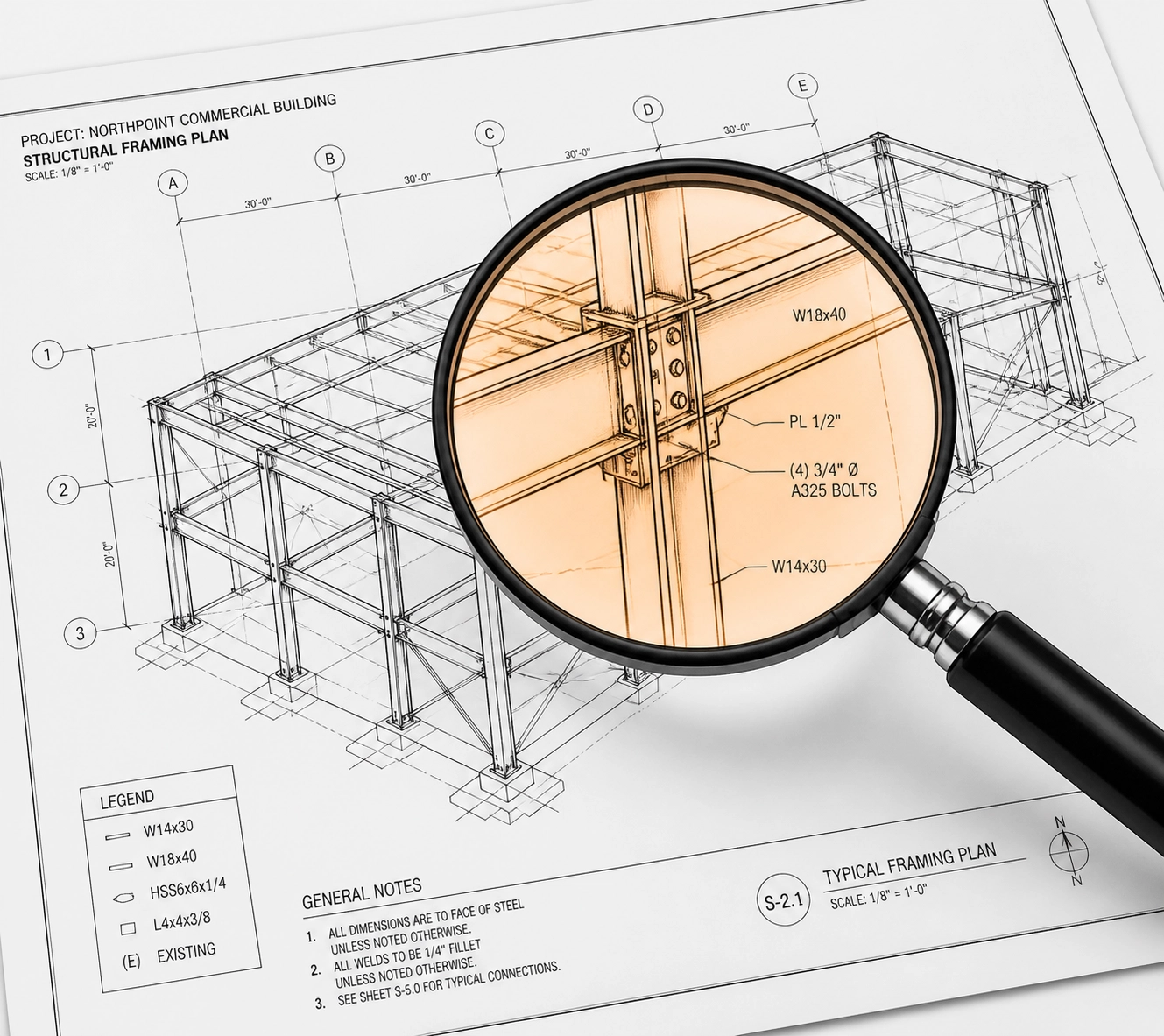
- Geographic Shift: Are you doing more work in high-risk areas? For example, Business Insurance in London carries different risks compared to rural Essex projects. Make sure your broker knows exactly where you are working.
The Value of a Specialist Broker
In a world of “compare and click,” the value of a personal approach has actually increased. I think many business owners have realized that when things go wrong on a site: a burst pipe, a structural failure, or a tool theft: they don’t want to talk to a chatbot. They want someone who knows their business.
A specialist broker like Moyak understands the nuances of Commercial Combined Business Insurance. We know which insurers are currently “appetized” for construction and which ones are pulling back. This knowledge is what saves you money, not just the initial quote.
For instance, we often see contractors paying for “standard” packages that include coverages they don’t need, while missing critical “professional indemnity” extensions for design-and-build work. A specialist audit ensures you are paying for protection, not just paper.
Actionable Steps for Your Next Renewal
As you look toward your next renewal date, I suggest you take these three concrete steps:
- Review Your Claims History: Ask your broker for your “claims experience” report. If there are open claims that should be closed, get them shut. An open claim is a red flag for a new underwriter.
- Document Your Safety Culture: Put together a one-page “Business Profile” that highlights your experience, your safety records, and any tech you use on-site. We will use this to “sell” your business to the insurers.
- Check Your Contracts: If you’ve signed new contracts with larger developers, they might have higher indemnity requirements. Don’t wait for a claim to find out you’re non-compliant.

Looking Forward: 2026 and Beyond
The “changing market” isn’t something to fear, but it is something to respect. We are seeing more large-scale lawsuits related to construction defects, and insurers are becoming more surgical about who they cover.
I can see a trend where the “gap” between well-managed firms and poorly-managed ones is widening. The well-managed ones get the best rates and the widest coverage. The others are left with high deductibles and restrictive terms.
At Moyak Insurance Services, we take a pragmatic view. We know you’re busy running a site, and the last thing you want is a 50-page questionnaire. But by taking a bit of time to get the details right, and by letting us tell your story to the market, we can ensure your business is protected at a price that makes sense.
If your renewal is coming up in the next few months, don’t just wait for the automated email. Let’s have a conversation about where your business is going, not just where it’s been. Whether you are a General Tradesman or a large-scale construction firm, the right advice at renewal is the best insurance you can have.
Final Thoughts
The best renewal advice isn’t a secret formula: it’s about transparency, timing, and partnership. In a market where everything feels automated, the “human” element of insurance brokerage is what will ultimately protect your reputation and your bottom line.
If you want to ensure your coverage is as solid as your work, reach out to us at Moyak Insurance Services. We’re here to help you navigate the changes and keep your business moving forward.
Interested in more industry-specific advice? Check out our guide on 7 Business Insurance London Mistakes or learn how to secure better terms in Essex.