
For decades, the nightmare scenario for any general contractor in London or Essex was fire. We’ve all seen the news reports of half-finished timber-frame buildings going up in flames, or the catastrophic loss when a hot works accident turns a renovation project into a pile of ash. In the insurance world, fire was the “big one”: the catastrophic event that justified every penny of your premium.
But as we navigate through 2026, the reality on the ground has changed. I’ve been looking at the claims data and speaking with site managers across Essex and London, and there is a new “silent killer” of profits. In fact, water damage has quietly overtaken fire as the leading cause of construction insurance claims.
It might not make the front page of the local paper, but a burst pipe or a slow, undetected leak is now more likely to bankrupt a small firm or stall a major development than a blaze. If you are relying on an old-school understanding of General Contractor Liability Insurance, you might be leaving your business wide open to the biggest risk of the decade.
The 2026 Shift: Why Fire is Losing Its Crown
It’s not that fire isn’t dangerous anymore: it obviously is. However, the industry has become incredibly good at preventing it. Between the strict “Hot Works” permits, the widespread use of non-combustible materials, and sophisticated fire detection on sites, the frequency of massive fires has dropped.
Water, on the other hand, is a different beast. Modern buildings are more complex than ever. We are stuffing more bathrooms, more HVAC systems, and more complex plumbing into tighter spaces, especially in the high-density developments we see across London and the commuter belts of Essex.
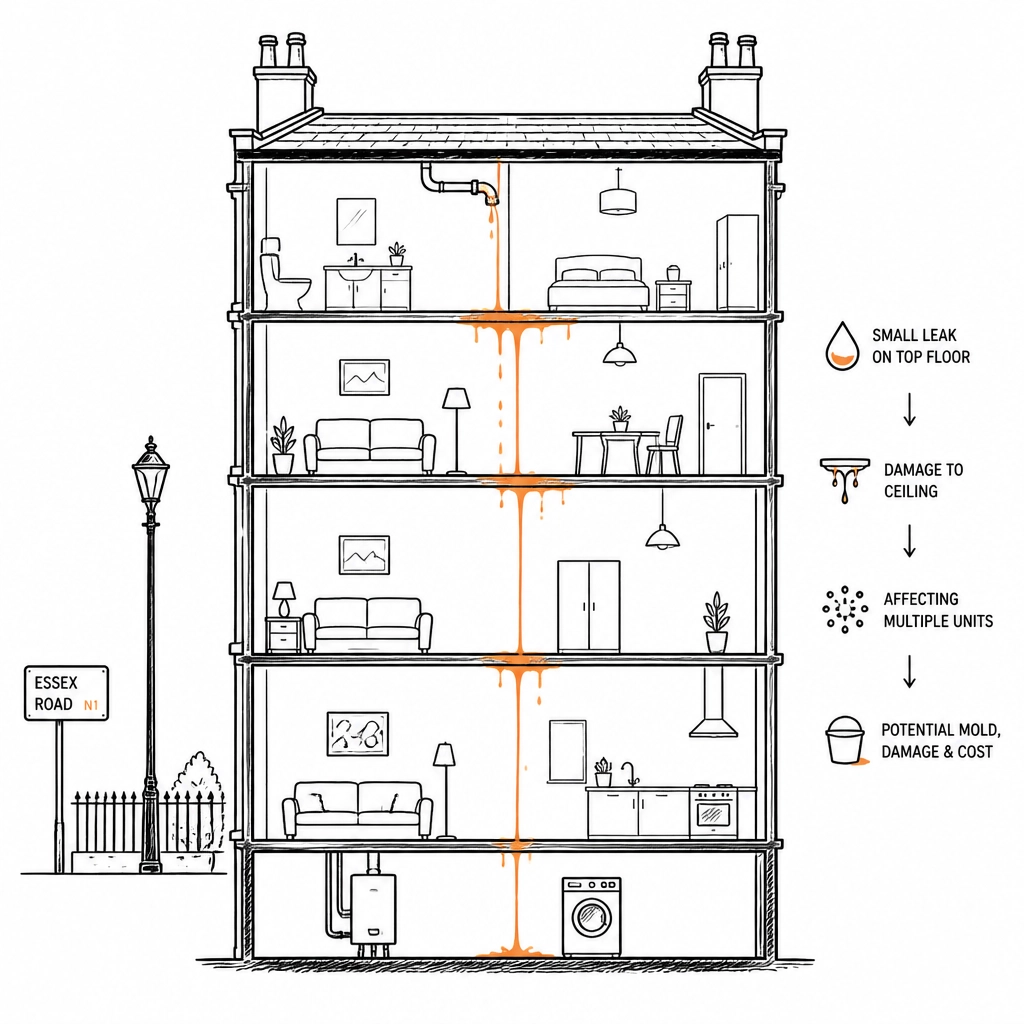
When a pipe fails on the 10th floor of a London apartment block, it doesn’t just damage that room. It travels. It finds every gap, every conduit, and every floor slab. By the time someone notices a damp patch on Monday morning, the water has often ruined five floors of luxury finishes, elevators, and electrical systems. In 2026, the cumulative cost of these “escape of water” events is dwarfing fire losses.
The Modern Building’s Achilles’ Heel
I often see contractors using high-end, sensitive materials that simply don’t play well with moisture. In the past, a bit of water on a brick-and-mortar site was a nuisance; you’d dry it out and move on. Today, we use massive amounts of plasterboard, engineered timber, high-performance insulation, and delicate M&E equipment.
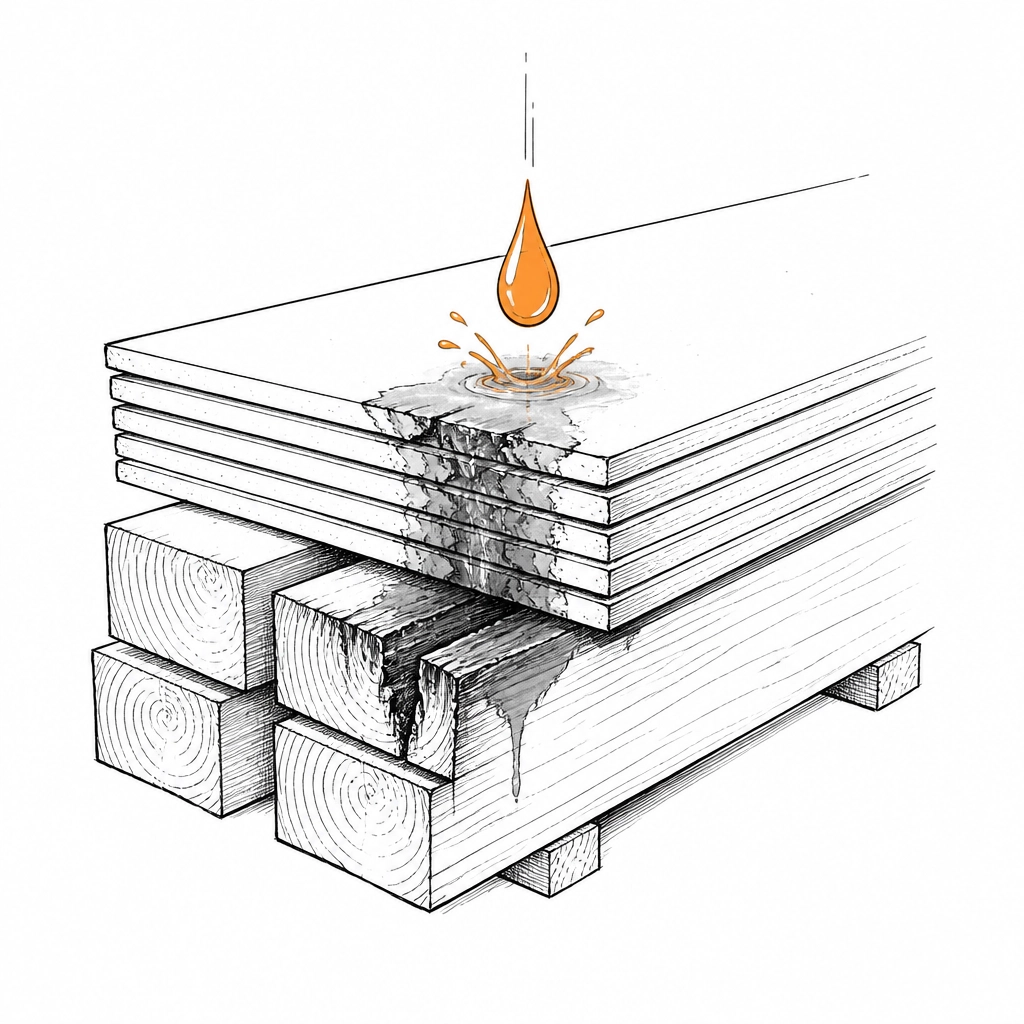
Once these materials get wet, they are usually a total loss. You can’t just “dry out” modern insulation and expect it to maintain its R-value, and you certainly can’t leave damp plasterboard in place without risking a massive mould claim six months down the line. This “total loss” nature of modern materials means that even a relatively small plumbing error can lead to a six-figure insurance claim.
The “Secrets” Your Policy Might Be Hiding
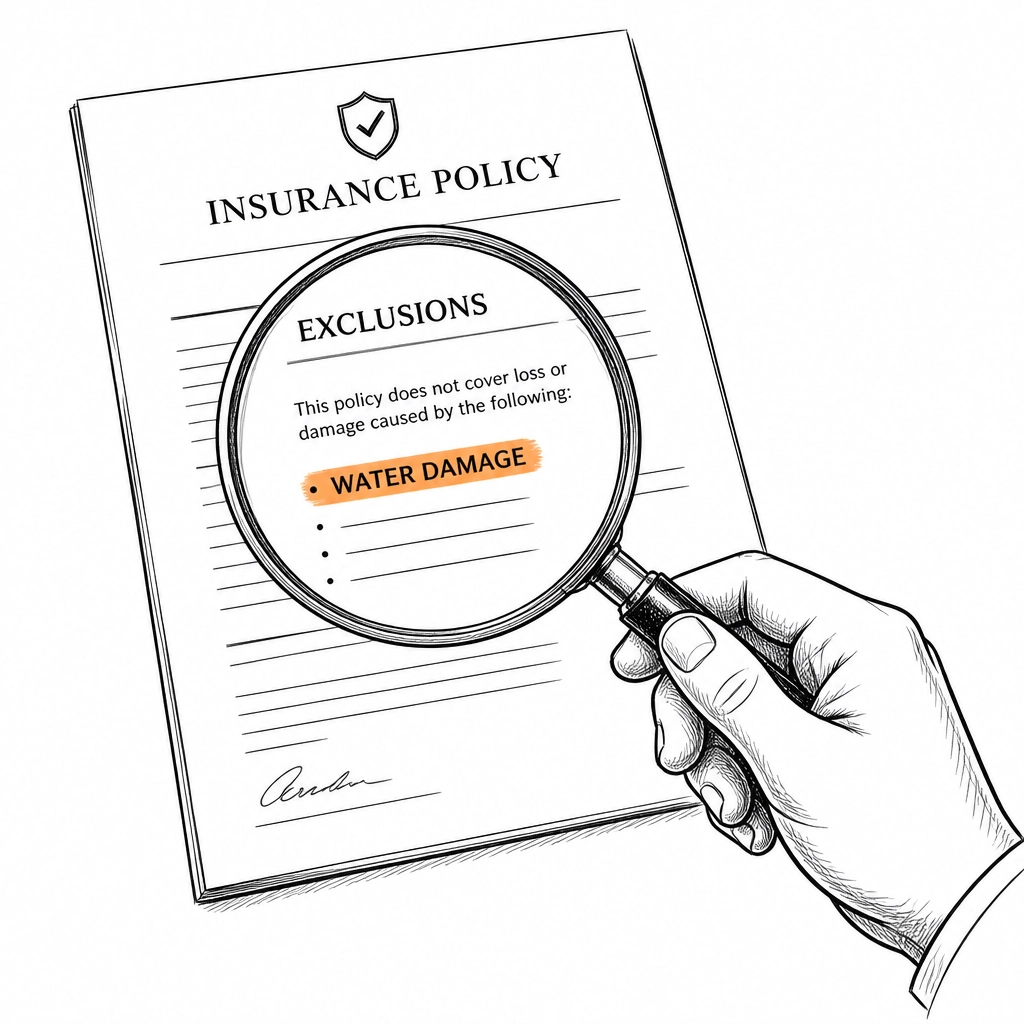
This is where it gets tricky for the average contractor. Most people assume that if they have Business Insurance in London or Essex, they are covered for “accidents.” But in 2026, the “small print” regarding water is more restrictive than ever. Here are the secrets I’ve seen trip up even the most experienced firms:
1. The “Sudden and Accidental” Trap
Most public liability policies are designed to cover “sudden” events. If you hit a pipe with a nail and water sprays everywhere, that’s sudden. But what if a joint is weeping slowly behind a wall for three weeks? Many insurers will classify this as “gradual seepage” or “wear and tear,” which are often excluded. I’ve seen many contractors in Essex left high and dry because they couldn’t prove the leak was a single, sudden event.
2. Defective Workmanship vs. Resulting Damage
This is a huge point of confusion. Your General Contractor Liability Insurance will almost never pay to fix the actual mistake you made. If your plumber installed a faulty valve, the insurance won’t pay for a new valve or the labour to fix it. They only pay for the resulting damage: the ruined carpets and ceilings. If the leak is caught early and the only cost is the repair itself, you’re paying that out of pocket.
3. The “Existing Structures” Exclusion
If you’re doing a renovation or an extension: common work for those looking for Business Insurance in Essex: does your policy cover the original part of the house? Often, a standard Contractors’ All-Risks (CAR) policy only covers the new work. If your work causes a leak that destroys the client’s original 18th-century hardwood floors in the next room, you might find your policy has a massive hole in it.
Navigating the Essex and London Landscape
Working as a broker for Business Insurance in Essex and London, I’ve noticed that the geography matters. In London, the density means third-party liability is your biggest headache. A leak doesn’t just hurt your client; it hurts the three businesses downstairs.
In Essex, we see a lot of high-end residential work. These clients have high expectations and expensive tastes. A water mark on a bespoke ceiling can lead to a demand for the entire ceiling: and the matching walls: to be redone to ensure a seamless finish. The costs escalate at a terrifying speed.
How to Ensure You’re Actually Protected
Going forward, you can’t just “set and forget” your insurance. You need to be proactive. In my experience, the contractors who get the best rates and the smoothest claims are those who treat water risk as seriously as they treat site safety.
1. Check for “Gradual Seepage” Cover: Speak to your broker and ask specifically if your policy can be extended to cover non-sudden leaks. It might cost a bit more, but in 2026, it’s worth every penny.
2. Implement a Water Mitigation Plan: Insurers are starting to reward contractors who have strict water controls. This includes pressure testing pipes in stages, using smart leak detectors during construction, and: most importantly: having a designated person to turn off the main water valve every single night before the site closes.
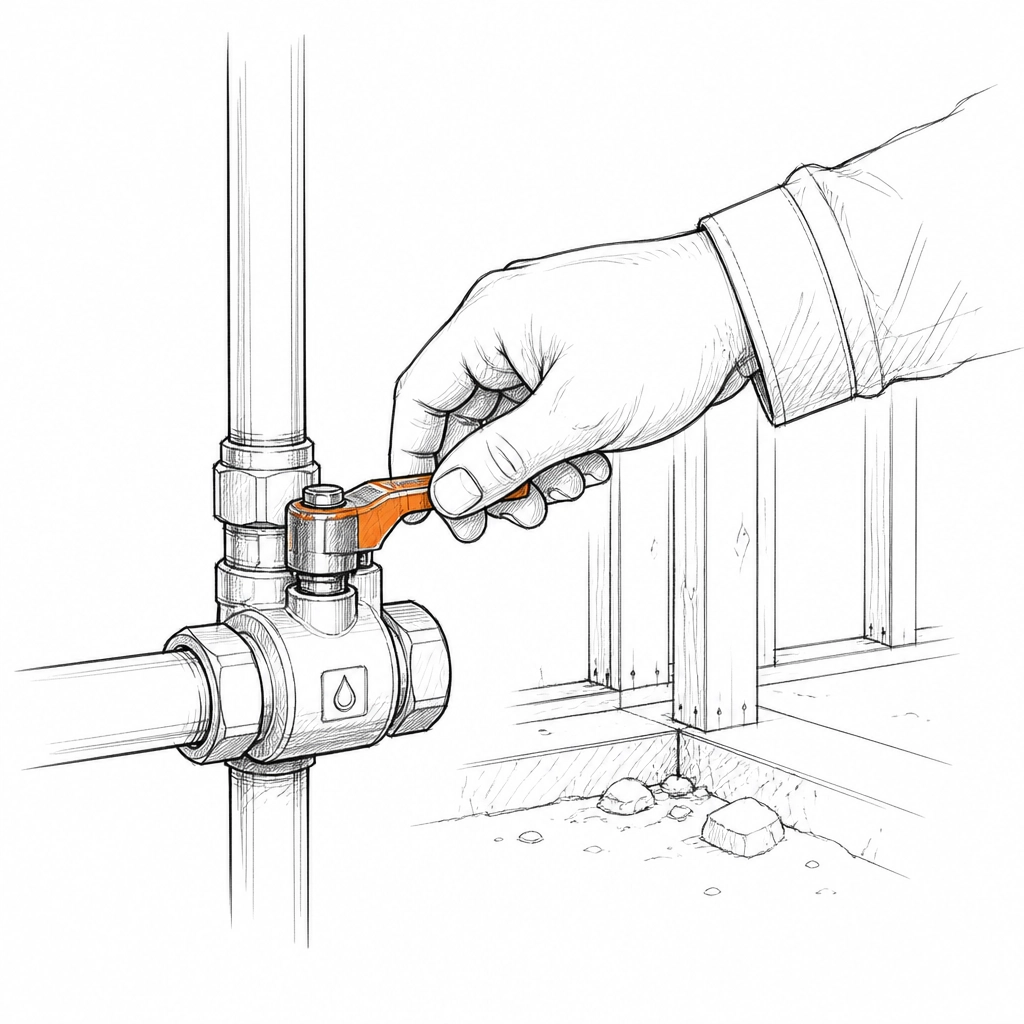
3. Review Your “Contractors’ All-Risks” (CAR) Policy: If you are working on existing buildings, ensure the “existing structures” are covered for water damage caused by your works. Don’t just assume your Public Liability will pick up the slack: it often has lower limits or different triggers.
4. Document Everything: If you do have a leak, take photos immediately. Get a report from the plumber explaining exactly what failed. You need to be able to show the insurer that it was an “unforeseen accident” to avoid the “gradual damage” exclusion.
Final Thoughts: The Practitioner’s View
I think many contractors are still operating with a 2010 mindset in a 2026 world. We spend thousands on fire extinguishers and fire-rated skip covers, yet we leave the water mains on over a bank holiday weekend on a site full of expensive finishes.
At Moyak Insurance Services, we act as a Business Insurance Broker in Essex, Kent & London, and we see these claims daily. Our goal isn’t just to sell you a policy; it’s to make sure that when a pipe inevitably fails at 3 AM on a Sunday, you aren’t the one left footing a £50,000 bill because of a technicality in your wording.
Water is the new fire. It’s time to start insuring your business accordingly. If you’re unsure whether your current General Tradesmen Liability Insurance is up to the task, let’s have a chat. We can look at your specific trades and the types of projects you’re taking on in 2026 to ensure you have the “Individual Approach” that actually protects your bottom line.
Next Steps for General Contractors:
- Audit your current policy for the “sudden and accidental” clause.
- Update your site close-down checklist to include water isolation.
- Contact us for a review of your General Contractor Liability Insurance to ensure your water damage limits are sufficient for the density of your projects.