
![[HERO] Looking For Construction Contractor Insurance? 5 Things You Need to Know Before the October 2026 Building Safety Levy](https://moyakinsurance.co.uk/wp-content/uploads/joomla-import/9A84LQKIZnE.webp)
With April 2026 already underway, the construction industry is staring down a significant deadline. The Building Safety Levy is set to go live on October 1st, 2026, and if you are currently looking for construction contractor insurance, this isn’t just a “developer problem” you can ignore. I have been watching the discussions around this for months, and it is clear that many contractors still feel they are insulated from these changes.
In my view, the levy represents one of the most substantial shifts in the financial landscape of UK construction since the original Building Safety Act. While the levy is technically a charge on developers for new residential buildings, the shockwaves will hit every part of the supply chain. From the way contracts are priced to the level of professional indemnity cover you need, the landscape is shifting.
Whether you are seeking Business Insurance London for high-rise projects or Business Insurance Essex for local residential developments, here are the five essential things you need to know to stay protected and profitable.
1. The Levy “Trickle-Down” Effect on Your Margins
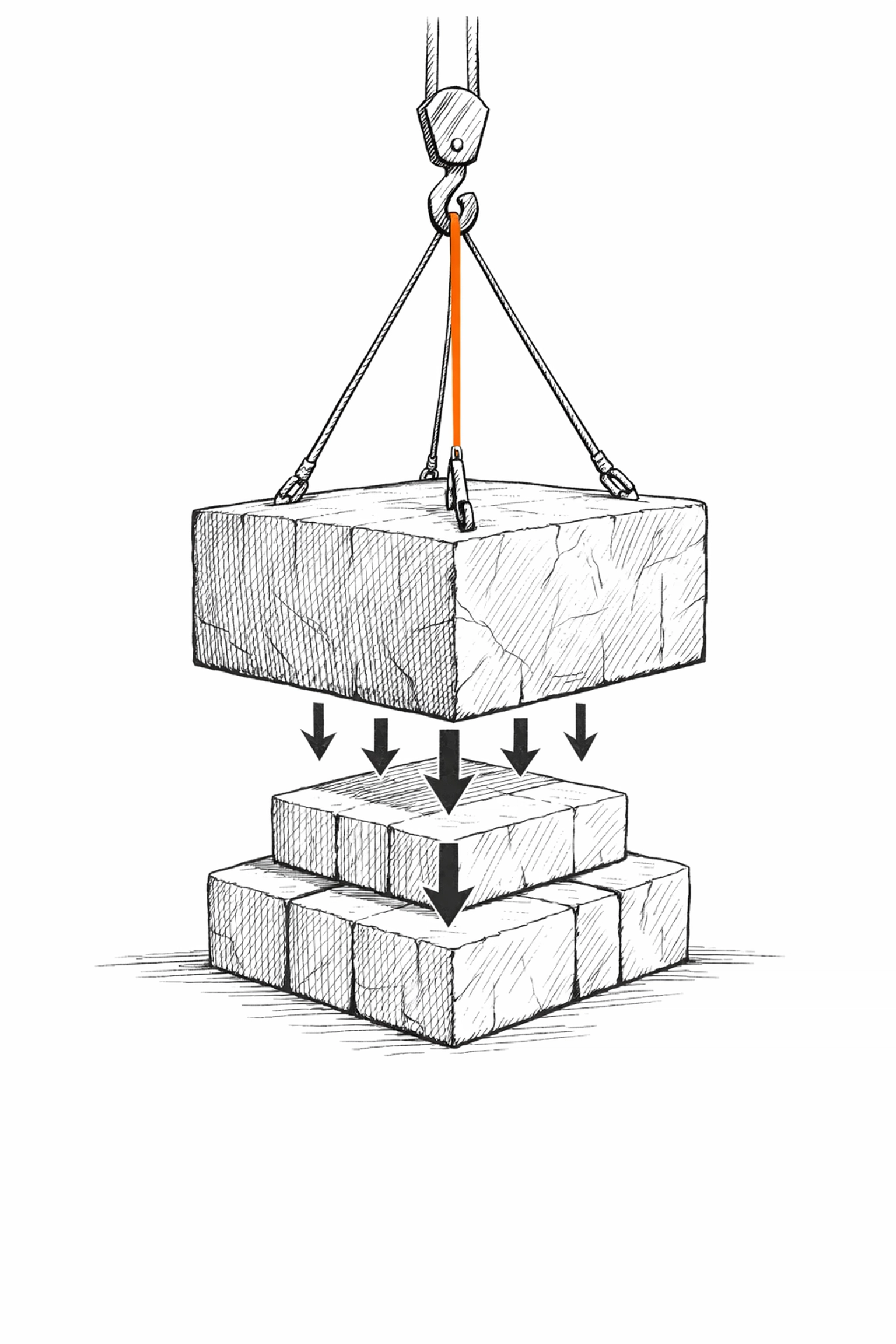
The most immediate thing to understand is that while you might not be the one writing the cheque to the government, you will feel the weight of it. The Building Safety Levy is designed to raise funds for cladding remediation, and developers will be charged at the point of seeking building control approval.
I think it is inevitable that developers will look to recoup these costs elsewhere. Going forward, we are likely to see even tighter margins on tenders. If a developer is paying a significant levy on a project, they will be looking for contractors who can demonstrate extreme efficiency. From an insurance perspective, this means your Construction Contractor Insurance needs to be rock solid. If a project budget is already squeezed by the levy, there is zero room for uninsured losses or disputes over who is responsible for a delay.
I’ve seen many cases where contractors assume their standard liability is enough, but in a post-levy world, the financial stakes of every project are higher. You should be reviewing your Commercial Combined Business Insurance to ensure it covers the full scope of your contractual obligations as budgets tighten across the board.
2. Compliance Mistakes Are About to Get Much More Expensive
One of the biggest takeaways from the recent industry research is that the levy fundamentally changes the price of failure. Before the levy, a compliance error was a headache; after October 2026, it becomes a financial disaster.
The new regulatory framework means that rework and compliance breaches will be monitored more strictly than ever. If a project is delayed because of a safety non-compliance, and that delay interferes with the levy payment schedule or the building control approval process, the developer is going to look for someone to hold accountable.
I believe that Professional Indemnity (PI) insurance is going to be the “make or break” policy for contractors this year. If your design work or professional advice leads to a compliance failure that triggers additional costs or levy complications, you need to be sure your policy hasn’t excluded these specific safety-related risks. I’ve often said that standard liability isn’t enough for specialist businesses, and this is doubly true for contractors facing the 2026 levy.
3. Rebuild Values Must Be Updated Immediately
This is a point I keep hammering home because it is so easy to miss. The Building Safety Levy is part of a broader trend of rising construction costs. As the levy is implemented, the overall cost of delivering residential units in the UK will increase.
If you are insuring a project or your own business premises, you must ensure that your “Sum Insured” reflects 2026 reality, not 2022 prices. If you have an incident on-site and your insurance is based on outdated rebuild costs, you will find yourself “underinsured.” This means the insurer might only pay out a proportion of the claim, leaving you to cover the rest.
I recently wrote a guide on how construction insurance premiums are calculated in 2026, and one of the biggest factors is the accuracy of your valuations. With the levy adding another layer of cost to the industry, making sure your policy reflects the true cost of materials, labour, and regulatory compliance is essential.
4. Understanding Exemptions to Protect Your Pipeline
Not every project will be subject to the levy, and knowing the difference is key to how you risk-manage your business. For instance, developments of 10 units or less are currently expected to be exempt, as is affordable housing and certain non-residential buildings.
However, the definitions are strict. I’ve seen contractors get caught out because they assumed a mixed-use project in London would be exempt, only to find the residential portion triggered the levy. If you are working on smaller projects in areas like Essex, you might be safe from the levy itself, but you will still be competing in a market where the larger players are shifting their strategies.
When you are looking for Business Insurance Essex, your broker should be asking you about the type of projects you are taking on. If you are pivoting from larger levy-heavy developments to smaller exempt ones, your insurance risk profile changes. You don’t want to be paying for high-risk cover if your business model has shifted to lower-risk, exempt residential work.
5. Competence is Now a Rankable Risk Factor
Going forward, “competence” is no longer a buzzword; it is a legal requirement. Under the Building Safety Act and the secondary legislation surrounding the levy, the competence of the people on-site is a primary concern for building control.
From an insurance perspective, I can see that underwriters are becoming much more interested in who is doing the work. In the past, they might have just looked at your turnover and your claims history. Now, they want to see evidence of training and adherence to updated safety standards, like the BS 9792:2025 fire risk assessments.
Investing in staff training for site managers and supervisors isn’t just about safety; it’s about making your business “insurable” at a reasonable price. Contractors who can prove they have a competent workforce are going to secure better rates for their Construction Contractor Insurance. I think we are moving toward a two-tier insurance market: one for firms that can prove competence and one for those who can’t. The latter will find their premiums skyrocketing as we get closer to October.
Practical Next Steps for Your Business
The arrival of the Building Safety Levy in October 2026 is a milestone, but the preparation needs to happen now. Here is what I suggest you do before the summer hits:
- Audit Your PI Insurance: Ensure there are no “silent” exclusions regarding the Building Safety Act or design defects that could lead to levy-related disputes.
- Review Your Tenders: Factor in the potential for “cost-shifting” from developers who are facing the levy. Ensure your contracts have clear clauses regarding delays caused by building control approvals.
- Check Your Valuations: Talk to your broker at Moyak Insurance Services to ensure your rebuild costs and project values are accurate for 2026.
- Document Competence: Start a central file of all staff certifications and safety training. You will need this when it’s time to renew your Business Insurance London or Essex policies.
The October 2026 deadline might feel far away, but in the construction world, six months is the blink of an eye. By getting your insurance and compliance in order now, you’ll be in a much stronger position to navigate the changes without taking a hit to your bottom line.
If you have questions about how these changes affect your specific policy, don’t hesitate to reach out. We’re here to help you make sense of the jargon and keep your business moving forward.