
![[HERO] Why the 2025 Employment Rights Act Will Change the Way You Look at General Contractor Liability Insurance](https://moyakinsurance.co.uk/wp-content/uploads/joomla-import/IdCdwtxfUAY.webp)
If you’ve been operating in the London or Essex construction sector for any length of time, you’ll know that the goalposts don’t just move: they occasionally get dug up and replanted in a different stadium. That is exactly what has happened with the full rollout of the 2025 Employment Rights Act. While most of the initial chatter around this legislation focused on HR departments and “day one” rights, I’ve spent the last few months seeing the ripple effects hit the insurance markets.
The reality is that this Act has fundamentally changed the risk profile of every firm holding General Contractor Liability Insurance. It isn’t just about how you pay your people or how you handle leave anymore. It’s about who “your people” actually are in the eyes of the law, and more importantly, who you are responsible for when something goes wrong on-site.
The Blur Between Subbie and Staff
For years, the construction industry in places like Romford, Chelmsford, and across Greater London has relied on a fluid ecosystem of bona-fide subcontractors and independent tradesmen. You hire them, they bring their own tools, they have their own insurance, and you move on. But the 2025 Act has pushed us closer to a “single status” of worker.
The legal distinction between a self-employed contractor and an employee has become incredibly thin. Under the new rules, many individuals who were previously categorized as independent contractors are now being viewed as “workers” with a much broader range of protections. From an insurance perspective, this is a massive headache.
I’ve noticed that insurers are becoming increasingly pedantic about how you classify your labor force. If the law says they are workers, but your insurance policy thinks they are independent subbies, you’re looking at a massive coverage gap. If a “contractor” is injured on-site and the courts deem them a worker under the 2025 Act, your Employers’ Liability (EL) needs to be rock solid. If you haven’t declared them correctly, you might find yourself self-insuring a very expensive claim.

The Escalation of Vicarious Liability
One of the most significant shifts we are seeing involves vicarious liability. In simple terms, this is the legal principle that makes an employer responsible for the actions (or negligence) of their employees. Historically, if a bona-fide subcontractor caused damage to a third-party property in Central London, their own Public Liability insurance would usually step up.
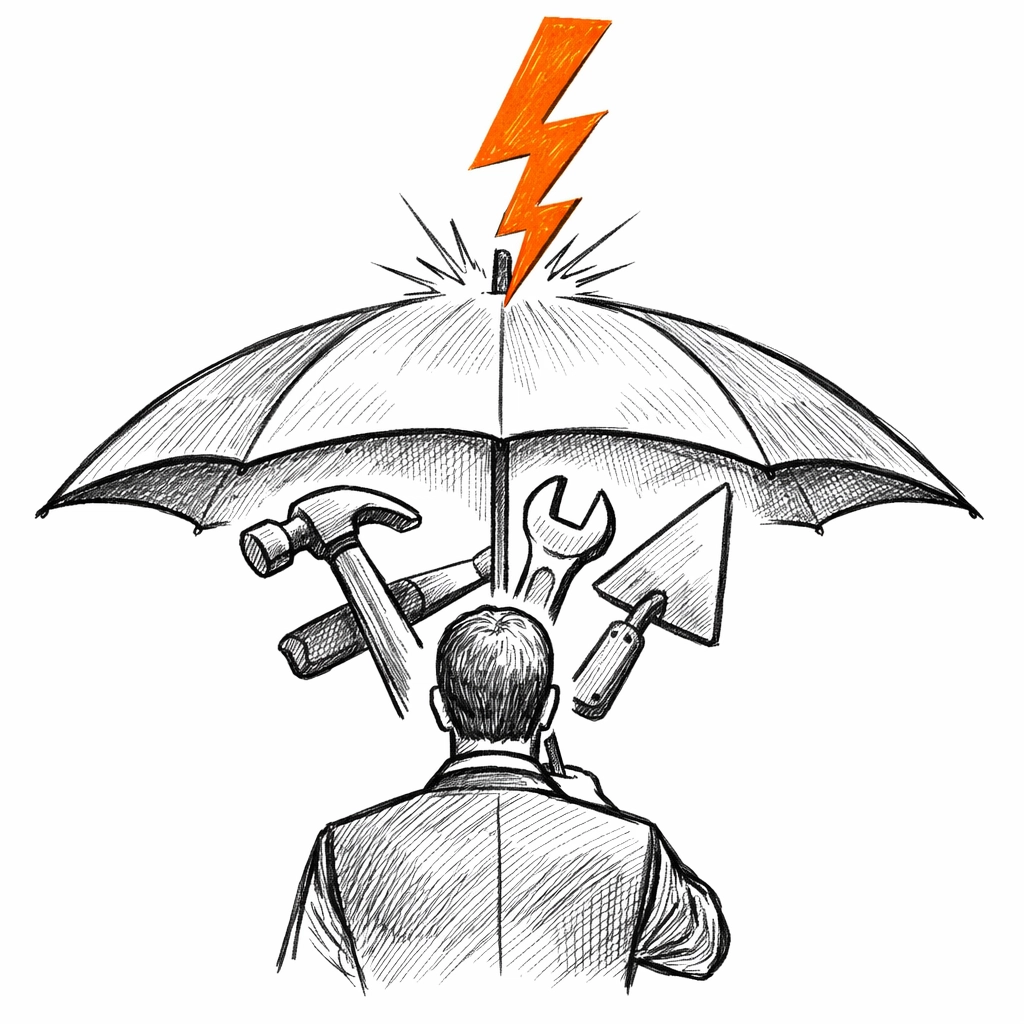
However, the 2025 Employment Rights Act has expanded the “scope of employment.” Because the Act makes it easier for the courts to define a working relationship as an employment-like relationship, the “vicarious liability” umbrella has grown. I’m now seeing cases where the main contractor is being held directly responsible for the mistakes of a sub-contractor simply because the level of control and the nature of the contract now mirror an employment relationship under the new law.
For those of us providing Business Insurance London, this means we have to look much closer at the “Rights of Recourse” in your policies. If your insurer can’t effectively pursue the sub-contractor’s insurance because the law views that sub-contractor as “yours,” your premiums are going to take the hit.
Why London and Essex Firms Are Feeling the Pinch
It’s no secret that the cost of doing business in the South East is higher than elsewhere, but the 2025 Act has added a specific layer of complexity to Business Insurance Essex. We have a high density of mid-sized contracting firms that rely heavily on flexible labor pools to manage fluctuating project demands.
In London, where site conditions are often cramped and the risk of third-party damage is high, the stakes are even higher. I spoke with a director of a fit-out firm in Shoreditch last week who was shocked to find his renewal quote had jumped by 20%. The reason? His insurer had reassessed his “sub-contractor spend” in light of the 2025 Act, assuming that a larger portion of that labor now fell under his direct liability.
Going forward, “business as usual” isn’t going to cut it. You can’t just tick the same boxes you did in 2023. The insurers are digging into the contracts you sign with your tradespeople to see if they align with the new Employment Rights standards. If your contracts look like employment contracts, your General Contractor Liability Insurance needs to reflect that.
The “Day One” Impact on Safety and Risk
The Act introduced “day one” rights for workers, which includes immediate access to certain protections and a lower threshold for raising grievances. While this is primarily a labor issue, it translates into a safety risk.
In my experience, when workers feel more secure in their status, they are more likely to report safety concerns: which is good. However, from a liability standpoint, it also means that any site accident is now scrutinized through the lens of these new rights. If an accident occurs and it’s found that the worker didn’t receive the “employee-level” safety training they were entitled to under the 2025 Act, the contractor’s negligence is much easier to prove in court.
This isn’t just about Public Liability; it’s about the intersection of EL and Commercial Combined Business Insurance. You need to ensure that your risk management protocols have been updated to match the legal status of everyone on your payroll, regardless of whether you call them a “freelancer” or a “temp.”
How to Fix Your Coverage Before It’s Too Late
So, what do we actually do about this? I think the worst thing a business owner can do right now is assume their broker has it covered. Most standard policies haven’t automatically updated their definitions to match the 2025 Act. Here is how I suggest you approach the “fix”:
- Audit Your Labor Contracts: Sit down with your legal counsel or an HR specialist and determine how many of your regular subbies now qualify as “workers” under the 2025 Act. Don’t guess.
- Declare Your True Labor Split: When you talk to us at Moyak or your current broker, be honest about the level of control you have over your contractors. If you provide the tools, set the hours, and they only work for you, the insurer needs to know. It might increase the premium slightly now, but it’s a lot cheaper than a declined claim later.
- Check Your Vicarious Liability Clauses: Ensure your Public Liability policy specifically covers acts of all “workers” as defined by current legislation, not just “employees” as defined by old HMRC rules.
- Review Professional Indemnity: If you are involved in design and build, the 2025 Act can also affect your Professional Indemnity. If a “worker” makes a design error, the line of responsibility is much shorter than it used to be.

A Practical Conversation
I know this sounds like a lot of “insurance-speak,” but at the end of the day, it’s about protecting your livelihood. Whether you are running a cleaning company with a few vans or a major construction firm in the heart of London, the law has changed the way you are viewed as an employer.
We have spent a lot of time at Moyak Insurance Services looking at these specific legislative shifts. We don’t just want to sell you a policy; we want to make sure the policy actually works when you need it. The 2025 Employment Rights Act is a permanent change to the landscape. If your insurance is still living in 2023, you are exposed.
If you’re worried about how these changes affect your current standing, or if your renewal is coming up and you’ve noticed a suspicious price hike, let’s have a chat. We specialize in navigating the complexities of Business Insurance London and Business Insurance Essex, and we can help you figure out exactly where you stand.
Going forward, the contractors who thrive will be the ones who treat their insurance as a dynamic part of their business strategy, not just a certificate they keep in the glove box.
Next Steps for Contractors
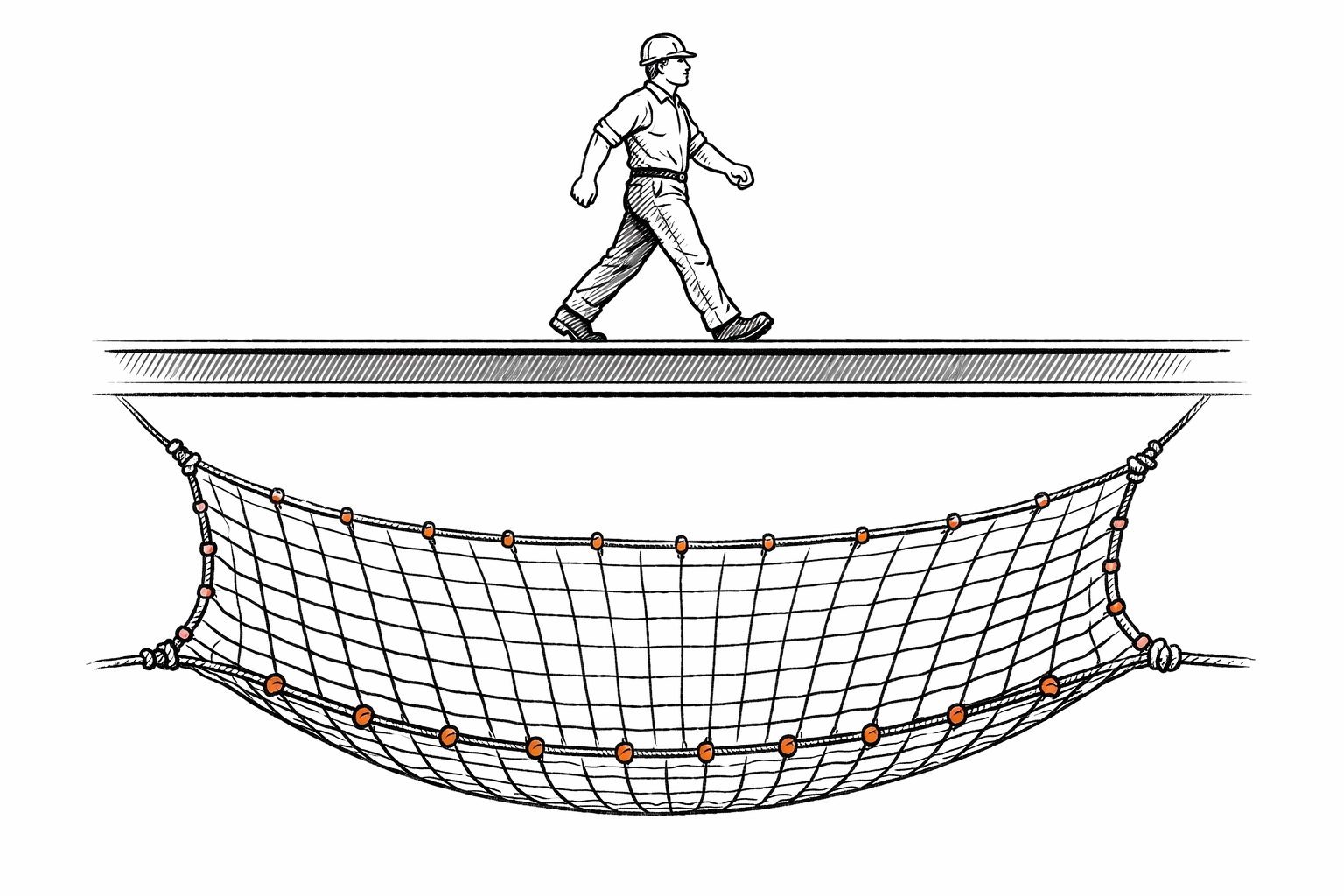
My recommendation is to perform a mid-term review of your General Tradesmen Liability Insurance or your broader contractor policy. Don’t wait for the renewal date. If your business model involves a lot of sub-contracted labor, the 2025 Employment Rights Act has already changed your risk profile.
Check your “Bona-Fide Sub-Contractor” (BFSC) and “Labour Only Sub-Contractor” (LOSC) definitions in your policy wording. If those definitions don’t align with how the new Act classifies your team, you need an endorsement on your policy immediately.
Feel free to reach out to us at Moyak. We’re here to help you make sense of the mess and ensure that your business remains as solid as the structures you build. You can find more information on our General Contractor Liability Insurance page or drop us a line for a more personal consultation. Keep building, but keep yourself covered.