
The contractors all risks market is beginning to loosen. Two October announcements point to a more accommodating picture: HSB’s Contractors All Risks appetite has widened, with higher limits and reductions for some trades, while Marsh has launched two construction facilities focused on road risks and contractors’ plant.
For contractors, especially those planning work across Essex, Kent and London, that is welcome news. But it needs to be read carefully. A lower price or higher available limit does not automatically mean your existing policy covers more, or that its limits fit your next job. I think the practical opportunity is to check whether the cover still matches your workload, rather than simply bank a cheaper premium.
1. What actually changed: more capacity, wider terms
In an announcement dated 13 October, Commercial Express said base rates for HSB’s Contractors All Risks cover had reduced by approximately 15 per cent across several core trades: builders, bricklayers, fencing contractors, gardeners and stonemasons. It also announced new discounts of up to 50 per cent relating to no claims discount, voluntary excess, security, turnover and contract length. The available discount will depend on the applicable terms and circumstances.
Some limits have increased too. The contract works turnover limit moved from £5 million to £10 million, and the maximum contract value from £1.5 million to £3 million. Before referral, the own plant limit rose from £250,000 to £1 million and the hired-in plant limit from £250,000 to £500,000, alongside increased any-one-accident limits.
These are significant changes to the particular HSB proposition described in the Commercial Express announcement. They are not automatic changes to every contractor’s policy or a general market-wide increase in cover.
The announcement shows an insurer prepared to offer wider appetite and higher limits on this scheme. For contractors, that may mean more options to consider when reviewing Construction Contractor Insurance, but the policy wording, eligibility and declared risk still matter.

2. A limit that was fine before may not fit your work now
The increased turnover, contract value and plant limits are a useful prompt to review your own figures. They also suggest the kinds of limits that may need attention as a contractor’s workload and equipment needs change. A limit chosen for an earlier stage of the business may no longer reflect the largest job in your current pipeline.
Check your contract works turnover limit against the work you expect to undertake, and your maximum contract value against your largest current job. For plant, look at the highest value of owned equipment you could have at risk, and the value of hired-in plant that may be on site at the same time. An increased limit on a market scheme is not a reason to assume your own policy has kept pace.
It is worth being precise about what you are asking for. Contract works turnover, maximum contract value, own plant and hired-in plant are different checks; a higher figure in one area does not resolve a shortfall in another. Ask your broker to confirm the limits and how they apply, not just whether the premium has fallen.
If you want a broader review of the cover involved, our guide to Construction Contractor Insurance explains why project details and policy sections need to be considered together.
3. A wider trade list does not mean automatic cover
The HSB announcement adds 31 trades to its separate Contractors All Risks appetite and says up to three trades can be covered without referral on that dedicated product. Among the newly listed trades are joiners, lift engineers, rendering contractors, door entry system installers, electric vehicle charging point installers, gas fitters, plant hire businesses and exhibition stand erectors.
That can make it easier for more contractors to be considered. But “can be quoted” is not the same as “automatically covered”. What you tell the insurer about the work remains important. A joiner who also takes on fitting work, or an EV charging point installer whose jobs include other electrical tasks, needs to describe the actual activities accurately. The work that feels incidental to the business may still be relevant to underwriting.
This is an area where a short description on a proposal can miss important detail. Tell your broker about the full range of work, including occasional jobs and changes in what you undertake. If you are looking at General Contractor Liability Insurance, the same practical point applies: the description of the business should reflect the work being done, not just the main trade name.

4. Rates down is not the same as cover up
A discount can help, but it does not, by itself, improve the cover. The announced discounts relate to factors including claims history, voluntary excess, security, turnover and contract length. Check what applies to your circumstances and what the policy requires. A lower premium on a basis that does not reflect the job you are doing can be a false saving.
I’m cautious about buying contractors’ cover through a question set alone. It can be a convenient starting point, but a project often has details that need a conversation. Does the job sit under a JCT contract? Who supplies and operates the plant? How long will the site or road remain open to traffic? These details can affect what an insurer needs to understand before it considers the risk.
The point is not that one contract form or site arrangement automatically creates a problem. It is that the insurer needs an accurate account of the work and responsibilities to assess the cover. A broker’s job is to bring those details into the discussion, then check the terms offered against the contractor’s real requirements. Our commercial combined insurance information is also relevant for businesses considering how different covers fit together, though the appropriate arrangement depends on the business and the policy.
5. Where the new capacity may genuinely help
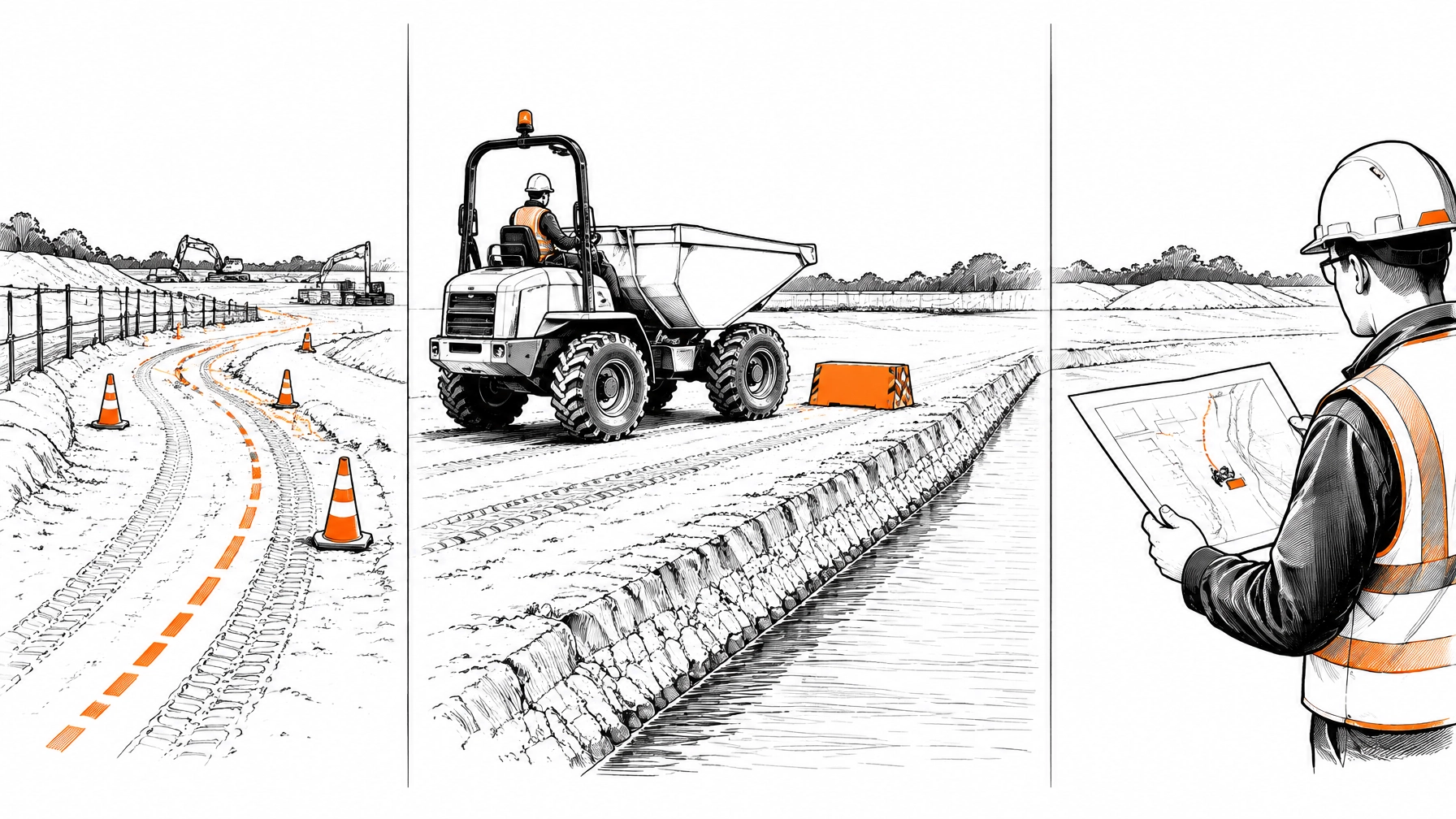
Marsh announced two new UK construction facilities on 19 October. Strada is project-specific insurance for UK road contractors, covering construction all risks (CAR) and third-party liability (TPL). Its road and highway clauses address extensions, open-to-traffic phases and phased completions. The announcement gives confirmed limits of up to £1 billion for CAR and up to £1 million for TPL, and says the facility includes two months’ free extension cover.
That focus matters because a project can be open to the public before formal handover. Marsh’s Head of Global Contractors, Guy Fitzgibbon, highlighted that road and highway work periods are frequently extended and roads are often open to traffic before handover. Contractors should make sure the duration and stages of the work are discussed, rather than assuming a standard project description tells the whole story.

Marsh’s second facility, Machina, covers contractors’ plant and equipment for both standalone placements and annual construction programmes. It uses a single pre-agreed rating matrix for consistent pricing, with capacity tailored to individual placements. For contractors managing plant across a programme, that may be a useful development to discuss with a broker.
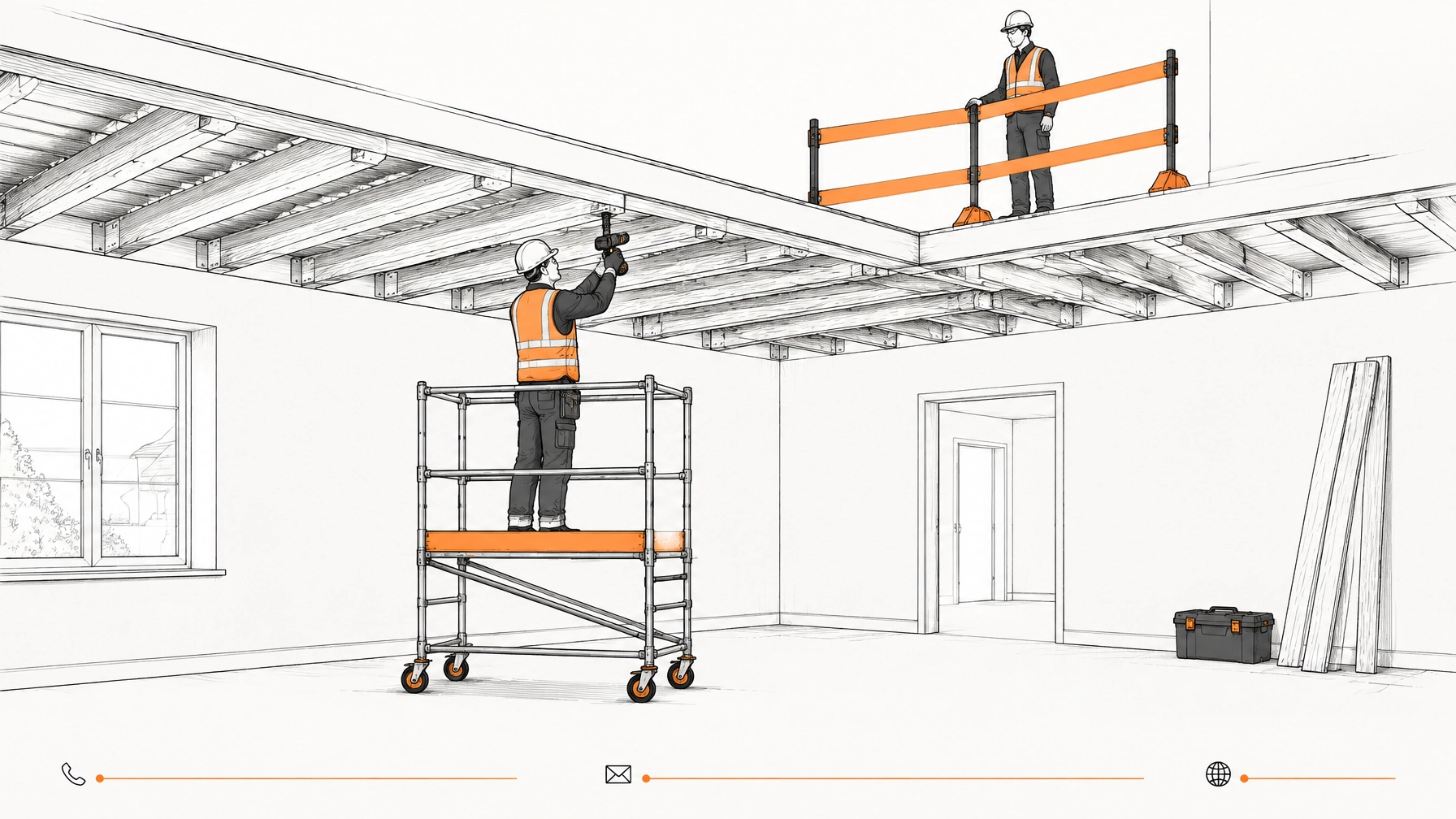
The HSB announcement also cites increased authority for timber-framed projects. That is another market development contractors with relevant work may want to raise when reviewing options, while still providing the project details insurers need.
Fitzgibbon said the UK construction industry is forecast to grow by 3.2 per cent annually between 2027 and 2030, driven by data centres, transport infrastructure and housing. That forecast is a reason to plan ahead: consider what upcoming work could mean for contract values, plant needs and the length or phasing of projects, rather than focusing only on this year’s renewal price.
Use the easing to review, not just to save
At renewal, have a conversation that tests your limits against your current work and pipeline. List every trade you undertake, including smaller or occasional activities, and confirm your arrangements for owned and hired-in plant in writing. If road or highway work is involved, discuss phasing, extensions and any periods when the public can use the site before handover.
Moyak acts as a business insurance broker in Essex, Kent and London, dealing with the UK’s leading master brokers to help clients find cover suited to their budget and property. The HSB and Marsh developments described here are market developments, not Moyak products or an endorsement of either scheme.
The market may be offering contractors more choice.
The useful next step is to make sure the limits, declared work and policy terms fit the business you are running now.