

I’ve spent a lot of time talking to contractors across Essex, Kent, and London, and there is one thing I see time and time again: a deep-seated frustration with insurance. Most construction business owners I speak with view insurance as a “necessary evil”: something they pay for because the contract requires it, but they often don’t truly understand what they’re getting until it’s too late.
In the fast-paced environment of 2026, where project complexities are rising and site safety regulations are tighter than ever, the stakes have changed. A “basic” policy that worked five years ago might leave you completely exposed today. Whether you’re a sole trader or running a large firm, I’ve identified seven critical mistakes that could potentially sink your business if they aren’t addressed.
1. The “Everything is Covered” Assumption
The most common mistake I see is the belief that a General Contractor Liability Insurance policy is a catch-all for every mishap on site. It isn’t.
General Liability (GL) is designed to protect you against third-party bodily injury and property damage. It does not cover your own tools, your own faulty workmanship, or injuries to your own employees. I often have to explain to clients that if a wall you built collapses because of poor technique, GL might pay for the damage to the floor below, but it won’t pay to rebuild that wall.
How to fix it: Map your risks. Sit down and look at what could go wrong. If you have employees, you need Employer’s Liability. If you have expensive equipment, you need specific plant and tool cover. Don’t assume; ask your broker for a “gap analysis.”
2. Sticking with Minimum Limits While Scaling
When you started out, a £1 million or £2 million limit might have seemed like a fortune. But as you move into larger commercial projects or high-end residential work in London, those limits can be eaten up in a heartbeat.
If a serious injury occurs on a site where you are the lead contractor, the legal fees and compensation claims can easily exceed basic limits. If your policy maxes out, the rest comes out of your business (or personal) pocket.
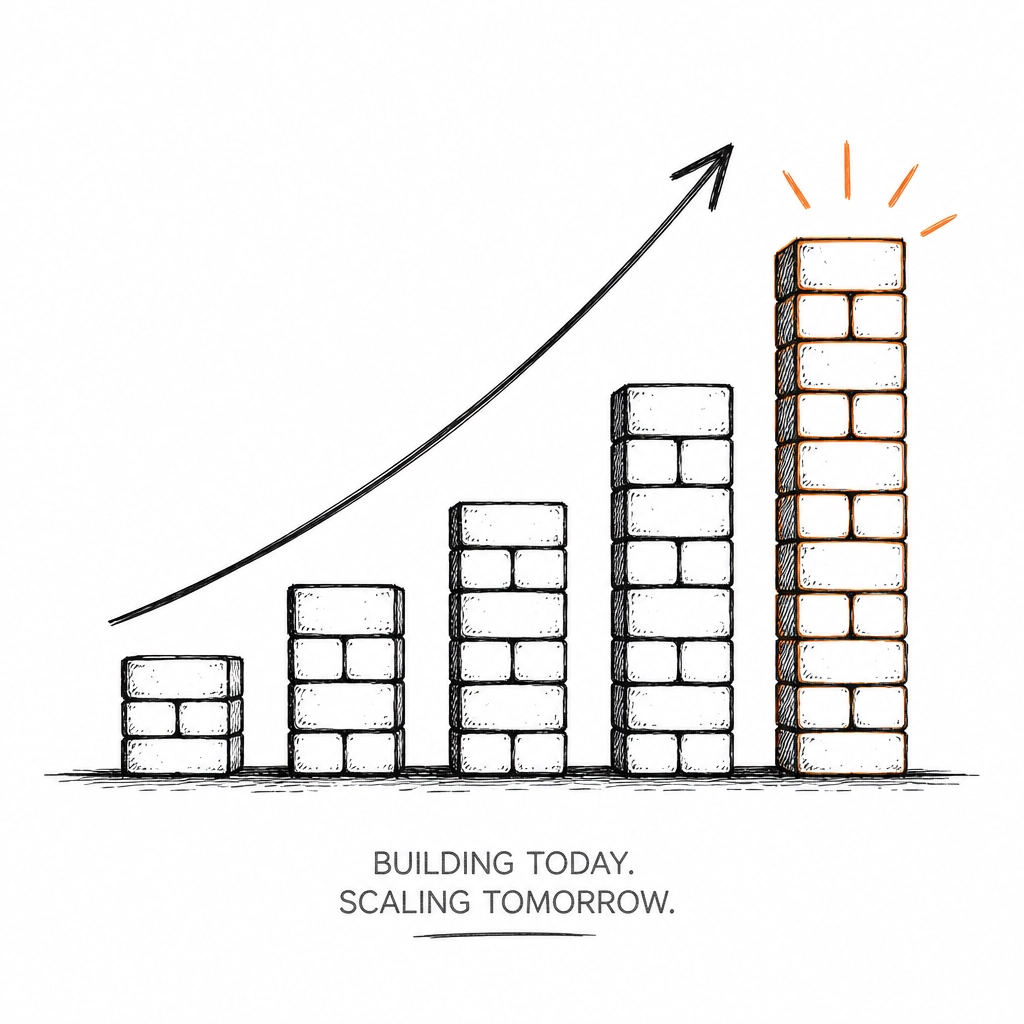
How to fix it: Tie your limits to your project size and total business assets. As your revenue grows, your insurance should grow with it. We often recommend scaling your construction business by reviewing limits every time you take on a contract that is 20% larger than your previous average.
3. The Subcontractor “Blind Spot”
If you use subcontractors, you are technically responsible for the site. A major pitfall is assuming your “subs” have their own insurance and leaving it at that. I’ve seen cases where a subcontractor’s policy had lapsed or didn’t cover the specific work they were doing for the lead contractor.
When the claim comes in, the insurers will look for the deepest pockets: and that’s usually the main contractor.
How to fix it: Always verify Certificates of Insurance (COI). Don’t just take their word for it; keep a digital folder with updated copies of their policies. Ideally, you should be named as an “Additional Insured” on their policy for the duration of the project.
4. Falling into the “Design Creep” Trap
Many contractors tell me, “I don’t do design, I just build.” But in reality, if you suggest a change to a drawing, recommend a specific material for its structural properties, or provide advice that the client relies on, you are performing “professional services.”
General Liability excludes professional advice. If that advice leads to a structural failure, you are on your own without Professional Indemnity (PI) insurance.
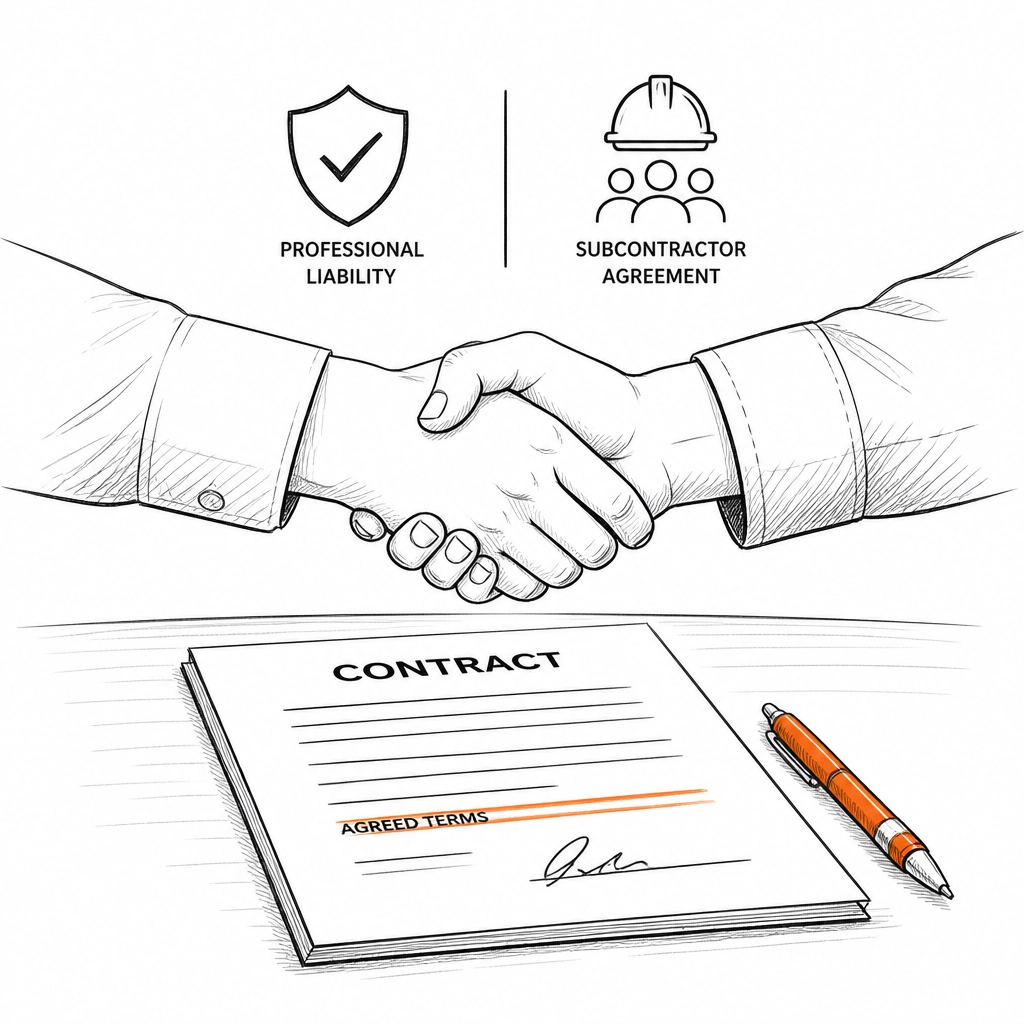
How to fix it: If you are involved in design-build projects or even just provide significant consultation, you need to add Professional Indemnity to your Commercial Combined package. It’s a small price to pay to protect your reputation and your bank account from “design creep” claims.
5. Neglecting Tools and Transit Cover
In areas like Kent and London, tool theft is a massive issue. I’ve spoken to contractors who lost £10,000 worth of kit overnight, only to find their insurance only covered tools while they were “locked in a building” and not in a van, or didn’t cover them at all because they weren’t specified on the policy.

How to fix it: Ensure you have “Inland Marine” or dedicated Tools and Equipment Insurance. Check the “overnight storage” clauses carefully. Some policies require your van to be parked in a secure compound or have specific alarm systems for the cover to remain valid.
6. Choosing the Cheapest Policy Over the Best Cover
I understand the temptation to go for the lowest quote. Margins in construction can be thin. However, a cheap policy often has high deductibles and, more importantly, “silent” exclusions. You might save £200 a year on premiums but end up with a £5,000 “excess” or an exclusion for “work at height” that makes your insurance useless for roofing or scaffolding.
How to fix it: Use an independent broker. We deal with the UK’s leading master insurance brokers to find the best cover for your budget. The goal isn’t the cheapest price; it’s the best value: the policy that actually pays out when you need it to.
7. Letting Policies Go “Stale”
Your business is dynamic. Maybe last year you only did residential extensions, but this year you’ve started doing basement excavations. If your insurer thinks you are still just doing “general carpentry,” they may refuse a claim related to an excavation collapse.
“Stale” insurance is a silent killer. It gives you a false sense of security while providing zero actual protection for your current operations.
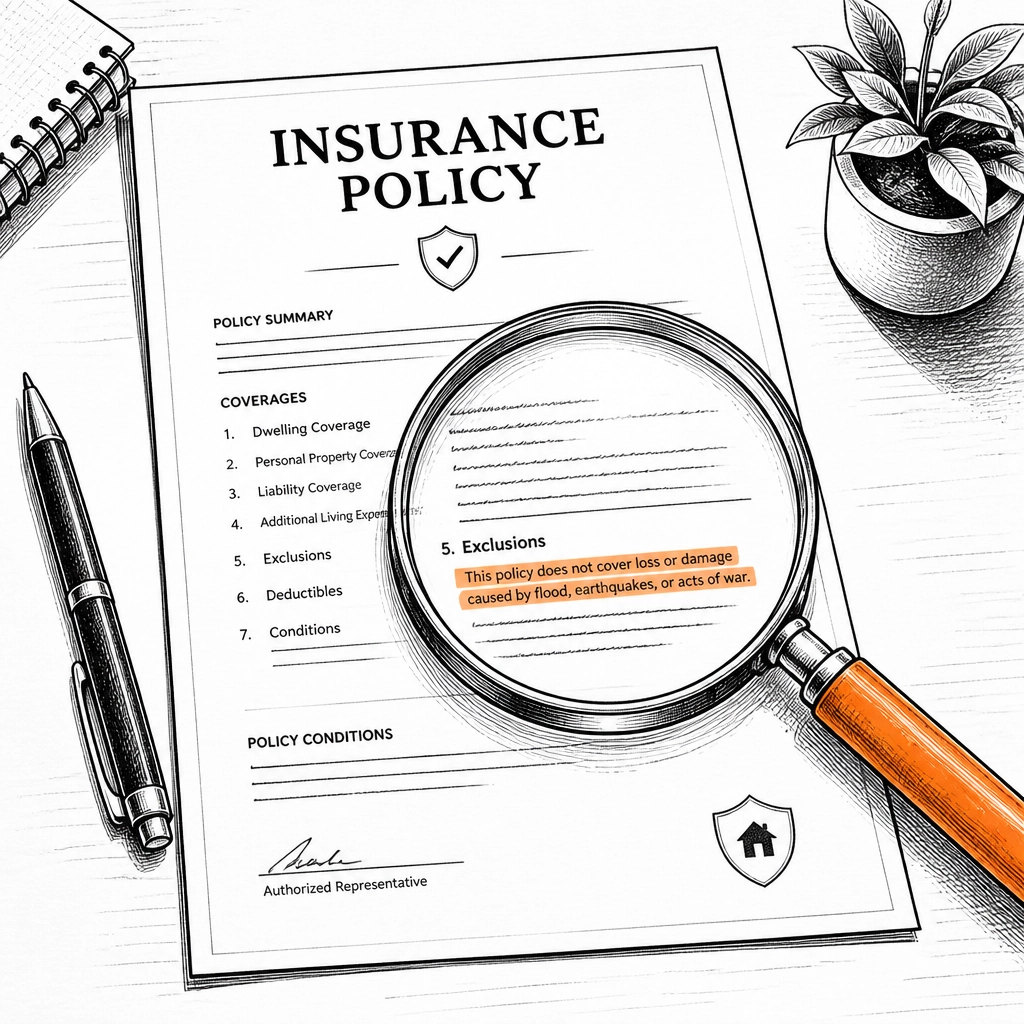
How to fix it: Perform an annual review. In fact, don’t even wait for the renewal. If you change your “scope of work” or trade classification, call your broker immediately. It’s better to pay a small adjustment fee now than to have a claim rejected later.
Moving Forward
Insurance doesn’t have to be a headache, but it does require a bit of proactive care. From my perspective, the contractors who thrive are the ones who treat their insurance broker as a partner in their business growth, not just a line item on their expenses.
At Moyak Insurance Services, we take an individual approach to every client. Whether you’re a specialist tradesman in Kent or a general contractor in the heart of London, we’re here to help you navigate these pitfalls.
Don’t wait for a claim to find out you’re underinsured. Reach out to us today for a full review of your current coverage.