
![[HERO] Are You Making These Common General Contractor Liability Insurance Mistakes with Subcontractors?](https://moyakinsurance.co.uk/wp-content/uploads/joomla-import/eYGVMtMRwXW.webp)
If you are running a construction firm in the UK, you know that your subcontractors are the lifeblood of your projects. Whether you are managing a residential renovation in Essex or a large-scale commercial build in Central London, you can’t be everywhere at once. You rely on electricians, plumbers, and bricklayers to get the job done. But from an insurance perspective, every subcontractor you bring onto a site represents a potential “blind spot” in your coverage.
I’ve spent a lot of time talking to directors and project managers who are under the impression that their primary policy is a safety net for everyone under their umbrella. While it’s true that a solid General Contractor Liability Insurance policy is essential, there are several common mistakes I see contractors making when it comes to their “subbies.” These mistakes don’t just lead to higher premiums; they can lead to total claim denials that could bankrupt a firm.
At Moyak Insurance Services, we see the fallout when these details are missed. Let’s walk through the most common pitfalls so you can make sure your business stays protected.
The Myth of Automatic Coverage
One of the most dangerous assumptions a general contractor can make is thinking that their subcontractors are automatically covered under their own Construction Contractor Insurance.
In reality, most standard public liability policies are designed to cover the actions of your direct employees. Subcontractors are generally considered independent entities. If a subcontractor causes a massive leak that destroys three floors of a building, the insurer will first look to that subcontractor’s own policy. If that subcontractor doesn’t have insurance, or if their policy has lapsed, the responsibility often bounces back to you.
I’ve seen cases where contractors assume that because they pay the subbie, they “own” the risk. But unless you have specifically disclosed the use of subcontractors to your broker and ensured your policy is rated for “Bona-Fide Subcontractors,” you might find a massive hole in your coverage when you need it most.
Failing to Verify Certificates of Insurance (COIs)
Checking a Certificate of Insurance (COI) once at the start of a relationship is a mistake I see all the time. Just because a plumber had valid insurance when you hired them in January doesn’t mean they still have it in April. Policies lapse, payments are missed, or sometimes, subbies change their coverage levels without telling you.
Going forward, you should have a system in place to verify that every subbie on your site has active, valid insurance for the duration of the project. A COI is just a snapshot in time; it isn’t a guarantee of future coverage.
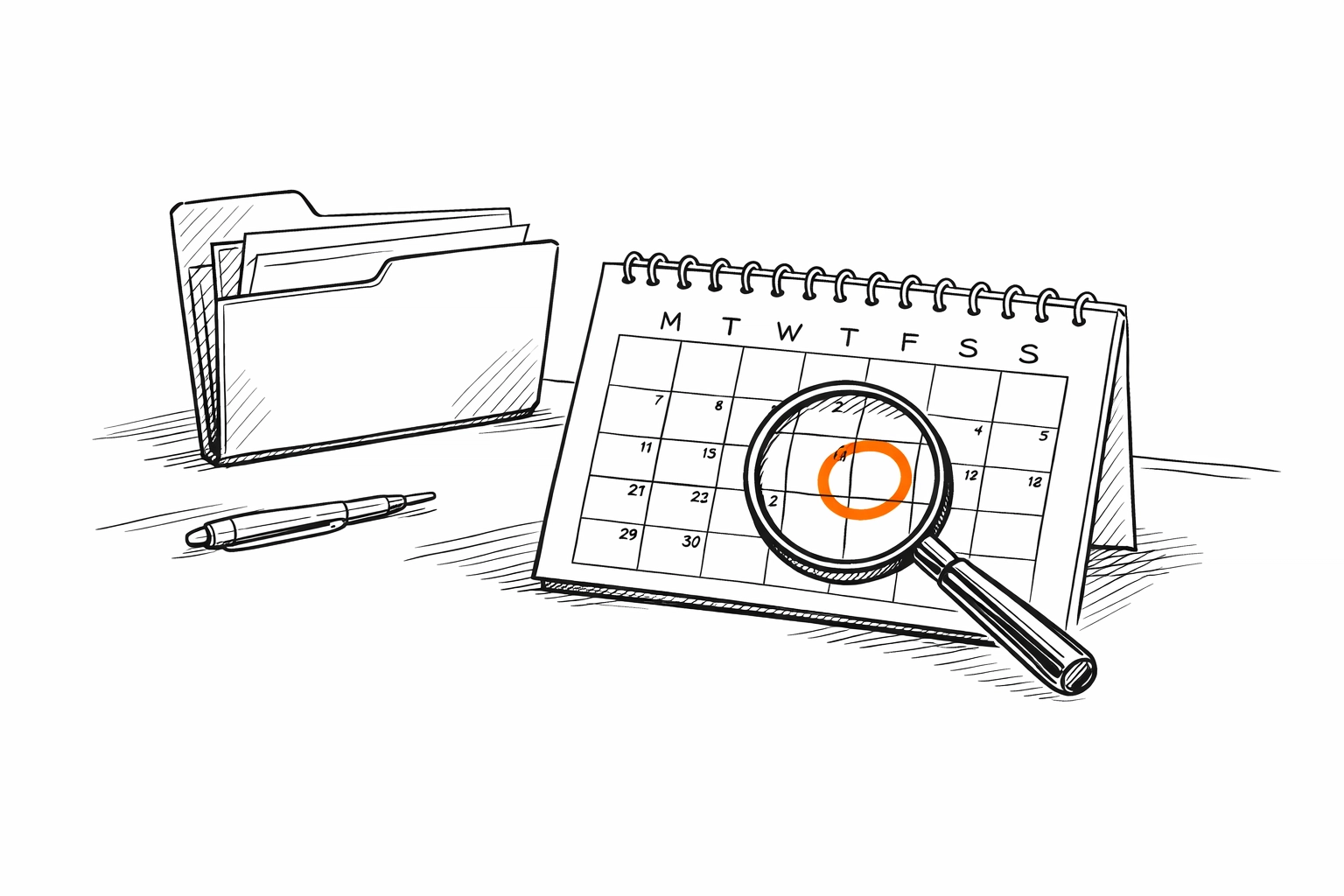
I often suggest to our clients at Moyak that they keep a digital folder for every subcontractor, with a clear alert for policy expiration dates. If their insurance expires mid-project, they shouldn’t be allowed back on site until they provide an updated certificate. It sounds strict, but it’s the only way to shield yourself from being held liable for their mistakes.
The “Additional Insured” Trap
Even if your subcontractor has their own insurance, you are still at risk. This is where the concept of “Additional Insured” comes into play. Ideally, your written contract with a subcontractor should require them to name you (the general contractor) as an “Additional Insured” on their liability policy.
Why does this matter? Because if a claim arises from the subcontractor’s work, you want their insurance to be the “primary” responder. Being an additional insured gives you a direct right to seek coverage under their policy. Without this, you might have to rely on your own General Contractor Liability Insurance, which could lead to a claim on your record and a spike in your premiums, even though you didn’t actually do the work that caused the damage.
Handshake Deals and the Lack of Written Contracts
We all like to think our word is our bond, and in the construction industry, relationships are everything. But when it comes to insurance, a handshake deal is a disaster waiting to happen.
Every subcontractor relationship should be backed by a written contract that clearly outlines insurance requirements. This contract should include “Indemnity” and “Hold Harmless” clauses. These clauses essentially say: “If I get sued because of a mistake you made, you (the subcontractor) agree to take the blame and pay the costs.”
Without these written agreements, it becomes a game of “he said, she said” during a legal battle. Most insurers will actually require you to have these written contracts in place as a condition of your policy. If you can’t produce a written contract during a claim investigation, your insurer might have grounds to reduce their payout or deny the claim entirely.
Ignoring Vicarious Liability
You might think, “I did everything right. I’m a great manager. I shouldn’t be responsible for someone else’s error.” Unfortunately, the law often sees it differently. This is called Vicarious Liability.
As the general contractor, you are often held legally responsible for the actions of those you hire to perform work on your behalf. If a subcontractor’s employee gets injured or causes property damage, the injured party will almost always sue the general contractor because you are the one with the “deep pockets” and the primary contract with the client.
I can’t stress enough how important it is to understand that your Construction Contractor Insurance needs to be broad enough to cover these vicarious liability claims. It’s one of the first things we look at when reviewing a firm’s coverage.
The “Action Over” Claim
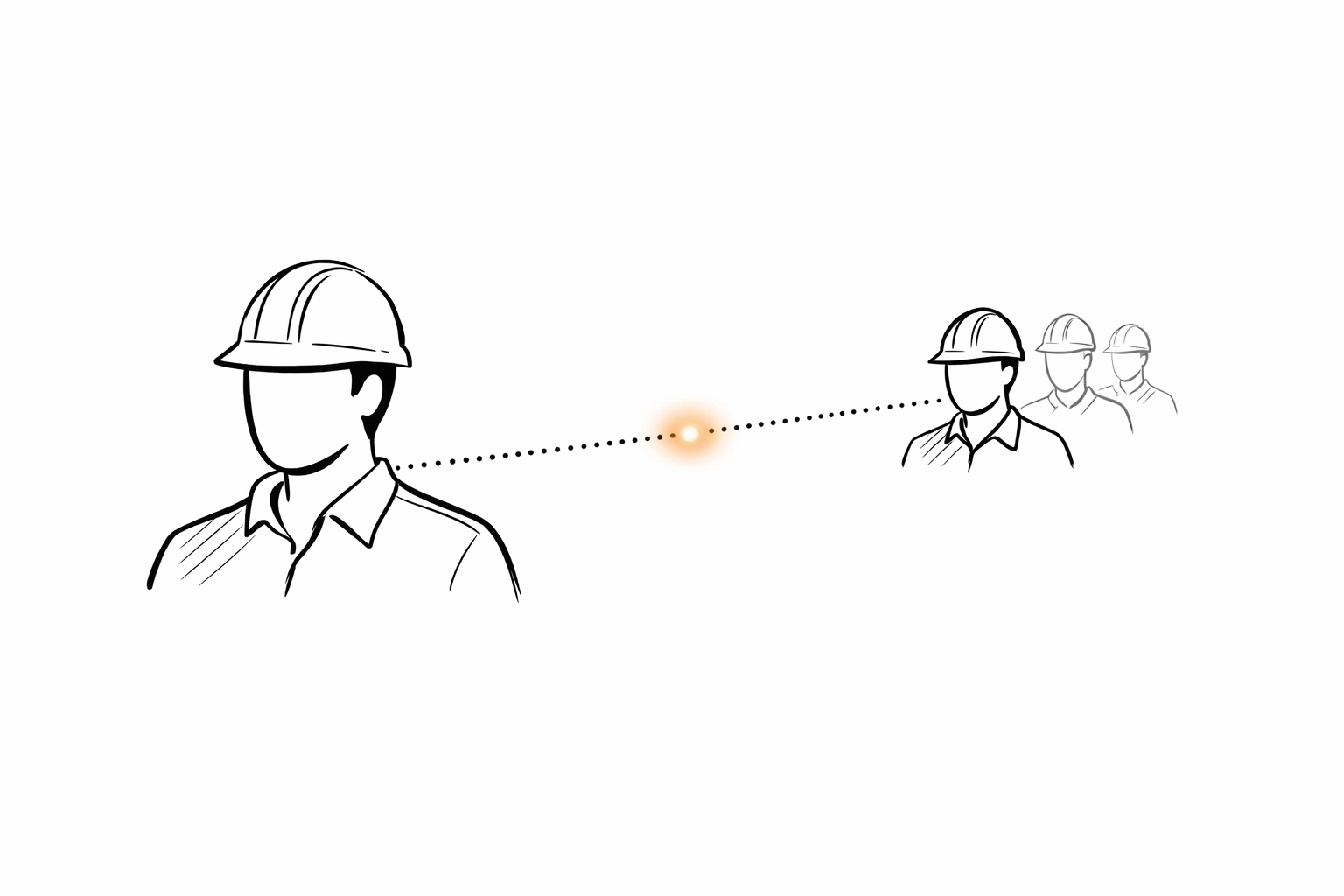
This is a technical area, but it’s vital for anyone managing sites in the UK. An “Action Over” claim happens when a subcontractor’s employee gets injured on your site. They collect workers’ compensation from their own employer (the subbie), but then they turn around and sue you, the general contractor, alleging that you failed to provide a safe working environment.
Many standard liability policies have exclusions for these types of claims if they involve subcontractors. If your policy has a “Subcontractor Exclusion” or a very narrow “Injury to Subcontractors” clause, you could be facing a multi-million-pound lawsuit with zero help from your insurance company.
I’ve seen this happen specifically with new building safety rules. The regulatory landscape is getting tighter, and GCs are being held to a higher standard of care than ever before.
Why Personalized Care from a Broker Matters
At this point, you might be feeling a bit overwhelmed. It feels like every time you hire a subbie, you’re walking into a minefield. This is exactly why we believe in the human element of insurance brokerage at Moyak Insurance Services.
Online “quick quote” tools often skip the nuances of subcontractor management. They give you a price, but they don’t tell you about the exclusions buried on page 45 of the policy wording. We take a different approach. We want to sit down: virtually or in person: and actually look at how you use subcontractors.
We help our clients by:
- Reviewing Subbie Contracts: We can’t give legal advice, but we can tell you if your contract’s insurance requirements match what your policy expects.
- Checking Policy Endorsements: We make sure there aren’t any “nasty surprises” like total exclusions for work done by subcontractors.
- Advising on Limits: We help you decide if a £2 million or £5 million limit is more appropriate based on the scale of your projects.

Practical Next Steps for Your Construction Firm
If you’re reading this and realizing your subcontractor management is a bit loose, don’t panic. Here is a quick checklist to get back on track:
- Audit Your Subbies: Make a list of everyone you’ve hired in the last six months. Do you have a current COI for all of them?
- Standardise Your Contracts: If you don’t have a written agreement that includes insurance and indemnity clauses, get one drafted.
- Check Your Own Policy: Look for keywords like “Bona-fide subcontractors” and “Labour-only subcontractors.” Make sure you know which is which and that you are covered for both.
- Talk to Us: If you aren’t sure what your policy covers, send it over to us. We’re happy to take a look and give you a straight answer.
The construction industry is risky enough as it is. You shouldn’t have to worry about whether a subbie’s mistake is going to take down your entire business. By being proactive and working with a broker who understands the local London and Essex markets, you can focus on building while we focus on the fine print.
If you want to make sure your General Contractor Liability Insurance is actually doing its job, reach out to us at Moyak Insurance Services. We’re here to help you navigate these complexities with the personalized care your business deserves.