
![[HERO] Why the 2026 IR35 Rules Will Change the Way You Handle Construction Contractor Insurance](https://moyakinsurance.co.uk/wp-content/uploads/joomla-import/ce_8aY4zygG.webp)
As we sit here in the spring of 2026, the landscape for the UK construction industry has shifted once again. For those of us who have been navigating the complexities of off-payroll working rules for years, the changes that came into effect this month aren’t just another layer of red tape: they represent a fundamental pivot in where the risk lies. If you are managing a growing construction firm or working as a high-level specialist contractor, the way you look at your Construction Contractor Insurance needs to change immediately.
I have spent a lot of time recently talking to clients in the City and across the Home Counties about these updates. Whether you are seeking Business Insurance London or looking for a more tailored approach to Business Insurance Essex, the conversation always comes back to the same thing: who is holding the liability when HMRC comes knocking?
The 2026 Shift: Responsibility Returns to the Contractor
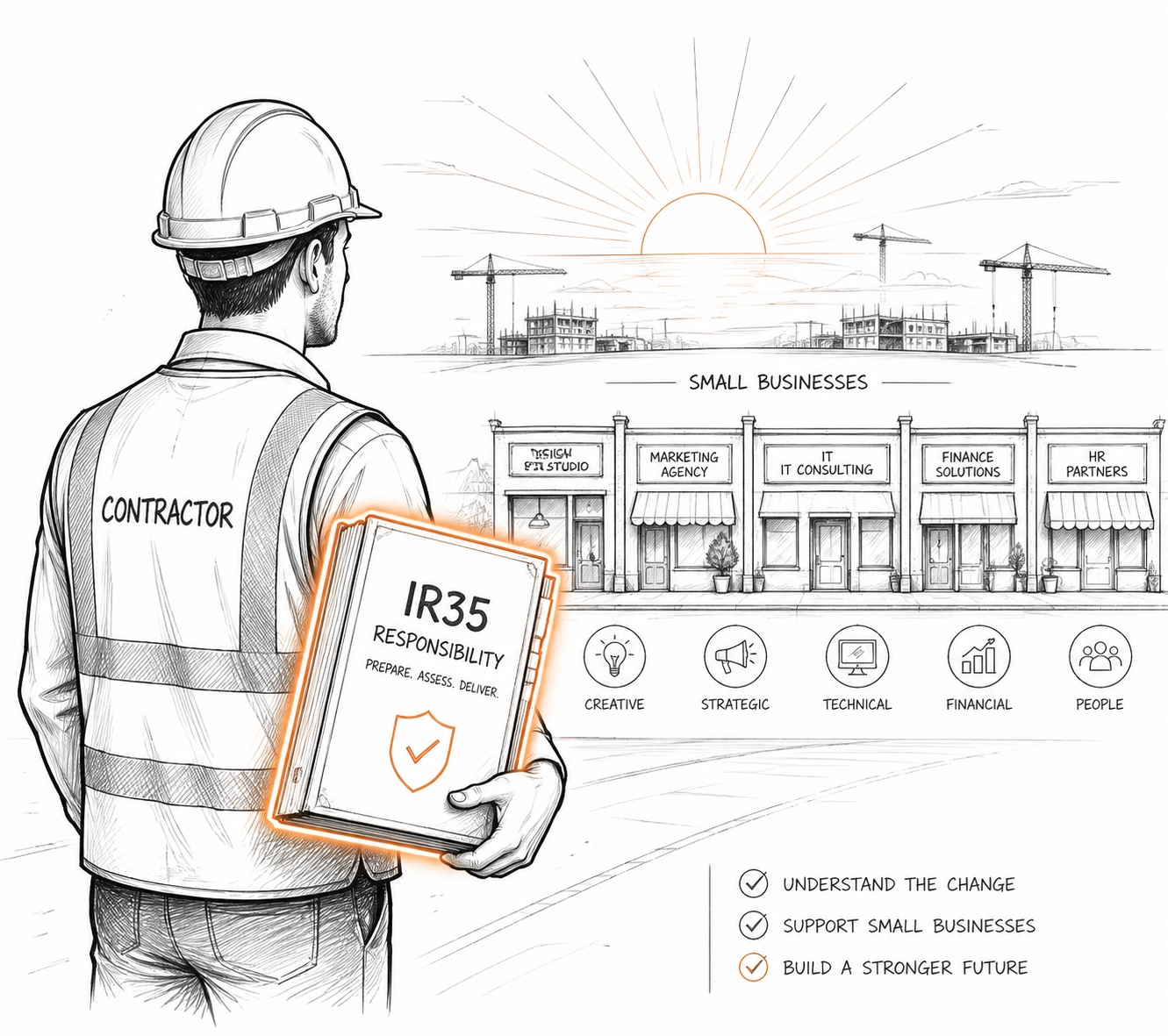
The headline change for April 2026 is one that caught many off guard. For a long time, the burden of determining IR35 status sat firmly with the “end-user” or the client, provided they weren’t a small business. However, new statutory thresholds have seen approximately 14,000 companies reclassified as “small.”
What does this mean for the average construction project? It means that for a huge number of contracts, the responsibility for determining IR35 status has shifted away from the hiring company and straight back onto the individual contractor.
I think this is a bit of a double-edged sword. On one hand, contractors regain control over their own status determinations. On the other, they are now the primary target for HMRC if that determination is found to be incorrect. In the construction sector: which HMRC has long flagged as a high-risk area due to the “supervision, direction, or control” nature of the work: this is a significant financial threat.
Why Construction is Under the Microscope
Construction has always been a unique beast when it comes to tax and employment status. Unlike a software developer who might work entirely remotely and autonomously, a construction contractor is often on-site, using the client’s heavy machinery, and following a strict project manager’s schedule.
This creates a “grey area” that HMRC loves to explore. If you are a site manager or a specialist engineer working through a limited company, your daily reality often looks a lot like employment, even if your contract says otherwise. With the 2026 rules, if you’re working for one of those 14,000 newly reclassified small firms, you are the one who has to prove you are genuinely in business on your own account.
I’ve seen how these investigations play out. They aren’t just about the tax you owe; they are about the legal fees, the time spent away from the site, and the massive stress of defending your professional reputation. This is where your insurance portfolio needs to step up.
Adapting Your Construction Contractor Insurance
If you haven’t reviewed your policy since the start of the year, you might be exposed. Standard General Contractor Liability Insurance is excellent for covering physical risks: accidents on site, damage to property, or injury to the public: but it rarely touches the sides of a tax investigation.
Going forward, a robust insurance pack for a construction professional in 2026 needs to include:
- Professional Indemnity (PI) Insurance: This is often a requirement for winning tenders, but you need to ensure it includes “Fitness for Purpose” or specific contractual liability cover that matches the complexity of modern builds.
- Tax Investigation Cover: This is no longer an “optional extra.” It should cover the costs of professional representation during an IR35 inquiry.
- Legal Expenses Insurance: Specifically tailored to contract disputes and HMRC challenges.
At Moyak Insurance Services, we take an individual approach to every client. We don’t believe in “off-the-shelf” policies because a contractor working on a residential development in Essex has a completely different risk profile than a firm handling commercial retrofitting in Central London. We care about every client, ensuring that your cover actually matches the reality of your day-to-day work.
The “Small Company” Trap
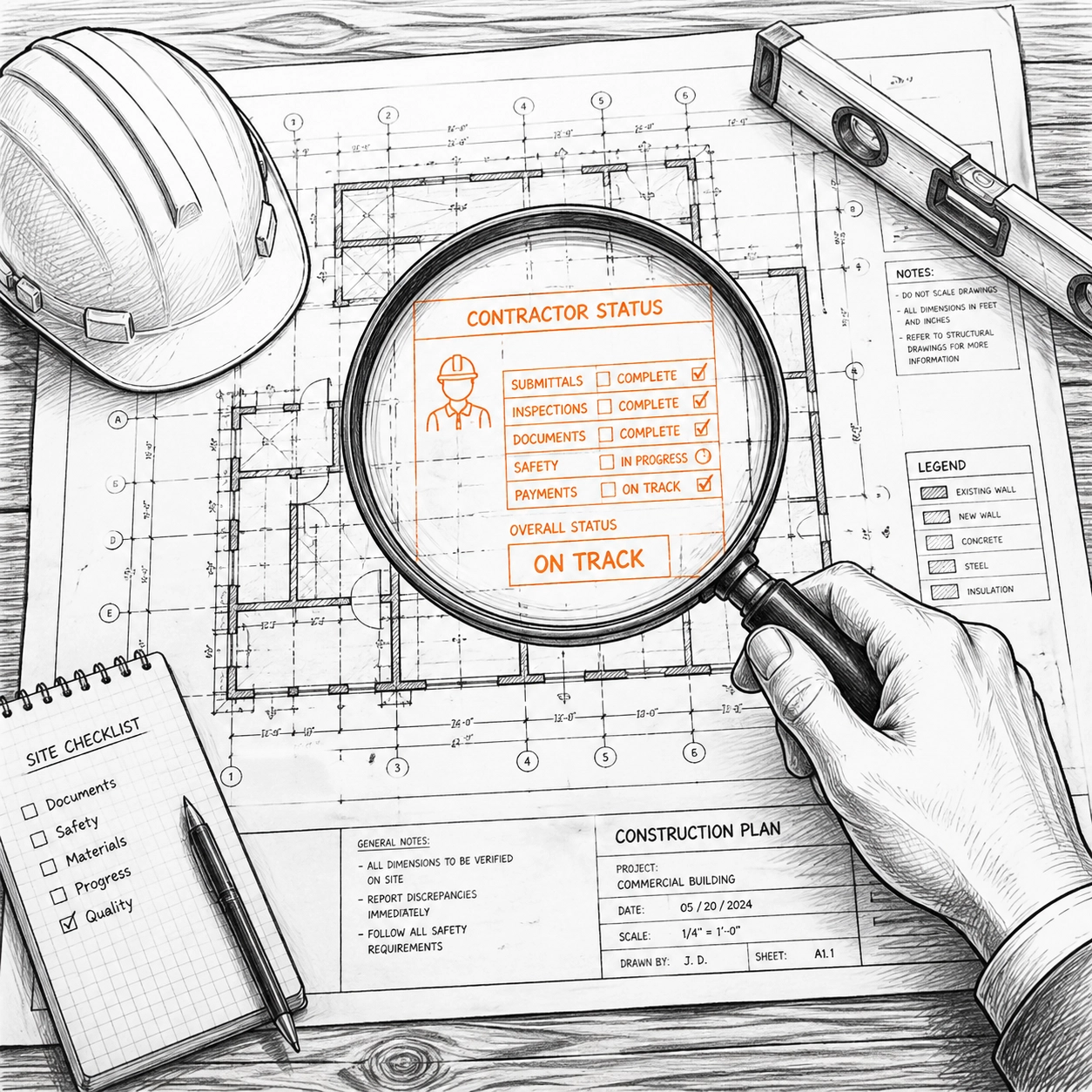
One of the biggest risks I see right now is the lack of communication between contractors and their clients regarding these new thresholds. A contractor might assume the client is still responsible for the Status Determination Statement (SDS), while the client: now technically a “small” business: assumes the contractor is handling it.
If no determination is made, or if it’s made incorrectly, the financial penalties can be staggering. We are talking about back-dated National Insurance contributions, unpaid tax, and interest that can stretch back years. For a growing business, this is enough to end the company.
Practical Steps for Construction Firms in London and Essex
If you are a larger firm hiring sub-contractors, or a specialist contractor yourself, here is how I suggest you handle the coming months:
- Audit Your Client List: If you are a contractor, ask your clients for a formal statement on their size. Don’t guess. If they are now a “small company” under the 2026 rules, you need to initiate your own IR35 assessment.
- Update Your Documentation: HMRC doesn’t just look at the contract; they look at the “hypothetical contract”: what actually happens on site. Ensure your working practices match an “outside IR35” status. Do you have the right of substitution? Do you provide your own equipment?
- Seek Specialist Advice: Don’t rely on automated online tools. They are often too blunt for the nuances of the construction industry. I always recommend speaking to a broker who understands the local market, whether that’s the specific demands of Business Insurance Essex or the high-stakes environment of London construction.
Why the Individual Approach Matters
I’ve noticed a frustrating trend in the insurance industry where everything is moving toward automation. You put your details into a form, and a computer spits out a price. But a computer doesn’t understand the nuance of the 2026 IR35 shift. It doesn’t know that your “site supervision” is actually “consultancy” or that your “equipment” includes a £100,000 specialist plant.
At Moyak, we prefer to have a conversation. By understanding the specifics of your projects, we can help tailor a Construction Contractor Insurance package that includes the necessary protections against HMRC’s new focus. Whether you are a large company managing dozens of subbies or a growing business making its mark, we treat your risk as if it were our own.
Looking Ahead: The Future of Contracting
The 2026 rules are likely just the beginning. The government is clearly moving toward a more rigid definition of employment. To survive and thrive in this environment, construction professionals must become as adept at risk management and compliance as they are at project delivery.
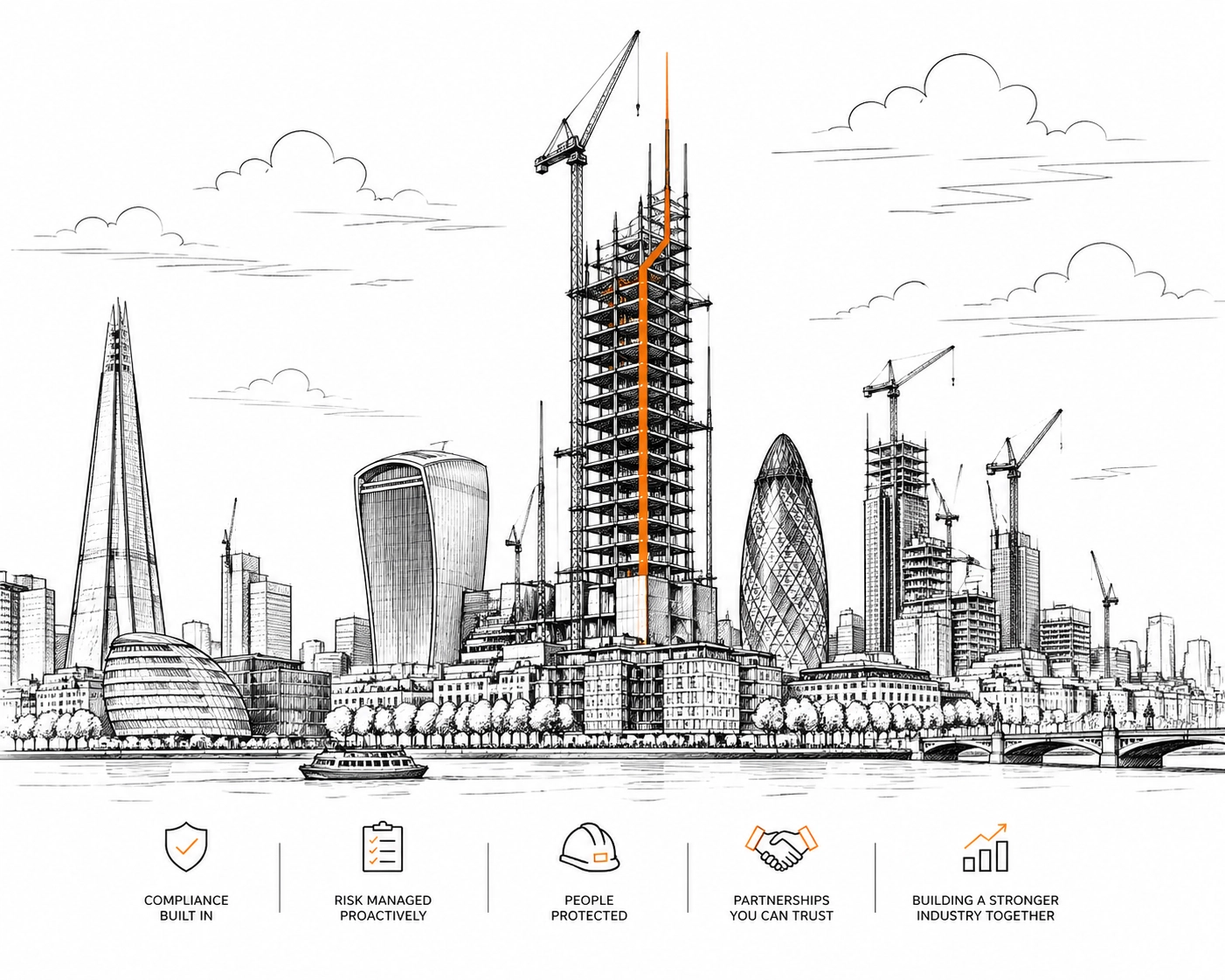
The firms that will win the best contracts in London and the South East are those that can prove they are fully compliant. Having a comprehensive insurance policy isn’t just about protection; it’s a badge of professionalism that shows your clients you are a low-risk partner.
Conclusion: Don’t Leave it to Chance
The changes to IR35 in 2026 have effectively moved the goalposts. If you are operating in the construction sector, the “wait and see” approach is no longer viable. The risk has migrated, and your insurance must follow it.
If you’re feeling unsure about how these changes affect your current cover, or if you’re looking for a brokerage that actually takes the time to understand your business, we’re here to help. From Business Insurance London to the growing hubs of Essex, we provide the expertise and the care you need to keep building with confidence.
Next Steps:
- Check your client’s business size status for the 2026/27 tax year.
- Review your current Professional Indemnity and Liability policies.
- Contact Moyak Insurance Services for a full review of your contractor insurance needs.
The industry is changing, but with the right protection, your business doesn’t have to be at risk. Let’s make sure you’re covered for the road ahead.