📞 01375 392 087  Â·  âœ‰ info@moyakinsurance.co.uk

Mon–Fri: 9:30am – 5:30pm

Author: digitalads8

  • Is Underinsurance Bad? 5 Reasons Your Business Insurance Essex Might Not Pay Out

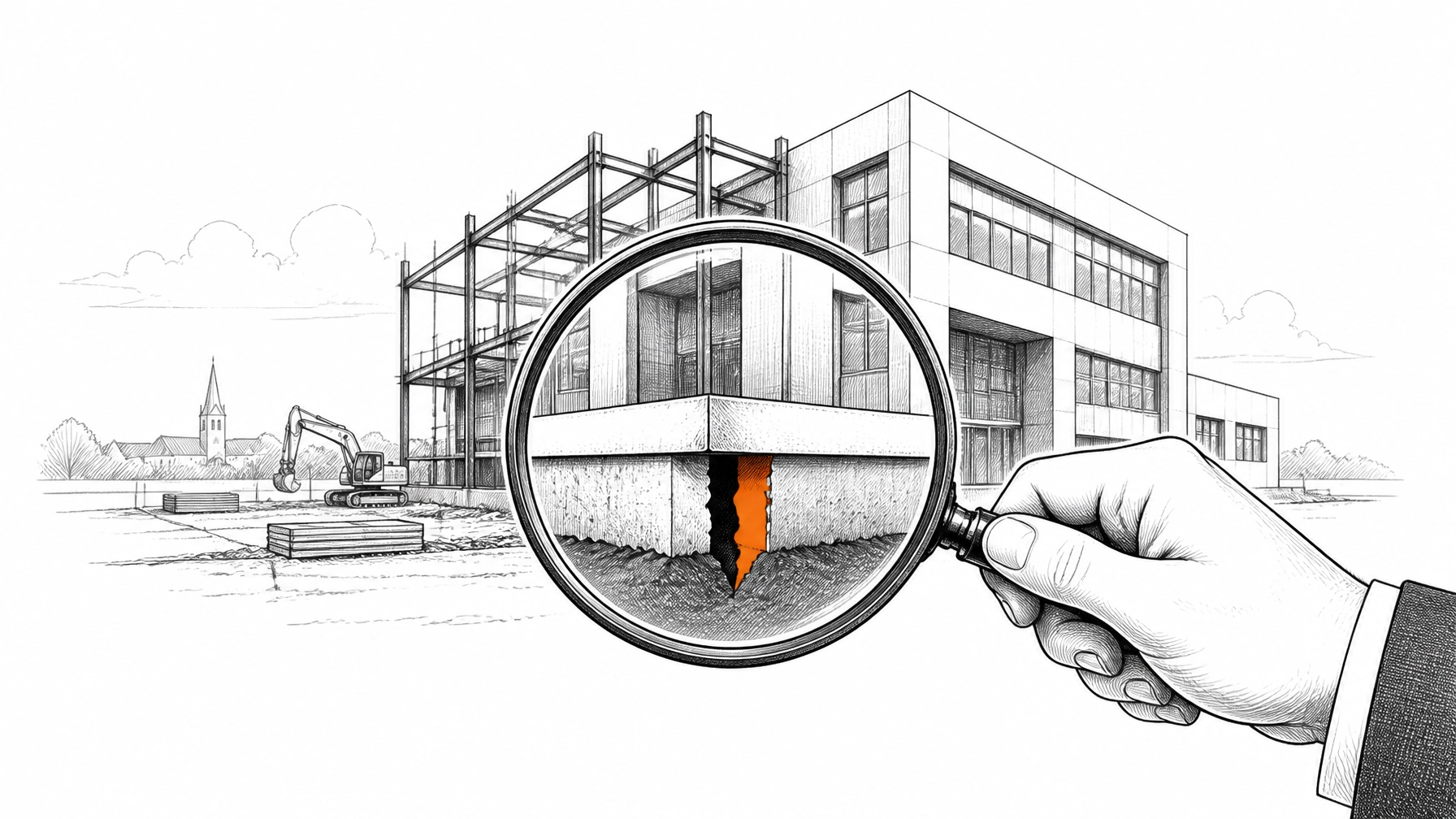
    A construction building with a magnifying glass highlighting an orange gap, representing underinsurance

    I’ve sat across the desk from many business owners in Essex and London who have just suffered a major loss: be it a fire at a yard or a significant theft of plant machinery. They feel a sense of relief knowing they have a policy in place. But that relief often turns to frustration, or even despair, when the loss adjuster comes back and says the insurer is only going to pay out 70% of the claim.

    The question “is underinsurance bad?” might seem like it has an obvious answer, but the reality is much more nuanced. Underinsurance isn’t just about “not having enough cover”; it’s a systemic risk that can lead to total business failure. In fact, going forward into late 2026, we are seeing more claims being reduced due to underinsurance than ever before.

    Whether you are looking for Business Insurance Essex or managing large-scale projects in the capital, understanding these five reasons why your policy might not pay out in full is essential for your survival.


    1. The Math Trap: The Dreaded “Average Clause”

    Most property and business insurance policies contain something called the Average Clause. This is the single biggest reason why business owners find themselves out of pocket after a claim.

    In simple terms, if you insure your property for £700,000 but the true cost to rebuild it is £1,000,000, you are 30% underinsured. If you then suffer a partial loss: say, a small fire that causes £100,000 of damage: the insurer will apply that 30% “average” to your claim. They won’t pay the £100,000; they will only pay £70,000.

    A math equation on a chalkboard showing 100% minus 30% equals 70% with orange accents

    I’ve seen contractors assume that because they have “up to” a certain limit, any claim below that limit is safe. That is a dangerous misconception. The Average Clause applies to every single penny of the claim. You effectively become your own “co-insurer” for the missing 30%, which can be a death sentence for your cash flow.

    2. The Inflation Gap: Rebuild Costs Are Skyrocketing

    We are currently seeing a massive shift in rebuild costs across the UK. For a Construction Contractor Insurance policy to be effective, the “sum insured” must represent the cost of rebuilding from scratch, not the market value of the building.

    By mid-2026, baseline rebuild costs for standard construction in the South East are often exceeding £1,750 per square metre. If your policy is based on valuations from two or three years ago, you are almost certainly underinsured. Material costs, labour rates, and even the cost of clearing a site after a fire have all surged.
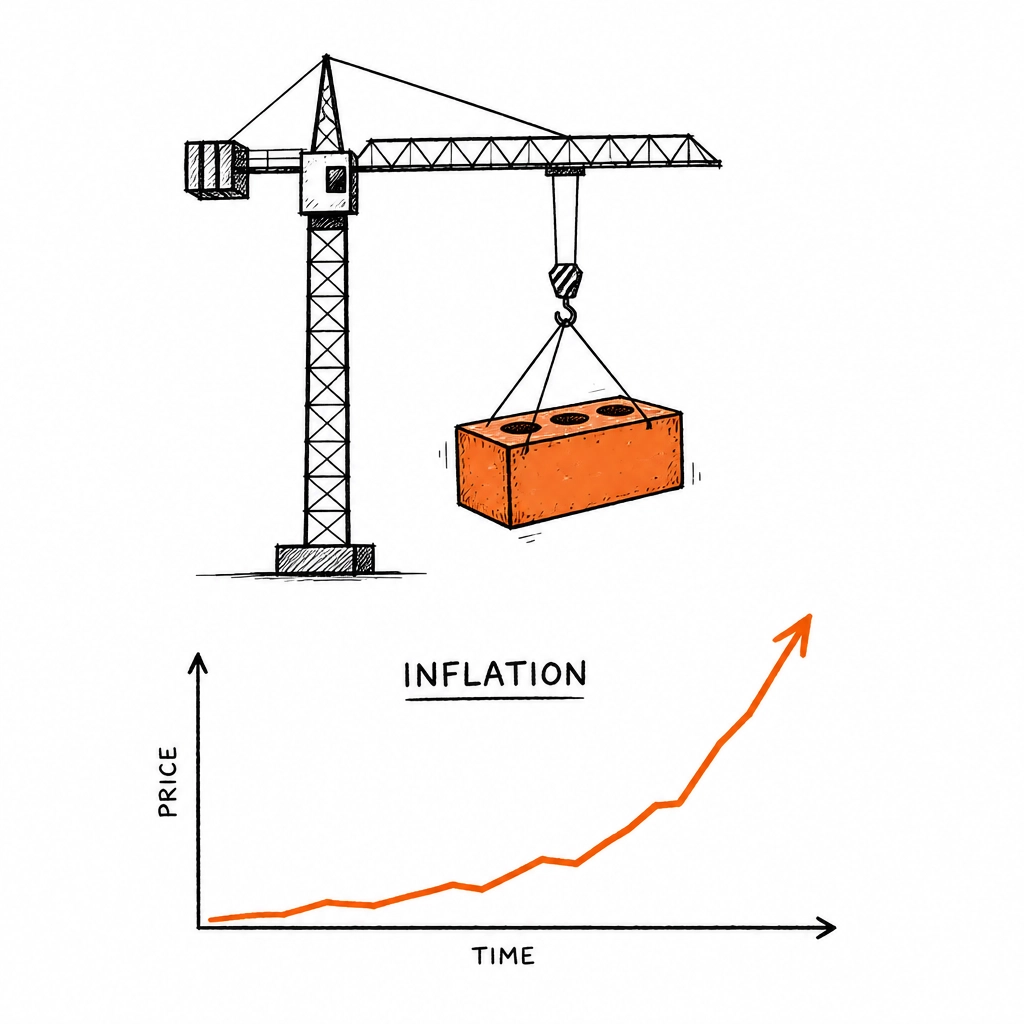
    A crane lifting an orange brick with a graph showing rising inflation

    When we act as a broker for Business Insurance London, we often find that city-centre projects have even higher cost profiles due to access issues and specialist labour requirements. Failing to account for these inflationary pressures means your “safety net” has a massive hole in it.

    3. The Contractual Trap: Liability Limit Gaps

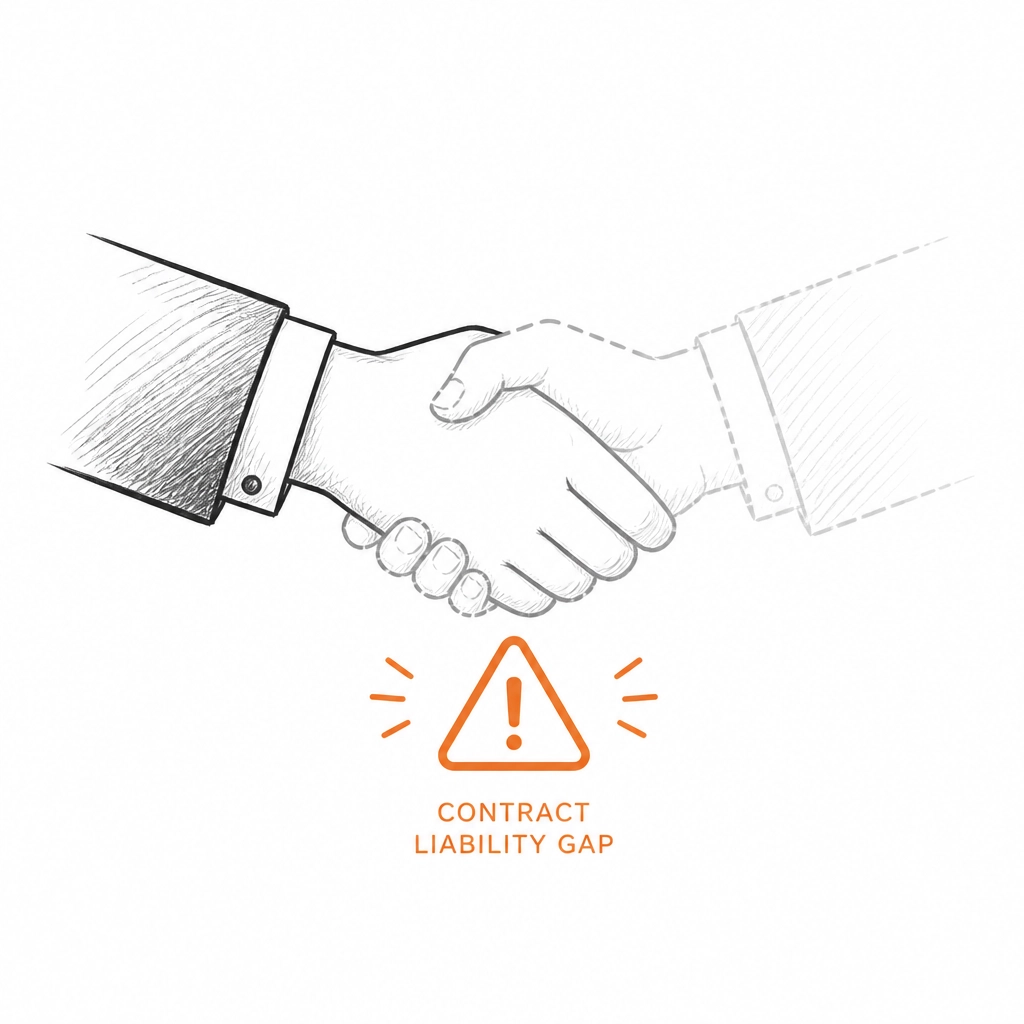
    Underinsurance isn’t just about physical property; it’s also about your General Contractor Liability Insurance. I recently spoke to a contractor who had a standard £5 million Public Liability limit. They took on a new contract in Essex that required a £10 million limit.

    They signed the contract but forgot to update their insurance policy. When an accident occurred involving a third party, the claim exceeded £7 million. Because their policy was capped at £5 million, the business was personally liable for the remaining £2 million.
    Two hands shaking with an orange warning icon indicating a liability gap

    In the construction world, contracts are getting more complex. Design-and-build obligations, “fitness for purpose” clauses, and liquidated damages for delays can all create liabilities that far exceed a standard policy’s limits. If your insurance doesn’t mirror your contractual obligations, you are effectively flying blind.

    4. The Missing Tools: Plant and Equipment Undervaluation

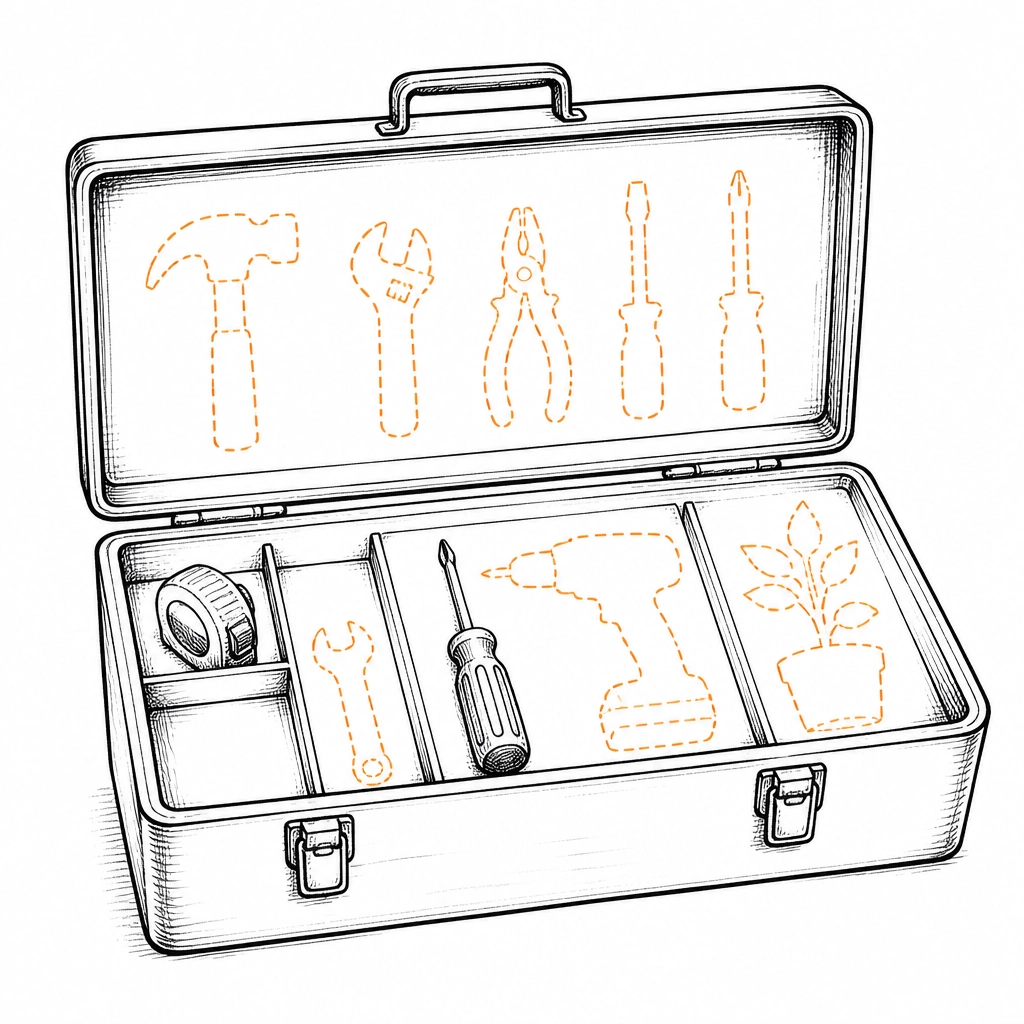
    For many tradesmen and contractors, their tools and plant are their livelihood. However, many General Tradesmen Liability Insurance policies are set up with tool cover that hasn’t been reviewed in years.

    Consider the cost of replacing specialized machinery in 2026. If you have “Hired-in Plant” cover, does it cover the ongoing hire charges while the equipment is being replaced? Does your “Own Plant” cover reflect the current replacement value of your diggers, mixers, and power tools?
    An open toolbox with missing tools highlighted in orange

    I can see a trend where businesses buy new equipment throughout the year but only update their insurance schedule at renewal. If a theft occurs in month ten of your policy, those new additions might not be covered, leaving you to foot the bill for replacements.

    5. The “Scope Creep” of Business Activities

    A final, often overlooked reason for underinsurance is when a business evolves but the policy stays static. Maybe you started as a bricklaying contractor in Essex but have moved into more complex roofing work or groundworks.

    If your Business Insurance Essex policy describes your business as “Bricklaying” and you suffer a loss while performing high-risk roofing work, the insurer may decline the claim entirely. This is known as a “material non-disclosure.” You aren’t just underinsured; you are effectively uninsured for that specific activity.

    As an industry insider, I think it’s vital to have a practitioner’s conversation with your broker whenever you take on a new type of project or hire a new tier of subcontractors. The “set it and forget it” mentality is exactly what leads to these payout disasters.

    Moving Forward: How to Protect Your Business

    The reality is that insurance is not just a line item on your balance sheet; it is the foundation of your business’s resilience. To avoid the traps mentioned above, I recommend a few practical next steps:

    • Commission a professional rebuild cost assessment. Don’t guess your building’s value based on market price or old data.
    • Review your contracts carefully. Ensure your General Contractor Liability Insurance limits match the requirements of your clients.
    • Update your plant and tool schedules quarterly. Don’t wait for the annual renewal to add new assets.
    • Talk to your broker. A good broker should take an individual approach, understanding the nuances of your trade and the specific risks you face in London and Essex.

    At Moyak Insurance Services, we pride ourselves on our individual approach and care for every client. We don’t just provide quotes; we act as a partner to ensure your business is genuinely protected against the unexpected. If you haven’t reviewed your sums insured recently, now is the time to do it: before a claim proves that your cover isn’t as solid as you thought.


     

  • How to Avoid the Biggest Business Insurance Essex Pitfalls: The 2026 Inflation Trap

    How to Avoid the Biggest Business Insurance Essex Pitfalls: The 2026 Inflation Trap

    If you are running a business in Essex or London right now, you’ve probably noticed that everything feels about 20% more expensive than it did just a year or two ago. Whether it’s the cost of timber, the day rates for skilled sparks, or just the price of a skip, the numbers keep climbing. But while we all grumble about the cost of living, there is a much quieter, more dangerous problem brewing in the background: the 2026 Insurance Inflation Trap.

    I’ve been speaking to a lot of local business owners recently, from site managers in Chelmsford to boutique owners in Colchester, and the story is often the same. They feel they are “fully covered” because they haven’t changed their policy in years. In fact, that is exactly why they are at risk.

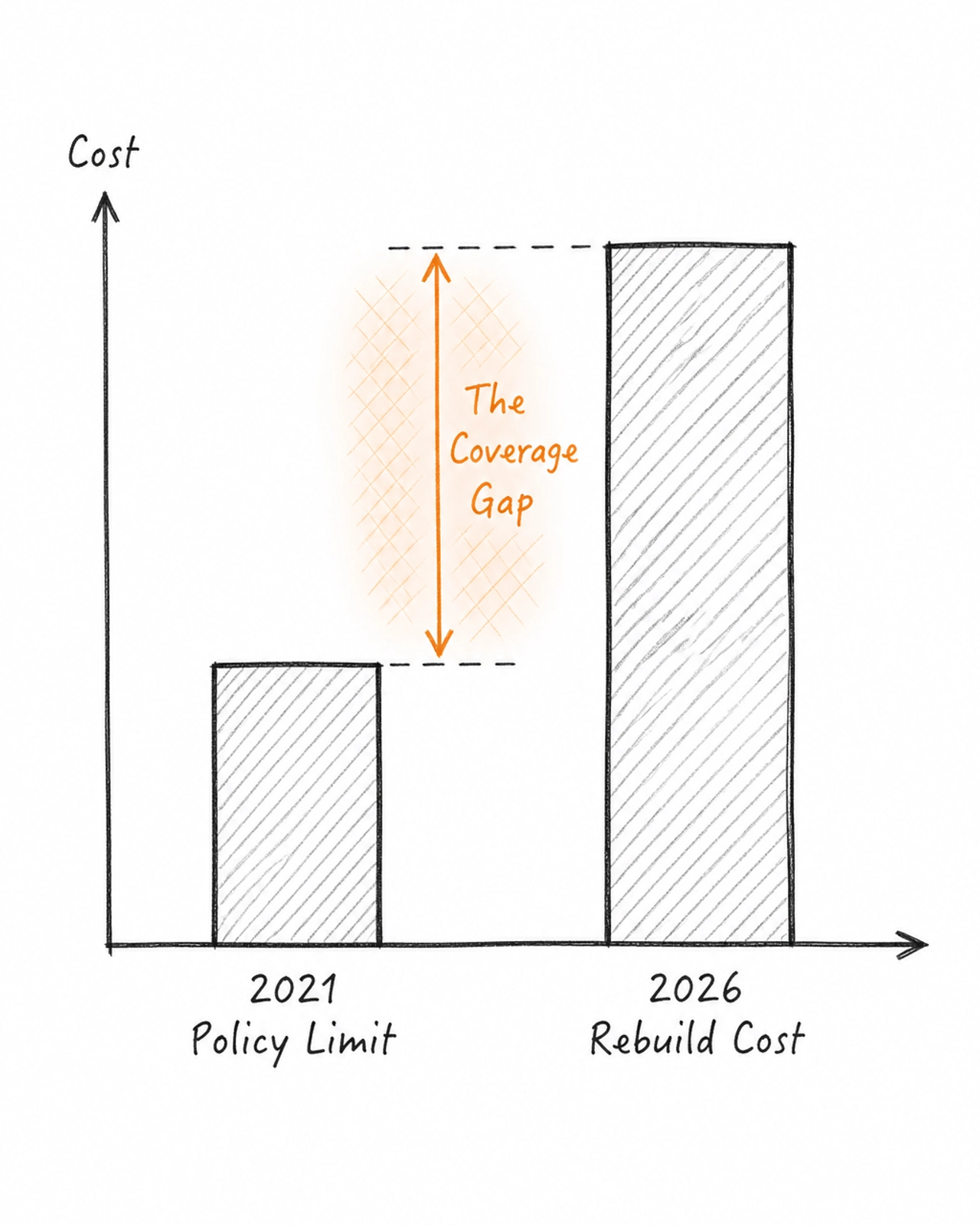
    Going forward into 2026, the gap between what your insurance policy says your building is worth and what it actually costs to rebuild it has never been wider. If you haven’t adjusted your Business Insurance Essex limits lately, you might find yourself effectively uninsured when it matters most.

    What Exactly is the “Inflation Trap”?


    Most people think of insurance in terms of market value: what they could sell their property for today. But insurers don’t care about the market value of your shop or warehouse. They care about the reinstatement cost. This is the price of clearing the site, hiring an architect, buying the materials, and paying the labour to build the exact same structure from scratch.

    Since 2020, construction materials and labour costs in the UK have surged. I’ve seen reports showing non-residential construction materials up by over 20% in some periods. If your policy limit was set in 2021 or 2022, it is almost certainly too low for 2026 reality.

    The gap between 2021 Policy Limits and 2026 Rebuild Costs

    When there is a massive gap between your “Sum Insured” and the actual cost to rebuild, you fall into the trap of underinsurance. This isn’t just a minor technicality; it can lead to something called the “Average Clause.”

    The “Average Clause”: A Contractor’s Worst Nightmare

    Let’s say you have a commercial unit in Basildon. You’ve insured it for £500,000 because that’s what it cost to build a few years back. Today, thanks to 2026 inflation, it would actually cost £1,000,000 to rebuild. You are only insured for 50% of the true value.

    If you have a fire that causes £100,000 of damage, you might expect the insurer to pay the full £100,000. But if your policy has an “Average Clause,” they will only pay you in proportion to your level of cover. In this case, since you only insured 50% of the value, they will only pay 50% of the claim. You’d get £50,000, leaving you to find the other £50,000 out of your own pocket.

    For many small businesses in Essex, that kind of shortfall is a business-ending event.

    Why Essex and London are Particularly at Risk

    If you are looking for Business Insurance London or operating within the M25, the problem is amplified. Labour rates in the South East are among the highest in the country, and the competition for skilled contractors is fierce.

    For those holding Construction Contractor Insurance, your own costs are going up, which means your clients need higher limits too. I can see a ripple effect happening where everyone in the chain is slightly under-protected because they are working on “old” numbers.

    Your 5-Step Checklist to Avoid the 2026 Pitfalls

    To make sure you aren’t walking into a disaster, I’ve put together a practical checklist for our Essex and London clients.

    2026 Insurance Review Checklist

    1. Get a Professional Rebuild Valuation

    Don’t guess. Don’t look at Zoopla. Hire a chartered surveyor to give you an accurate “reinstatement cost.” This needs to include demolition, debris removal, and professional fees. If you haven’t done this in the last two years, you are almost certainly underinsured.

    2. Review Your Liability Limits

    It’s not just about the buildings. If you carry General Contractor Liability Insurance, are your limits still sufficient? A £2 million limit might have been the standard five years ago, but many local authorities and larger developers in Essex now demand £5 million or even £10 million as a minimum for 2026 projects.

    3. Check for “Index-Linking”

    Some policies have index-linking built-in, which automatically increases your cover in line with inflation. However, even index-linking can lag behind the real-world spikes we’ve seen in construction. It’s a good safety net, but it’s not a substitute for a proper valuation.

    4. Account for Modern Building Regs

    Rebuilding a property in 2026 is more expensive than it was in the past, not just because of material costs, but because of new environmental and safety regulations. Your insurance needs to cover the “extra cost of reinstatement” to meet current UK building standards.

    5. Review Your Business Interruption Period

    If your building burns down, how long will it take to get back to work? With 2026 supply chain delays and labour shortages, a 12-month “Indemnity Period” is often no longer enough. I’m recommending that most of our Essex business clients look at 24 or even 36 months to ensure they don’t run out of cash while waiting for the roof to be fixed.

    The Individual Approach Matters

    At Moyak Insurance Services, we’ve always believed in an individual approach. We don’t just send out automated renewal notices and hope for the best. We understand the Essex and London markets because we are in them every day.

    A personalized approach for Essex businesses

    I think the biggest mistake business owners make is viewing insurance as a “set and forget” chore. In an inflationary environment, that’s a dangerous game. Whether you are a sole trader looking for Tradesmen Insurance or a growing firm needing Commercial Combined Business Insurance, you need to be looking at your policy through the lens of today’s costs, not yesterday’s.

    If you’re worried that you might be stuck in the inflation trap, give us a call. We act as a dedicated business insurance broker in Essex and London, and we can help you figure out if your current cover is actually going to protect you when you need it.

    Don’t wait for a claim to find out you’re underinsured. Let’s get it right now so you can focus on running your business.


  • General Contractor Liability Insurance Secrets Revealed: Why Water Damage is Riskier Than Fire in 2026

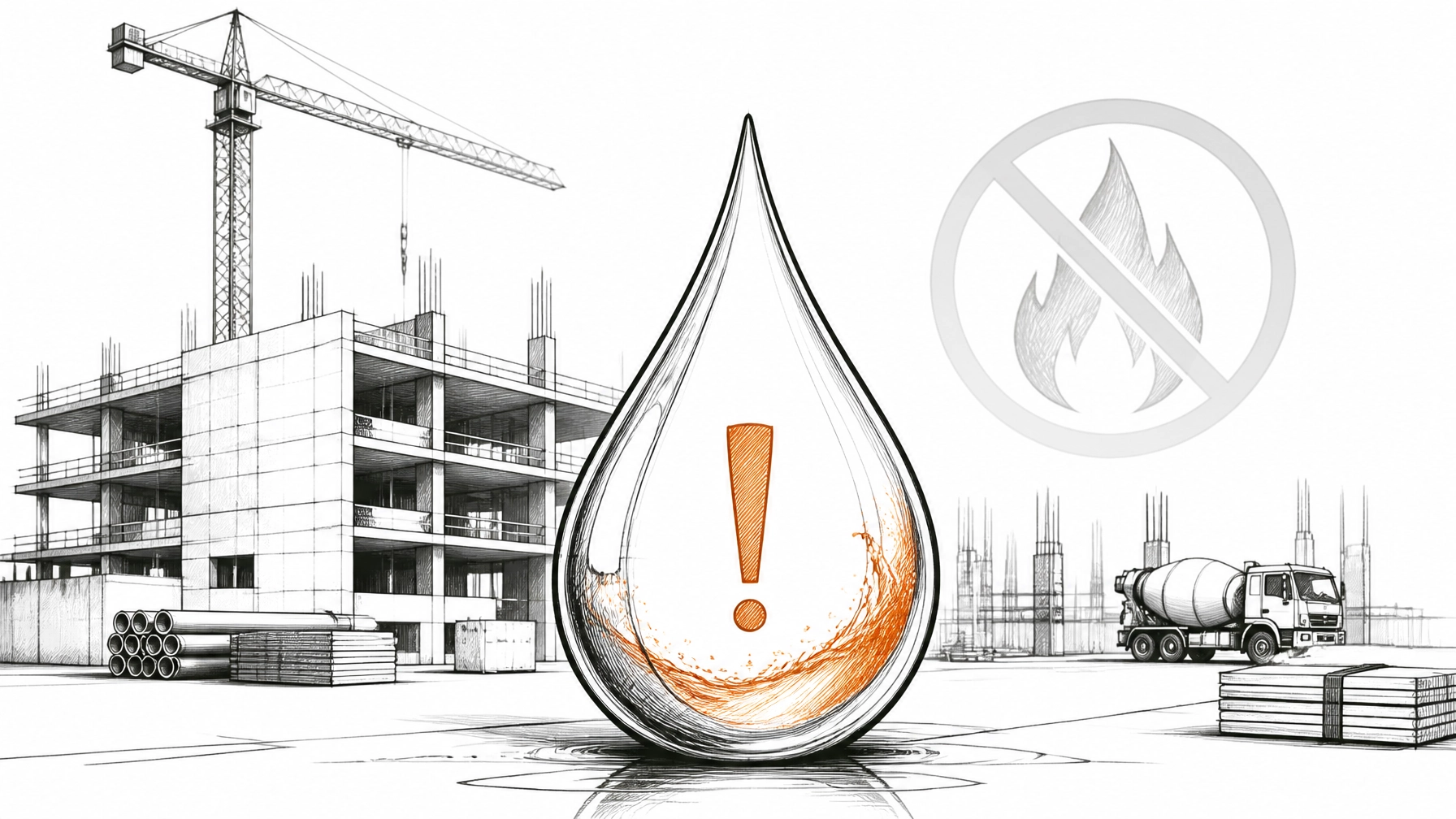
    A minimalist sketch of a construction site where a large, stylized water droplet is more imposing than a small fire icon.

    For decades, the nightmare scenario for any general contractor in London or Essex was fire. We’ve all seen the news reports of half-finished timber-frame buildings going up in flames, or the catastrophic loss when a hot works accident turns a renovation project into a pile of ash. In the insurance world, fire was the “big one”: the catastrophic event that justified every penny of your premium.

    But as we navigate through 2026, the reality on the ground has changed. I’ve been looking at the claims data and speaking with site managers across Essex and London, and there is a new “silent killer” of profits. In fact, water damage has quietly overtaken fire as the leading cause of construction insurance claims.

    It might not make the front page of the local paper, but a burst pipe or a slow, undetected leak is now more likely to bankrupt a small firm or stall a major development than a blaze. If you are relying on an old-school understanding of General Contractor Liability Insurance, you might be leaving your business wide open to the biggest risk of the decade.


    The 2026 Shift: Why Fire is Losing Its Crown

    It’s not that fire isn’t dangerous anymore: it obviously is. However, the industry has become incredibly good at preventing it. Between the strict “Hot Works” permits, the widespread use of non-combustible materials, and sophisticated fire detection on sites, the frequency of massive fires has dropped.

    Water, on the other hand, is a different beast. Modern buildings are more complex than ever. We are stuffing more bathrooms, more HVAC systems, and more complex plumbing into tighter spaces, especially in the high-density developments we see across London and the commuter belts of Essex.

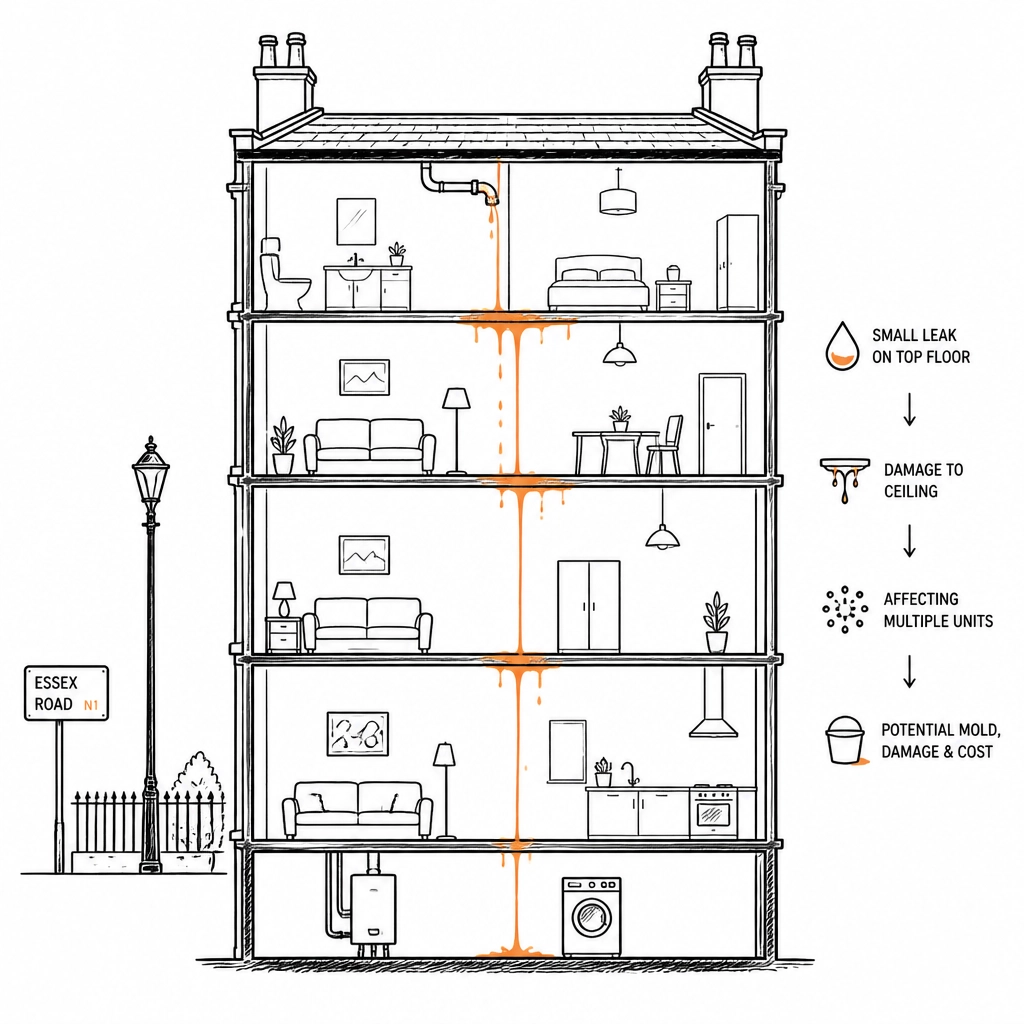
    A minimalist sketch showing a cross-section of a multi-story building with a leak cascading through multiple floors.

    When a pipe fails on the 10th floor of a London apartment block, it doesn’t just damage that room. It travels. It finds every gap, every conduit, and every floor slab. By the time someone notices a damp patch on Monday morning, the water has often ruined five floors of luxury finishes, elevators, and electrical systems. In 2026, the cumulative cost of these “escape of water” events is dwarfing fire losses.

    The Modern Building’s Achilles’ Heel

    I often see contractors using high-end, sensitive materials that simply don’t play well with moisture. In the past, a bit of water on a brick-and-mortar site was a nuisance; you’d dry it out and move on. Today, we use massive amounts of plasterboard, engineered timber, high-performance insulation, and delicate M&E equipment.

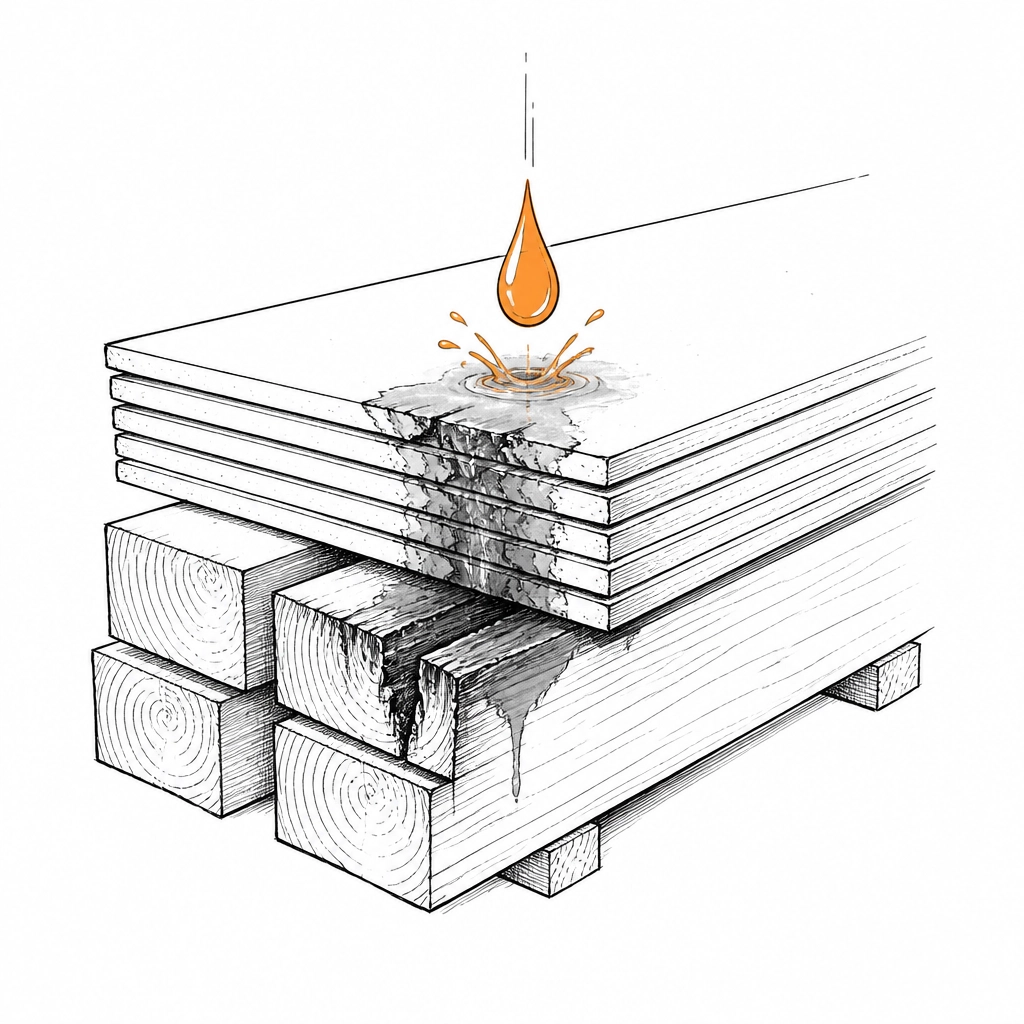
    A minimalist sketch of water damaging a stack of plasterboard and timber.

    Once these materials get wet, they are usually a total loss. You can’t just “dry out” modern insulation and expect it to maintain its R-value, and you certainly can’t leave damp plasterboard in place without risking a massive mould claim six months down the line. This “total loss” nature of modern materials means that even a relatively small plumbing error can lead to a six-figure insurance claim.

    The “Secrets” Your Policy Might Be Hiding

    This is where it gets tricky for the average contractor. Most people assume that if they have Business Insurance in London or Essex, they are covered for “accidents.” But in 2026, the “small print” regarding water is more restrictive than ever. Here are the secrets I’ve seen trip up even the most experienced firms:

    1. The “Sudden and Accidental” Trap

    Most public liability policies are designed to cover “sudden” events. If you hit a pipe with a nail and water sprays everywhere, that’s sudden. But what if a joint is weeping slowly behind a wall for three weeks? Many insurers will classify this as “gradual seepage” or “wear and tear,” which are often excluded. I’ve seen many contractors in Essex left high and dry because they couldn’t prove the leak was a single, sudden event.

    2. Defective Workmanship vs. Resulting Damage

    This is a huge point of confusion. Your General Contractor Liability Insurance will almost never pay to fix the actual mistake you made. If your plumber installed a faulty valve, the insurance won’t pay for a new valve or the labour to fix it. They only pay for the resulting damage: the ruined carpets and ceilings. If the leak is caught early and the only cost is the repair itself, you’re paying that out of pocket.

    3. The “Existing Structures” Exclusion

    If you’re doing a renovation or an extension: common work for those looking for Business Insurance in Essex: does your policy cover the original part of the house? Often, a standard Contractors’ All-Risks (CAR) policy only covers the new work. If your work causes a leak that destroys the client’s original 18th-century hardwood floors in the next room, you might find your policy has a massive hole in it.

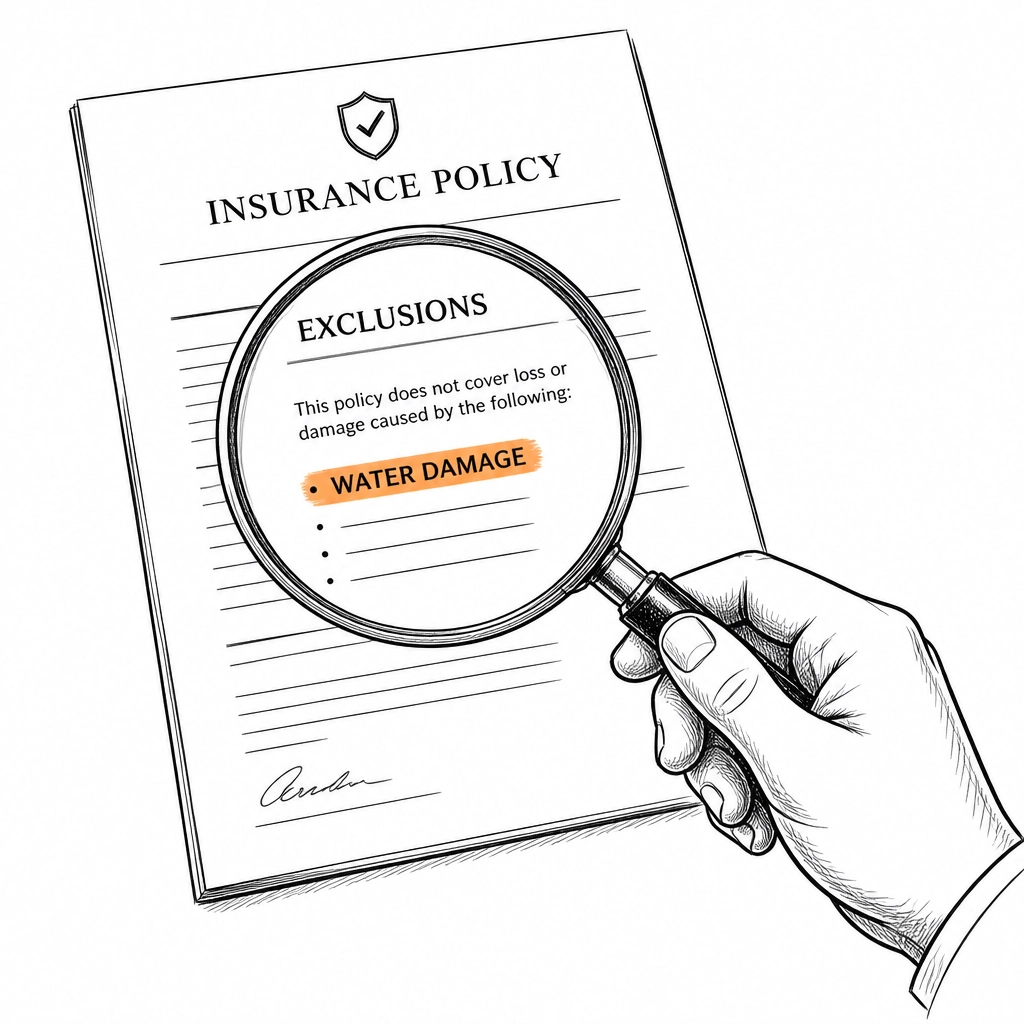
    A minimalist sketch of a magnifying glass over an insurance contract with "WATER DAMAGE" highlighted.

    Navigating the Essex and London Landscape

    Working as a broker for Business Insurance in Essex and London, I’ve noticed that the geography matters. In London, the density means third-party liability is your biggest headache. A leak doesn’t just hurt your client; it hurts the three businesses downstairs.

    In Essex, we see a lot of high-end residential work. These clients have high expectations and expensive tastes. A water mark on a bespoke ceiling can lead to a demand for the entire ceiling: and the matching walls: to be redone to ensure a seamless finish. The costs escalate at a terrifying speed.

    How to Ensure You’re Actually Protected

    Going forward, you can’t just “set and forget” your insurance. You need to be proactive. In my experience, the contractors who get the best rates and the smoothest claims are those who treat water risk as seriously as they treat site safety.

    1. Check for “Gradual Seepage” Cover: Speak to your broker and ask specifically if your policy can be extended to cover non-sudden leaks. It might cost a bit more, but in 2026, it’s worth every penny.

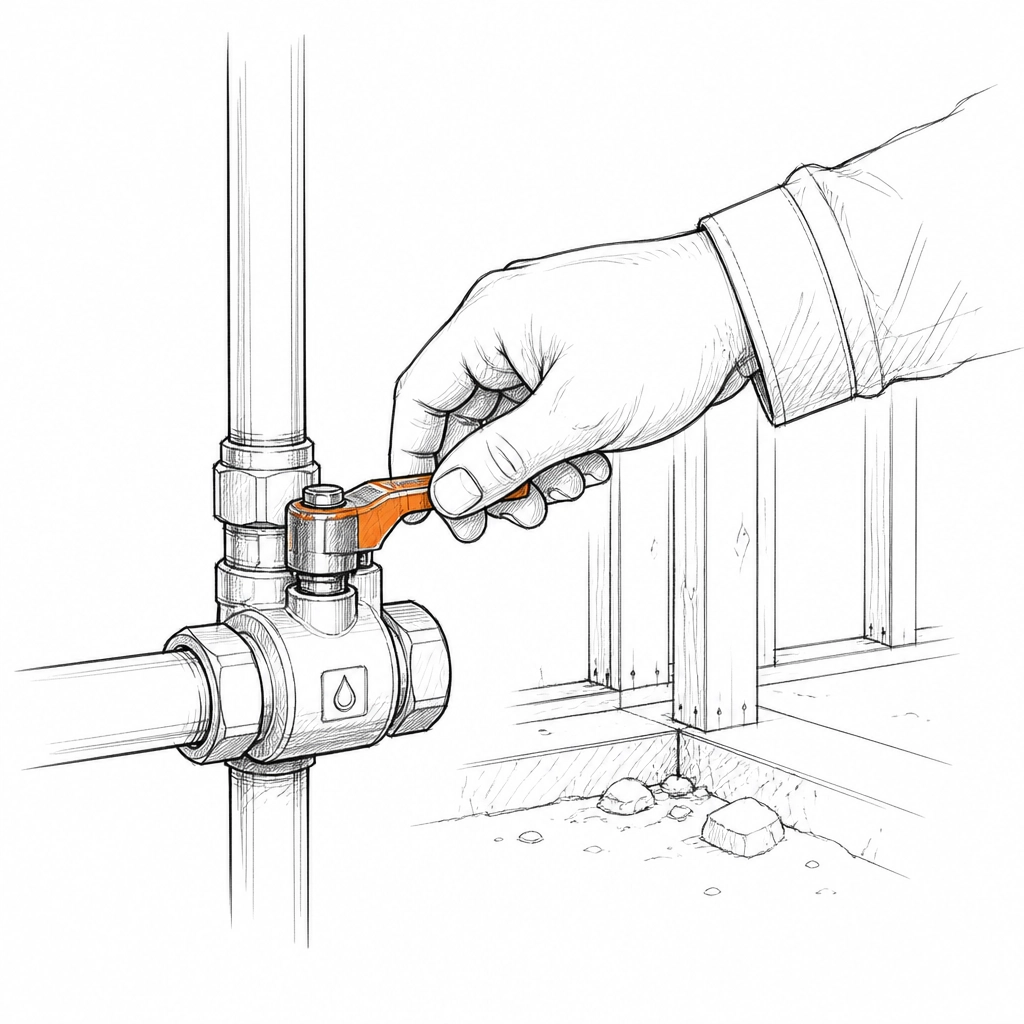
    2. Implement a Water Mitigation Plan: Insurers are starting to reward contractors who have strict water controls. This includes pressure testing pipes in stages, using smart leak detectors during construction, and: most importantly: having a designated person to turn off the main water valve every single night before the site closes.

    A minimalist sketch of a hand turning a water isolation valve.

    3. Review Your “Contractors’ All-Risks” (CAR) Policy: If you are working on existing buildings, ensure the “existing structures” are covered for water damage caused by your works. Don’t just assume your Public Liability will pick up the slack: it often has lower limits or different triggers.

    4. Document Everything: If you do have a leak, take photos immediately. Get a report from the plumber explaining exactly what failed. You need to be able to show the insurer that it was an “unforeseen accident” to avoid the “gradual damage” exclusion.

    Final Thoughts: The Practitioner’s View

    I think many contractors are still operating with a 2010 mindset in a 2026 world. We spend thousands on fire extinguishers and fire-rated skip covers, yet we leave the water mains on over a bank holiday weekend on a site full of expensive finishes.

    At Moyak Insurance Services, we act as a Business Insurance Broker in Essex, Kent & London, and we see these claims daily. Our goal isn’t just to sell you a policy; it’s to make sure that when a pipe inevitably fails at 3 AM on a Sunday, you aren’t the one left footing a £50,000 bill because of a technicality in your wording.

    Water is the new fire. It’s time to start insuring your business accordingly. If you’re unsure whether your current General Tradesmen Liability Insurance is up to the task, let’s have a chat. We can look at your specific trades and the types of projects you’re taking on in 2026 to ensure you have the “Individual Approach” that actually protects your bottom line.

    Next Steps for General Contractors:

    • Audit your current policy for the “sudden and accidental” clause.
    • Update your site close-down checklist to include water isolation.
    • Contact us for a review of your General Contractor Liability Insurance to ensure your water damage limits are sufficient for the density of your projects.


  • The £10m “Passport”: Why General Contractor Liability Insurance is Key to Winning Bigger Contracts in 2026

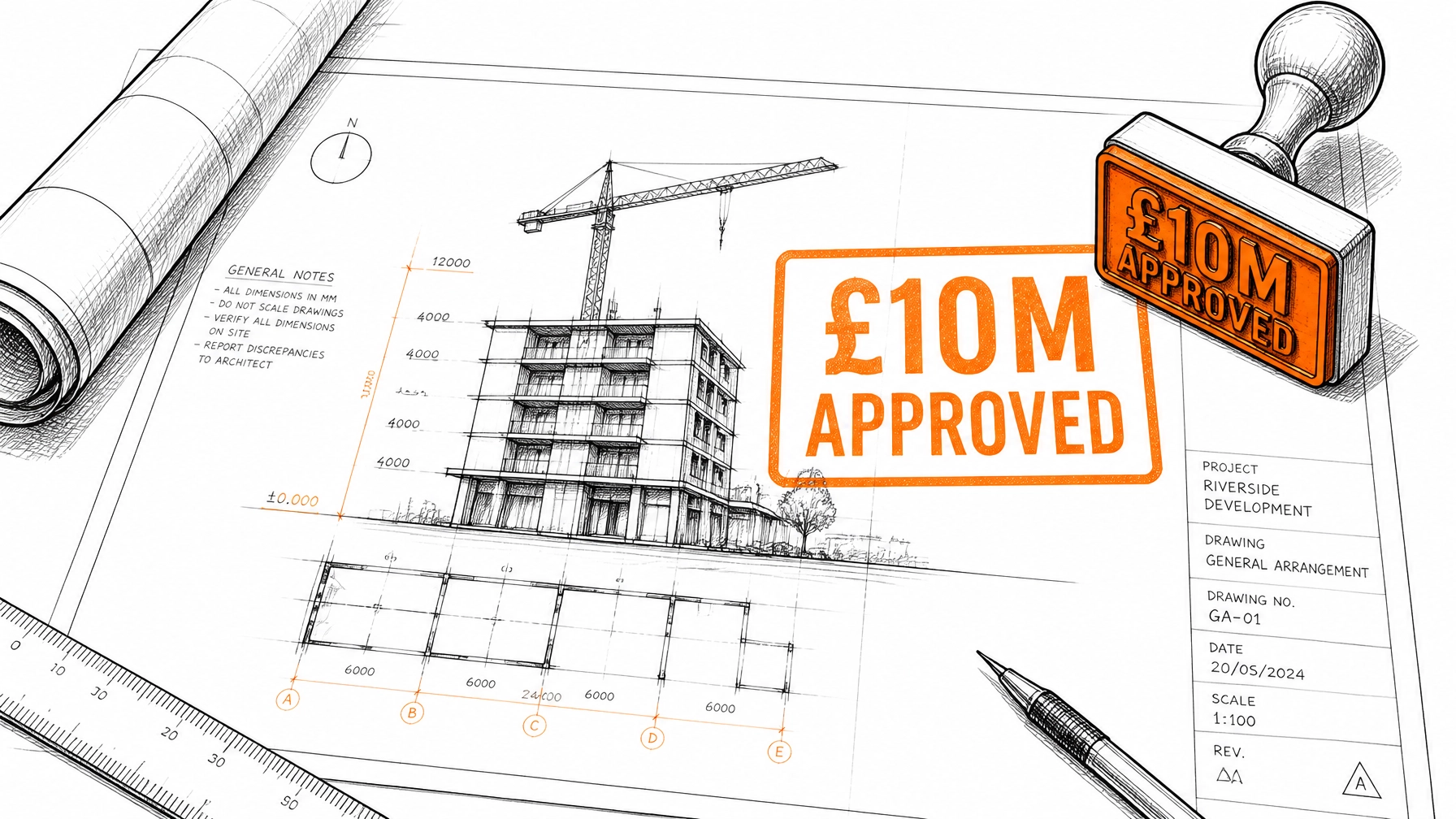
    A clean minimalist sketch of a construction blueprint with a £10M APPROVED orange stamp

    If you have spent any time bidding for larger projects recently, you have likely noticed a shift in the fine print. I have been looking at the pre-qualification questionnaires (PQQs) and tender documents coming across my desk lately, and there is a clear trend emerging as we move through 2026. The days when a standard £2 million Public Liability limit was enough to get you through the door are largely behind us.

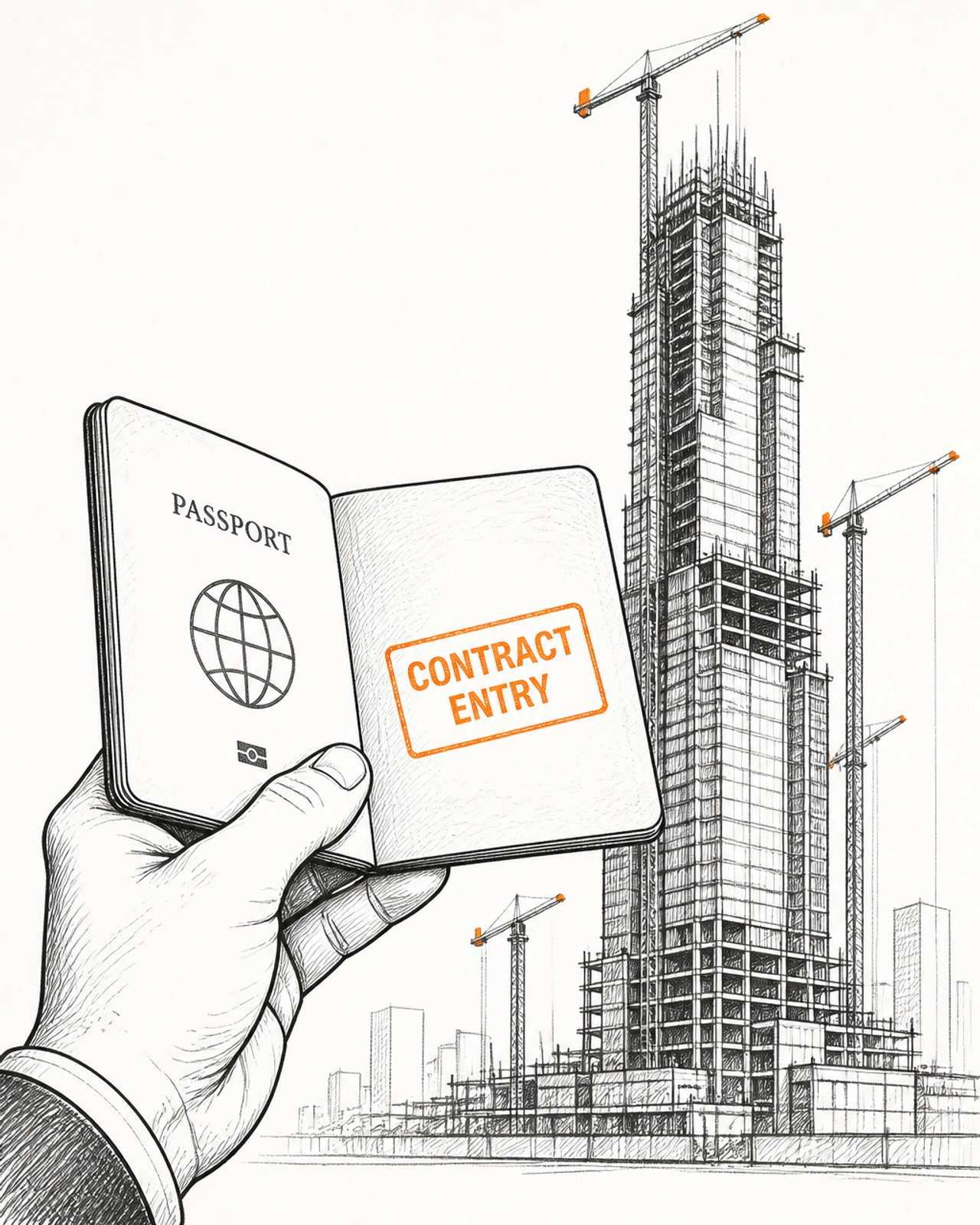
    In fact, I often tell my clients that a £10 million liability limit is no longer just “extra cover”: it has become a “passport” to the industry’s most lucrative contracts. Whether you are working in Essex, London, or across the South East, the stakes for general contractors have risen. If you aren’t carrying the right weight in insurance, you are effectively locking yourself out of the room before the conversation even begins.


    The New Standard for 2026

    I think it is important to understand that while the law hasn’t necessarily changed its baseline, the market definitely has. Legally, if you have employees, you still only need £5 million in Employers’ Liability insurance. However, I can see that almost every reputable insurer in the UK is now writing these policies at £10 million as standard. Why? Because the cost of claims: driven by legal fees and medical inflation: has reached a point where £5 million simply doesn’t offer the breathing room it used to.

    Public Liability (PL) is where the real “passport” effect comes into play. For 2026, we are seeing local authorities, the NHS, and Tier 1 main contractors making £10 million PL a non-negotiable requirement. I spoke to a contractor last week who lost out on a high-spec residential framework in London because their broker couldn’t secure the £10 million limit in time for the deadline. It’s a frustrating position to be in, but it’s the pragmatic reality of the current market.

    A stylized passport with a CONTRACT ENTRY orange stamp

    Why the Shift to Higher Limits?

    You might wonder why a client would demand £10 million in cover for a project that might only be worth a fraction of that. From an insider’s perspective, it comes down to risk aggregation and the complexity of modern builds.

    Going forward, several factors are driving this:

    1. Claims Severity: A single serious injury on-site or a multi-party defect claim can quickly spiral. In 2026, expert witness fees and court costs are higher than ever. A £5 million limit can be eroded surprisingly fast.
    2. Modular and High-Risk Construction: As we move toward more modular and complex building methods, the potential for “series loss”: where one fault affects multiple parts of a project: has increased. Clients want to know that if things go wrong, the insurance pot is deep enough to cover the fallout without hitting their own balance sheets.
    3. Building Safety Legislation: The evolution of building safety laws has expanded who can be held liable. I’ve noticed that contractual chains are getting tighter. Main contractors are passing the liability requirements down the line, meaning even specialist subcontractors are now being asked for £5m or £10m limits to match the main project’s policy.

    Balancing Risk and Reward

    I understand the hesitation. Increasing your limits usually means an increase in premiums. However, I think it’s useful to view this as an investment in your firm’s growth potential. When you move from a £2m to a £10m limit, you aren’t just buying a piece of paper; you are gaining the ability to bid on public sector frameworks and large-scale commercial developments that were previously out of reach.

    At Moyak Insurance Services, we take an individual approach to this. We know that every business has a different budget and risk profile. We act as a business insurance broker in Essex to negotiate with the UK’s leading master brokers. Our goal is always to find that sweet spot: getting you the £10m limit you need to win the contract, without overpaying for “fluff” you don’t need.

    A scale balancing contracts and an orange protective shield

    Common Pitfalls to Avoid

    When you are looking to upgrade your cover for a 2026 tender, I’ve seen a few recurring issues that can trip up even experienced contractors:

    • The “Aggregate” Trap: Ensure your Public Liability limit is “any one occurrence” and not “in the aggregate.” If it’s in the aggregate, the total amount the insurer will pay for all claims in a year is capped. Most Tier 1 contractors will reject this; they want the full limit available for every single incident.
    • Subcontractor Liability: If you use labour-only subcontractors, they are usually treated as employees under the law. I have seen contractors fail audits because their general contractor liability insurance didn’t properly reflect their actual headcount or the type of work their subs were doing.
    • Excess Layers: If your primary insurer won’t give you the full £10m, don’t panic. We often arrange “Excess of Loss” (also known as an Umbrella layer) to top up your existing £2m or £5m policy to the required £10m. It’s a very common and cost-effective way to meet contract requirements.

    The Complexity of 2026 Projects

    We are also seeing a rise in requirements for Commercial Combined Business Insurance. This is especially true for firms that handle design and build. In these cases, your liability isn’t just about someone tripping over a cable (Public Liability); it’s about the professional advice and design you provide.

    If you are aiming for those £10m+ contracts, your insurance needs to be as integrated as the buildings you are constructing. I’ve seen that clients are increasingly looking for a seamless insurance package that covers everything from the bricks and mortar to the professional indemnity and the 2026-specific environmental requirements.

    A sketch of a complex modern building with orange highlight lines

    Moving Forward: Your 2026 Insurance Strategy

    So, how should you approach this? My recommendation is to be proactive. Don’t wait until you are 48 hours away from a tender deadline to check your insurance limits.

    1. Review Your Current Pipeline: Look at the projects you want to win in the next 12 to 18 months. What are the typical insurance requirements?
    2. Talk to Your Broker Early: Getting a £10m limit isn’t always an “off-the-shelf” fix. It might require more detailed information about your safety logs, past claims, and the specific trades you work in.
    3. Audit Your Supply Chain: If you are the main contractor, make sure your subcontractors can also meet these rising standards. If they can’t, the liability could end up landing on your shoulders anyway.

    I truly believe that the contractors who adapt to these higher standards early will have a significant competitive advantage. It shows the client that you are a professional, well-backed outfit that takes risk management seriously.

    At Moyak, we care about every client. Whether you are a growing business in Kent or an established firm in London, we are here to help you navigate these shifting waters. We understand the local market because we live in it, and we know how to present your business to insurers to get the best possible terms.

    A handshake between two professionals with the London skyline

    Practical Implications

    The move toward £10 million limits is a sign of a maturing industry. It’s about more than just numbers; it’s about stability. In a world where project costs are rising and legal environments are becoming more complex, having that “passport” in your pocket is the safest way to ensure your business continues to grow throughout 2026 and beyond.

    If you are looking at a contract and the insurance requirements seem daunting, give us a call. I’ve sat on both sides of these conversations, and often, all it takes is a bit of pragmatic adjustment and the right broker relationship to get you exactly where you need to be.

    Next Steps:

    • Check your current policy document for the “limit of indemnity.”
    • Verify if your cover is “per occurrence” or “in the aggregate.”
    • Contact Moyak Insurance Services for a personalized review of your 2026 contract needs.


  • Why Your General Contractor Liability Insurance Might Fail You in 2026 (And How to Fix It)

    A general contractor viewing a digital tablet with the London skyline in the background

    If you have been working in the construction industry across Essex or London for any length of time, you probably feel like you’ve seen it all. You have navigated the supply chain shocks of the early 2020s and adjusted to the initial waves of the Building Safety Act. But as we move through June 2026, the landscape for General Contractor Liability Insurance has shifted again, and I can see many firms still operating on old assumptions that could leave them dangerously exposed.

    I was recently talking to a client in Chelmsford who thought their standard public liability policy was a “catch-all” for any site mishap. In reality, under the 2026 regulatory environment, that policy is often only half the story. The gap between what you are legally required to do as a “dutyholder” and what your insurance actually covers has never been wider.


    If you haven’t looked at your fine print since the 2026 updates to the Building Safety Act kicked in, you might find that your current cover is effectively a safety net with a very large hole in the middle.

    The Dutyholder Revolution: More Than Just Safety

    By now, most of us are familiar with the term “dutyholder.” Whether you are the Principal Contractor or a specialist subcontractor, the law now treats your responsibilities as much more than just keeping the site tidy. You are now legally responsible for “planning, managing, and monitoring” the work to ensure it meets every single building regulation.

    The problem I am seeing in the market is that many contractors are still relying solely on Public Liability (PL). While PL is great for when a brick falls on a car or a visitor trips over a cable, it rarely covers the “professional” side of your new duties. If you fail to monitor a subcontractor correctly or miss a compliance step that leads to a project being halted or redesigned, your PL insurer is likely to walk away.

    In fact, I think the biggest risk for firms seeking Business Insurance in London right now isn’t a physical accident, it’s a regulatory failure.

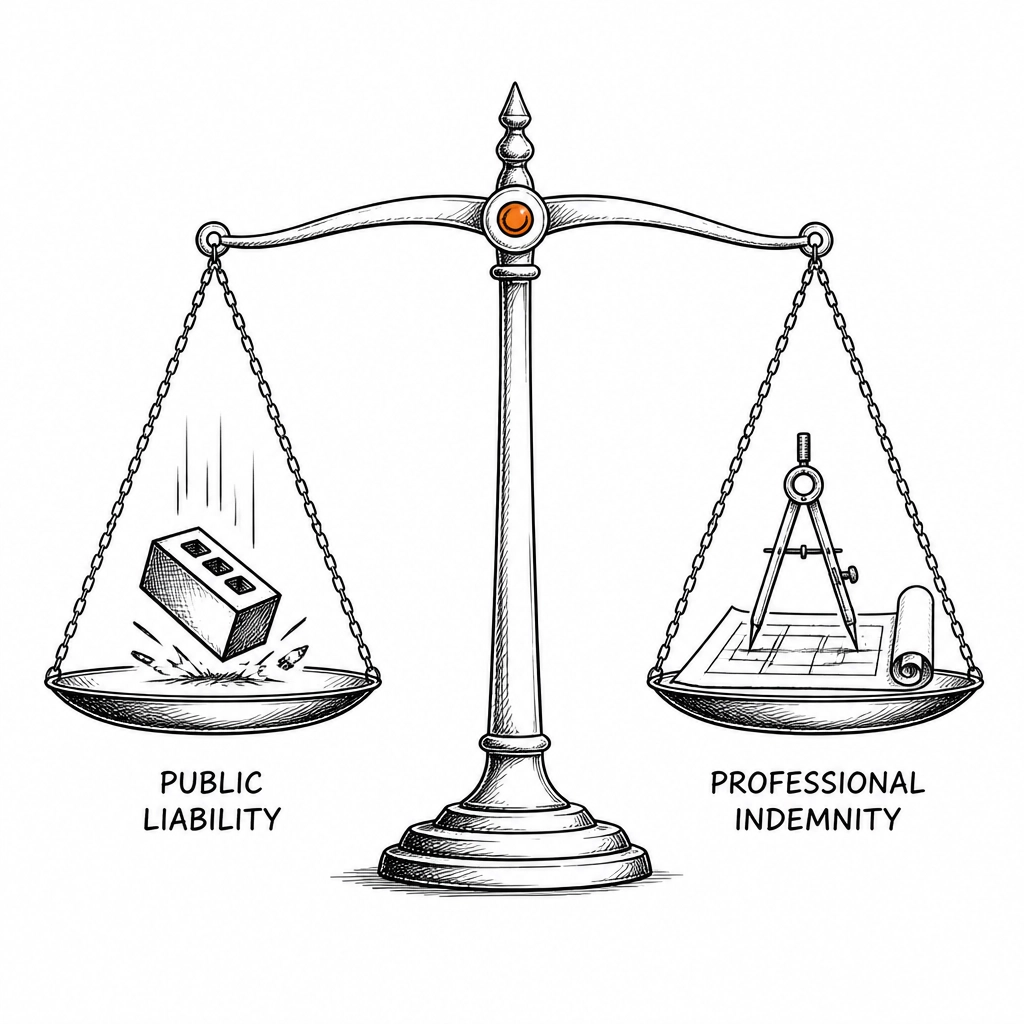
    The Gap: Public Liability vs. Professional Indemnity

    Balance scale showing Public Liability vs Professional Indemnity

    This is where the confusion usually starts. For years, general contractors didn’t think they needed Professional Indemnity (PI) insurance unless they were doing “design and build.” But in 2026, the lines have blurred.

    Under the current regime, if you provide any level of technical advice, sign off on a “substitution of materials,” or manage the “Golden Thread” of information, you are performing a professional service. Standard General Contractor Liability Insurance typically excludes professional negligence.

    I’ve seen cases where a contractor in Essex made a “common sense” swap for a cladding fixative because of a local shortage. On paper, it seemed fine. But when the building safety regulator audited the “Golden Thread” two years later, the swap was deemed non-compliant. The cost to rectify wasn’t covered by their Public Liability because there was no “accidental damage”, it was a professional error. This is one of the biggest construction insurance pitfalls I see firms falling into today.

    The “Golden Thread” is Your Best Friend (And Your Worst Enemy)

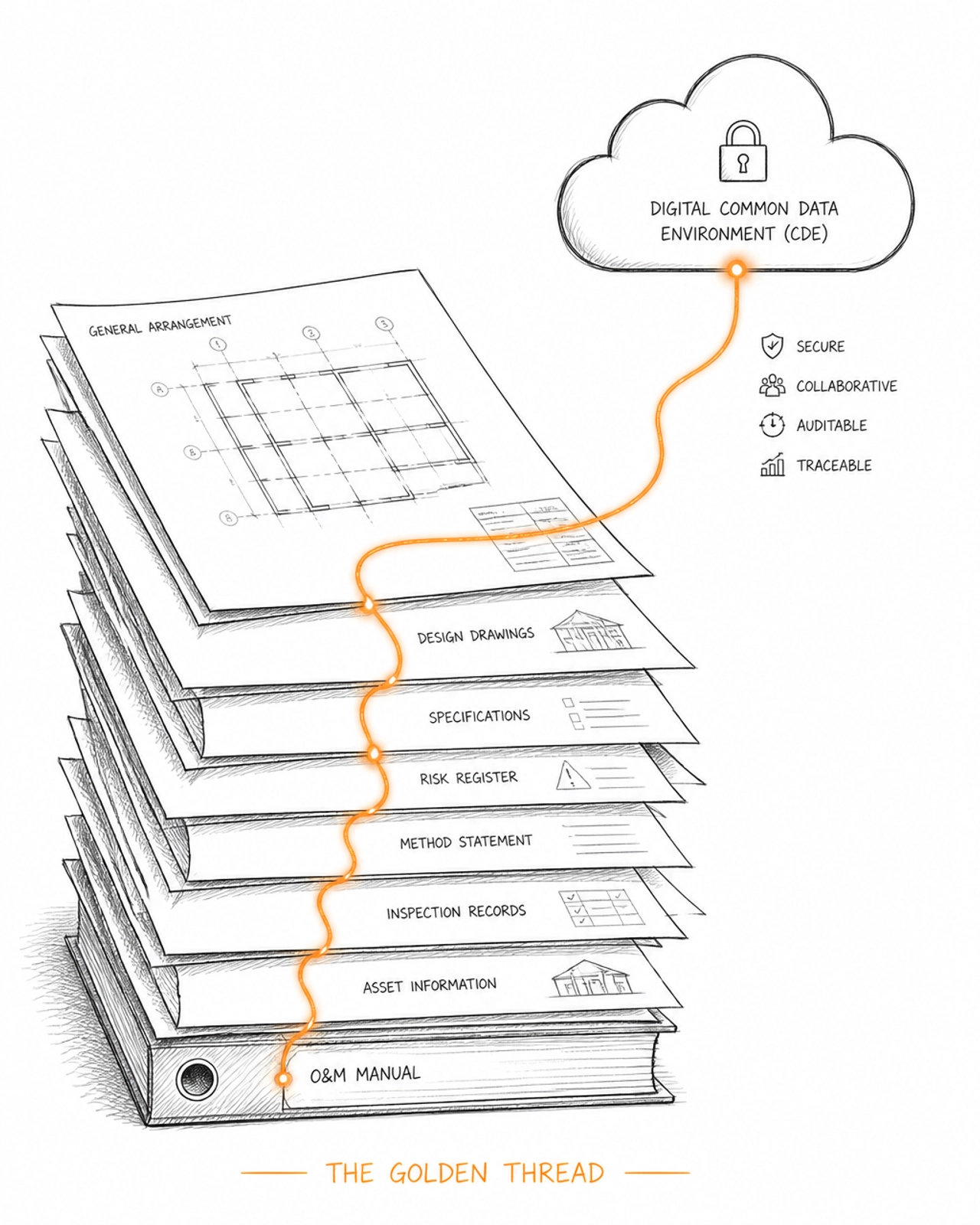
    Blueprints with a glowing orange thread weaving through them

    If you want to secure competitive Business Insurance in Essex or London, you need to prove you have mastered the “Golden Thread.” This is the digital record of everything, from the initial design intent to the final screw turned on site.

    Going forward, insurers aren’t just looking at your claims history; they are looking at your data management. I’ve noticed that brokers are now asking for evidence of digital logbooks and real-time compliance tracking before they even offer a quote. If your filing system is still a collection of muddy folders in the back of a van, you are going to find your premiums skyrocketing, or worse, you’ll be declined cover altogether.

    The “Golden Thread” isn’t just a regulatory hurdle; it’s your evidence. If a claim arises five years from now, that digital trail is what will determine if your insurer stands by you or points to a “failure to maintain records” clause to void the policy.

    The Competence Trap in Essex and London

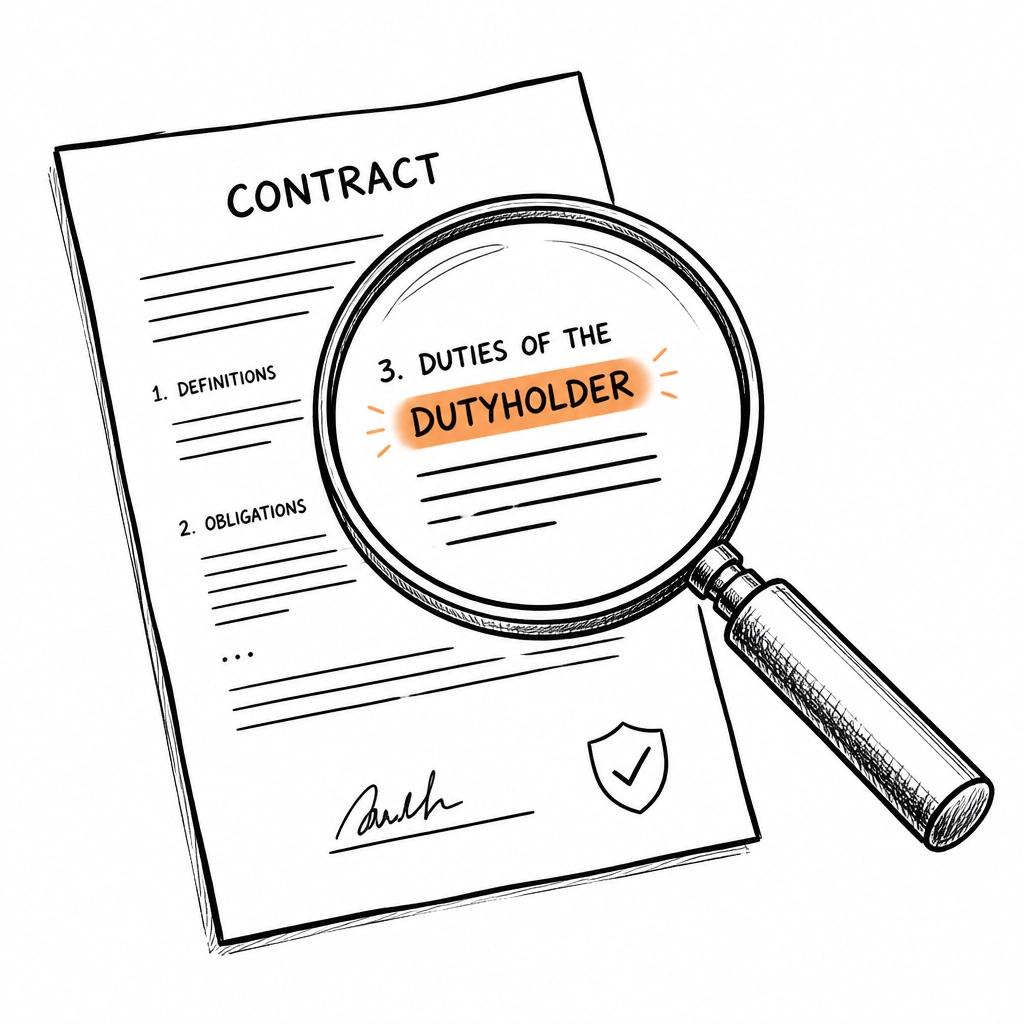
    A magnifying glass highlighting the word DUTYHOLDER on a contract

    In highly competitive markets like London and the South East, there is always pressure to move fast. However, the 2026 Building Safety Act updates have put a massive spotlight on “Competence.” You are now legally required to ensure that every subcontractor you hire is competent for the specific task they are doing.

    In the past, checking a subcontractor’s insurance certificate was enough. Today, that isn’t even the bare minimum. You need to be checking their training records, their specific experience with the materials being used, and their understanding of their own dutyholder roles.

    If a subcontractor fails and you can’t prove you did your due diligence on their competence, the liability “flows up” to you. I see this happening more often in Business Insurance London renewals, where the “vicarious liability” section of a policy is being tightened significantly. You can find more about this in our guide on 7 mistakes construction contractors make.

    4 Steps to Fix Your Cover for 2026

    If you are worried that your current setup might fail you, here is how I recommend fixing it:

    1. Audit Your Role, Not Your Title: Don’t just look at what’s on your business card. Look at what you actually do on site. Are you managing design? Are you coordinating other trades? If yes, you likely need a combined Public Liability and Professional Indemnity policy.
    2. Digitise the “Golden Thread”: Invest in a project management tool that tracks compliance in real-time. Show this to your broker. It proves you are a lower risk because you have the evidence to defend a claim.
    3. Review Subcontractor Clauses: Ensure your contracts clearly define who is the “Principal Contractor” and what their dutyholder obligations are. Don’t leave it to “standard terms” that haven’t been updated since 2022.
    4. Work with a Specialist Broker: The “average” person might understand the basics of insurance, but the 2026 regime is technical. You need someone who understands the difference between a “claims-made” PI policy and an “occurrence-based” PL policy.

    Pragmatic Realism: The Industry is Changing

    Contractors shaking hands in front of a project in Essex

    I understand the frustration. It feels like every year there is a new set of acronyms and a new reason for premiums to go up. But I think it’s important to look at this pragmatically. The goal of the 2026 regulations is to ensure that when we build something in Essex or London, it stays safe for the long term.

    As a broker at Moyak Insurance Services, I see the firms that embrace these changes: the ones who take their dutyholder roles seriously and invest in their “Golden Thread”: actually ending up with better projects and more stable insurance costs in the long run. They aren’t just buying a policy; they are securing their future.

    If you are unsure where you stand or if your General Contractor Liability Insurance is truly fit for purpose in this new era, don’t wait for a claim to find out. Let’s have a practical conversation about your specific risks and get your cover where it needs to be.

  • Cleaning Business Insurance Vs Cleaning Contractors Insurance: Which Is Better For Your Company?

    Cleaning Business Insurance Vs Cleaning Contractors Insurance: Which Is Better For Your Company?

    If you’ve been searching for insurance for your cleaning company, you’ve probably noticed two terms floating around: “cleaning business insurance” and “cleaning contractors insurance.” You might be wondering which one you actually need: and whether there’s even a real difference between them.

    The short answer? These terms are used interchangeably in the insurance industry. There isn’t a separate product called “cleaning business insurance” versus “cleaning contractors insurance.” They’re essentially the same thing, just different ways of describing insurance coverage for cleaning service providers.

    But here’s what actually matters: the type of cleaning work you do, the scale of your operations, and the specific risks your company faces. A one-person residential cleaning service in Chelmsford has very different insurance needs compared to a 20-employee commercial cleaning contractor servicing office buildings across London. That’s where the real distinction lies.

    What the Industry Terms Actually Mean

    Insurance providers and brokers use “cleaning business insurance” and “cleaning contractors insurance” to describe the same core coverage options. You’ll see both terms on websites, in quotes, and in policy documents without any meaningful difference between them.

    What you’re actually looking for is a package of coverage that protects your cleaning operation from the risks you face daily: customer injuries, property damage, employee accidents, equipment loss, and liability claims. The label matters far less than the actual coverage inside the policy.

    I think the confusion comes from how the insurance industry markets these products. Some insurers prefer “business insurance” because it sounds comprehensive. Others use “contractors insurance” because many cleaning companies operate on a contract basis with commercial clients. In practice, you’re looking at the same pool of coverage options regardless of which term you use.

    What Really Matters: Your Business Model

    Instead of worrying about whether to search for “cleaning business insurance” or “cleaning contractors insurance,” focus on describing your actual business model accurately. This is what determines which coverage you need and how much you’ll pay.

    Residential cleaning businesses typically work in private homes, often as sole traders or with a small team. You’re dealing with residential property, personal belongings, and homeowners who may not require proof of insurance before hiring you. Your risks include accidentally damaging furniture, breaking decorative items, or a client slipping on a wet floor you’ve just mopped.

    Commercial cleaning contractors, on the other hand, service office buildings, retail spaces, schools, medical facilities, and industrial sites. You usually have employees, operate on formal contracts, and work outside standard business hours. Your clients almost always require proof of insurance: specifically public liability and employer’s liability: before awarding contracts. The scale of potential claims is often higher because you’re working in larger premises with expensive equipment and fixtures.

    Then there’s the hybrid model: cleaning businesses that do both residential and commercial work. This is increasingly common across Essex and Kent, where cleaning companies might handle domestic cleans during the day and office contracts in the evenings.

    Your business model directly impacts your insurance needs and costs. A sole trader doing residential cleaning might pay £30-£40 per month for basic public liability insurance. A commercial contractor with ten employees servicing multiple sites could easily pay £300-£500 per month for a comprehensive package including employer’s liability, equipment cover, and higher liability limits.

    Coverage for Residential Cleaning Businesses

    If you’re primarily doing residential cleaning work, here’s what you need to consider.

    Public liability insurance is your foundation. This covers you if you accidentally damage a client’s property or if someone is injured because of your work. Average costs run between £30 and £77 per month depending on your coverage limits and claims history. Even though residential clients rarely ask to see proof of insurance, you absolutely need this protection. One broken antique or serious injury claim could bankrupt a small cleaning business without proper cover.

    Professional indemnity insurance might seem unnecessary for cleaning work, but it can protect you against claims that your service was inadequate or that you gave poor advice that led to damage. If a client claims you used the wrong cleaning product on an expensive carpet and ruined it, professional indemnity could cover the claim and legal costs.

    Tools and equipment cover protects your vacuum cleaners, mops, cleaning supplies, and any specialized equipment like carpet cleaners or pressure washers. This typically costs around £21 per month but can save you thousands if your van is broken into or equipment is damaged on-site.

    If you’re working alone as a sole trader, you won’t need employer’s liability insurance. But the moment you hire even one person: whether full-time, part-time, or casual: employer’s liability becomes a legal requirement in the UK. This covers you if an employee is injured while working for you.

    Coverage for Commercial Cleaning Contractors

    Commercial cleaning operations face different risks and almost always need more comprehensive coverage.

    Employer’s liability insurance is mandatory if you have any employees. This is non-negotiable and the law requires a minimum of £5 million in cover. Average costs range from £92 to £486 per month depending on how many employees you have and what type of cleaning work they’re doing. Industrial cleaning or specialist work like high-level window cleaning will cost more than standard office cleaning.

    Public liability insurance for commercial contractors typically needs higher limits: often £5 million or £10 million rather than the £1 million or £2 million that might suffice for residential work. Many commercial contracts explicitly require £5 million public liability as a minimum. You’re working in environments with expensive equipment, computer systems, and potentially hundreds of people, so the potential for large claims is significantly higher.

    Product liability coverage becomes important if you’re using commercial-grade chemicals or specialized cleaning products. This protects you against claims related to chemical reactions, residue that damages surfaces, or any harm caused by the products you use. In my experience, this is particularly relevant for cleaning contractors working in food preparation areas, medical facilities, or anywhere that strict hygiene standards apply.

    Contract works insurance might be necessary if you’re doing specialized cleaning that involves any installation, removal, or modification work: for example, if you’re contracted to clean and reinstall carpet tiles or handle post-construction cleaning.

    A Business Owner’s Policy (BOP) can bundle several of these coverages together, often at a lower cost than buying them separately. These typically combine public liability with property insurance and sometimes include business interruption cover. Average costs run around £138 per month, which can represent significant savings for established commercial contractors.

    How to Choose the Right Coverage

    Stop thinking about “cleaning business insurance” versus “cleaning contractors insurance” and start thinking about your specific risk profile.

    Ask yourself these questions: Do you have employees? What’s the value of the properties you work in? What types of cleaning chemicals and equipment do you use? Do your clients require proof of insurance and specific coverage limits? Are you working in high-risk environments like hospitals or industrial sites?

    Your answers will determine which coverage you need and how much cover is appropriate. A domestic cleaner working alone in private homes might only need £1 million public liability and tools cover. A commercial contractor with employees servicing office buildings needs employer’s liability, higher public liability limits, and probably a BOP.

    Go through your client contracts carefully. Many commercial cleaning contracts specify exact insurance requirements: coverage types, minimum limits, and sometimes even named insurer requirements. Make sure your policy meets these requirements before you sign any contract. I’ve seen cleaning contractors lose lucrative contracts simply because their insurance didn’t meet the client’s specified limits.

    The Moyak Approach to Cleaning Company Insurance

    At Moyak Insurance Services, we don’t care whether you call it “cleaning business insurance” or “cleaning contractors insurance”: we care about getting you the right coverage for your actual operation.

    We work with cleaning companies across Essex, Kent, and London, from sole traders doing residential work in Southend to commercial contractors servicing multiple sites across the capital. Every cleaning business is different, which is why we take an individual approach to each client.

    When you come to us for a cleaning company insurance quote, we’ll ask about your specific operations: residential or commercial work, number of employees, types of premises you service, equipment you use, and any specialized cleaning services you offer. We’ll also review any client contracts to ensure your coverage meets their requirements.

    We don’t push standardized packages. Instead, we build coverage around your actual risk profile, ensuring you’re not paying for coverage you don’t need while making certain you’re fully protected where it matters.

    The insurance market for cleaning businesses has become more complex in recent years, with insurers becoming more selective about which risks they’ll cover and at what price. Having a broker who understands the cleaning industry and maintains relationships with multiple insurers means you get access to better options and competitive pricing.

    Going forward, I think cleaning companies need to be more proactive about their insurance rather than treating it as a box-ticking exercise. The right coverage isn’t just about meeting client requirements or legal obligations: it’s about protecting the business you’ve built from the genuine risks you face every working day.

    Whether you’re searching for “cleaning business insurance” or “cleaning contractors insurance,” what you actually need is coverage that matches your operations. Focus on that, and you’ll get the protection that matters.

  • Is Your Business Insurance ‘City-Proof’? Why Standard Policies Fail London Tradesmen

    If you’re a tradesman working in London, you already know the capital is its own beast. Between the Congestion Charge, the ULEZ, and trying to find a parking spot that doesn’t cost more than the job is worth, it’s a challenging environment. But there is a hidden risk that many local businesses don’t see until it’s too late: their insurance.

    I’ve spoken to dozens of contractors who bought a “standard” policy online, thinking they were fully covered for work across the UK. Then, they take a job in Westminster or Camden, something goes wrong, and they discover their policy has an “Inner London” exclusion. Suddenly, that cheap premium becomes the most expensive mistake they’ve ever made.

    In this industry, we often see a gap between what a generic insurance portal offers and what a London tradesman actually needs. Here is why a standard policy might be failing you and how to make your business truly “City-Proof.”

    The “Inner London” Trap

    This is the one that catches most people out. Many nationwide insurers offer low-cost policies by excluding high-risk areas. If you look at the fine print of a standard general tradesmen liability insurance policy, you might find a territorial exclusion for “Inner London.”

    What does this mean in practice? Usually, it refers to specific postcodes like EC, WC, and parts of SE or SW. If your policy has this exclusion and you cause a water leak in a Mayfair flat or a fire in a Shoreditch office, your insurer can legally walk away from the claim. I’ve seen this happen, and it is devastating. You’re not just paying for the damage out of pocket; you’re risking your entire business.

    Going forward, you need to be certain that your Business Insurance London specifically covers the areas where you actually work. Don’t assume “UK-wide” means every street in the capital.

    The Theft Epidemic: London is the UK’s Van-Crime Capital

    We don’t like to be alarmist, but the numbers are hard to ignore. London accounts for nearly 30% of all vehicle thefts in England and Wales. In fact, back in 2024, the Metropolitan Police reported over 9,500 tool thefts from vans in London alone. That’s about 26 thefts every single day.

    Standard tool cover often comes with “overnight” clauses that are nearly impossible to meet in London. For example, some policies won’t pay out if your tools are stolen from a van parked on the street overnight. But in London, how many of us have access to a locked garage or a gated compound?

    I always recommend checking for “In-Vehicle” tool limits and specific security requirements. A “City-Proof” policy should reflect the reality of London life: where parking on a well-lit street might be your only option. If your insurer requires a Thatcham-approved alarm or specific deadlocks, you need to know that before the window gets smashed, not after.

    The Parking Penalty: Logistics Drive Risk

    Parking in London isn’t just a headache; it’s a risk factor. Recent data suggests that UK tradespeople pay over £119 million in parking fines every year. While you can’t insure against a parking ticket, the way you park affects your liability.

    When you can’t find a spot near the site, you end up lugging heavy equipment across busy pavements. This increases the chance of a “trip and fall” claim from a member of the public. If you’re rushing to unload because you’re on a double-yellow line, you’re more likely to have an accident.

    Standard policies don’t always account for the high-density nature of London work. You need a public liability limit that reflects the value of London properties and the sheer volume of footfall. A £1 million limit might be fine for a semi-detached house in the suburbs, but in a Commercial Combined Business Insurance context in Central London, it’s often the bare minimum.

    Why the “Average” Policy is a Gamble

    The problem with the big comparison sites is that they treat a plumber in Essex the same as a plumber in Soho. They don’t ask if you’re working near the Thames (where flood risks change) or if you’re working on high-rise buildings (which many standard policies exclude).

    I think the move toward purely digital, “click-and-buy” insurance has left a lot of London tradesmen exposed. These systems are built for the average case, but there is nothing “average” about working in one of the busiest cities in the world.

    How to Make Your Business “City-Proof”

    If you’re operating in London, you need to take a proactive approach to your cover. Here are three steps I recommend every tradesman takes this week:

    • Check Your Territorial Limits: Open your policy schedule and look for any mention of “Inner London” or specific postcode exclusions. If you see them and you work in the City, call your broker immediately.
    • Audit Your Tool Security: If your tools are worth £5,000 but your policy only covers £2,000, you’re under-insured. Ensure your policy matches your inventory and that you can actually meet the security conditions (like deadlocks or alarms).
    • Think About Public Liability Limits: Many main contractors in London now demand £5 million or even £10 million in public liability cover. If you’re still on a basic £1 million or £2 million policy, you might be missing out on the best contracts.

    The Moyak Approach

    At Moyak Insurance Services, we don’t just sell policies; we act as a bridge between you and the UK’s leading master insurance brokers. We understand the specific challenges of being a London tradesman because we’re based right on the doorstep in Essex and Kent. We know which insurers are comfortable with London risks and which ones are likely to hide exclusions in the small print.

    Whether you’re a sole trader or running a growing contracting firm, you deserve an individual approach. We care about making sure your insurance actually works when you need it to, saving you from the “cheap” policies that end up costing a fortune.

    Don’t wait for a claim to find out your insurance isn’t “City-Proof.” Let’s have a look at your current cover and make sure you’re actually protected for the work you do.

    Ready to secure your business? Contact us today for a personalized quote that understands the London market.

  • The Ultimate Guide to the Building Safety Act 2026: Everything Contractors Need to Succeed

    Construction blueprint and safety helmet in a professional sketch style

    As we move through 2026, the landscape for construction in the UK has shifted fundamentally. I remember talking to contractors a few years back who thought the Building Safety Act (BSA) was just another layer of red tape that would eventually fade into the background. But sitting here today, I can see that the opposite has happened. The “new normal” is officially here, and for those of us working as a Business Insurance Broker in Essex, it’s clear that the stakes have never been higher.

    If you are a contractor operating in London or Essex, the Building Safety Act 2026 requirements aren’t just about safety on-site anymore: they are about the very survival of your business. From the way you document a single screw to the level of General Contractor Liability Insurance you carry, everything has changed.

    In this guide, I’ll break down exactly what you need to know to stay compliant, protected, and profitable in this new era.

    The “Golden Thread”: Documentation is No Longer Optional


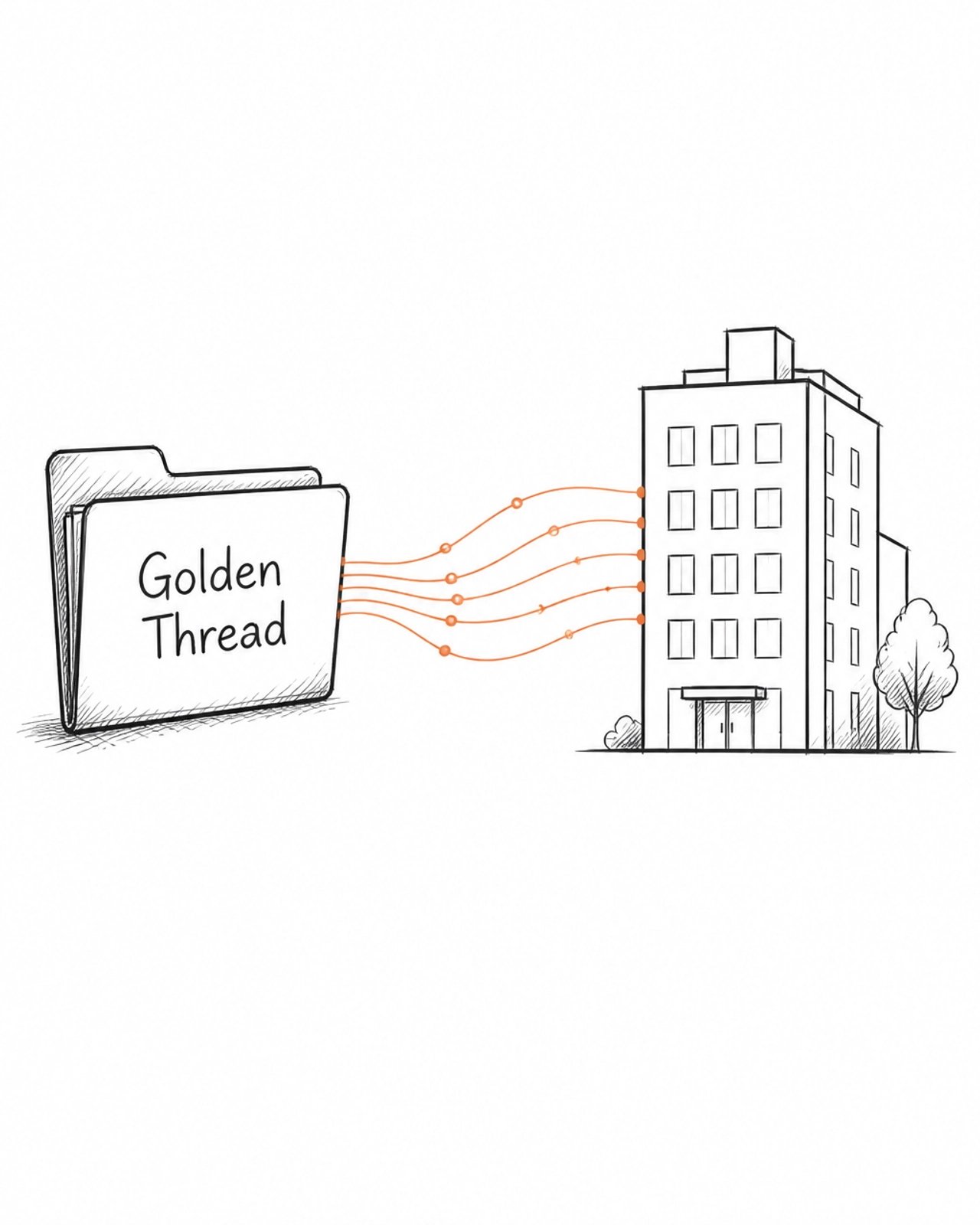
    In the past, keeping records was often seen as a “nice to have” or something that was tidied up at the end of a project. That’s a dangerous mindset in 2026. The Building Safety Act has formalised the “Golden Thread” of information. This is a digital record of everything: from design intent to the specific materials used and the competence of the person who installed them.

    The Golden Thread digital folder sketch

    I’ve spoken to several project managers recently who found themselves in hot water because they couldn’t produce the digital evidence required during a gateway inspection. In 2026, if it isn’t documented digitally, it didn’t happen. From an insurance perspective, this is critical. If a claim arises ten years from now, your ability to defend yourself will rest entirely on this Golden Thread. Without it, your Construction Contractor Insurance might not provide the shield you expect.

    Dutyholders and the New Weight of Liability

    One of the biggest shifts I’ve observed is the clear definition of “Dutyholders.” Whether you are the Client, the Principal Designer, or the Principal Contractor, the law now assigns specific legal responsibilities to you.

    It’s no longer enough to say, “I followed the drawings.” You are now legally required to ensure that the people you hire are competent and that the work complies with all building regulations. In fact, we are seeing a significant rise in the need for Directors & Officers (D&O) insurance because the Act allows for personal liability to be attached to senior management for safety breaches.

    The Insurance Landscape in 2026: What’s Changed?

    The insurance market has reacted sharply to the BSA. In my experience, insurers are no longer just looking at your turnover; they are looking at your processes.

    1. Professional Indemnity (PI) – The 30-Year Tail

    The limitation period for claims under the Defective Premises Act has extended to 30 years for some projects. This is a massive “long-tail” risk. When you’re looking at your PI cover, you need to ensure it reflects this exposure. A policy that was “standard” five years ago might leave you dangerously exposed today.

    2. Public and Products Liability

    While Business Insurance London has always required robust limits due to the complexity of the city’s infrastructure, the BSA has pushed this even further. Clients and developers are now demanding much higher limits of indemnity: often £10m or more: especially for any work involving high-rise residential buildings.

    3. General Contractor Liability Insurance

    If you are a general contractor, your role as a “gatekeeper” of safety is now enshrined in law. Insurers want to see that you have a rigorous process for vetting subcontractors. We’ve recently written about the 7 mistakes contractors make regarding these fixes, and it remains a top priority for our clients.

    London vs. Essex: Navigating the Regional Nuances

    Working across both London and Essex, I see two different but equally challenging environments.

    Skyline of London and Essex with a protective shield

    In London, the focus is heavily on “Higher-Risk Buildings” (HRBs). The density and height of projects mean that the regulatory scrutiny is intense. If you’re a contractor in the city, you are likely dealing with the Building Safety Regulator (BSR) on a weekly basis.

    In Essex, while we have fewer high-rise developments, the “BSA-lite” approach is becoming the standard for all construction. Even smaller residential developments are now adopting the same documentation and competence standards as the big London projects. Whether you are in Chelmsford or Canary Wharf, the expectation of Business Insurance Essex specialists like us is that you operate at the highest level of compliance.

    Your 2026 Compliance Checklist

    To help you navigate these changes, I’ve put together a practical checklist that every contractor should be following right now:

    Checklist for compliance sketch

    • Audit Your Digital Records: Is your “Golden Thread” actually a thread, or is it a series of disconnected emails? Ensure all project data is centralized and accessible.
    • Verify Subcontractor Competence: Don’t just check their insurance certificates; check their training records and specific BSA competence.
    • Review Your Limitation Periods: Talk to your broker about the 30-year liability window. Does your current PI policy cover your past works adequately?
    • Update Your RAMS: Ensure your Risk Assessments and Method Statements explicitly reference the new building safety standards.
    • Check for Fire Safety Exclusions: Many older policies have “cladding” or “fire safety” exclusions that could be devastating under the current Act.

    How Moyak Insurance Services Can Help

    At Moyak Insurance Services, we don’t just sell policies; we partner with you to manage risk. I spend a lot of my time looking through contract clauses and insurance schedules to find the gaps that others miss.

    Two professionals shaking hands sketch

    We know the London and Essex markets inside out. Whether you’re looking for General Contractor Liability Insurance or need a full review of your business’s risk profile, we are here to help. The Building Safety Act doesn’t have to be a threat to your business: with the right preparation and the right insurance partner, it can be a framework that helps you stand out as a leader in the industry.

    Going forward, the contractors who embrace these changes will be the ones winning the biggest contracts. If you’re unsure where you stand, let’s have a conversation.

    Contact Moyak Insurance Services today to ensure your business is built on a foundation of safety and security.

  • 7 Mistakes You’re Making with Construction Contractor Insurance (And How to Fix Them)

    Minimalist sketch of a construction contractor in front of a building site

    I’ve spent a lot of time talking to contractors across Essex, Kent, and London, and there is one thing I see time and time again: a deep-seated frustration with insurance. Most construction business owners I speak with view insurance as a “necessary evil”: something they pay for because the contract requires it, but they often don’t truly understand what they’re getting until it’s too late.

    In the fast-paced environment of 2026, where project complexities are rising and site safety regulations are tighter than ever, the stakes have changed. A “basic” policy that worked five years ago might leave you completely exposed today. Whether you’re a sole trader or running a large firm, I’ve identified seven critical mistakes that could potentially sink your business if they aren’t addressed.

    1. The “Everything is Covered” Assumption

    The most common mistake I see is the belief that a General Contractor Liability Insurance policy is a catch-all for every mishap on site. It isn’t.

    General Liability (GL) is designed to protect you against third-party bodily injury and property damage. It does not cover your own tools, your own faulty workmanship, or injuries to your own employees. I often have to explain to clients that if a wall you built collapses because of poor technique, GL might pay for the damage to the floor below, but it won’t pay to rebuild that wall.

    How to fix it: Map your risks. Sit down and look at what could go wrong. If you have employees, you need Employer’s Liability. If you have expensive equipment, you need specific plant and tool cover. Don’t assume; ask your broker for a “gap analysis.”

    2. Sticking with Minimum Limits While Scaling

    When you started out, a £1 million or £2 million limit might have seemed like a fortune. But as you move into larger commercial projects or high-end residential work in London, those limits can be eaten up in a heartbeat.

    If a serious injury occurs on a site where you are the lead contractor, the legal fees and compensation claims can easily exceed basic limits. If your policy maxes out, the rest comes out of your business (or personal) pocket.


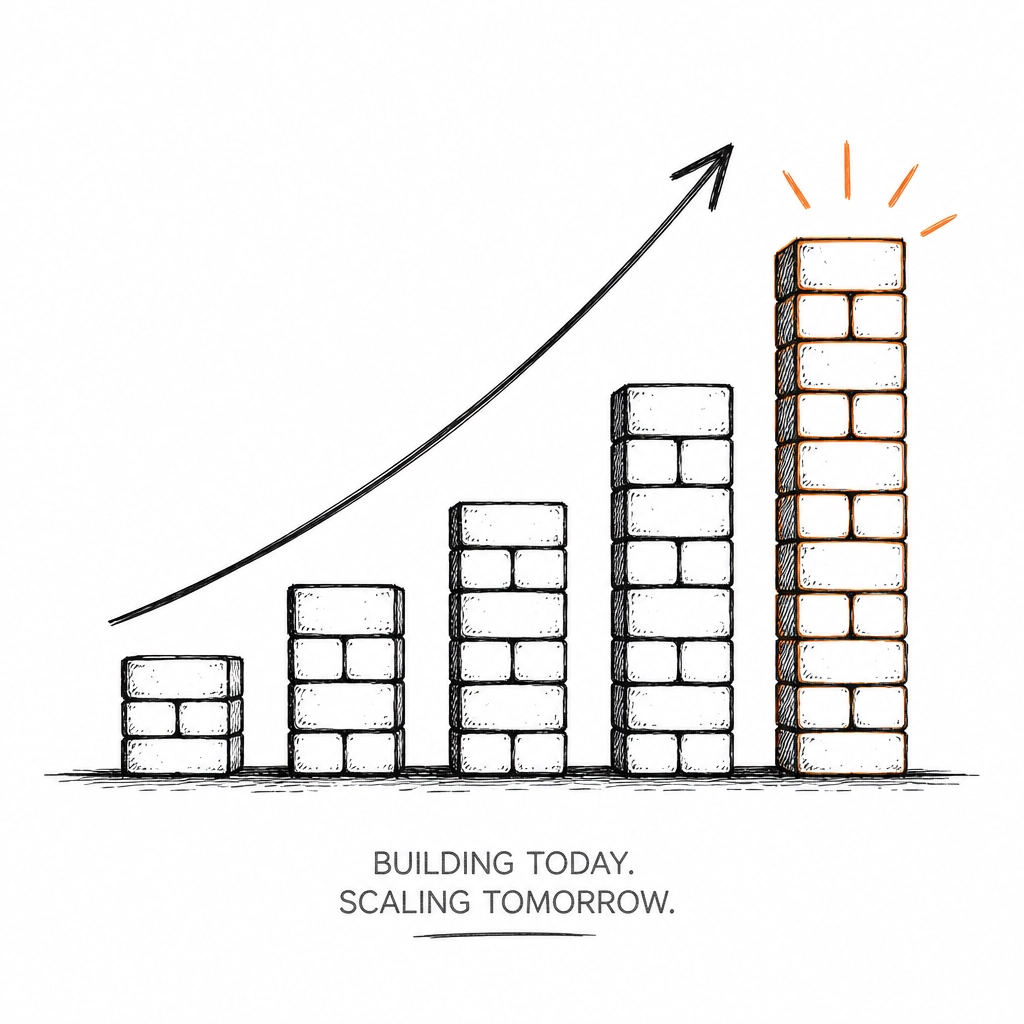
    Sketch of bricks forming a growth graph

    How to fix it: Tie your limits to your project size and total business assets. As your revenue grows, your insurance should grow with it. We often recommend scaling your construction business by reviewing limits every time you take on a contract that is 20% larger than your previous average.

    3. The Subcontractor “Blind Spot”

    If you use subcontractors, you are technically responsible for the site. A major pitfall is assuming your “subs” have their own insurance and leaving it at that. I’ve seen cases where a subcontractor’s policy had lapsed or didn’t cover the specific work they were doing for the lead contractor.

    When the claim comes in, the insurers will look for the deepest pockets: and that’s usually the main contractor.

    How to fix it: Always verify Certificates of Insurance (COI). Don’t just take their word for it; keep a digital folder with updated copies of their policies. Ideally, you should be named as an “Additional Insured” on their policy for the duration of the project.

    4. Falling into the “Design Creep” Trap

    Many contractors tell me, “I don’t do design, I just build.” But in reality, if you suggest a change to a drawing, recommend a specific material for its structural properties, or provide advice that the client relies on, you are performing “professional services.”

    General Liability excludes professional advice. If that advice leads to a structural failure, you are on your own without Professional Indemnity (PI) insurance.

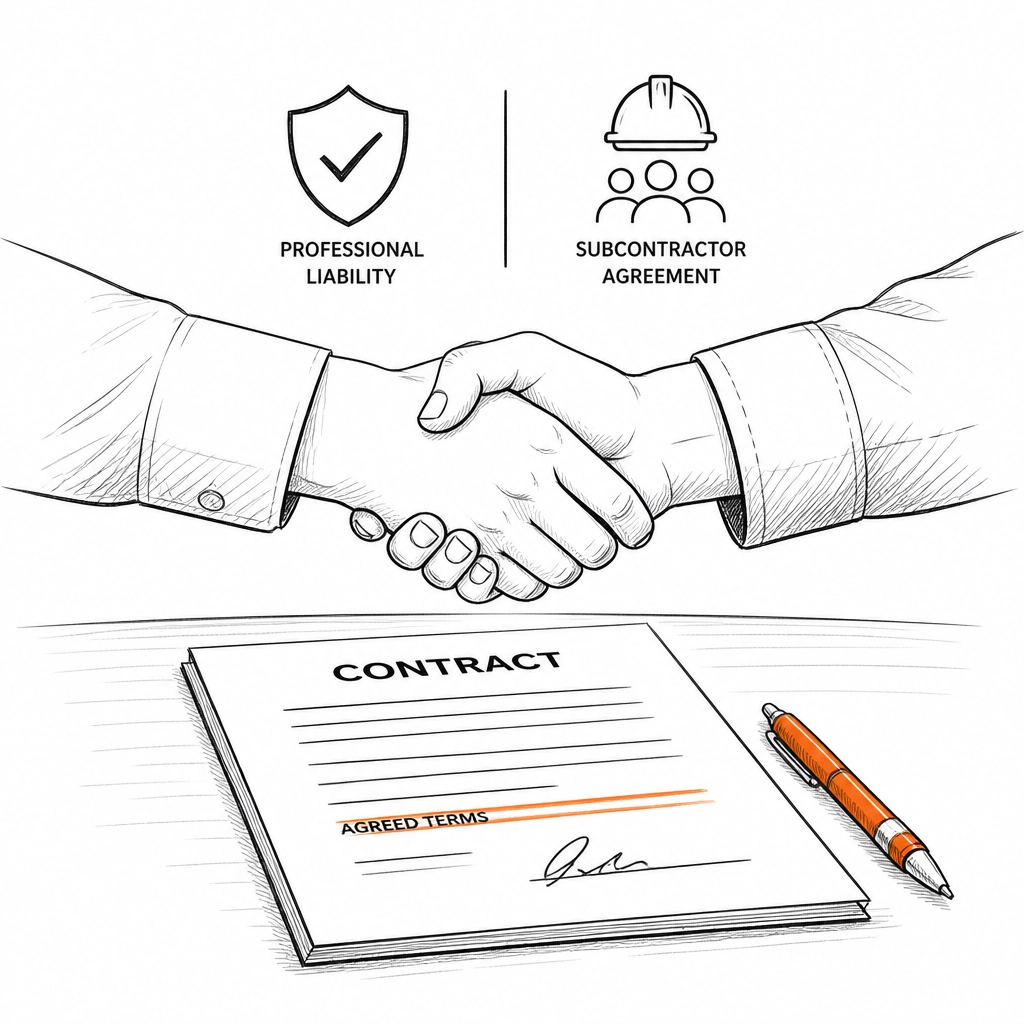
    Sketch of two people shaking hands over a contract

    How to fix it: If you are involved in design-build projects or even just provide significant consultation, you need to add Professional Indemnity to your Commercial Combined package. It’s a small price to pay to protect your reputation and your bank account from “design creep” claims.

    5. Neglecting Tools and Transit Cover

    In areas like Kent and London, tool theft is a massive issue. I’ve spoken to contractors who lost £10,000 worth of kit overnight, only to find their insurance only covered tools while they were “locked in a building” and not in a van, or didn’t cover them at all because they weren’t specified on the policy.

    Sketch of construction tools and equipment

    How to fix it: Ensure you have “Inland Marine” or dedicated Tools and Equipment Insurance. Check the “overnight storage” clauses carefully. Some policies require your van to be parked in a secure compound or have specific alarm systems for the cover to remain valid.

    6. Choosing the Cheapest Policy Over the Best Cover

    I understand the temptation to go for the lowest quote. Margins in construction can be thin. However, a cheap policy often has high deductibles and, more importantly, “silent” exclusions. You might save £200 a year on premiums but end up with a £5,000 “excess” or an exclusion for “work at height” that makes your insurance useless for roofing or scaffolding.

    How to fix it: Use an independent broker. We deal with the UK’s leading master insurance brokers to find the best cover for your budget. The goal isn’t the cheapest price; it’s the best value: the policy that actually pays out when you need it to.

    7. Letting Policies Go “Stale”

    Your business is dynamic. Maybe last year you only did residential extensions, but this year you’ve started doing basement excavations. If your insurer thinks you are still just doing “general carpentry,” they may refuse a claim related to an excavation collapse.

    “Stale” insurance is a silent killer. It gives you a false sense of security while providing zero actual protection for your current operations.

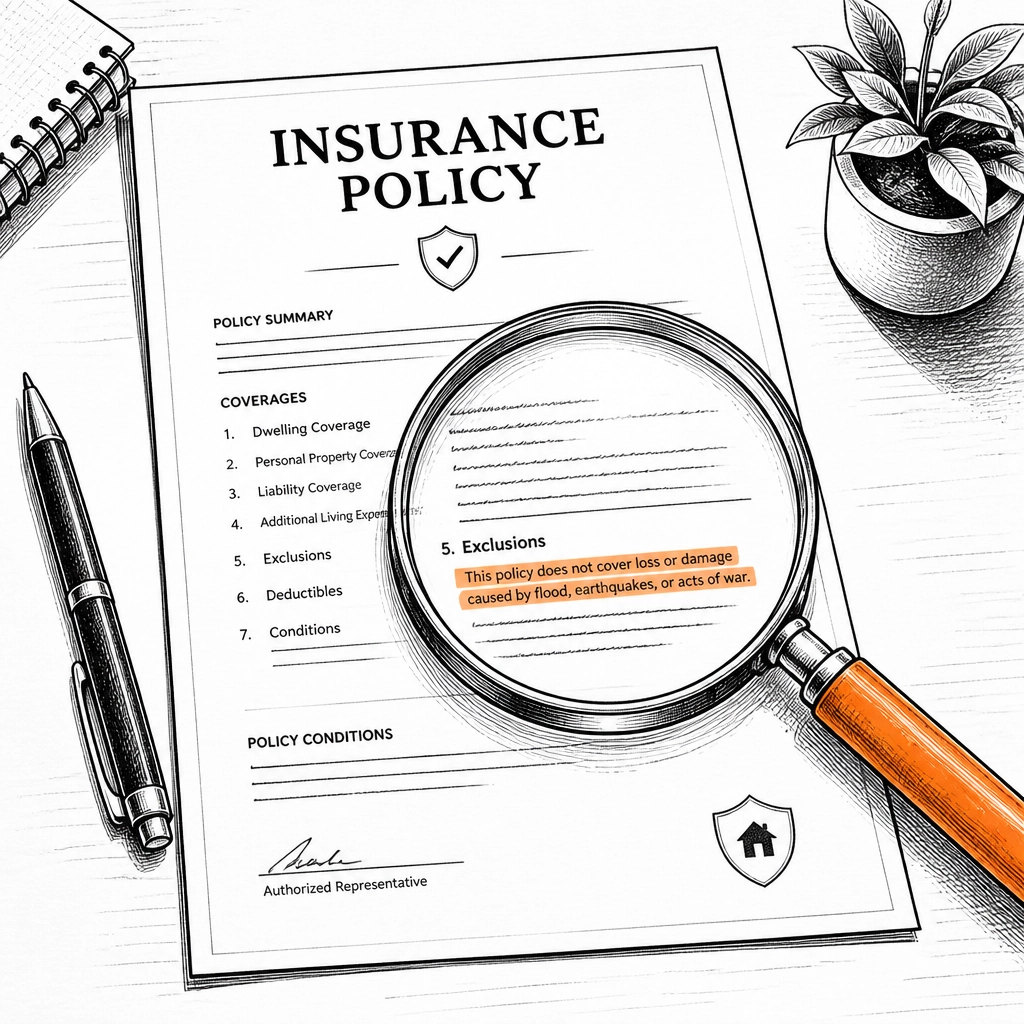
    Sketch of a magnifying glass over a policy document

    How to fix it: Perform an annual review. In fact, don’t even wait for the renewal. If you change your “scope of work” or trade classification, call your broker immediately. It’s better to pay a small adjustment fee now than to have a claim rejected later.

    Moving Forward

    Insurance doesn’t have to be a headache, but it does require a bit of proactive care. From my perspective, the contractors who thrive are the ones who treat their insurance broker as a partner in their business growth, not just a line item on their expenses.

    At Moyak Insurance Services, we take an individual approach to every client. Whether you’re a specialist tradesman in Kent or a general contractor in the heart of London, we’re here to help you navigate these pitfalls.

    Don’t wait for a claim to find out you’re underinsured. Reach out to us today for a full review of your current coverage.


  • Scaling Your Construction Business in Essex: The Insurance Pitfalls to Avoid

    Professional construction site in Essex with a crane and scaffolding in a minimalist sketch style

    Scaling a construction business in Essex is a significant achievement. It means you’ve moved past the initial struggle of finding work and are now managing bigger teams, more complex projects, and larger budgets. Whether you are moving from residential extensions in Chelmsford to commercial developments in Southend, or taking on more specialised subcontracting work across the county, the transition is exciting.

    However, as someone who spends every day looking at the “fine print” of the industry, I can see how quickly this growth can outpace your protection. In fact, many of the most successful contractors I’ve worked with initially came to us because their old “one-size-fits-all” policy was starting to buckle under the weight of their new operations.

    When you scale, your risk doesn’t just grow: it changes shape. The insurance that worked for you as a small team of three won’t hold up when you’re managing a dozen subcontractors on a £2 million site. In this guide, I want to walk you through the most common insurance pitfalls I see Essex construction firms fall into and how you can avoid them.


    1. The Underinsurance Trap: Turnover vs. Reality

    The most common mistake is also the simplest: failing to update your turnover and wage-roll figures. In the rush of winning new contracts and hiring more hands, the “boring” administrative task of updating your insurance often falls to the bottom of the pile.

    A growing bar chart made of bricks representing a scaling construction business

    Most Business Insurance Essex policies are rated based on your estimated turnover and payroll. If you tell your insurer at the start of the year that you expect to do £500,000 in work, but you end up landing a project that pushes you to £1.5 million, you are potentially underinsured.

    In the event of a claim, insurers can apply what is known as the “Condition of Average.” This means if you are underinsured by 50%, they might only pay out 50% of your claim. I’ve seen this happen, and for a scaling business, it can be a fatal blow to your cash flow. It is vital to treat your insurance as a living document that grows as you do.

    2. Ignoring Height and Depth Restrictions

    As you take on larger projects, the physical nature of the work often changes. You might find yourself working on taller buildings or digging deeper foundations than your original policy allows.

    I recently spoke to a contractor who had been doing standard two-storey residential work for years. Their General Tradesmen Liability Insurance had a 10-metre height limit. When they won a contract for a five-storey apartment block, they didn’t check their policy. If a tool had fallen from the fourth floor and injured someone, they would have been personally liable for the damages.

    Always check your height and depth limits before signing a new contract. If your work in Essex is moving into town-centre developments or more significant civil engineering projects, you likely need to have these limits extended or removed.

    3. The “Bona-Fide” Subcontractor Confusion

    Scaling almost always involves using subcontractors. However, there is a massive difference between “Labour-only” subcontractors and “Bona-fide” subcontractors in the eyes of an insurer.

    • Labour-only subcontractors: These people work under your direct supervision, use your tools, and are treated essentially as employees. You MUST include them in your Employers’ Liability calculations.
    • Bona-fide subcontractors: These are independent businesses that provide their own tools, materials, and insurance.

    The pitfall here is assuming that because a subcontractor is “Bona-fide,” you don’t need to worry about them. You must verify: every single time: that they have their own Construction Contractor Insurance with limits that match yours. If they cause a major fire on-site and their insurance is invalid, the claim will almost certainly work its way up the chain to you.

    4. Contractual Obligations and JCT Clauses

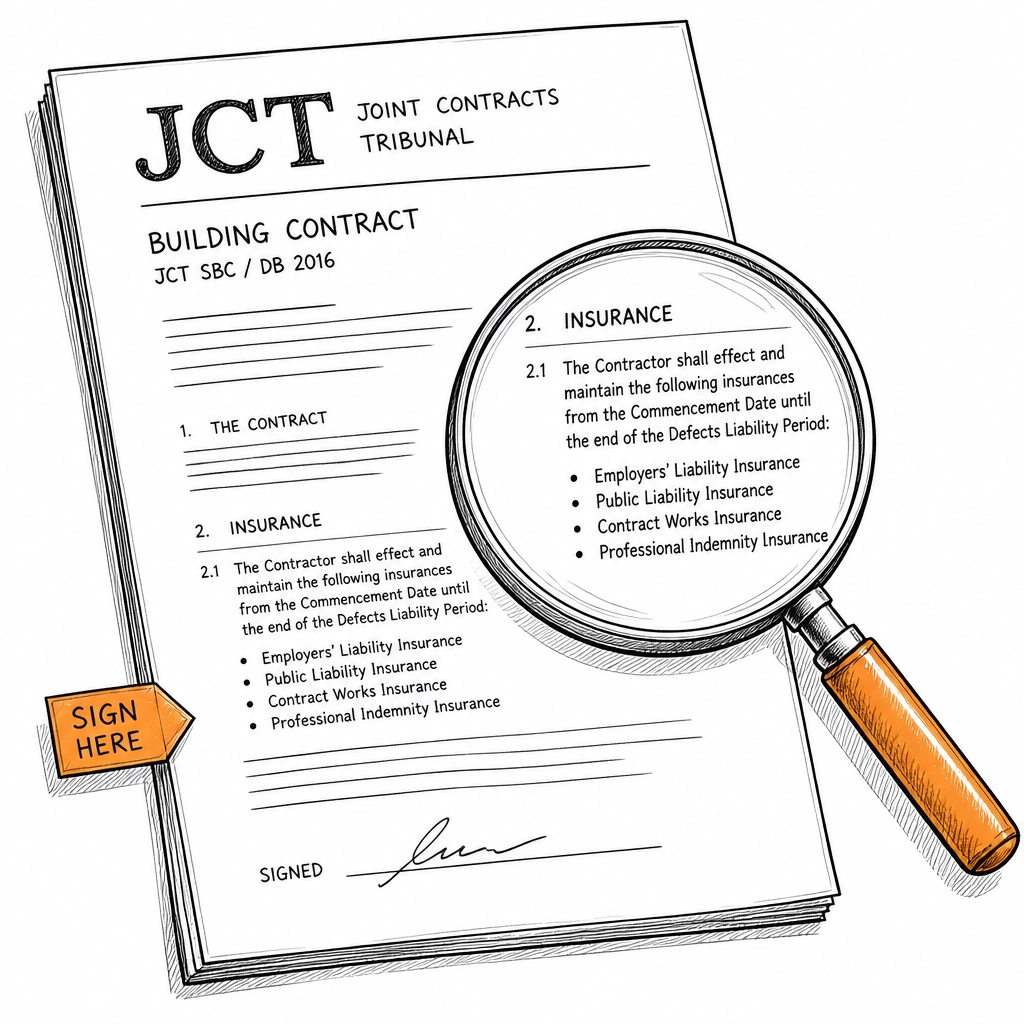
    If you are moving into larger commercial work, you are likely encountering JCT (Joint Contracts Tribunal) contracts. These documents are excellent for clarity, but they often come with specific insurance requirements that catch growing firms off-guard.

    A legal contract with a magnifying glass representing insurance clauses

    One of the most critical is JCT Clause 6.5.1 (formerly 21.2.1) Non-Negligent Liability. Standard Public Liability insurance only pays out if you are negligent (i.e., you did something wrong). But what if you are doing a basement dig in a terrace in Epping and the neighbouring house cracks, even though you followed all the professional advice? There’s no “negligence,” so your standard policy won’t pay.

    This specific cover is often a requirement for many Essex-based developments, and if you haven’t arranged it, you are in breach of contract from day one. I think it’s one of the most overlooked areas of risk for contractors moving into the “mid-market” space.

    5. The Need for Professional Indemnity (PI)

    In the past, construction was simple: the architect designed it, and the contractor built it. Today, the lines are blurred. If you are involved in “Design and Build,” or even if you are just suggesting a specific material or technical solution on-site, you are taking on professional risk.

    Standard liability insurance covers “tangible” things: injury or property damage. It does not cover financial loss caused by poor advice or design errors. As you scale, adding a Professional Indemnity element to your Moyak Insurance portfolio becomes a necessity rather than an option.

    Why an Individual Approach Matters

    When you search for “Business Insurance Essex,” you’ll find plenty of websites that offer an instant quote. While those are fine for a sole trader with a van, they are dangerous for a scaling business.

    Two people shaking hands representing an individual approach and partnership

    At Moyak Insurance Services, we believe in a different way of doing things. Our “Individual Approach” isn’t just a marketing slogan; it’s a necessity for complex industries like construction. We act as your broker, dealing with the UK’s leading master insurance brokers to find the best cover for your specific budget and project types.

    I can see the value in sitting down with a client to understand exactly what they do. We don’t just ask about your turnover; we ask about the heights you work at, the heat processes you use, and the types of subcontractors you hire. This level of care ensures that when you do need to make a claim, there are no hidden exclusions waiting to trip you up.

    Actionable Checklist for Scaling Contractors

    If your Essex construction firm is in a growth phase, here is a quick checklist to run through with your broker:

    1. Projected Turnover: Is your declared turnover within 10% of what you actually expect to earn this year?
    2. Working Limits: Does your policy cover the maximum height and depth you are currently working at?
    3. Heat Work: Are you using blowtorches, welding equipment, or angle grinders? Ensure your “Use of Heat” conditions are being met.
    4. Subie Checks: Do you have a system for collecting and checking the insurance certificates of every subcontractor you hire?
    5. Contract Review: Before signing a JCT or NEC contract, has your broker reviewed the insurance requirements?

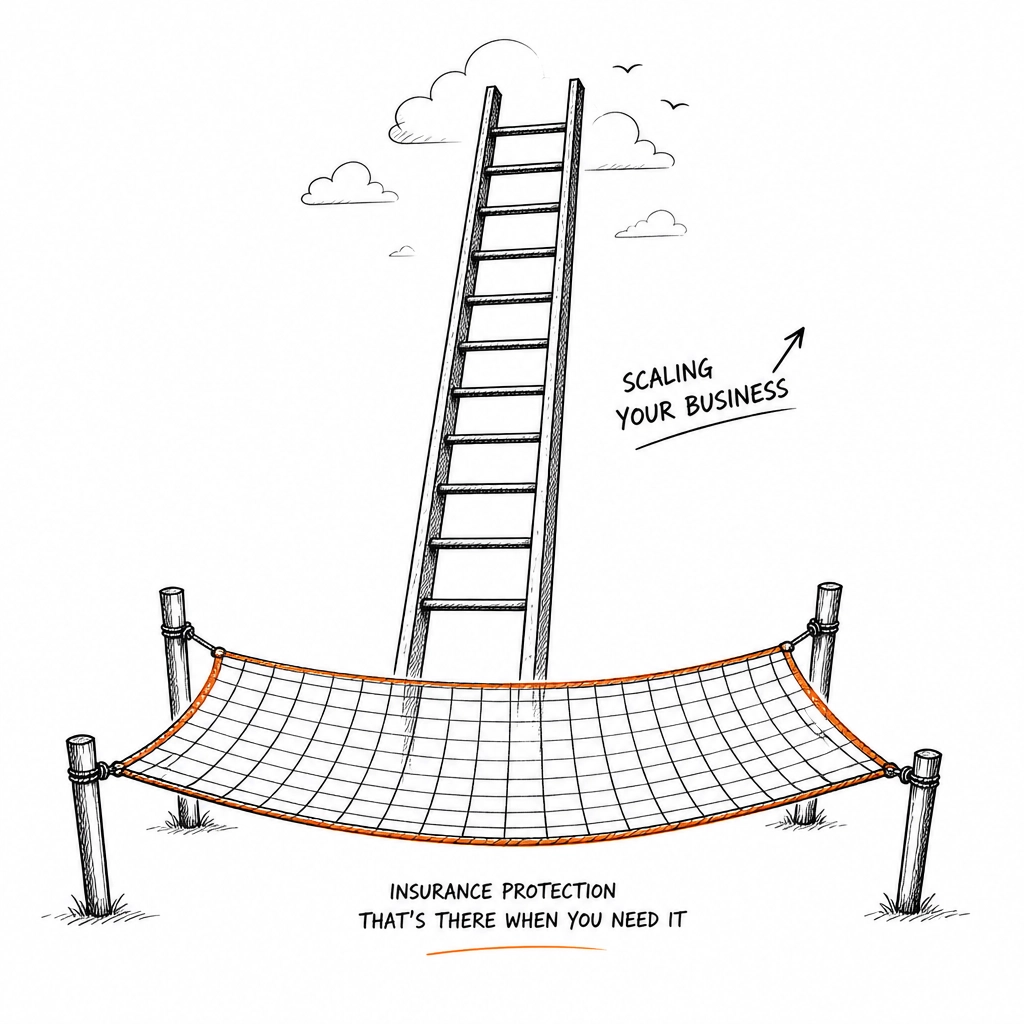
    A safety net under a ladder representing insurance protection

    Conclusion: Build on a Solid Foundation

    Scaling your business is a marathon, not a sprint. Just as you wouldn’t build a house on a weak foundation, you shouldn’t build a growing company on inadequate insurance.

    The pitfalls are many: from the “Condition of Average” in underinsurance to the complexities of non-negligent liability: but they are all avoidable with the right advice. If you’re a contractor in Essex, Kent, or London looking to move to the next level, don’t leave your protection to a generic online form.

    At Moyak Insurance Services, we specialise in helping growing businesses secure their investments and their future. Let us take the “insurance headache” off your plate so you can focus on what you do best: building the future of Essex.

    Are you ready to review your cover? Contact us today for a personalized consultation and see how our individual approach can save you a fortune while providing better protection.


    Â