📞 01375 392 087  ·  ✉ info@moyakinsurance.co.uk

Mon–Fri: 9:30am – 5:30pm

Author: digitalads8

  • The ‘Average Clause’ Trap: Why Your Business Insurance in Essex Might Not Pay Out in Full

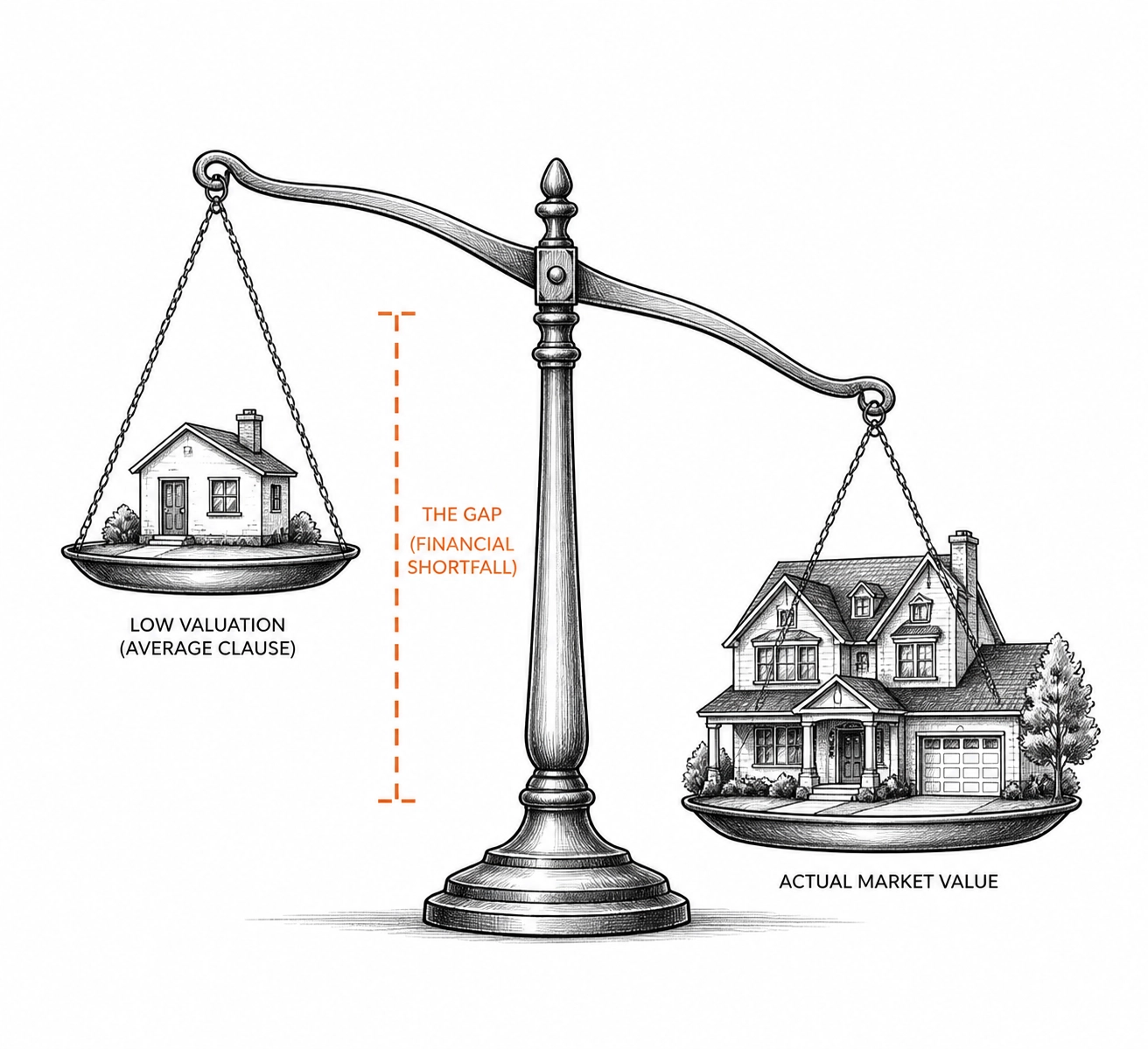
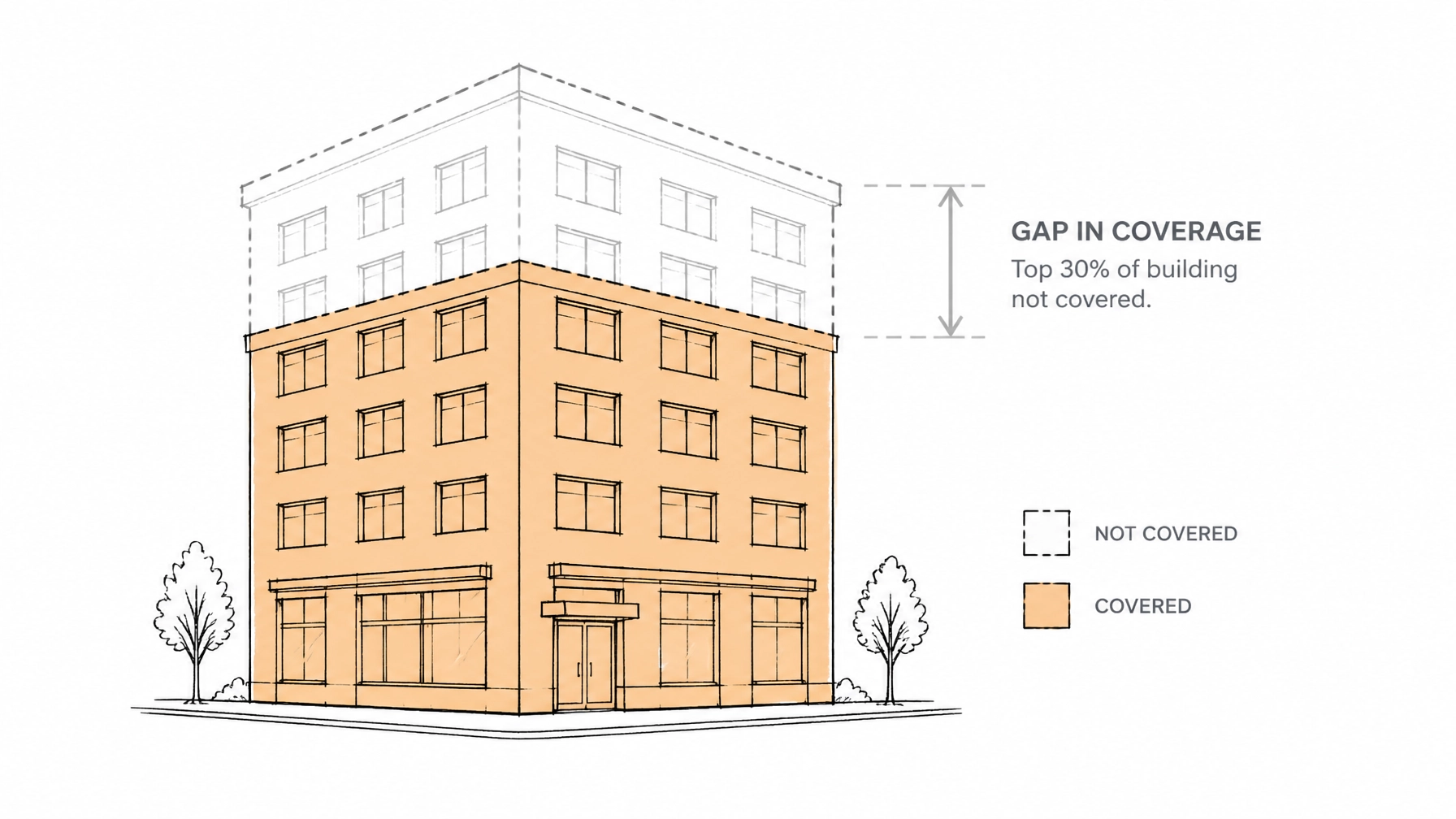
    A minimalist sketch of a commercial building with a gap in coverage, representing underinsurance.

    I’ve spent a lot of time talking to business owners across Essex and London lately, and if there is one thing I’ve noticed, it is a sense of quiet confidence. Most people feel that because they have a policy in place, they are protected. They pay their premiums, they have their documents in a folder (or a digital cloud), and they assume that if a fire or a flood happens, the insurer will simply write the check.

    But there is a technicality buried in the fine print of almost every commercial property policy that is catching people out more than ever in 2026. It is called the ‘Average Clause.’

    I think of it as a silent threat because you don’t even know it’s there until you try to make a claim. At that point, it’s often too late. I’ve seen cases where a business owner thought they were covered for £1 million, only to find out their insurer is only willing to pay £700,000. And the reason isn’t because the claim was fraudulent, it’s because the business was ‘underinsured’ without even realising it.


    What Exactly is the ‘Average Clause’?

    In the insurance world, we use the term ‘Average’ in a way that’s a bit different from everyday speech. It doesn’t mean ‘ordinary’ or ‘medium.’ Instead, it refers to a rule that allows an insurer to reduce your payout in direct proportion to how much you’ve underinsured your assets.
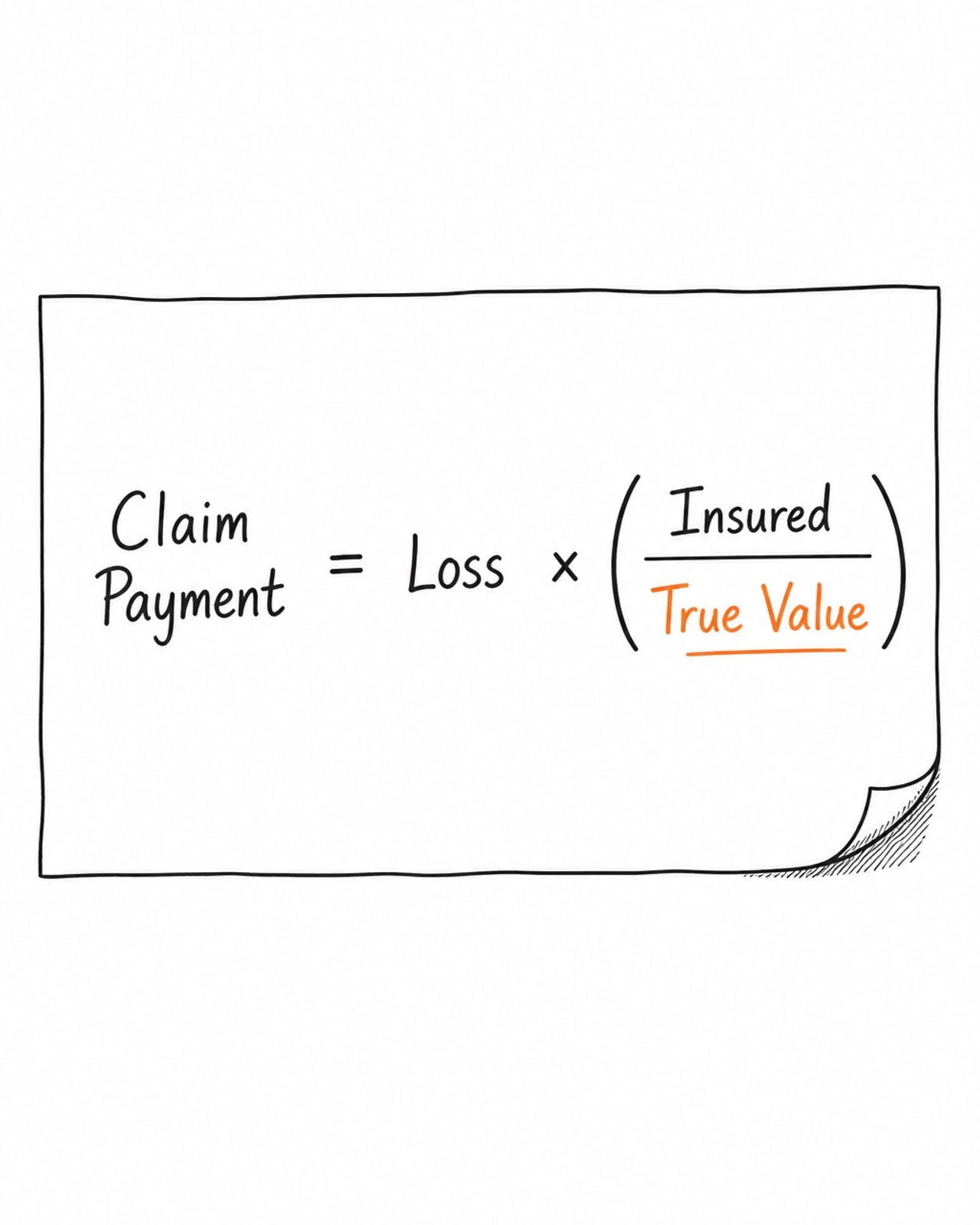
    A sketch showing the mathematical formula used for the Average Clause payout.

    Let’s look at the math, because this is where the trap really bites. If you have a building in Essex that would actually cost £1,000,000 to rebuild from scratch today, but you have it insured for only £700,000, you are only 70% insured.

    Most people think, “Well, as long as the damage is less than £700,000, I’m fine.”

    That is a dangerous misunderstanding. Under the Average Clause, if you have a fire that causes £100,000 worth of damage, the insurer won’t just pay the £100,000. They will look at the fact that you only insured 70% of the building’s true value and apply that same percentage to your claim. They will pay you £70,000, leaving you to find the other £30,000 out of your own pocket.

    I’ve seen this happen even with small business insurance quotes that seemed like a bargain at the time. The ‘saving’ you made on the premium is quickly wiped out by a shortfall in a claim settlement.

    The 2026 Reality: Why 2024 Prices No Longer Apply

    The reason underinsurance is reaching crisis levels right now is largely down to the sheer speed of inflation in the construction industry over the last few years. I can see why it happens; life moves fast, and reviewing insurance isn’t always at the top of a busy director’s to-do list.
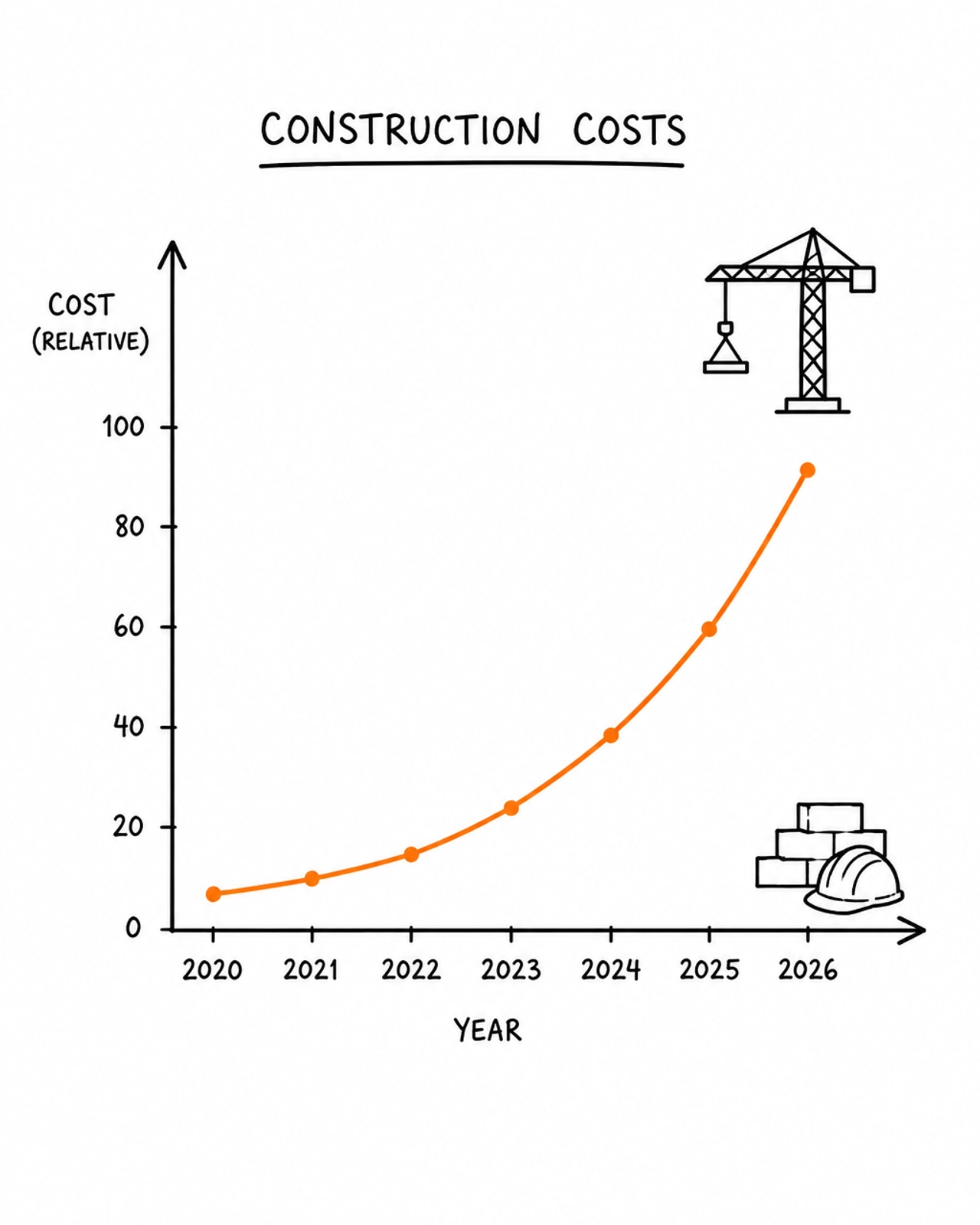
    A graph showing the sharp rise in construction costs from 2020 to 2026.

    If you last had your property valued in 2023 or 2024, your ‘sum insured’ is almost certainly wrong today. Between 2020 and 2025, rebuild costs in the UK shot up by roughly 30–35%. Even as we’ve moved into 2026, costs have continued to climb, albeit at a slightly slower pace.

    Materials like steel, timber, and specialized insulation have seen massive price swings. More importantly, the cost of skilled labour in the Essex and London areas has remained incredibly high. If your warehouse or office burns down tomorrow, you aren’t paying 2024 prices to fix it; you’re paying 2026 prices for labor, debris removal, and modern building regulations compliance.

    I even spoke to a client recently who was shocked to find that the cost of professional fees: architects, surveyors, and planning permissions: had nearly doubled in their specific sector. These are all things that must be included in your ‘sum insured.’ If they aren’t, the Average Clause will be triggered.

    The Specific Risk for Contractors in Essex

    If you are a contractor, the stakes are even higher. I often talk to people about general contractor liability insurance and construction contractor insurance, and the focus is usually on the liability side: what happens if someone gets hurt on site?

    But what about the ‘Contract Works’ part of your policy? If you are mid-way through a build and the site is damaged, the cost to restart or repair that work is subject to the same Average Clause. If your project value has increased because of rising material costs, but you haven’t updated your policy limits, you are essentially gambling with your firm’s solvency.

    I’ve seen many businesses in the trade think they are covered because they have general tradesmen liability insurance, but they forget to account for the actual value of the materials and plant they have on-site at any given time. In 2026, a site full of materials is worth a lot more than it was two years ago.

    Why ‘Index-Linking’ Isn’t a Magic Wand

    Many insurers offer ‘index-linking,’ which automatically increases your cover in line with general inflation. This sounds like a great solution, but I think it creates a false sense of security.
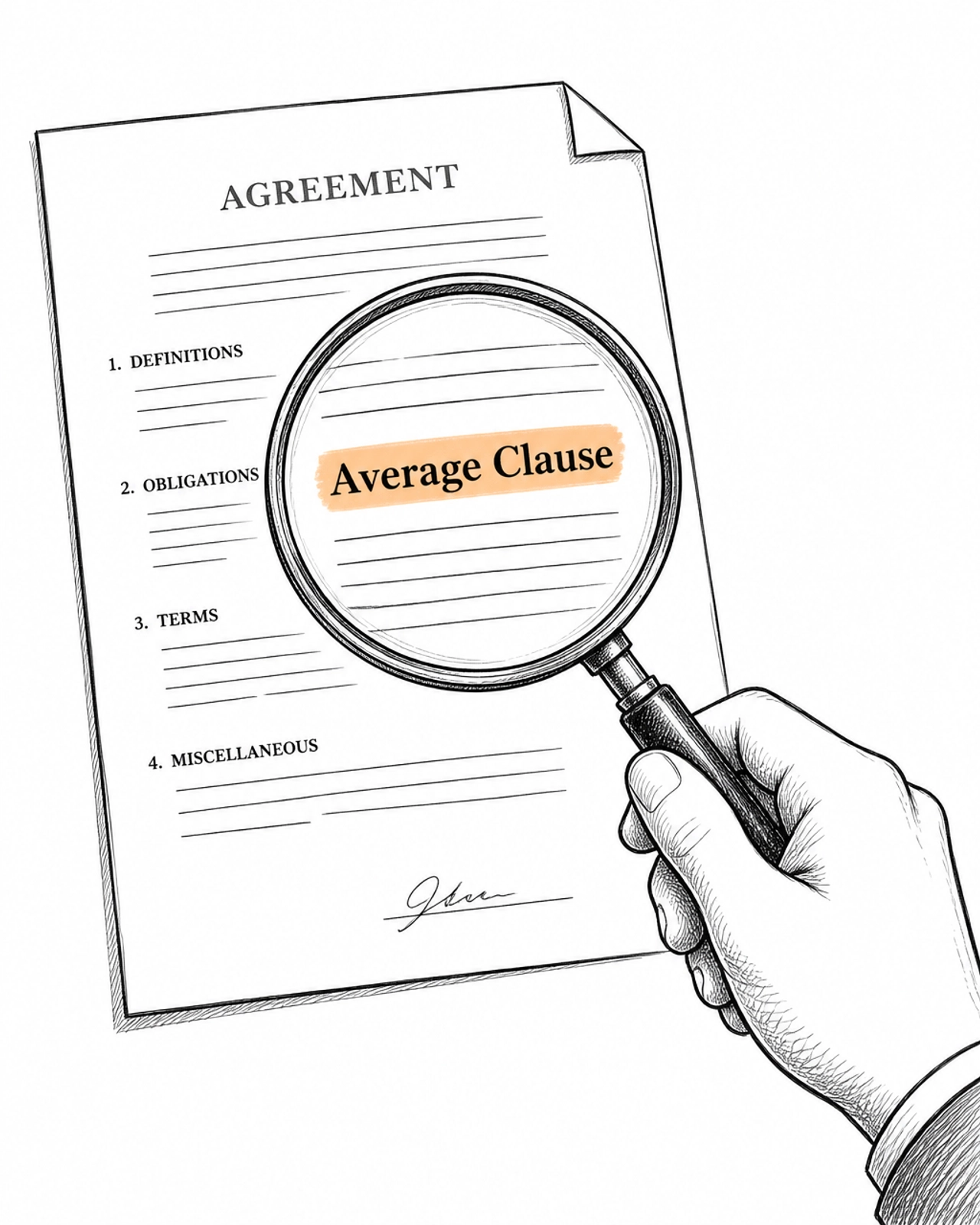
    A magnifying glass focusing on the words Average Clause in a policy document.

    Index-linking only works if your starting point was correct. If your initial valuation was 20% too low back in 2024, index-linking will just keep you 20% too low as the years go by. It compounds the error. Furthermore, general inflation indices don’t always reflect the specific costs of a specialized commercial building in the heart of Essex or a high-rise project in London.

    Going forward, I believe the only way to be truly safe is to move away from guesswork. You need a Reinstatement Cost Assessment (RCA) from a professional. It might feel like an extra expense, but compared to the hundreds of thousands of pounds you could lose in a claim, it is a very small price to pay.

    The Moyak Approach: We Care About Every Client

    At Moyak Insurance Services, we don’t just act as a middleman who passes you a quote. We take an individual approach because we know that every business in Essex has different risks. When we talk to a new client about business insurance in Essex, the first thing we look at isn’t the price: it’s the adequacy of the cover.

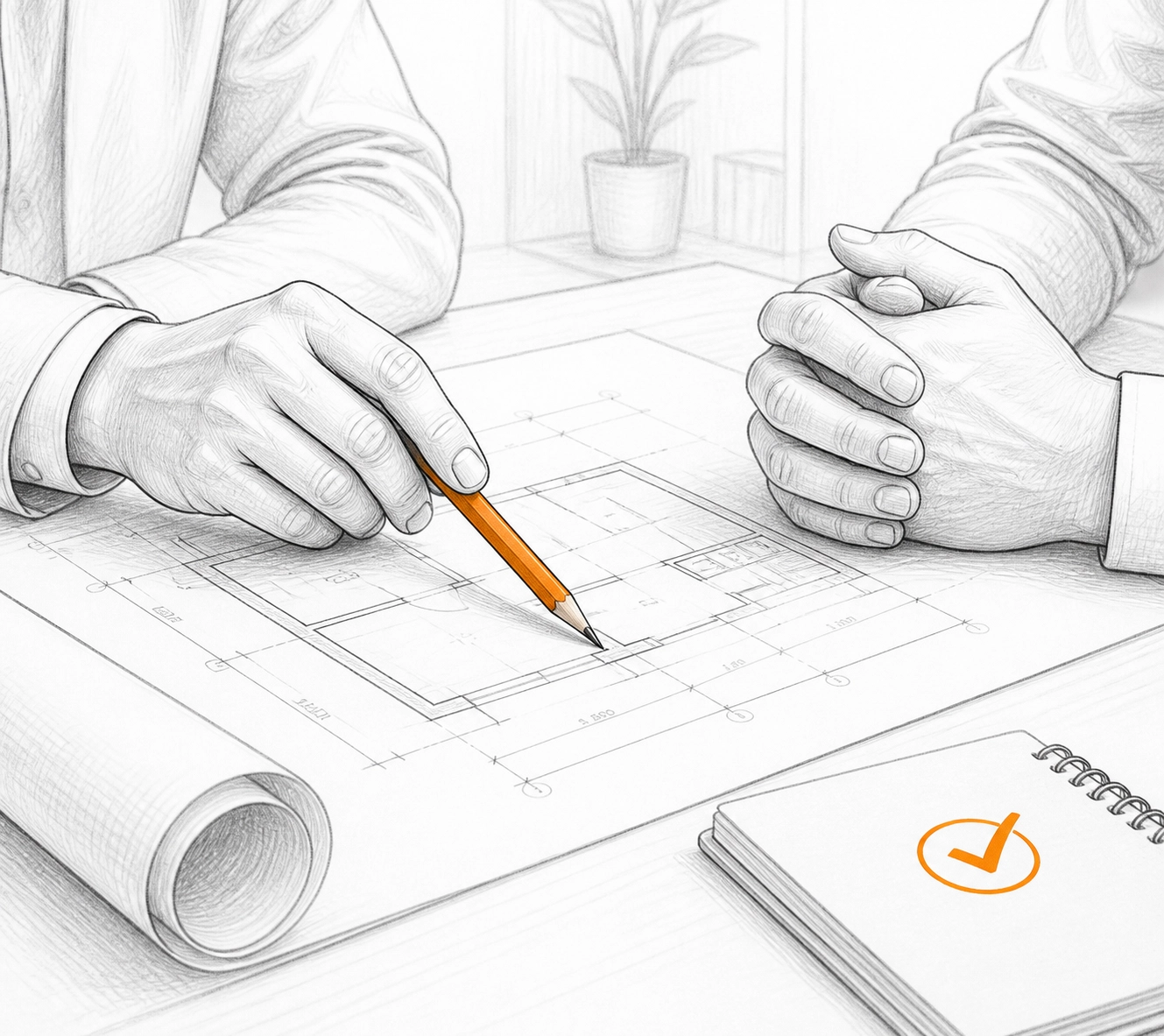
    A sketch of a friendly meeting between a broker and a client, representing Moyak's personal approach.

    I’ve seen how devastating it is when a business owner realizes they are their own ‘insurer’ for a massive chunk of a claim. It can be the difference between a business bouncing back or going under. That is why we work with the UK’s leading master insurance brokers to ensure your budget is used effectively. We would much rather you pay a slightly higher premium for a policy that actually pays out, than a cheap premium for a policy that leaves you stranded.

    Practical Next Steps for Your Business

    I don’t say all this to cause alarm, but to encourage pragmatic realism. The world has changed since 2024, and your insurance needs to catch up.

    If you haven’t reviewed your building or stock valuations in the last 12 months, you are likely at risk. Here is what I recommend you do:

    1. Check your policy schedule: Look for the term ‘Average’ or ‘Underinsurance.’
    2. Review your sums insured: Don’t just look at the premium. Look at the total amount the insurer thinks it would cost to rebuild your premises. Does that number feel realistic for 2026 labor and material costs?
    3. Don’t forget the extras: Ensure your valuation includes site clearance, professional fees, and any VAT that might be irrecoverable.
    4. Speak to an expert: Don’t rely on an online calculator that doesn’t understand the local Essex market.

    At Moyak Insurance Services, we offer a free valuation review for businesses in Essex, Kent, and London. We can help you look at your current cover and determine if you’ve fallen into the ‘Average Clause’ trap.

    Don’t wait for a claim to find out you’re underinsured. Let’s make sure your business is actually protected, not just ‘insured’ on paper.

    Contact Moyak Insurance Services today for a free review of your commercial property valuations.
  • The Construction Contractor Insurance Guide: How to Avoid Costly Pitfalls in 2026

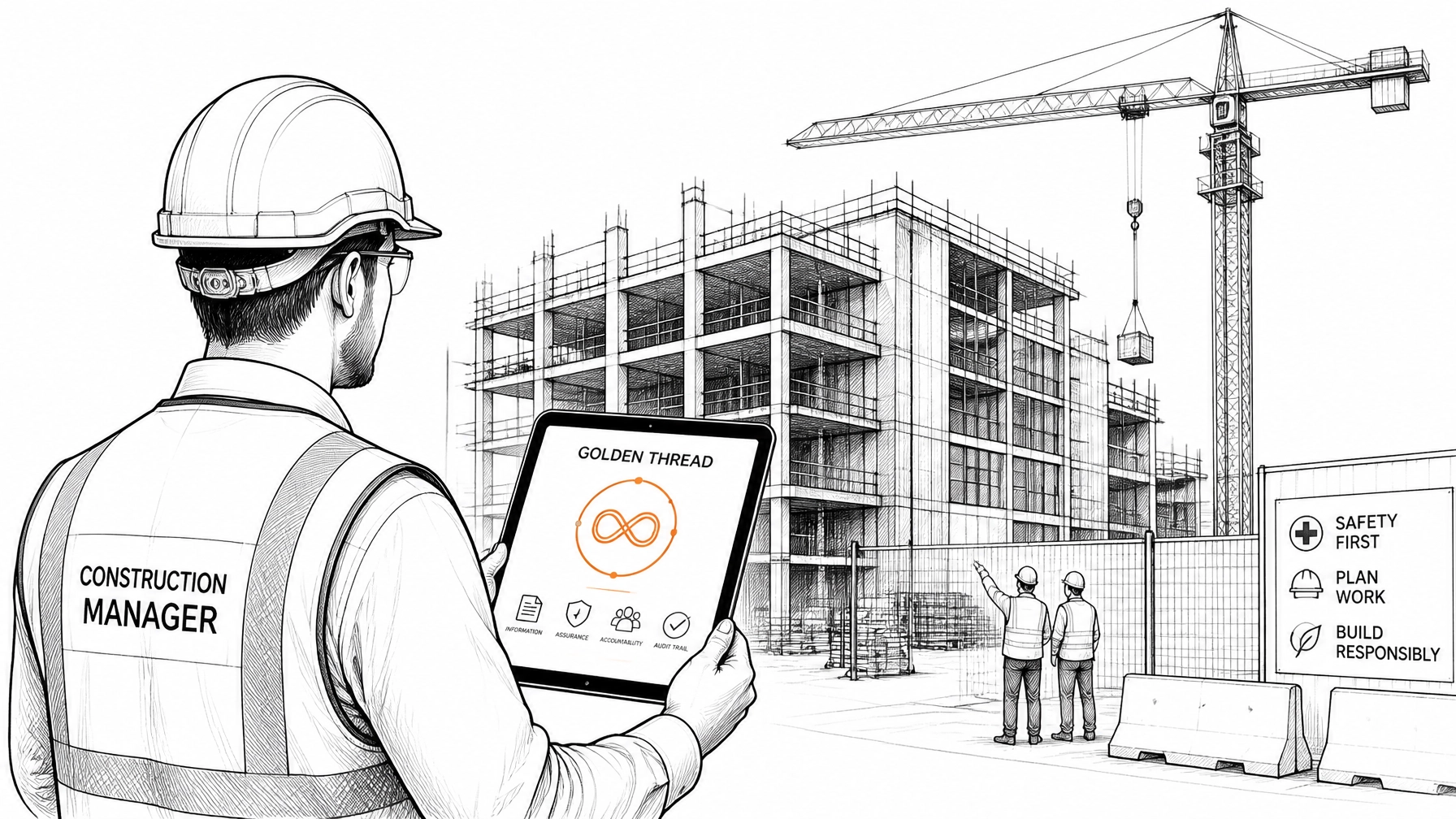
    A professional black-and-white sketch of a construction site with a manager holding a digital tablet.

    If you’ve been in the construction game for any length of time, you already know that the ground beneath our feet is always shifting, and I’m not just talking about the site prep. In 2026, the insurance landscape for contractors has become more technical and, frankly, more demanding than we’ve ever seen. Between the tightening grip of the Building Safety Act and the rising costs of materials, simply having “cover” isn’t enough anymore. You need the right cover, or you risk leaving your business wide open to some very expensive surprises.

    I’ve spent a lot of time recently talking to site managers and business owners across Essex and London. The common theme? People are tired of the paperwork, but they’re even more terrified of a claim being rejected because they missed a new regulation or underestimated their rebuild costs. It’s a tough spot to be in.

    Going forward, navigating general contractor liability insurance requires a bit more than a “tick-box” approach. In this guide, I want to share what I’m seeing from the inside, the pitfalls that are catching people out this year and how you can stay ahead of them.

    The Gateway Regime: Compliance is the New Currency

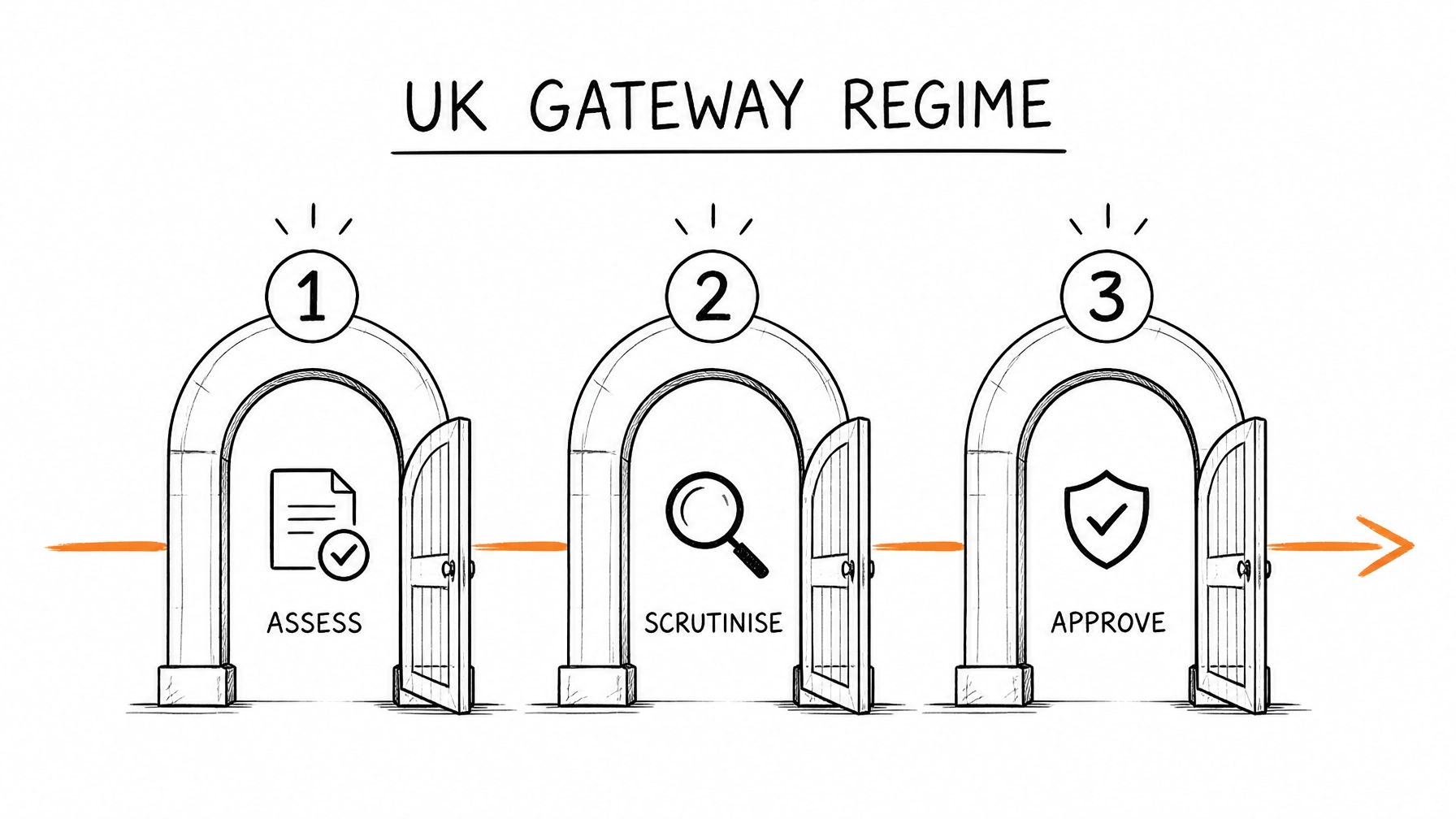
    The Building Safety Act isn’t a new topic, but in 2026, we are seeing it truly “bed in.” Specifically, the Gateway Regime, those mandatory checkpoints at the design, construction, and completion stages, has changed how insurers look at you.


    A sketch of three gateways representing the UK Building Safety Act compliance stages.

    In the past, an underwriter might have been satisfied with a broad overview of your project. Today, they want to see the “Golden Thread.” I can see why it’s frustrating; the amount of documentation required for Gateways 2 and 3 is significant. But from an insurance perspective, that data is your best friend.

    Insurers are now using your digital records, your BIM models and change control logs, as evidence of your risk quality. If you can’t prove you’ve met the Gateway requirements, you might find your Professional Indemnity (PI) premiums skyrocketing, or worse, find it impossible to secure commercial combined business insurance for higher-risk buildings.

    I think the mistake many contractors make is treating this as a purely regulatory hurdle. In fact, it’s a financial one. The more transparent your documentation is, the more “insurable” you are. If you’re skipping the details on design freezes or late-stage changes, you’re basically waving a red flag at your broker.

    The “Sums Insured” Trap: Close Enough is No Longer Good Enough

    One of the most common pitfalls I see, and it breaks my heart every time it leads to a reduced claim payout, is the issue of inaccurate sums insured.

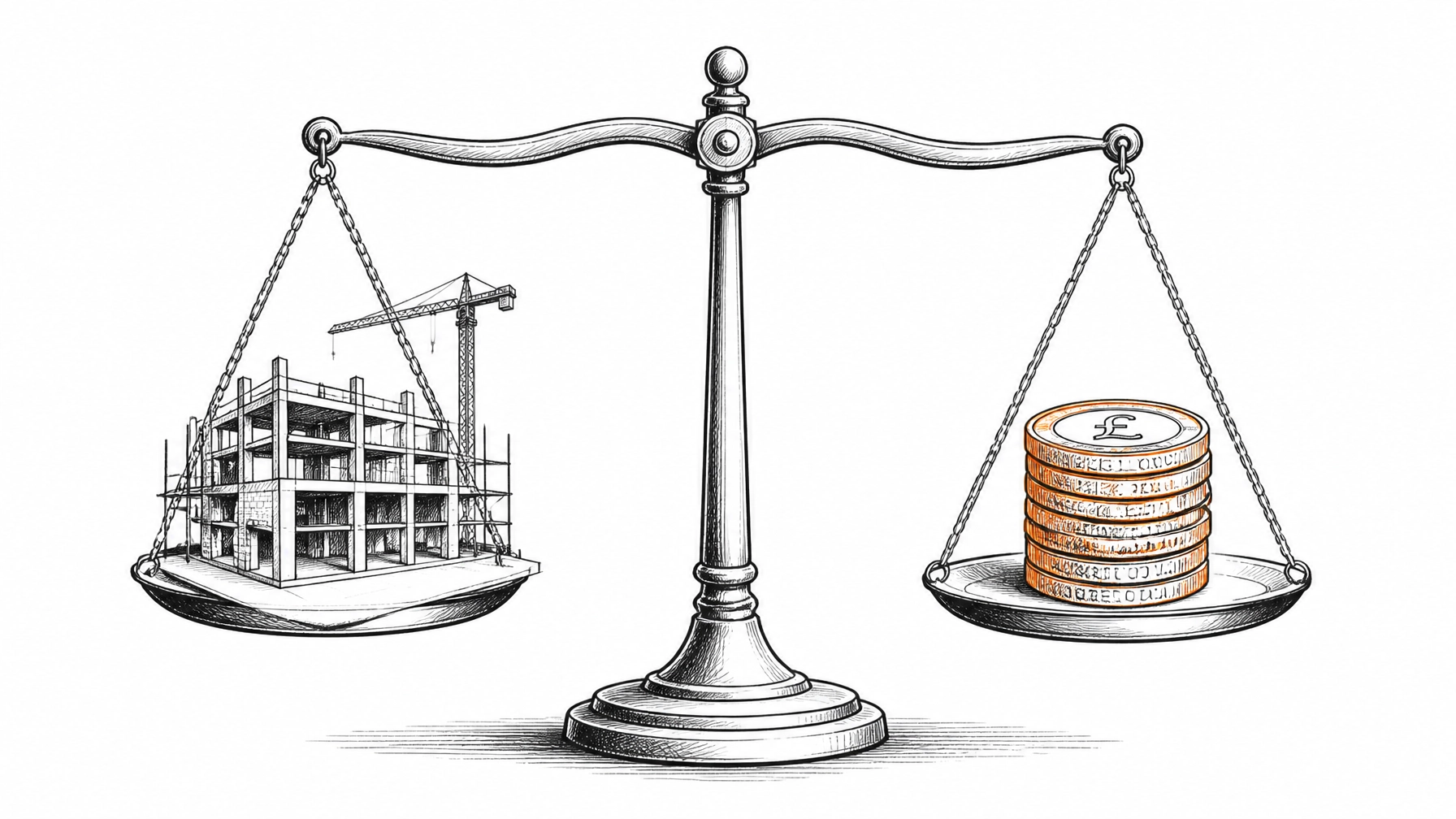
    A minimalist sketch of a scale balancing a building with stacks of coins.

    We’ve all seen the volatility in material prices and labour costs over the last few years. If you’re still using 2023 or 2024 figures for your “Contract Works” value, you are almost certainly under-insured. If a fire or a major structural failure happens today, the cost to rebuild or repair will be significantly higher than it was even eighteen months ago.

    The “Average Clause” is a term I hate having to explain after a loss. Basically, if you insure a project for £1 million but the actual value is £1.5 million, the insurer can reduce your claim payout by the same percentage you were under-insured. So, even a small claim could be cut by a third.

    I even spoke to a client recently who thought their policy would just “adjust” automatically. It doesn’t work like that. You have to be proactive. Whether you are looking for general tradesmen liability insurance or large-scale project cover, reviewing your sums insured every six months is the only way to protect your margins.

    Water Damage: The Silent Profit Killer on Site

    While everyone is (rightly) focused on fire safety and structural integrity due to the new laws, there is a much more frequent visitor that’s causing chaos in 2026: Escape of Water.

    A sketch of a water droplet inside a warning triangle, highlighting site risks.

    Water damage claims have become a massive headache for the industry. On high-rise residential projects or complex retrofits, a single burst pipe or an unmonitored riser can cause millions in damage within hours. I’ve seen projects delayed by months because of water saturating fire-stopping materials that then had to be completely replaced to meet Gateway 3 standards.

    In response, insurers have started tightening the screws. We’re seeing higher deductibles specifically for water damage and, in some cases, strict “warranties” in the policy wording. For example, your policy might require you to have automatic shut-off valves or to isolate the water supply every single evening.

    If you don’t follow these to the letter, your claim could be denied entirely. It’s not enough to just have the equipment on site; you have to prove you’re using it. I’d recommend making water management a standing item on your site safety briefings. It’s a small change that could save your business a fortune.

    The Importance of an Individual Approach

    In a market that feels increasingly “computer says no,” I’m a big believer that the relationship you have with your broker is your secret weapon. At Moyak Insurance Services, we’ve always focused on that individual approach because every contractor faces a different set of risks.

    A sketch of two professionals shaking hands over a construction blueprint.

    For a growing business in Essex or a established firm in London, the “standard” policy rarely covers the nuances of what you actually do. Maybe you’re doing more retrofit work this year, which brings its own set of legacy pipework and structural risks. Or maybe you’re taking on more design responsibility than before.

    A good broker won’t just find you a price; they’ll challenge your assumptions. They’ll ask about your water management plan and your “Golden Thread” process because they know that’s what will get the underwriters to say “yes” at a reasonable rate.

    Practical Steps for Your Next Project

    To wrap this up, I want to leave you with a few practical steps you can take today to avoid these pitfalls:

    1. Front-load your design: Don’t wait until you’re on-site to resolve design interfaces. Get it frozen early to satisfy both the Gateway Regime and your PI insurer.
    2. Audit your values: Before starting a new project, double-check your material and labour estimates. If they feel a bit “2024,” they probably are.
    3. Appoint a “Water Warden”: Give someone the specific responsibility of checking valves and isolation points at the end of every shift.
    4. Digitise everything: If it isn’t in the digital “Golden Thread,” it basically didn’t happen in the eyes of the law (and your insurer).

    The construction industry in 2026 is rewarding those who are disciplined and data-driven. It’s a more professional environment, and while the hurdles are higher, the companies that clear them are the ones that will thrive.

    If you’re feeling a bit overwhelmed by the new requirements or you’re worried that your current policy has gaps, let’s have a chat. We help businesses across Essex, Kent, and London secure their investments with an approach that’s as individual as the projects you build.

    Staying protected isn’t just about paying a premium; it’s about being prepared for what’s coming next.

  • Tradesman Insurance UK: Protecting Your Reputation and Your Tools

    [HERO] Tradesman Insurance UK: Protecting Your Reputation and Your Tools

    If you are a tradesman in the UK, your business isn’t just about the work you do; it is built on the weight of your word and the quality of your finish. Whether you are an electrician in Essex, a plumber in London, or a carpenter in the Midlands, your reputation is your most valuable asset. But right behind that reputation, literally and figuratively: are your tools. Without them, you aren’t just out of work for the day; you are potentially out of business.

    In my time working within the insurance brokerage space, I’ve seen many tradespeople view insurance as a “tick-box” exercise: something they need to show a main contractor or a local council to get onto a site. But when you look at the reality of the industry today, Tradesman Insurance UK is far more than a certificate. It is the safety net that catches you when a tool kit worth £5,000 vanishes from your van overnight, or when a simple mistake leads to a property damage claim that could wipe out your savings.


    Why Reputation is the Heart of Your Business

    In the trades, word of mouth is everything. You spend years building a name for yourself. You show up on time, you do a clean job, and you charge fairly. However, accidents happen. You might be installing a new heating system and a joint leaks, causing thousands of pounds of water damage to a client’s bespoke flooring. Or perhaps a passerby trips over your ladder while you’re working on a shopfront.

    This is where Public Liability Insurance comes in. It isn’t just about paying for the damage; it’s about how that situation is handled. When you have a solid policy, the claim is managed professionally, the client is compensated, and your reputation as a professional remains intact. Without it, you are left to settle disputes out of pocket, which often leads to strained relationships and negative reviews that can haunt your business for years.

    For those who provide advice or designs: like a specialized electrician or a heating engineer: you might also need to consider Professional Indemnity. I often tell my clients that if you’re telling someone how something should be built, not just building it, you need that extra layer of protection.

    Tradesperson shaking hands with a client representing trust and professional reputation in UK trades.

    The Tool Theft Epidemic: A Practitioner’s Perspective

    I speak to tradesmen every week, and the stories regarding tool theft are becoming increasingly common and, frankly, frustrating. We’ve seen a massive rise in “peel and steal” thefts from vans across the UK. For a tradesman, a van is more than a vehicle; it’s a mobile workshop.

    When your tools are stolen, the cost isn’t just the replacement value of the drills, saws, and levels. It’s the lost earnings for the days (or weeks) you can’t work. It’s the cost of repairing the damage to the van itself.

    A comprehensive Tradesman Insurance UK policy from a broker who understands the landscape: like us here at Moyak: can include specific tools cover. This protects your gear against theft, loss, and accidental damage. But I always remind my clients to check the “overnight” clauses. Many standard policies won’t cover tools left in a van overnight unless specific security measures are met. This is where a personalized approach makes the difference; we help you understand the fine print so you aren’t left stranded when you try to make a claim.

    If you want to avoid common pitfalls in choosing coverage, you might find our guide on 7 mistakes business insurance London and how to fix them particularly useful, as many of these principles apply nationwide.

    Breaking Down the Essential Covers

    When we talk about “Tradesman Insurance UK,” we are actually talking about a package of different covers tailored to your specific trade. No two businesses are exactly the same, which is why “one-size-fits-all” online calculators often leave gaps in your protection.

    1. Public Liability Insurance

    As mentioned, this is the cornerstone. In the UK, most trade associations and site managers require a minimum of £1 million in cover, though £2 million or £5 million is becoming the standard for larger contracts. It covers legal fees and compensation if a third party is injured or their property is damaged. You can explore more about our specific general tradesmen liability insurance options to see how we structure these policies.

    2. Employers’ Liability Insurance

    I can’t stress this enough: if you have anyone working for you: even a temporary laborer, an apprentice, or a family member: this is a legal requirement in the UK under the Employers’ Liability Act 1969. The fine for not having this can be as high as £2,500 per day. It’s designed to protect you if an employee is injured or falls ill as a result of their work for you.

    3. Hired-in Plant and Own Plant

    If you’re a builder or a landscaper, you might be hiring diggers, dumpers, or scaffolding. If that equipment is damaged or stolen while on your site, you are responsible for the replacement cost and the continued hire charges. Adding this to your policy is often much cheaper than the “damage waivers” offered by hire companies.

    Sketch of professional hand tools illustrating tradesman tool insurance and equipment protection UK.

    The Real Risks on a UK Job Site

    Working in the UK presents unique challenges. We have aging property stock, unpredictable weather, and often cramped working conditions in urban areas.

    • Accidental Damage: A spark from a grinder or a spilled bucket of paint can cause immediate, expensive damage.
    • Theft from Vans: This is the most frequent claim we see. Secure storage and “tools removed overnight” signs are great, but insurance is the only true financial recovery path.
    • Contractors’ All Risks: This is vital for larger projects. It covers the work in progress: for example, if a house extension you are halfway through building is destroyed by fire or a storm.

    I think many tradespeople underestimate the complexity of these risks until something goes wrong. In fact, I’ve seen businesses fold because they didn’t have the right “All Risks” cover during a major project. For those managing larger-scale operations, a commercial combined business insurance policy might be a more robust alternative.

    The Moyak Insurance Services Approach

    At Moyak Insurance Services, we don’t believe in just selling you a policy and disappearing. Michael Kayode and the rest of our team take a practitioner’s view of insurance. We know that as a tradesman, your time is money. You don’t want to spend hours on the phone explaining what a “chase” is or why you need specific cover for “hot work” (work involving blowlamps, welding, etc.).

    We take a personalized approach. We sit down (or hop on a call) and look at exactly what you do. Do you work at height? Do you use heat? Do you have employees? By understanding the nuances of your daily grind, we can secure better terms and save you money in the long run.

    Insurance broker discussing business risk and tailored tradesman insurance coverage with a professional.

    Practical Steps to Protect Your Business Today

    Going forward, I recommend every tradesman performs a “risk audit” of their own business once a year. It doesn’t have to be complicated. Just ask yourself:

    1. What is the total value of the tools in my van right now? (Most people underestimate this by at least 30%).
    2. What’s the highest-value property I’m working in? (If you’re in a £2m home with a £1m liability policy, you’re underinsured).
    3. Who is actually working for me? (Ensure every sub-contractor has their own insurance or is covered by yours).

    If you are unsure about any of these, it’s worth speaking to a professional broker. We can help you navigate the jargon and ensure that when you head out to site on Monday morning, you are doing so with the confidence that your reputation and your livelihood are secure.

    Insurance shouldn’t be a burden; it should be the foundation that allows you to take on bigger jobs, hire more staff, and grow your business without the constant “what if” looming over your shoulder.

    For more information on how we can help you specifically, feel free to visit our homepage or contact us directly to discuss your needs. Whether you’re a cleaner, a builder, or a specialist contractor, we’ve got the expertise to keep you covered.

  • Are You Making These Common Underinsurance Mistakes? Why Accuracy Matters for General Contractor Liability Insurance

    [HERO] Are You Making These Common Underinsurance Mistakes? Why Accuracy Matters for General Contractor Liability Insurance

    In the world of construction, precision is everything. You wouldn’t dream of guestimating the load-bearing capacity of a steel beam or “eye-balling” the depth of a foundation. So, why is it that when it comes to General Contractor Liability Insurance, so many businesses are operating on guesswork?

    I’ve spent years working within the insurance brokerage space, and I can tell you that one of the most persistent and dangerous trends we see is underinsurance. It’s an easy trap to fall into. You’re looking at your overheads, trying to keep your bids competitive, and you think, “I’ll just stick with the same coverage limits I had last year.” Or perhaps you figure that because you’ve never had a major claim, the minimum legal requirement is enough.

    But here is the reality: the gap between what you think you are covered for and what you actually need is growing wider every day. Whether it’s the hidden sting of the ‘average clause’ or the relentless march of inflation affecting material costs, being underinsured is a gamble where the house usually wins.

    The Invisible Trap: Understanding the ‘Average Clause’


    One of the most misunderstood aspects of any commercial policy: and specifically General Contractor Liability Insurance: is the ‘Average Clause’. I often talk to contractors who believe that if they have a £500,000 policy and suffer a £100,000 loss, they are fully covered. Unfortunately, that isn’t always how the math works in the eyes of an insurer.

    The Average Clause states that if you have underinsured your assets or your liability exposure, the insurer can reduce your payout by the same percentage that you are underinsured.

    Let’s look at a practical example. Imagine you have equipment and plant valued at £200,000, but you only insured it for £100,000 to save on premiums. If you suffer a partial loss: say, a fire in a storage unit that causes £50,000 worth of damage: the insurer will point out that you are only 50% insured. Consequently, they may only pay out 50% of your claim. You expected £50,000; you receive £25,000.

    For a general contractor, this can be catastrophic. It turns a manageable setback into a financial crisis, all because the valuation at the start of the policy was inaccurate.

    Scale showing the valuation gap in general contractor liability insurance due to the average clause.

    The Inflation Factor: Why 2024 Valuations Don’t Work in 2026

    If you haven’t updated your valuations in the last eighteen to twenty-four months, I can almost guarantee you are underinsured. As we sit here in May 2026, we are looking back at several years of unprecedented volatility in the supply chain.

    When we talk about General Contractor Liability Insurance, we aren’t just talking about the “slip and trip” on a job site. We are talking about the cost of making things right when something goes wrong.

    • Rebuild Costs: The cost of timber, steel, and concrete has fluctuated wildly. If a project you are responsible for is damaged, the cost to rebuild it today is significantly higher than it was when the project was first quoted.
    • Specialist Labour: It’s not just materials. The cost of skilled trades has risen. If you need to bring in emergency contractors to fix a structural error, those day rates will eat through a low-limit policy faster than you might think.
    • Equipment Replacement: High-end machinery and specialized tools are more expensive to replace and harder to source.

    I think many contractors treat insurance as a “set and forget” task. But a valuation from two years ago is effectively a relic. To remain protected, your policy must reflect the current market reality, not the market of the past.

    Common Underinsurance Mistakes Contractors Make

    In my experience at Moyak Insurance Services, I see the same patterns emerging when contractors review their coverage. Here are the most common pitfalls that lead to a dangerous state of underinsurance:

    1. Choosing Minimum Limits to Save on Premiums

    It is tempting to opt for the lowest possible limit to keep your monthly outgoings down. You might save £300 a year by taking a lower limit, but you could be losing out on millions in potential contracts. Most major commercial developers or local authorities now require a minimum of £5 million or even £10 million in Public Liability. If your policy is stuck at £1 million, you are essentially locked out of the most profitable work in the industry. We’ve actually written about common mistakes in business insurance before, and this is always near the top of the list.

    2. Ignoring “Inland Marine” and Equipment Gaps

    General Liability is the foundation, but it doesn’t cover everything. Many contractors forget to accurately value their tools and equipment that move from site to site. If your excavator is stolen or your specialized diagnostic gear is crushed, a standard liability policy won’t help you replace it. You need specific coverage based on the replacement value, not the purchase price.

    3. Misclassifying Subcontractors

    This is a big one. I see many general contractors who assume their policy automatically covers every subcontractor on site. If your subcontractors don’t have their own adequate insurance, or if you haven’t notified your broker that you are using bona-fide subs versus labour-only subs, you might find a massive hole in your coverage when a claim arises.

    Construction gear sketch illustrating the importance of accurate equipment valuation for contractors.

    Why Accuracy Matters for Your Reputation and Growth

    Underinsurance isn’t just a financial risk; it’s a reputational one. In the construction industry, your ability to finish a job and stand behind your work is your calling card.

    Imagine a scenario where a significant error occurs, and your insurance payout is slashed because of the Average Clause. You can’t afford to fix the mistake, the project stalls, and the client sues. Your business is not just facing a bill; it’s facing a total loss of trust in the market.

    Conversely, having accurate, robust General Contractor Liability Insurance is a selling point. It tells your clients that you are a professional who has accounted for every eventuality. It shows that you have the financial backing to see a project through, even when the unexpected happens. If you want to secure better terms and grow your business, accuracy is your best friend.

    The Moyak Approach: Getting the Valuation Right

    At Moyak Insurance Services, we don’t believe in “cookie-cutter” insurance. We know that every general contractor has a different fleet of equipment, a different ratio of subcontractors, and different project specializations.

    I can see how overwhelming it is to try and calculate rebuild costs or equipment depreciation while also trying to manage a live site. That is where our personalized approach comes in. We don’t just send you a renewal notice; we sit down with you to look at the actual numbers.

    We ask the right questions:

    • Have you bought new plant machinery this year?
    • Are you taking on larger-scale projects than you were twelve months ago?
    • What does your current contract with your main client require in terms of indemnity?

    Our goal is to ensure that if the worst happens, you aren’t left checking the fine print for why your claim wasn’t paid in full. We help you navigate the complexities of General Contractor Liability Insurance so you can focus on the build.

    Consultation for general contractor liability insurance to ensure accurate valuations and coverage.

    Conclusion: Take Action Before the Renewal Date

    Underinsurance is a silent threat because it doesn’t make a sound until you try to make a claim. By then, it’s too late to fix the valuation.

    I recommend that every contractor performs a “mid-term review” of their assets and project values. Don’t wait for the renewal notice to land on your desk. Look at your current projects, look at the replacement cost of your tools, and be honest about whether your current limits would actually protect you in 2026’s economy.

    If you’re unsure where to start or if you suspect your current policy might be falling short, let’s have a conversation. Accuracy in insurance isn’t just a box-ticking exercise: it’s the safety net that keeps your business standing.

    Whether you are a local builder or a large-scale general contractor, we are here to help you get the details right. Visit our General Contractor Liability Insurance page to learn more about how we can tailor a policy to your specific needs, or browse our other commercial combined options for a more comprehensive look at your business protection.

  • The Best Renewal Advice You’ll Ever Get for Construction Contractor Insurance in a Changing Market

    [HERO] The Best Renewal Advice You’ll Ever Get for Construction Contractor Insurance in a Changing Market

    If you’ve been in the construction industry for any length of time, you know that the insurance renewal process can often feel like a box-ticking exercise that you squeeze in between site visits and client meetings. But as we move through 2026, the landscape for Construction Contractor Insurance is shifting. We aren’t in a “crisis” market, but we are certainly in a “precision” market.

    I’ve spent a lot of time recently talking to underwriters and looking at the data for the coming year. The reality is that well-run construction businesses should expect relatively stable renewals: maybe single-digit increases or even flat rates. However, if your risk profile looks “blurry” to an insurer, or if you’re operating in high-risk niches without a clear narrative, you’re going to see those premiums climb.

    The best advice I can give you for your next renewal isn’t just about finding the lowest number on a screen. It’s about how you present your business to the people holding the pen. Here is the practitioner’s guide to navigating your renewal in this changing market.


    Start the Clock: The 90-Day Rule

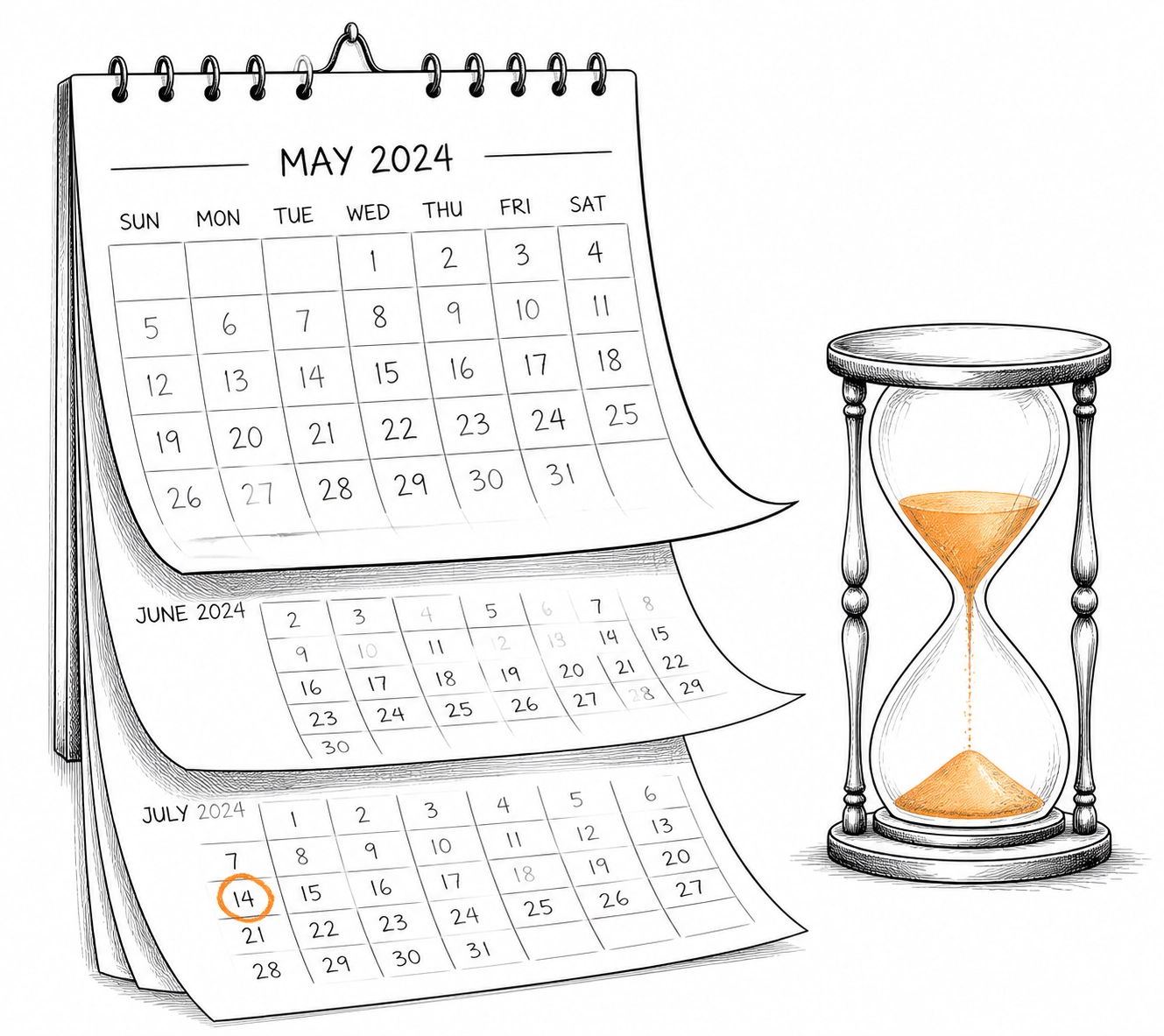
    I see it all the time: a contractor calls me two weeks before their policy expires, panicking because their current insurer has hiked the rate or, worse, declined to renew. By that point, your options are severely limited. In a changing market, timing is your biggest leverage.

    You should be starting your renewal process at least 90 days out. This isn’t just about giving your broker time to shop around; it’s about giving yourself time to fix things. If you discover that your claims history has a clerical error or that your projected turnover is wildly different from last year, you need a buffer to address it.

    Going forward, underwriters are looking for stability. When we approach them early, it signals that your business is organized and proactive. It gives us the “breathing room” to negotiate. If we’re rushing, the underwriter assumes you’re desperate, and that’s never a good position for a negotiation.

    A calendar and hourglass sketch highlighting the 90-day renewal period for construction contractor insurance.

    Telling Your Story (And Why It Matters)

    This is perhaps the most critical part of the process that many brokers miss. An underwriter is sitting at a desk looking at a spreadsheet. To them, you are a set of numbers and a category. If you’re a general contractor, they see a certain level of risk. If you’re doing high-end residential work in London, they see a different one.

    At Moyak Insurance Services, we believe our job is to “tell your story.” An underwriter needs to know why you are a better risk than the guy down the road.

    • Are you using digital site logs?
    • Do you have a rigorous process for checking subcontractor insurance?
    • Have you invested in better on-site security or tool tracking?

    If we just send over a standard application form, you’re just another “Construction Contractor Insurance” policy. But if we tell them about your specific safety protocols and your long-term relationship with your core team, we can often secure terms that aren’t available to the general market. You aren’t just buying a policy; you’re selling your reliability to the insurer.

    The “Auto” Problem and Fleet Safety

    If there is one area where I’m seeing consistent frustration, it’s commercial auto. Insurers haven’t made a profit on commercial motor lines in over a decade. Because of this, you can expect 8% to 15% increases in this area specifically.

    To combat this, you need to show that you are managing your fleet, not just driving it. Even for small firms, having a basic fleet safety program or using telematics can make a massive difference. If I can show an underwriter that your drivers are monitored and that you have a “zero-tolerance” policy for mobile phone use, I can help mitigate those industry-wide hikes. It’s about proving you are the exception to the rule.

    Update Your Risk Assessments and Revenue Projections

    The construction market is volatile. Material costs fluctuate, and project scopes change. One of the biggest mistakes I see is contractors renewing based on “last year’s numbers” because it’s easier.

    However, being underinsured is a massive risk. If you’ve moved from small renovations to larger structural works, or if you’ve started taking on contracts that require General Contractor Liability Insurance with specific “Tier 2” requirements, your old policy might be useless.

    I recommend a full operations audit before renewal:

    1. Revenue Growth: Is your projected turnover accurate? Overestimating means you’re overpaying; underestimating leads to “average clause” penalties during a claim.
    2. Subcontractor Management: Are you still checking their Certificates of Insurance (COIs)? If your subs are underinsured, that liability often flows back to you.
    3. Geographic Shift: Are you doing more work in high-risk areas? For example, Business Insurance in London carries different risks compared to rural Essex projects. Make sure your broker knows exactly where you are working.

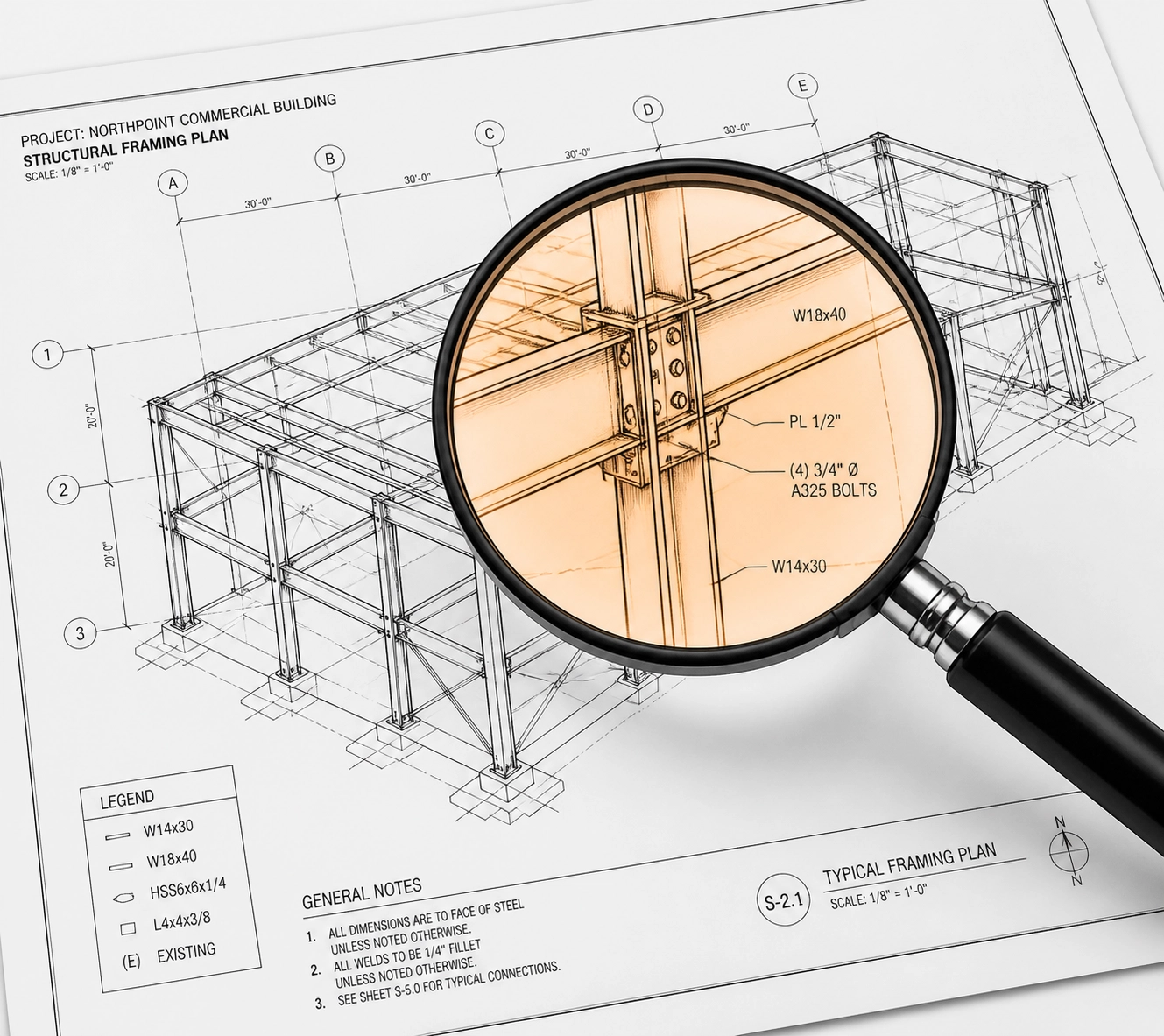
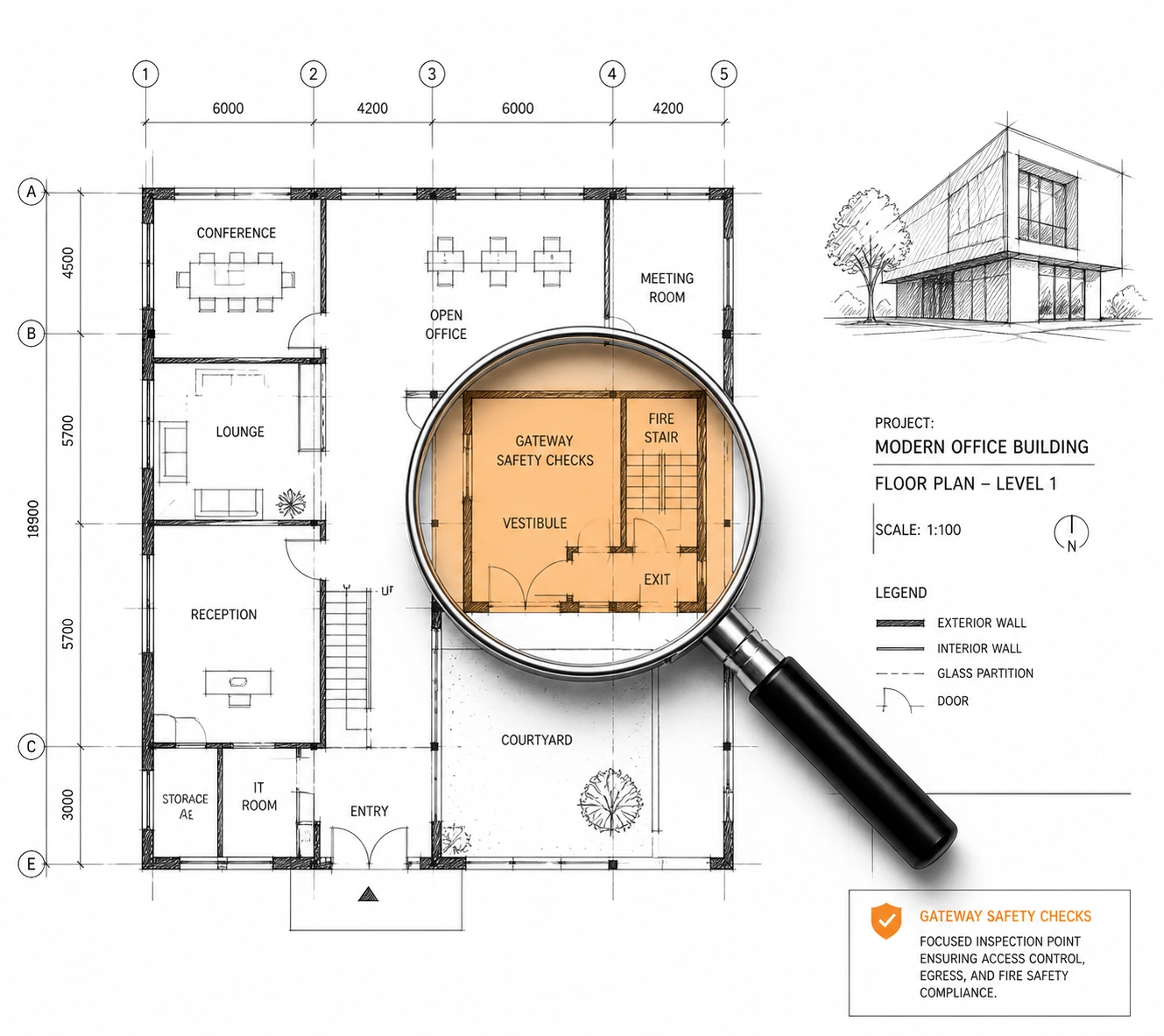
    Magnifying glass over building blueprints representing a detailed risk assessment for construction insurance.

    The Value of a Specialist Broker

    In a world of “compare and click,” the value of a personal approach has actually increased. I think many business owners have realized that when things go wrong on a site: a burst pipe, a structural failure, or a tool theft: they don’t want to talk to a chatbot. They want someone who knows their business.

    A specialist broker like Moyak understands the nuances of Commercial Combined Business Insurance. We know which insurers are currently “appetized” for construction and which ones are pulling back. This knowledge is what saves you money, not just the initial quote.

    For instance, we often see contractors paying for “standard” packages that include coverages they don’t need, while missing critical “professional indemnity” extensions for design-and-build work. A specialist audit ensures you are paying for protection, not just paper.

    Actionable Steps for Your Next Renewal

    As you look toward your next renewal date, I suggest you take these three concrete steps:

    1. Review Your Claims History: Ask your broker for your “claims experience” report. If there are open claims that should be closed, get them shut. An open claim is a red flag for a new underwriter.
    2. Document Your Safety Culture: Put together a one-page “Business Profile” that highlights your experience, your safety records, and any tech you use on-site. We will use this to “sell” your business to the insurers.
    3. Check Your Contracts: If you’ve signed new contracts with larger developers, they might have higher indemnity requirements. Don’t wait for a claim to find out you’re non-compliant.

    Sketch of a contractor and insurance broker shaking hands to finalize a policy renewal partnership.

    Looking Forward: 2026 and Beyond

    The “changing market” isn’t something to fear, but it is something to respect. We are seeing more large-scale lawsuits related to construction defects, and insurers are becoming more surgical about who they cover.

    I can see a trend where the “gap” between well-managed firms and poorly-managed ones is widening. The well-managed ones get the best rates and the widest coverage. The others are left with high deductibles and restrictive terms.

    At Moyak Insurance Services, we take a pragmatic view. We know you’re busy running a site, and the last thing you want is a 50-page questionnaire. But by taking a bit of time to get the details right, and by letting us tell your story to the market, we can ensure your business is protected at a price that makes sense.

    If your renewal is coming up in the next few months, don’t just wait for the automated email. Let’s have a conversation about where your business is going, not just where it’s been. Whether you are a General Tradesman or a large-scale construction firm, the right advice at renewal is the best insurance you can have.

    Brick foundation and upward arrow symbolizing stability for contractors in the changing insurance market.

    Final Thoughts

    The best renewal advice isn’t a secret formula: it’s about transparency, timing, and partnership. In a market where everything feels automated, the “human” element of insurance brokerage is what will ultimately protect your reputation and your bottom line.

    If you want to ensure your coverage is as solid as your work, reach out to us at Moyak Insurance Services. We’re here to help you navigate the changes and keep your business moving forward.

    Interested in more industry-specific advice? Check out our guide on 7 Business Insurance London Mistakes or learn how to secure better terms in Essex.

  • Better Terms for Business Insurance in Essex (Save Money)

    [HERO] How to Secure Better Terms for Business Insurance in Essex (And Save a Fortune)

    If you are running a business in Essex right now, you already know that everything is getting more expensive. From the utility bills at your shop in Southend to the fuel costs for your fleet in Chelmsford, the “cost of doing business” is a phrase we are all tired of hearing. But there is one major expense that many business owners treat as a fixed cost, when it really shouldn’t be: your insurance premium.

    I have spent years looking at policy wordings and negotiating with underwriters, and I can tell you that “Business Insurance Essex” doesn’t have to be a drain on your cash flow. In fact, if you approach it correctly, you can secure significantly better terms and save a small fortune over the long run. The secret isn’t just finding the cheapest quote on a comparison site: it’s about making your business “insurable” in the eyes of the people holding the purse strings.

    Why the “Cheap” Option Often Costs More


    I see it all the time. A business owner goes online, finds the lowest number, and hits “buy.” Then, six months later, they have a claim and find out they aren’t actually covered for the specific risk they faced. Or worse, the insurer applies an “average clause” because the business was underinsured, and they only pay out 50% of the claim.

    Securing better terms isn’t just about the monthly premium; it’s about the quality of the coverage and the ease of the claims process. In the current market, insurers are becoming more selective. They aren’t just looking for business; they are looking for good business. If you can prove your business is a lower risk than the guy next door, you’ll get the better rates.

    The Power of Practical Risk Management

    I often tell my clients that the best way to lower your insurance costs is to prove you might never actually need to use the policy. It sounds counterintuitive, but underwriters love a “boring” risk.

    Risk management shouldn’t be a dusty folder on a shelf that you only open when a health and safety inspector knocks. It’s about active, daily habits. For example, if you are looking for retail shop business insurance, showing that you have high-quality CCTV, a modern alarm system linked to a central station, and a strict “clean floor” policy to prevent slips and trips can instantly move you into a different pricing bracket.

    Sketch of an Essex storefront with a security camera for improved business insurance terms.

    In fact, I’ve seen cases where a simple upgrade to the locks on a warehouse in Basildon or installing dash-cams in a fleet of delivery vans led to a 15% reduction in premiums. Insurers want to see that you are an active partner in your own protection.

    Getting Your Valuations Right (The Inflation Trap)

    This is a huge issue right now in Essex and across the UK. With the cost of building materials and labour skyrocketing, many businesses are drastically underinsured. If you haven’t updated your “rebuild cost” for your premises in the last two years, you are almost certainly underinsured.

    Why does this matter for your terms? Because if an underwriter sees that your valuations are out of date, they see a business owner who isn’t on top of the details. It signals risk. Conversely, providing a professional valuation or showing that you’ve factored in current inflation rates shows you are a responsible operator. This level of accuracy builds trust, and trust leads to better terms.

    Whether you are looking for commercial landlord property owners insurance or cover for a small office, getting those numbers right is the first step to saving money. It prevents the “average clause” from biting you if you ever have to claim.

    Why a Specialist Broker Beats a Call Centre

    I might be biased, but there is a massive difference between calling a giant corporate call centre and working with a specialist broker like Moyak Insurance Services. When you call a big aggregator, you are just a data point in an algorithm. If you don’t fit their perfect “box,” the price goes up or they simply decline to quote.

    A specialist broker knows the Essex market. We know the local risks, but we also know the local opportunities. We don’t just “get a quote”; we tell your story to the underwriter. I can explain to an underwriter why your specific cleaning company business insurance needs are different because of the specific contracts you hold.

    Specialist insurance broker in Essex discussing tailored business coverage with a client.

    We have access to “niche” markets that aren’t available on comparison sites. For instance, if you are a contractor, you might need general contractor liability insurance. A generalist might give you a standard policy, but a specialist will tailor it to the specific safety laws currently impacting the industry, ensuring you aren’t paying for fluff you don’t need while being fully protected where it counts.

    Specific Tips for Essex Business Sectors

    Every industry has its own “hacks” for better insurance terms. Here are a few I’ve picked up recently:

    • Hospitality (Pubs, Clubs, Restaurants): If you are running a venue in a busy spot like Chelmsford or Colchester, focus heavily on your door policy and “last orders” management. Insurers are very wary of late-night liability. Showing a clean track record here is gold. Check out our pub-club-bar insurance options for more.
    • Construction & Trades: The “Golden Thread” of safety information is becoming a big deal. Keeping digital records of your safety checks and training can help you secure better terms for general tradesmen liability insurance.
    • Professional Services: If you run an office or surgery, focus on your cyber security. Even if you aren’t buying a separate cyber policy, showing you have robust data backups can improve your general small office surgery insurance standing.

    The “Commercial Combined” Advantage

    For many growing Essex firms, the most cost-effective way to get better terms is to move toward a commercial combined business insurance policy. Instead of having five different policies with five different renewal dates, you bundle them.

    Not only does this usually come with a “package discount,” but it also eliminates gaps in cover. When one insurer handles your property, liability, and business interruption, they have a holistic view of your risk. It makes you a more “sticky” and valuable client for them, which gives your broker more leverage to negotiate a lower rate.

    Illustration of commercial combined business insurance bundling office, retail, and vehicle cover.

    Don’t Wait Until Renewal Day

    The biggest mistake I see? Waiting until 48 hours before your policy expires to start looking at options. At that point, you are a “distressed buyer.” You have no time to implement risk management changes or for a broker to properly shop the market.

    I recommend starting the process at least 60 days out. This gives us time to look at your current claims history, address any “red flags,” and present your business in the best possible light to a range of insurers.

    Final Thoughts: It’s a Partnership

    At the end of the day, securing better business insurance in Essex is about moving away from the “transactional” mindset. Insurance isn’t just a tax you pay to stay in business; it’s a partnership that protects everything you’ve worked to build.

    When you treat risk management seriously, provide accurate data, and work with a broker who actually knows your name and your business, the “fortune” you save in premiums is just the beginning. The real value is the peace of mind knowing that if things go wrong, you have the best possible terms to back you up.

    If you’re ready to see if you can get a better deal for your Essex business, reach out to us at Moyak Insurance Services. We’re right here in the heart of the community, and we’d love to help you stop overpaying for cover you don’t fully trust.

    Professional handshake symbolizing a trusted business insurance partnership in Essex.


  • Mistakes You’re Making with Business Insurance London7 (and How to Fix Them)

    [HERO] 7 Mistakes You're Making with Business Insurance London (and How to Fix Them)

    Running a business in London is a bit like playing a high-stakes game of Tetris. You’re constantly trying to fit moving pieces: rent, staffing, supply chains, and demanding clients: into a space that feels slightly too small and moves way too fast. In the middle of this whirlwind, Business Insurance London often gets relegated to the “I’ll deal with it later” pile or, worse, the “just buy the cheapest thing online” pile.

    I’ve spent years talking to business owners from Shoreditch to Shepherd’s Bush, and I see the same patterns. People are brilliant at what they do: whether that’s running a high-end bistro or a boutique architectural firm: but they often view insurance as a tax rather than a safety net.

    The reality is that London is a unique beast. We have higher crime rates in certain postcodes, astronomical rebuilding costs, and a litigious environment that can turn a minor slip-up into a major financial disaster. Here are the seven most common mistakes I see London business owners making and, more importantly, how we fix them at Moyak Insurance Services.


    1. Treating London Like a Sleepy Village

    The first mistake is failing to account for the “London Factor.” If you’re looking for Retail Shop Business Insurance, a policy designed for a quiet high street in the Cotswolds isn’t going to cut it in the West End.

    Urban risk factors are real. We’re talking about higher risks of theft, vandalism, and even business interruption due to things like street protests or major infrastructure failures. I once spoke to a shop owner who had a basic policy that didn’t properly account for “glass frontage.” In London, where shopfronts are essentially targets for stray delivery bikes, that’s a massive oversight.

    The Fix: You need a policy that reflects your specific London postcode. We look at the local crime stats and footfall to ensure your limits actually match the reality of your street.

    2. The “Add to Cart” Trap

    We live in an age of convenience, but clicking “Buy Now” on a generic comparison site is one of the fastest ways to end up underinsured. These platforms are designed for the “average” business. But tell me, when was the last time a business in London felt “average”?

    When you buy online, you’re usually filling out a form that asks the bare minimum. It doesn’t ask about the specific way you handle data, the unique layout of your Restaurant or Cafe, or the fact that your “office” is actually a co-working space with shared security risks.

    The Fix: Move away from the algorithms. A personalised approach means talking to a human who understands that your business has nuances a drop-down menu can’t capture.

    Sketch of a magnifying glass over an online shopping icon, representing expert review for Business Insurance London.

    3. Drastic Underinsurance on Property Assets

    This is arguably the biggest “ticking time bomb” in the capital. London property values and construction costs are in a different stratosphere. If you are a Commercial Landlord, you might be insuring your building for what you paid for it, or what you think it’s worth.

    However, insurance is about the rebuild cost. With the price of materials and London labour rates skyrocketing, many businesses are insured for only 60-70% of what it would actually cost to put the building back up after a fire. If you’re underinsured, insurers apply the “Average Clause,” meaning they’ll only pay out a percentage of your claim: even for small losses.

    The Fix: Get a professional valuation or use an insurance broker who can help you calculate accurate reinstatement costs. Don’t guess; the math in London rarely works in your favour if you’re winging it.

    4. Getting the “Business Description” Wrong

    I see this all the time with General Contractors. You might start out as a painter and decorator, but three years later, you’re doing light structural work or plumbing. If your insurance still says “Painter,” and a pipe bursts while you’re on-site in a luxury Kensington flat, your insurer might just walk away.

    In London’s gig economy and fast-paced market, businesses pivot quickly. Your insurance needs to keep up. If your policy doesn’t accurately describe every single thing you do for money, you’re essentially uninsured for those “extra” tasks.

    The Fix: Be painfully specific. When we set up Commercial Combined Business Insurance, we dig into the “day-to-day” to make sure the description covers the full scope of your operations.

    5. Ignoring Public Liability Gaps in High-Footfall Areas

    If you run a Pub, Club, or Bar in a busy area like Soho or Shoreditch, your Public Liability risk is astronomical compared to a suburban local. The “slip and trip” culture is real, and in a crowded London venue, the chances of an incident are high.

    Many owners take the minimum £1 million or £2 million limit. In London, that’s often not enough. If a serious injury occurs and leads to a loss of earnings claim for a high-flying City professional, £1 million will disappear before you’ve even finished the first court hearing.

    The Fix: Consider higher limits of indemnity. At Moyak, we often recommend £5 million or £10 million for businesses in high-density urban areas to ensure one accident doesn’t end the company.

    Hand-drawn tools illustrating evolving coverage needs for general contractor liability insurance in London.

    6. Forgetting the “Small” Stuff in Office Spaces

    Many London startups and professional services operate out of Small Offices or Surgeries. They assume that because they don’t have “heavy machinery,” their risks are low.

    But what about your portable equipment? Do your employees take expensive laptops on the Tube? Are you covered for “All Risks” outside the office, or only while the gear is tucked away in your Shoreditch studio? Loss of data and cyber-attacks are also massive risks for London’s service-based economy that are frequently overlooked.

    The Fix: Ensure your policy includes “Goods in Transit” or “All Risks” cover for portable equipment. Also, check if your Small Office Insurance includes a basic level of Cyber cover: it’s no longer optional in 2026.

    7. Choosing Price Over “Claims Service”

    The final mistake is the most painful one: choosing an insurer based purely on the lowest premium without checking their claims reputation. In London, when things go wrong: a flood in a Takeaway or a break-in at an Estate Agency: you need a fast response.

    Every day your London business is closed is a day you’re losing massive amounts of revenue and potentially paying high-interest commercial rent. A “cheap” insurer who takes three weeks to send an adjuster is costing you more than a slightly more expensive policy that responds in 24 hours.

    The Fix: Look for “A-rated” insurers and work with a broker who has a direct line to the claims teams. We know which insurers play fair and who drags their feet.

    A stopwatch and shield sketch depicting fast claims service for London commercial business insurance.

    The Moyak Way: Fixing the London Insurance Headache

    At Moyak Insurance Services, we don’t just sell policies; we build shields. We understand that Business Insurance London is a different beast. Whether you’re a Cleaning Company working across Zone 1 or a Hotelier managing a boutique guest house, your risks are specific to your street, your staff, and your ambitions.

    We take the time to sit down (or hop on a Zoom) and actually look at the gaps. We’re not here to sell you the most expensive policy; we’re here to make sure that if the worst happens, you’re still in business the next day.

    Don’t let a “simple” mistake in your paperwork be the reason your London dream hits a wall. Contact us today for a review of your current coverage. Let’s make sure your insurance is as professional and ambitious as your business is

  • How to Secure Better Terms for Business Insurance in Essex (And Save a Fortune)

    [HERO] How to Secure Better Terms for Business Insurance in Essex (And Save a Fortune)

    If you are running a business in Essex right now, you already know that everything is getting more expensive. From the utility bills at your shop in Southend to the fuel costs for your fleet in Chelmsford, the “cost of doing business” is a phrase we are all tired of hearing. But there is one major expense that many business owners treat as a fixed cost, when it really shouldn’t be: your insurance premium.

    I have spent years looking at policy wordings and negotiating with underwriters, and I can tell you that “Business Insurance Essex” doesn’t have to be a drain on your cash flow. In fact, if you approach it correctly, you can secure significantly better terms and save a small fortune over the long run. The secret isn’t just finding the cheapest quote on a comparison site: it’s about making your business “insurable” in the eyes of the people holding the purse strings.


    Why the “Cheap” Option Often Costs More

    I see it all the time. A business owner goes online, finds the lowest number, and hits “buy.” Then, six months later, they have a claim and find out they aren’t actually covered for the specific risk they faced. Or worse, the insurer applies an “average clause” because the business was underinsured, and they only pay out 50% of the claim.

    Securing better terms isn’t just about the monthly premium; it’s about the quality of the coverage and the ease of the claims process. In the current market, insurers are becoming more selective. They aren’t just looking for business; they are looking for good business. If you can prove your business is a lower risk than the guy next door, you’ll get the better rates.

    The Power of Practical Risk Management

    I often tell my clients that the best way to lower your insurance costs is to prove you might never actually need to use the policy. It sounds counterintuitive, but underwriters love a “boring” risk.

    Risk management shouldn’t be a dusty folder on a shelf that you only open when a health and safety inspector knocks. It’s about active, daily habits. For example, if you are looking for retail shop business insurance, showing that you have high-quality CCTV, a modern alarm system linked to a central station, and a strict “clean floor” policy to prevent slips and trips can instantly move you into a different pricing bracket.

    Sketch of an Essex storefront with a security camera for improved business insurance terms.

    In fact, I’ve seen cases where a simple upgrade to the locks on a warehouse in Basildon or installing dash-cams in a fleet of delivery vans led to a 15% reduction in premiums. Insurers want to see that you are an active partner in your own protection.

    Getting Your Valuations Right (The Inflation Trap)

    This is a huge issue right now in Essex and across the UK. With the cost of building materials and labour skyrocketing, many businesses are drastically underinsured. If you haven’t updated your “rebuild cost” for your premises in the last two years, you are almost certainly underinsured.

    Why does this matter for your terms? Because if an underwriter sees that your valuations are out of date, they see a business owner who isn’t on top of the details. It signals risk. Conversely, providing a professional valuation or showing that you’ve factored in current inflation rates shows you are a responsible operator. This level of accuracy builds trust, and trust leads to better terms.

    Whether you are looking for commercial landlord property owners insurance or cover for a small office, getting those numbers right is the first step to saving money. It prevents the “average clause” from biting you if you ever have to claim.

    Why a Specialist Broker Beats a Call Centre

    I might be biased, but there is a massive difference between calling a giant corporate call centre and working with a specialist broker like Moyak Insurance Services. When you call a big aggregator, you are just a data point in an algorithm. If you don’t fit their perfect “box,” the price goes up or they simply decline to quote.

    A specialist broker knows the Essex market. We know the local risks, but we also know the local opportunities. We don’t just “get a quote”; we tell your story to the underwriter. I can explain to an underwriter why your specific cleaning company business insurance needs are different because of the specific contracts you hold.

    Specialist insurance broker in Essex discussing tailored business coverage with a client.

    We have access to “niche” markets that aren’t available on comparison sites. For instance, if you are a contractor, you might need general contractor liability insurance. A generalist might give you a standard policy, but a specialist will tailor it to the specific safety laws currently impacting the industry, ensuring you aren’t paying for fluff you don’t need while being fully protected where it counts.

    Specific Tips for Essex Business Sectors

    Every industry has its own “hacks” for better insurance terms. Here are a few I’ve picked up recently:

    • Hospitality (Pubs, Clubs, Restaurants): If you are running a venue in a busy spot like Chelmsford or Colchester, focus heavily on your door policy and “last orders” management. Insurers are very wary of late-night liability. Showing a clean track record here is gold. Check out our pub-club-bar insurance options for more.
    • Construction & Trades: The “Golden Thread” of safety information is becoming a big deal. Keeping digital records of your safety checks and training can help you secure better terms for general tradesmen liability insurance.
    • Professional Services: If you run an office or surgery, focus on your cyber security. Even if you aren’t buying a separate cyber policy, showing you have robust data backups can improve your general small office surgery insurance standing.

    The “Commercial Combined” Advantage

    For many growing Essex firms, the most cost-effective way to get better terms is to move toward a commercial combined business insurance policy. Instead of having five different policies with five different renewal dates, you bundle them.

    Not only does this usually come with a “package discount,” but it also eliminates gaps in cover. When one insurer handles your property, liability, and business interruption, they have a holistic view of your risk. It makes you a more “sticky” and valuable client for them, which gives your broker more leverage to negotiate a lower rate.

    Illustration of commercial combined business insurance bundling office, retail, and vehicle cover.

    Don’t Wait Until Renewal Day

    The biggest mistake I see? Waiting until 48 hours before your policy expires to start looking at options. At that point, you are a “distressed buyer.” You have no time to implement risk management changes or for a broker to properly shop the market.

    I recommend starting the process at least 60 days out. This gives us time to look at your current claims history, address any “red flags,” and present your business in the best possible light to a range of insurers.

    Final Thoughts: It’s a Partnership

    At the end of the day, securing better business insurance in Essex is about moving away from the “transactional” mindset. Insurance isn’t just a tax you pay to stay in business; it’s a partnership that protects everything you’ve worked to build.

    When you treat risk management seriously, provide accurate data, and work with a broker who actually knows your name and your business, the “fortune” you save in premiums is just the beginning. The real value is the peace of mind knowing that if things go wrong, you have the best possible terms to back you up.

    If you’re ready to see if you can get a better deal for your Essex business, reach out to us at Moyak Insurance Services. We’re right here in the heart of the community, and we’d love to help you stop overpaying for cover you don’t fully trust.

    Professional handshake symbolizing a trusted business insurance partnership in Essex.


  • Why New Safety Laws Will Change the Way You Handle General Contractor Liability Insurance

    [HERO] Why New Safety Laws Will Change the Way You Handle General Contractor Liability Insurance

    I’ve been in the insurance business for a long time, and if there’s one thing I can tell you for certain here in 2026, it’s that the construction landscape is unrecognisable compared to five or six years ago. If you’re a general contractor, you’ve likely felt the shift. It’s not just that the materials are more expensive or that labor is harder to find; it’s that the very definition of “responsibility” has been rewritten by the UK government.

    The Building Safety Act 2022 was the starting gun, but the secondary legislation and the enforcement we are seeing today have fundamentally changed how you need to approach your General Contractor Liability Insurance. At Moyak Insurance Services, I’ve sat down with dozens of directors who are only just realizing that their old policies: the ones they’ve auto-renewed for years: simply don’t have the teeth to handle the current regulatory environment.


    In this post, I want to cut through the jargon and talk about why these safety laws mean you can’t treat your insurance as a “set it and forget it” expense anymore.

    The Building Safety Act: A New Era of Accountability

    When the Building Safety Act first landed, many in the industry thought it was just about high-rise cladding. I remember talking to contractors who said, “Michael, I don’t do 18-metre residential blocks, so this doesn’t touch me.” I had to tell them then, and I’m telling you now: that’s a dangerous assumption.

    The Act introduced a rigorous new regime that affects the entire lifecycle of a building. Whether you are involved in the design, the construction, or the refurbishment, the “Gateways” system ensures that safety is checked at every turn. If you’re the principal contractor, you are now legally a “Dutyholder.” This isn’t just a title; it’s a legal weight. You are responsible for ensuring that the people you hire are competent and that the work meets all functional requirements of the Building Regulations.

    This increase in statutory duty means that if something goes wrong, the trail of breadcrumbs leads straight to your door. Your General Contractor Liability Insurance needs to reflect that. It’s no longer just about a slip and trip on-site; it’s about long-term structural integrity and compliance failures that might not surface for years.

    Sketch of a building blueprint with a magnifying glass highlighting safety inspection checks.

    The 30-Year Shadow: Why Your Tail Just Got Longer

    One of the most significant changes: and arguably the one that keeps most directors up at night: is the extension of the limitation period under the Defective Premises Act. It used to be six years. Then it jumped to 15 years for new claims, and a staggering 30 years retrospectively for work completed before the Act was passed.

    Think about that for a second. You could be held liable today for a project your firm finished back in the mid-90s.

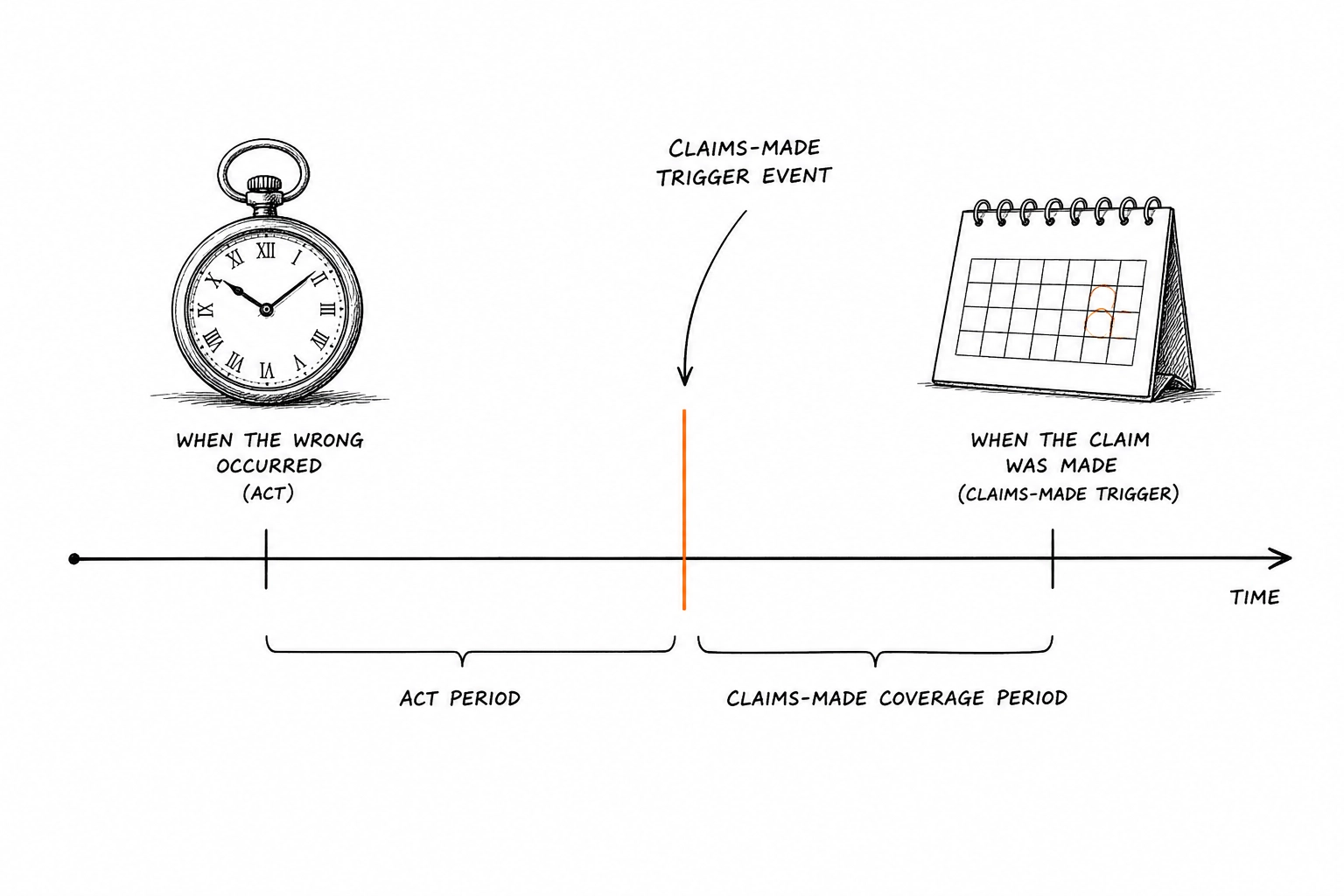
    From an insurance perspective, this is a nightmare. Most standard public liability policies are “claims-occurring” policies, but when you’re looking at decades of potential exposure, the “run-off” cover and the stability of your insurer become paramount. I often see contractors who think they are covered, but when we dig into the details, their policy limits are eroded by legal costs, or worse, there are exclusions for specific types of work that were perfectly legal 20 years ago but are now considered high-risk.

    Professional Indemnity vs. Public Liability: The Blurring Lines

    I’ve written about this before, but it’s worth repeating because the confusion is still out there. We often get asked, PI vs Public Liability: which is better for your construction contractor insurance?. In the past, the distinction was easy: Public Liability (PL) covered “doing” things (damage to property or people), and Professional Indemnity (PI) covered “thinking” things (advice and design).

    But today, with the Building Safety Act, those lines are a mess. If you’re a general contractor and you make a “design choice” on-site: perhaps substituting a material because of supply chain issues: you’ve stepped into the realm of design. If that material later fails to meet safety standards, your PL policy might walk away, saying it was a professional error. If you don’t have robust PI insurance as part of your General Contractor Liability Insurance package, you are essentially self-insuring a multi-million-pound risk.

    Going forward, I think every general contractor needs to treat PI with the same level of importance as their employer’s liability. It’s not an “add-on” anymore; it’s the core of your protection against the new safety regulations.

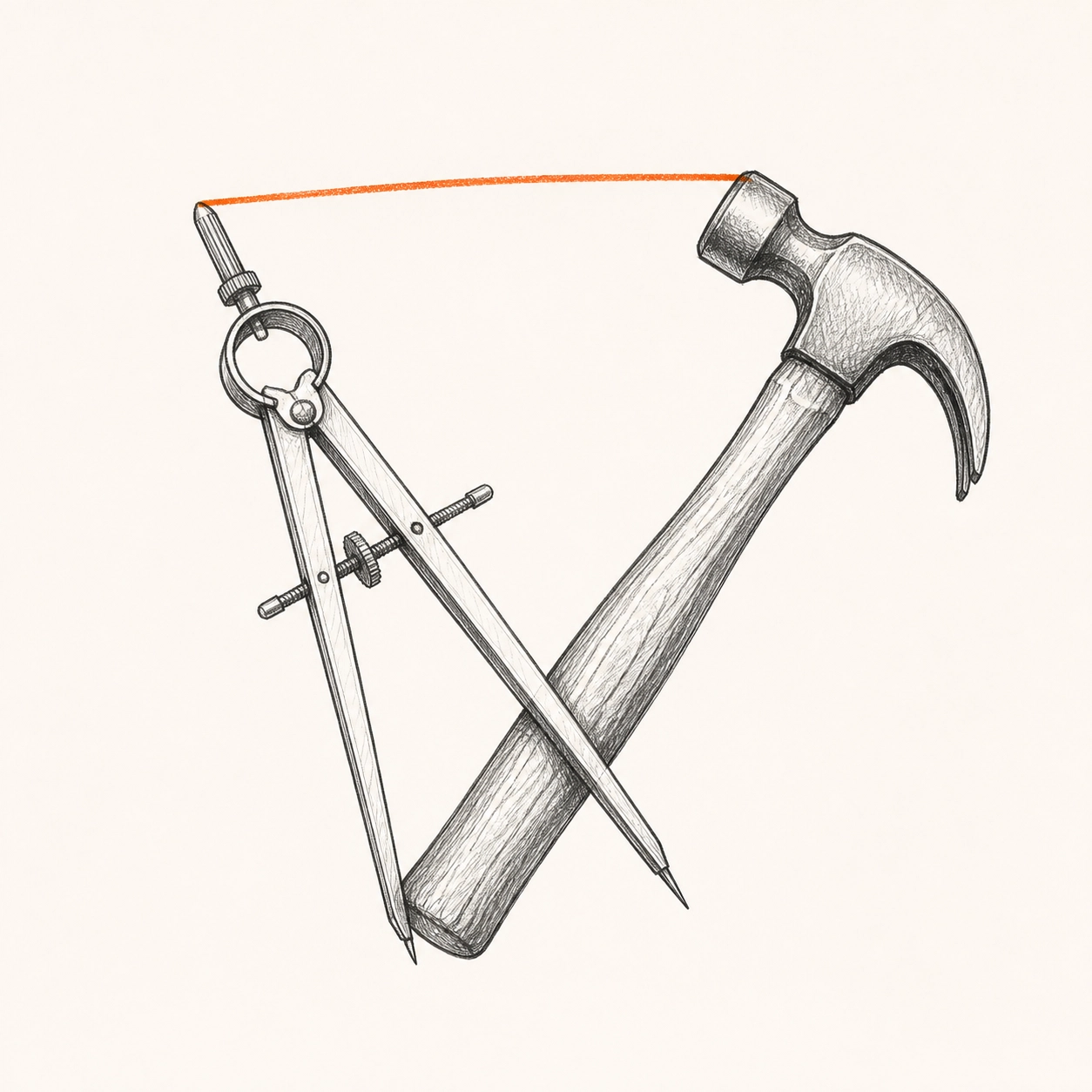
    Compass and hammer sketch representing the link between professional indemnity and public liability.

    The “Golden Thread” and Your Insurability

    You’ve probably heard the term “Golden Thread” of information. It’s the requirement to keep a digital record of how a building was designed, built, and maintained. For many, it feels like more red tape. But I see it differently. I see it as your best defense.

    When an insurer looks at your business today, they aren’t just looking at your turnover. They want to see your data management. Can you prove what was installed behind that wall five years ago? Do you have the digital signatures from the sub-contractors?

    Insurers are becoming incredibly selective. If you can’t demonstrate that you follow the Golden Thread principles, you’ll find your premiums skyrocketing, or you might find yourself unable to get cover at all. I’ve seen some great firms get rejected by top-tier insurers simply because their record-keeping was still stuck in the 20th century. High-quality documentation makes you a “better risk,” and in this market, being a better risk is the only way to keep your costs down.

    Managing Sub-Contractor Risk

    As a general contractor, you’re only as strong as your weakest subbie. The new laws make you more responsible for their actions than ever before. It used to be enough to just check they had a certificate of insurance. Now, you need to be sure their policy doesn’t have “height exclusions” or “cladding exclusions” that might kick the liability back to you if they mess up.

    In our ultimate guide to business insurance, we talk about the importance of checking the fine print. Going forward, I’d suggest you make it a standard part of your procurement to have a broker review your major sub-contractors’ policies. It might seem like overkill, but when a safety inspector is breathing down your neck, you’ll be glad you did it.

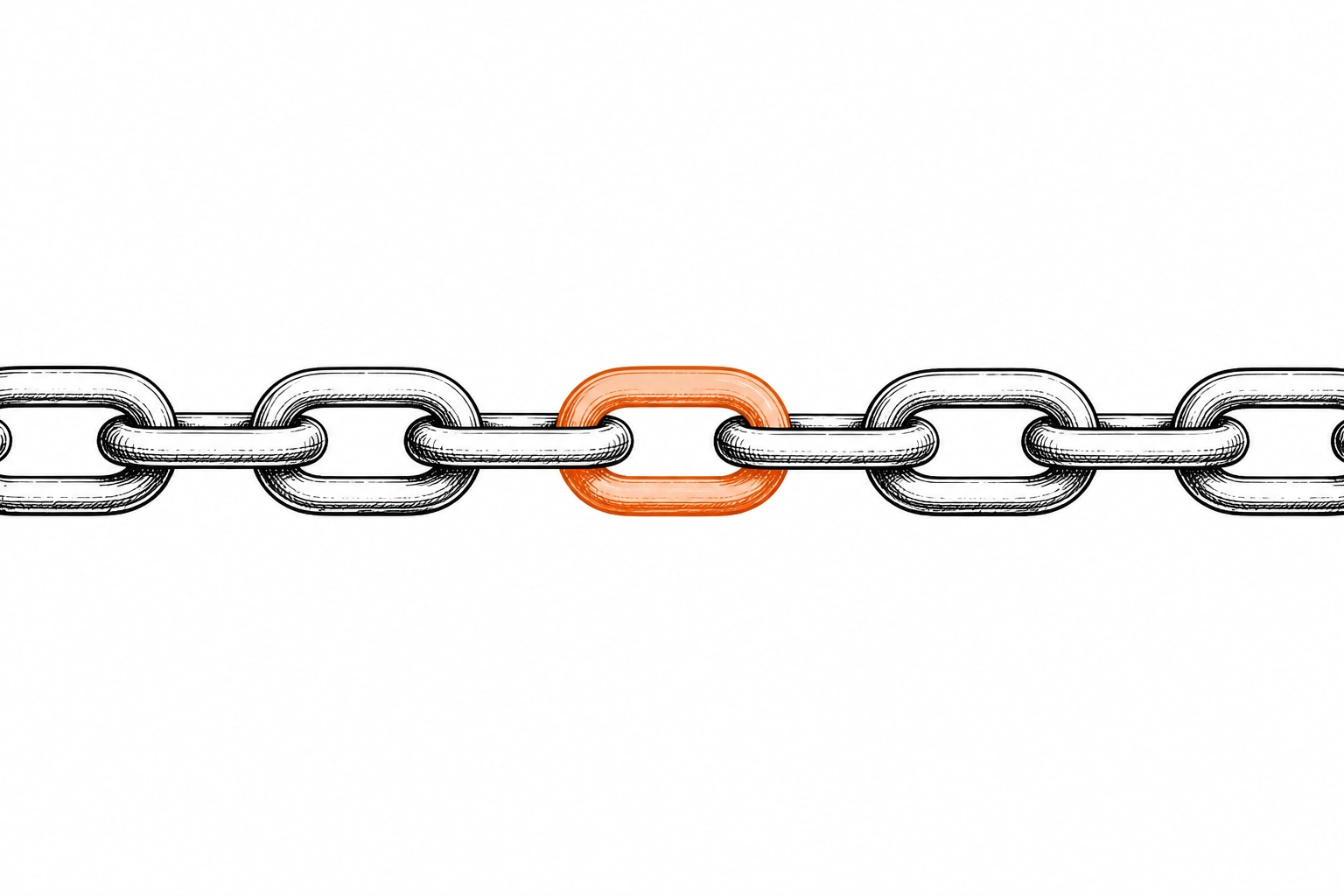
    Steel chain sketch with a highlighted orange link representing sub-contractor liability risk.

    Practical Steps to Protect Your Business

    So, what should you actually do? It’s easy to talk about laws, but you have a business to run. Here is my pragmatic advice for navigating this:

    1. Audit Your Existing Cover: Don’t wait for renewal. Ask your broker specifically how your policy handles the Building Safety Act’s extended liability periods.
    2. Invest in Digital: If you haven’t moved to a digital site management system that tracks the Golden Thread, do it now. It will pay for itself in lower insurance premiums within two years.
    3. Review Your Contracts: Ensure your contracts with clients and sub-contractors clearly define dutyholder roles as per the new regulations.
    4. Don’t Skimp on PI: Even if you think you don’t “do design,” the law might disagree. Ensure your Professional Indemnity is adequate for the scale of projects you handle.
    5. Talk to Specialists: General insurance brokers might not understand the nuances of the 2022 Act. Work with someone who understands the construction industry inside and out.

    Final Thoughts

    The days of cheap, “no-questions-asked” General Contractor Liability Insurance are gone. The UK government has made it clear that the “buck stops here” for contractors. While it feels like a burden, these laws are actually pushing the industry toward a higher standard of quality.

    I think the firms that embrace these changes: the ones that get their insurance right and their data sorted: are the ones that will still be standing in another 30 years. At Moyak Insurance Services, we’re here to help you make sense of it all. It’s a complex world, but you don’t have to navigate it alone.

    If you’re worried about whether your current setup is enough, or if you just want a second pair of eyes on your policy, reach out to us. We’ve helped everyone from small tradesmen to large-scale developers navigate these waters, and we can do the same for you.


    Note: This post is for informational purposes and does not constitute legal or financial advice. Always consult with a professional broker regarding your specific insurance needs.

  • PI Vs Public Liability: Which Is Better For Your Construction Contractor Insurance?

    [HERO] PI Vs Public Liability: Which Is Better For Your Construction Contractor Insurance?

    If you have spent any time in the UK construction industry, you know that the phrase “Are you covered?” is as common as a morning tea break. But when I sit down with contractors to look over their portfolios, I often see a recurring pattern. Most have their Public Liability (PL) sorted: it’s usually the first thing a site manager asks for before you’re allowed to unload your tools. However, when I mention Professional Indemnity (PI), I’m often met with a blank stare or a shrug.

    The common misconception is that if you aren’t an architect or a structural engineer, you don’t need PI. In reality, the line between “doing the work” and “designing the work” has become incredibly blurred in modern construction. I think this is where many businesses leave themselves wide open to massive financial risk.

    When people ask me which is better for their Construction Contractor Insurance: Public Liability or Professional Indemnity: my answer is almost always the same: it isn’t a competition. They are two different tools for two very different jobs.

    Understanding Public Liability: The Shield Against Physical Mishaps

    Public Liability is the bedrock of any construction-related insurance policy. In my experience, most contractors understand this one because the risks are so visible. If you drop a brick on a passerby’s car or a visitor trips over a stray cable on your site, that is a PL claim.

    Specifically, PL covers you against third-party claims for:

    • Bodily injury (to anyone who isn’t an employee).
    • Property damage.
    • Legal expenses arising from these claims.

    For many general tradesmen liability insurance needs, PL is the primary focus. It is designed to protect you from the “oops” moments that happen in the physical world. If your work causes immediate, tangible damage to someone else’s stuff or health, PL is what stands between you and a potentially business-ending payout.


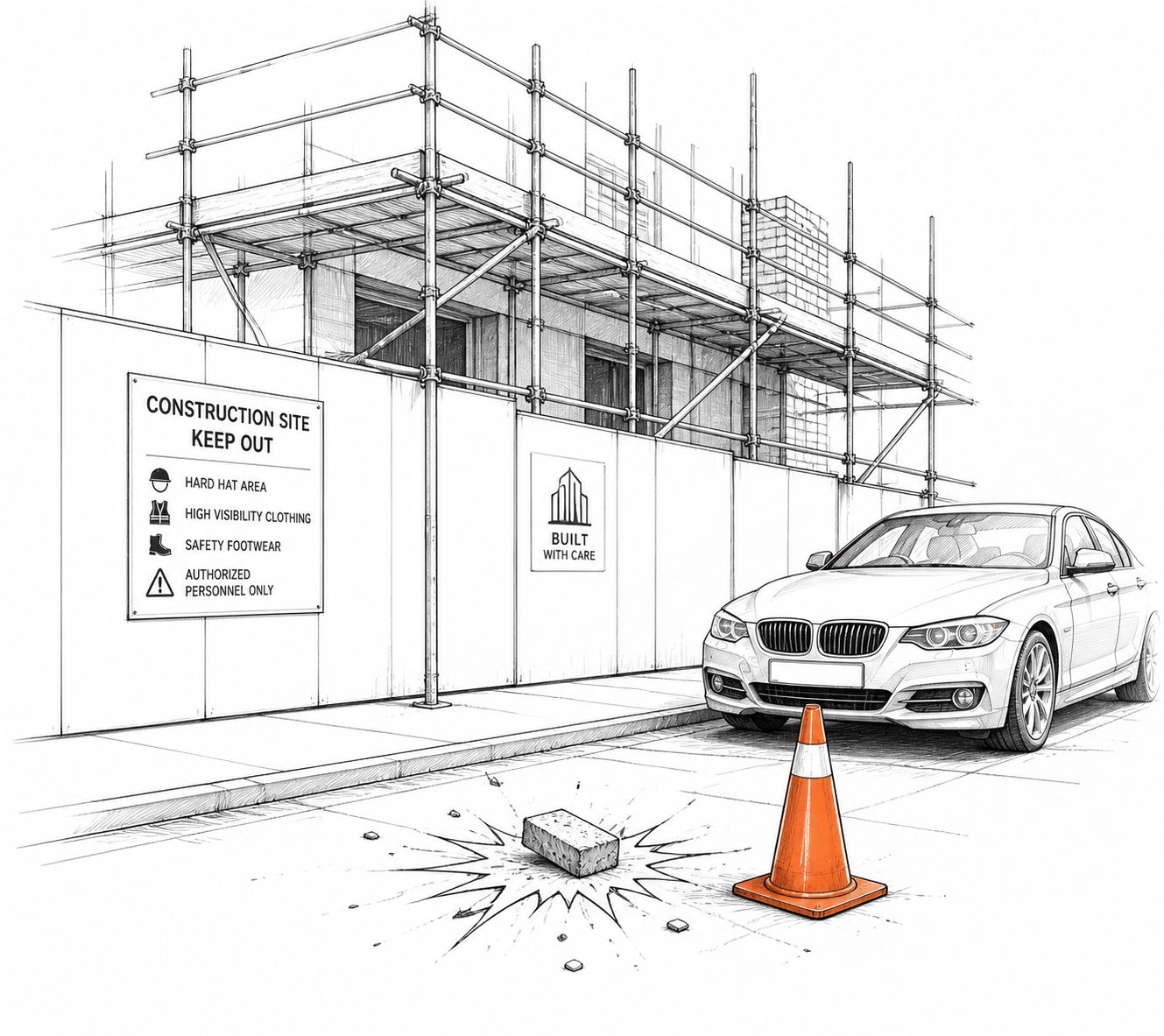
    Sketch showing property damage at a construction site for public liability insurance.

    Professional Indemnity: The Protection for Your Expertise

    Now, this is where it gets a bit more nuanced. Professional Indemnity isn’t about physical accidents; it’s about the “brain work.” It covers you if a client suffers a financial loss because of your professional advice, design, or specifications.

    I’ve spoken to many contractors who say, “I don’t do design, I just build what’s on the plans.” But the reality is often different. If you suggest a change in materials to save the client money, or if you spot an error in the original plans and “fix” it on the fly, you are technically providing a design service.

    If those changes later lead to a structural failure or mean the building doesn’t meet regulations, the client won’t be suing you for “property damage” in the traditional sense; they will be suing you for professional negligence. That is a PI issue.

    In fact, PI is increasingly becoming a standard requirement for construction contractor insurance because of the rise in Design and Build (D&B) contracts. If you are the main contractor on a D&B project, the client holds you responsible for everything: including the errors made by the architects or engineers you’ve hired. Without your own PI policy, you are effectively self-insuring that risk.

    The Key Differences: Occurrence vs. Claims Made

    One of the most important things I want to highlight: and this is something that catches a lot of people out: is how these two policies actually trigger.

    Public Liability is usually an “occurrence-based” policy. This means that as long as you had the policy active on the day the accident happened, you are covered, even if the claim is made years later.

    Professional Indemnity, however, works on a “claims-made” basis. This is a bit of a sting in the tail. For a PI policy to cover you, it must be active at the time the claim is made, not just when the work was done. If you finish a project in 2024, cancel your PI in 2025, and get sued in 2026, you have no cover. This is why “run-off” cover is so vital in our industry, but it’s a detail that off-the-shelf insurance websites rarely explain properly.

    Timeline sketch showing claims-made triggers for contractor professional indemnity insurance.

    Why “Both” is Usually the Right Answer

    I can see why contractors try to choose one over the other to save on premiums. But the gap between them is where the most expensive lawsuits live.

    Consider a scenario where you are installing a specialized HVAC system.

    1. The PL Scenario: During installation, a pipe bursts and floods the building’s lower floor. Your Public Liability covers the damage to the carpets and the building structure.
    2. The PI Scenario: You install the system perfectly, but it turns out you specified a unit that is underpowered for the building’s size. The building is too hot to work in, and the client loses weeks of productivity while it’s replaced. There is no “damage” to the building, but there is a huge financial loss. Your PL won’t touch this, but a PI policy would.

    As you can see, you aren’t double-insuring; you are covering two completely different avenues of liability. For a more comprehensive look at how these fit into a wider strategy, I often recommend checking out the ultimate guide to business insurance London which goes into detail on the broader landscape for firms operating in the capital.

    The Moyak Approach: Why Individual Assessment Matters

    At Moyak Insurance Services, we don’t believe in the “one size fits all” approach that you see on price comparison sites. In fact, I think that approach is dangerous for construction firms. A groundworks contractor in Essex has a very different risk profile than a high-end interior fit-out firm in Mayfair.

    When we look at your Construction Contractor Insurance, we don’t just ask for your turnover. We want to know:

    • Do you have “rights of recourse” against your sub-consultants?
    • Are you working under JCT or NEC contracts that mandate specific PI limits?
    • Does your work involve “pollution or contamination” risks (which are often excluded from standard PL)?

    We take a personal interest because we know that at the end of the day, you aren’t just buying a piece of paper: you’re buying the survival of your business. I’ve seen too many good firms go under because they had “the wrong type” of insurance, even though they were paying high premiums.

    Minimalist sketch of blueprints and tools for bespoke construction contractor insurance assessment.

    Practical Steps for Contractors

    If you are looking at your renewals or starting a new project, I’d suggest these three steps:

    1. Check Your Contracts: Don’t just look at the insurance section. Look at the “Indemnity” and “Design” clauses. If you are responsible for any part of the specification, you almost certainly need PI.
    2. Audit Your Subbies: If you hire sub-contractors, make sure you check their insurance certificates. If they don’t have PI and they make a design error, the client is coming for you first.
    3. Talk to a Specialist: Don’t rely on a generic broker who handles shops and takeaways. Construction is high-risk and highly technical. You need someone who understands the difference between a “pure building contract” and “design and build.”

    Going forward, the regulatory environment in the UK (especially post-Grenfell and with the Building Safety Act) is only getting stricter. The definitions of “accountable persons” and professional responsibility are expanding. I think that in the next few years, PI will be just as mandatory as PL for almost everyone in the supply chain.

    Final Thoughts

    So, which is better? Neither. They are the two halves of a complete protection strategy. Public Liability protects your hands and your feet: the work you do on the ground. Professional Indemnity protects your head: the decisions and advice you provide.

    If you’re unsure where your current policy leaves you, or if you’ve recently taken on larger contracts that involve more “advice” than “labour,” let’s have a conversation. At Moyak, we prefer the personal touch because we know that every contractor’s “perfect” policy looks a little bit different.