📞 01375 392 087  ·  ✉ info@moyakinsurance.co.uk

Mon–Fri: 9:30am – 5:30pm

Author: digitalads8

  • Looking For Business Insurance Essex? Here Are 10 Things You Should Know

    [HERO] Looking For Business Insurance Essex? Here Are 10 Things You Should Know

    If you are running a business in Essex, you already know that this county is one of the most vibrant and diverse economic hubs in the UK. From the bustling retail sectors in Chelmsford and Southend to the industrial powerhouses near Tilbury and the thriving tech startups in the M11 corridor, Essex is a place where growth happens fast. But with that growth comes a certain level of risk.

    I’ve spent a lot of time talking to business owners across Essex, Kent, and London, and one thing I’ve noticed is that while entrepreneurs are great at spotting opportunities, they often feel a bit overwhelmed when it comes to “Business Insurance Essex.” It feels like a box-ticking exercise, but honestly, it is the safety net that keeps your hard work from disappearing overnight if something goes wrong.

    At Moyak Insurance Services, we believe insurance shouldn’t be a “one-size-fits-all” product bought from a nameless call centre. Whether you’re a tradesman in Basildon or running a boutique hotel in Colchester, you need a local approach.

    Here are 10 things you should know when looking for business insurance in Essex.


    1. Local Knowledge Actually Saves You Money

    When people think about insurance, they often think about the big national brands. But here is the thing: a local broker understands the Essex landscape better than an algorithm does. I think there is a huge advantage in working with someone who knows the difference between the risks of a seaside business in Clacton versus a professional office in Brentwood.

    Knowing the local geography, crime rates, and even the specific risks associated with certain postcodes allows us to present your business to insurers in the best possible light. This often results in more accurate: and frequently cheaper: quotes than if you were just a number in a giant database. You can read more about why this matters in our guide on why local knowledge is your best defense.

    2. Employers’ Liability is Not Optional

    If you have even one employee, you are legally required to have Employers’ Liability insurance. In the UK, the fine for not having this can be as much as £2,500 for every single day you are uninsured. I’ve seen small businesses in Essex nearly go under because they thought “casual help” or “contractors” didn’t count.

    Usually, they do. Whether you’re running a cleaning company or a busy takeaway, if someone works for you, you need this coverage. It protects you if an employee gets injured or becomes ill because of their work for you.

    Sketch of diverse employees protected by employers liability insurance for Essex businesses.

    3. Public Liability is Your First Line of Defence

    If your business interacts with the public: and let’s face it, most do: Public Liability insurance is essential. Imagine a customer trips over a loose carpet in your retail shop or a pipe leaks while you’re doing a job as a tradesman.

    Without Public Liability, the legal fees and compensation claims could be devastating. In Essex, where foot traffic is high in our town centres, the risk of a simple accident is always there. It’s about peace of mind so you can focus on serving your customers rather than worrying about a potential lawsuit.

    4. The “Individual Approach” Beats the Comparison Site

    I can see why people use comparison sites: they look fast and easy. But I’ve spoken to many clients who found out the hard way that the “cheap” policy they bought online didn’t actually cover their specific equipment or the type of work they do.

    At Moyak, we prefer an individual approach. We sit down (virtually or in person) and actually look at what your business does. For example, a restaurant or cafe has very different needs regarding “loss of license” or “food spoilage” compared to a small office. Buying a generic policy often leaves gaps that you won’t notice until you try to make a claim.

    5. Combined Policies Often Provide Better Value

    As your company grows, managing five different insurance policies becomes a headache. That’s where Commercial Combined Business Insurance comes in. It bundles your property, liability, and business interruption cover into one neat package.

    Going forward, this is usually the most cost-effective way for growing Essex companies to stay protected. It simplifies the admin and often comes with a discount because you’re placing more business with a single insurer.
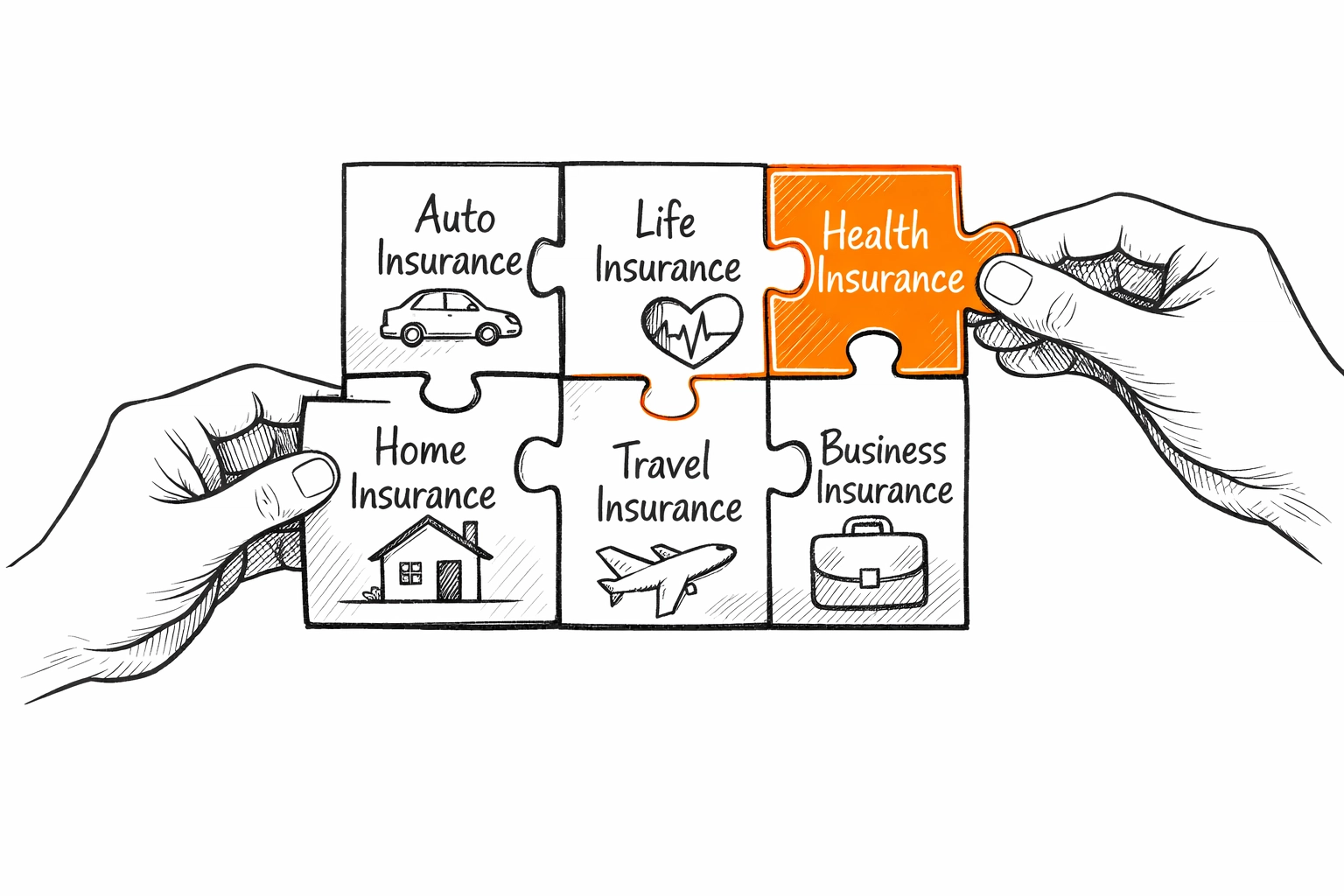
    Illustration of combined business insurance policies fitting together for growing Essex firms.

    6. Don’t Forget About Professional Indemnity

    If you provide advice or professional services: like an estate agent or a consultant: you need Professional Indemnity (PI) insurance. If a client claims they lost money because of your error or omission, PI covers your legal costs and any damages.

    In a professional hub like Chelmsford, the expectations for service are high. Even the best of us make mistakes occasionally, and having PI insurance ensures that a mistake doesn’t end your career.

    7. Essex Property Owners Face Specific Risks

    Whether you are a residential landlord or you own commercial property, your insurance needs to be robust. Essex has a mix of very old buildings and brand-new developments.

    I think it is vital to ensure your rebuild costs are calculated correctly. Inflation has pushed up the price of materials and labour significantly in the last couple of years. If you haven’t updated your property insurance recently, you might be “under-insured,” meaning the insurer will only pay out a percentage of your claim.

    8. Cyber Risks are Real for Small Businesses

    Many Essex business owners think cyber insurance is only for big banks in the City. I can tell you from experience, that’s not true. Small businesses are often seen as easier targets for hackers.

    If your systems are held to ransom or your customer data is stolen, the costs of getting back online and the potential GDPR fines are massive. Including cyber cover in your business insurance package is no longer a luxury; it’s a modern necessity.

    Digital devices with a padlock icon representing cyber security insurance for small businesses.

    9. Business Interruption: The Hidden Essential

    What happens if a fire or a flood means you can’t trade for three months? Even if your building and stock are insured, how do you pay your staff? How do you pay your own mortgage?

    Business Interruption insurance covers the income you would have made during that time. It’s the difference between a temporary setback and a permanent closure. For businesses like pubs, clubs, and bars or hotels and B&Bs, where the physical location is everything, this coverage is critical.

    10. Reviews Should Happen Every Year

    Your business in Essex is dynamic. You might have bought new equipment, hired more staff, or moved to a larger premises in the last 12 months. If your insurance doesn’t reflect your current reality, you are at risk.

    I recommend a quick annual review. It doesn’t have to be a long, drawn-out process. A quick chat with your broker to say, “Here is what has changed,” ensures you aren’t paying for cover you don’t need or, worse, missing cover you desperately do need.

    Why Choose Moyak Insurance Services?

    We know you have choices when it comes to business insurance in Essex. But we believe our combination of local knowledge and an individual approach sets us apart. We don’t just want to sell you a policy; we want to help your business grow safely.

    By looking at your business through a local lens: covering Essex, Kent, and London: we can often find savings that national brokers miss. We take the time to understand your specific trade, whether you’re a general contractor or running a surgery.

    If you’re looking to review your current cover or you’re a new venture starting up, let’s have a conversation. You can explore our full range of services on our homepage or get in touch directly to see how we can help you save money while staying fully protected.

    Essex skyline and a handshake representing a trusted local business insurance brokerage partner.

    Final Thoughts

    Insurance can feel like a burden, but I think of it as the foundation of a successful business. When you know you’re protected, you can take the calculated risks necessary to grow. Essex is a fantastic place to do business, and with the right insurance partner, the sky is the limit.

    Going forward, make sure you aren’t just looking for the cheapest price, but the best value. Sometimes, a few extra pounds a month in the right policy can save you hundreds of thousands in the long run.

    Stay safe, stay local, and let’s keep Essex business thriving.

  • The Ultimate Guide to Business Insurance London: Everything You Need to Succeed

    [HERO] The Ultimate Guide to Business Insurance London: Everything You Need to Succeed

    London is a city of immense opportunity, but it is also one of the most competitive and complex business environments in the world. Whether you are scaling a tech startup in Shoreditch, managing a construction firm in Essex, or running a high-end retail shop in the West End, risk is an inherent part of your journey.

    In my years working within the London insurance market, I have seen many businesses thrive because they built their house on a solid foundation, while others have struggled because they viewed insurance as a “tick-box” exercise rather than a strategic asset. Navigating Business Insurance London requires more than just a search engine; it requires an understanding of the local landscape, the legalities involved, and the specific risks that come with operating in the capital and the surrounding home counties like Kent and Essex.

    The Legal Requirements: What You Cannot Ignore

    Before we look at how to protect your assets and reputation, we have to talk about what the law demands. In the UK, the legal requirements for business insurance are strict, and the penalties for non-compliance can be devastating for a growing company.

    Employers’ Liability Insurance

    If you have employees: whether they are full-time, part-time, temporary, or even some types of freelancers: you are legally required to have Employers’ Liability (EL) insurance. I cannot stress this enough: the minimum cover is £5 million, and the Health and Safety Executive (HSE) can fine you up to £2,500 for every single day you are not covered.

    I’ve spoken to business owners who thought they could bypass this because they only hire “friends,” but the law doesn’t see it that way. If someone works under your supervision and control, you likely need EL. It’s also worth noting that you must display your insurance certificate, or you could face a further £1,000 fine.

    Business Motor Insurance

    If your company owns vehicles, or if you or your employees use personal vehicles for business purposes (beyond a simple commute), standard private motor insurance is not enough. You need specific business motor cover to ensure you are legally compliant on the road.


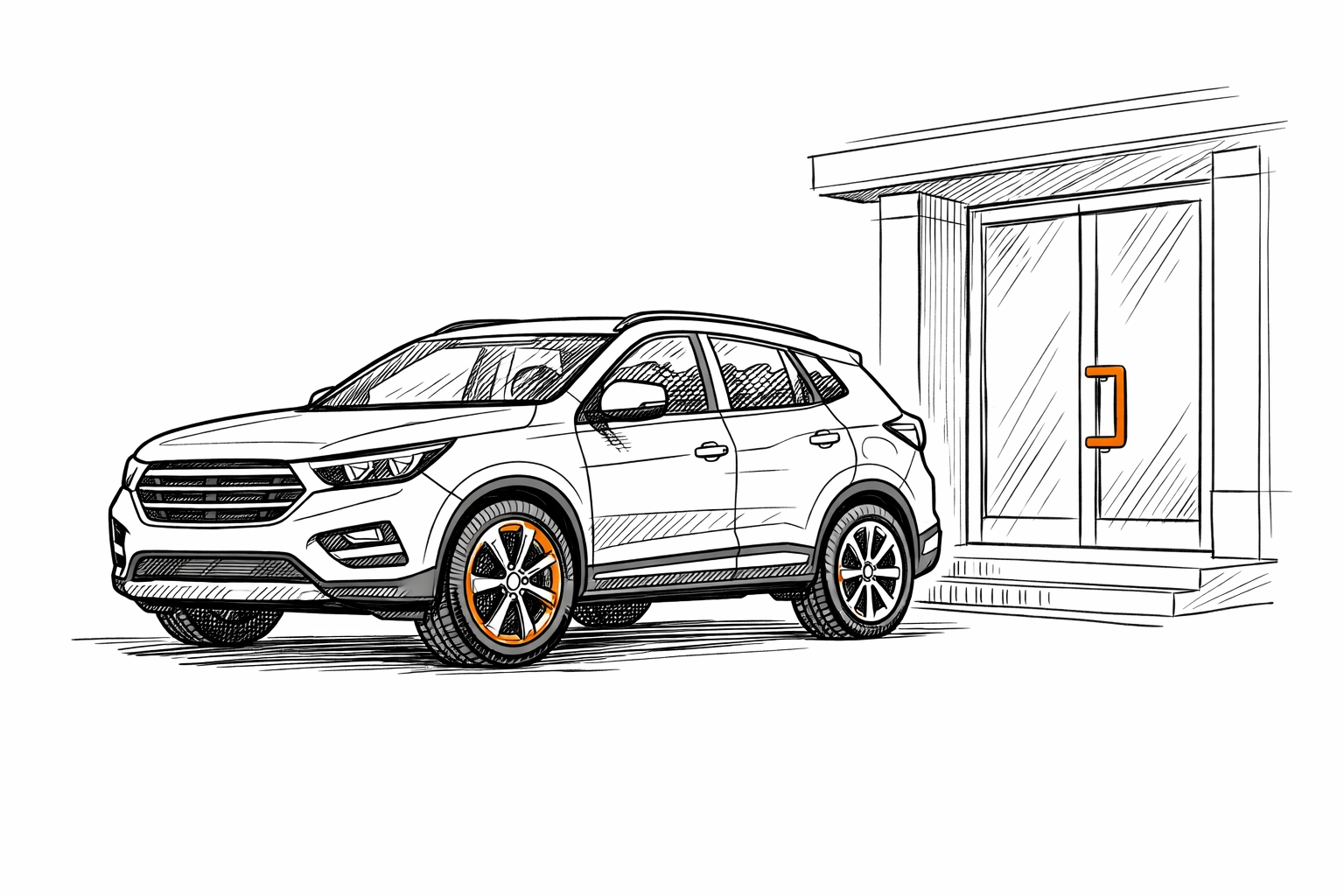
    Sketch of a business vehicle at a London office representing business motor insurance compliance.

    The Strategic Trio: Protecting Your Reputation and Revenue

    Once the legalities are out of the way, we look at the protections that actually keep you in business when things go wrong. In London’s high-stakes environment, three types of cover stand out as essential for almost every sector.

    1. Public Liability Insurance

    In a crowded city like London, the chances of a third party: a client, a delivery driver, or a member of the public: being injured or having their property damaged because of your business activities are higher than you might think. Public Liability (PL) insurance covers the legal costs and compensation claims if such an event occurs. For most London businesses, I recommend a minimum of £2 million to £5 million in cover, especially if you are working with larger corporate clients who often demand these levels as a contractual requirement.

    2. Professional Indemnity Insurance

    If your business provides advice, design, or professional services, Professional Indemnity (PI) insurance is your most important safeguard. If a client suffers a financial loss because they claim your advice was negligent or your service was flawed, PI covers the legal defense and any settlements. In sectors like finance, law, and consultancy: huge drivers of the London economy: this is often non-negotiable. You can learn more about how we structure these protections on our main services page.

    3. Cyber Insurance

    As we move further into 2026, cyber threats have become a “when,” not an “if.” London is a global hub for data, making local businesses prime targets for hacking and data breaches. Cyber insurance handles the fallout, from recovering lost data to managing the PR crisis that follows a breach.

    Industry-Specific Needs in the London Market

    London’s economy is diverse, and a “one-size-fits-all” policy rarely works. At Moyak Insurance Services, we’ve found that the best results come from tailoring insurance to the specific niche of the business.

    Construction and Trades

    For those in the building trade, the risks are physical and high-value. Whether you are a general contractor or a specialist tradesman, you need cover that understands the scale of London projects. Our General Contractor Liability Insurance is designed exactly for this, ensuring that site-specific risks are accounted for. Similarly, we provide specialized General Tradesmen Liability Insurance for smaller firms and solo practitioners.

    Hospitality and Retail

    The London high street is iconic, but it’s also under pressure. For those running cafes or takeaways, the risks range from food poisoning claims to fire damage. We offer dedicated Restaurant and Cafe Insurance and Takeaway and Fast Food Insurance to protect your premises and your livelihood. Retailers also face unique challenges with stock theft and public safety, which is why our Retail Shop Business Insurance is a cornerstone for many local shop owners.

    Property and Real Estate

    London’s property market is world-renowned. Whether you are an estate agent needing Estate Agent and Lettings Insurance or a landlord managing a portfolio, the risks are significant. We help clients navigate both Residential Landlord Insurance and Commercial Landlord Insurance to ensure that buildings and rental income are fully protected against the unexpected.

    Icons for construction, retail, and professional services illustrating business insurance London sectors.

    Why Local Knowledge Matters: The Essex, Kent, and London Connection

    I often get asked why a business shouldn’t just use a massive, faceless comparison site. The answer is simple: local context.

    When you are looking for Business Insurance London, you are dealing with specific regional factors. The rebuilding costs for a Victorian warehouse in East London are vastly different from a modern unit in Essex. The liability risks of a cleaning company working in high-rise City offices require a different approach than a domestic service. In fact, we provide specific Cleaning Company Business Insurance tailored to these exact nuances.

    Working with a broker who understands the geography of London, Kent, and Essex means you get a policy that reflects reality. We know the local crime rates, the common environmental risks (like localized flooding), and the expectations of local authorities. This local expertise ensures you aren’t overpaying for irrelevant cover, but more importantly, it ensures you aren’t under-insured when a claim arises.

    The Financial Logic: Costs and Tax Relief

    I understand that insurance is often seen as a grudge purchase. However, it’s worth remembering that business insurance premiums are generally 100% tax-deductible as an allowable business expense.

    For a basic rate taxpayer, this effectively means the government is subsidizing 20% of your insurance costs. For higher-rate taxpayers, that relief can reach 40%. When you look at the cost-to-risk ratio: spending a few hundred or thousand pounds to protect a multi-million pound liability: the math becomes very clear.

    Going forward, I expect to see even more bundling of services. A Commercial Combined Business Insurance policy can often save a business 10-20% compared to buying individual policies, while also ensuring there are no gaps in cover between different providers.

    Umbrella protecting a plant symbolizing a comprehensive umbrella of defense for London businesses.

    The Moyak Approach: Personal Over Procedural

    At Moyak Insurance Services, we believe that the best insurance is built on a relationship, not just a transaction. The London market moves fast, and your business will change. You might hire your first employee, move into a larger office, or pivot your service offering.

    A “buy now” button on a website won’t ask you the right questions about these changes. I’ve seen too many businesses realize their policy was void because they failed to update their broker on a change in their operations. Our approach is to stay close to our clients, providing an “Umbrella of Defense” that evolves with them. Whether you are a small surgery or office: covered by our Small Office and Surgery Insurance: or a large hospitality group, we take the time to understand your specific trajectory.

    How to Choose Your Cover

    When you are ready to secure your business, keep these three tips in mind:

    1. Don’t Buy on Price Alone: The cheapest policy usually has the most exclusions. Read the “small print” or, better yet, have a broker explain it to you.
    2. Be Transparent: Inaccuracies in your application can lead to claims being rejected. It is always better to be honest about risks upfront.
    3. Review Annually: Your business today is not the same as it will be in twelve months. Make an annual review a non-negotiable part of your schedule.

    Compass over a London map representing expert guidance for choosing the best business insurance London.

    Final Thoughts

    Securing the right Business Insurance London is about more than just peace of mind; it’s about ensuring that the hard work you put into your business every day is protected from the unexpected. London is a city that rewards the prepared.


    If you’re unsure where to start or if your current cover is truly fit for purpose, I encourage you to reach out. We’ve helped businesses across London, Essex, and Kent find the balance between comprehensive protection and cost-effective premiums.

  • Do You Really Need General Contractor Liability Insurance? Here’s the Truth

    [HERO] Do You Really Need General Contractor Liability Insurance? Here's the Truth

    In the construction industry, there is a recurring conversation I often find myself having with new tradespeople and established firms alike. It usually starts with a simple question: “Do I actually need this specific policy, or is it just another overhead cost I can skip for now?”

    When it comes to General Contractor Liability Insurance, the “truth” depends entirely on how you define the word “need.” If you are asking if there is a universal law that requires every person with a hammer to have a policy the moment they step onto a pavement, the answer is surprisingly nuanced. But if you are asking if you need it to run a viable, profitable, and respected business, the answer is a resounding yes.

    I have seen many contractors try to operate under the radar, thinking they can save a few hundred pounds a year by foregoing coverage. In my experience, these are often the same businesses that end up folding after a single accidental pipe burst or a trip-and-fall claim from a member of the public.

    The Legal Reality vs. The Market Reality

    Technically, legal requirements for insurance vary significantly depending on where you are operating. In some regions, you cannot even obtain a contractor’s license without proof of liability coverage. In the UK, while Public Liability insurance (the core of general liability) isn’t always a strict legal mandate in the same way Employers’ Liability is, the market functions as if it were.

    From what I have observed over the years, the real “law” in construction isn’t written in government statutes, it’s written in the contracts you sign. I’ve noticed that about 97% of commercial contracts explicitly require a minimum level of general liability coverage before you are even allowed to offload your tools at the site.

    Property owners, project managers, and local councils aren’t willing to take on your risk. If you want to bid on the lucrative projects, the ones that actually grow your business, you will find that General Contractor Liability Insurance is a non-negotiable entry ticket. Without it, you are effectively locked out of the professional market, relegated to small “cash-in-hand” residential jobs where the risk of being sued is still high, but the rewards are significantly lower.


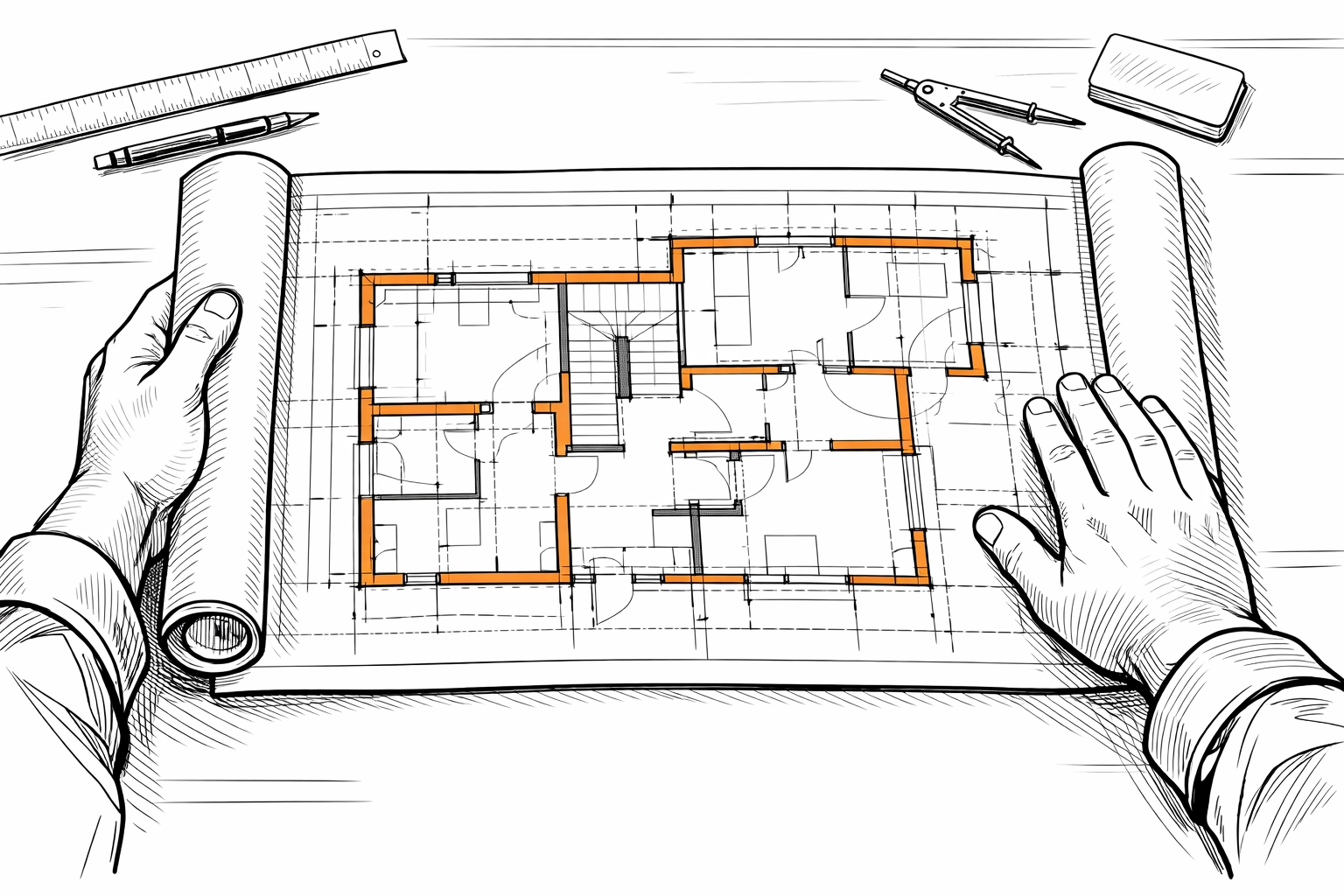
    Professional contractor reviewing blueprints to ensure proper preparation for a construction project.

    What General Contractor Liability Insurance Actually Does

    To understand why it is so essential, we need to look at what it actually protects. I think there is a common misconception that liability insurance is a safety net for “bad work.” It isn’t. It’s a safety net for accidents.

    Specifically, General Contractor Liability Insurance typically covers three main areas:

    1. Third-Party Bodily Injury: If a delivery driver trips over a stray cable on your site and breaks their arm, your policy handles the medical bills and the potential legal claim.
    2. Property Damage: If you are working on a renovation and a spark from a grinder starts a small fire that damages the client’s flooring or walls, the policy covers the repairs.
    3. Legal Defense Costs: This is perhaps the most underrated aspect of the coverage. Even if you did nothing wrong, being sued is expensive. The cost of a solicitor to prove you weren’t negligent can be enough to bankrupt a small firm. Your insurance pays for that defense.

    I often tell my clients that you aren’t just buying a policy to pay for damages; you are buying it to protect your cash flow. One major claim can wipe out three years of profit in an afternoon. By offloading that risk to an insurer, you are ensuring that your business can survive a bad day.

    The Limitations: What It Won’t Cover

    I think it’s equally important to be honest about what this insurance doesn’t do. I’ve seen contractors get frustrated when a claim is denied because they didn’t understand the boundaries of their coverage.

    General liability is not a “catch-all.” It usually does not cover:

    • Faulty Workmanship: If you install a roof and it leaks because you did a poor job, liability insurance usually won’t pay to fix the roof. That is considered a business risk, not an “accident.”
    • Your Own Tools and Equipment: If your van is broken into or your digger is stolen, you need a different type of coverage, often found in a Commercial Combined Business Insurance policy.
    • Employee Injuries: In the UK, if you have anyone working for you, even on a casual basis, you are legally required to have Employers’ Liability insurance. This is separate from your general liability.

    Understanding these gaps is crucial. I’ve seen businesses think they are fully protected only to realize they have left their most expensive assets, their tools and their staff, vulnerable.

    Protective umbrella over a renovation project representing contractor liability insurance safety.

    The “London, Essex, and Kent” Factor

    Location matters more than most people think. Working as a contractor in a dense urban environment like London presents entirely different risks than working in a rural setting. If you are looking for Business Insurance London, you have to account for higher foot traffic, closer proximity to neighbouring properties, and higher rebuild costs. The same applies if you are working across Essex and Kent, where site access, property values, and local expectations can still vary from one job to the next.

    I’ve seen how local knowledge can be a lifesaver. A broker who understands the specific risks of working in Essex, Kent, or the City will ensure your limits aren’t just “standard,” but “sufficient.” A £1 million limit might sound like a lot of money, but if you are working on a high-end commercial property in London, that amount can be swallowed up remarkably quickly by a single property damage claim.

    Why Clients Demand Proof (And You Should Too)

    If you are a general contractor who subcontracts work out to others, the importance of liability insurance doubles. I always advise my clients to never let a sub-bie on-site without seeing their certificate of insurance.

    If your subcontractor causes a massive flood and they don’t have insurance, the client is going to look at the person who hired them: you. Without your own robust General Contractor Liability Insurance, you are essentially standing in the gap, personally responsible for the mistakes of others.

    Having this insurance isn’t just about your own peace of mind; it’s about professional credibility. When you can present a valid insurance certificate during a pitch, it sends a message to the client that you are a legitimate professional who takes their responsibilities seriously. It builds trust, and in the construction world, trust is the currency that leads to referrals and repeat business.

    Construction crane in front of London skyscrapers illustrating specialized business insurance needs.

    Is the Cost Worth It?

    I often hear the argument that insurance is “dead money”, money spent that you hope you never use. I prefer to look at it as an investment in business continuity.

    The cost of a policy is a fraction of the potential loss. When you weigh the monthly premium against the cost of a £50,000 property damage claim or a £250,000 personal injury lawsuit, the math becomes very simple.

    Moreover, many insurers now offer tailored packages for specific niches. Whether you need General Tradesmen Liability Insurance for smaller jobs or a more comprehensive General Contractor Liability Insurance policy for larger projects, the market is competitive enough that you can usually find a price that fits your budget.

    Practical Next Steps

    So, do you really need it? If you want to grow, if you want to work on commercial sites, and if you want to sleep soundly at night knowing one mistake won’t end your career, then yes, you need it.

    Going forward, I recommend a few practical steps for any contractor currently weighing their options:

    1. Check Your Current Contracts: Look at the insurance requirements in your existing or upcoming tenders. Are you actually compliant?
    2. Evaluate Your Limits: Don’t just settle for the cheapest minimum. Consider the value of the properties you are working on and the potential risks involved.
    3. Consult a Specialist: Don’t rely on generic “off-the-shelf” policies. Speak to an Insurance Brokerage that understands the construction sector. They can help you identify specific risks you might have overlooked, such as “hot work” exclusions or height restrictions.
    4. Review Annually: As your business grows and you take on bigger projects, your insurance needs will change. Make it a habit to review your coverage every year.

    Contractor and client shaking hands to demonstrate trust and professional contract credibility.

    At the end of the day, insurance is about more than just paperwork. It’s about the resilience of the industry. When we all operate with the correct protections in place, we create a safer, more professional environment for everyone: from the apprentice on their first day to the client who is trusting us with their investment.

    If you are unsure where to start or if your current policy is actually doing its job, I think it is always worth having a conversation with a professional. It’s better to find out you have a gap in your coverage now, while you are sitting in your office, than when you are standing in a flooded basement with a very unhappy client.

  • Business Insurance London: Why Local Knowledge is Your Best Defense

    [HERO] Business Insurance London: Why Local Knowledge is Your Best Defense

    If you’ve spent more than five minutes trying to navigate a van through the backstreets of Shoreditch or attempting to get a permit for a skip in the City of Westminster, you already know that London doesn’t play by the same rules as the rest of the UK. It is a sprawling, chaotic, and brilliant ecosystem that operates on its own frequency.

    When it comes to Business Insurance London, many business owners make the mistake of thinking a policy is a policy. They jump on a price comparison site, find a national provider with a catchy jingle, and assume they’re covered. But here’s the reality I see every day: London-based risks are as unique as a Tube map, and if your broker doesn’t know the difference between a basement excavation in Chelsea and a shopfront in Hackney, you’re likely walking into a coverage gap the size of the Thames.

    In this industry, we often talk about “local knowledge” as a nice-to-have. I think that’s a dangerous understatement. In a city where local authority requirements can change from one street corner to the next, local knowledge isn’t just a bonus, it’s your best line of defense.

    The Borough Butterfly Effect: Why Location is Everything

    In most parts of the country, “location” means your postcode affects your premium. In London, location dictates your entire risk profile. Each of the 32 boroughs (plus the City) has its own set of quirks, bylaws, and enforcement priorities.

    For instance, if you are running a restaurant or cafe, the requirements for waste management and pavement seating in Camden are worlds apart from those in Bromley. If your insurance doesn’t account for specific local authority requirements regarding public liability or property damage in high-density areas, you could find yourself facing a claim that your “one-size-fits-all” policy won’t touch.

    I’ve seen cases where businesses were hit with massive fines because their public liability didn’t specifically meet the indemnification levels required by a particular London council for a street license. A local broker knows these thresholds before you even ask.


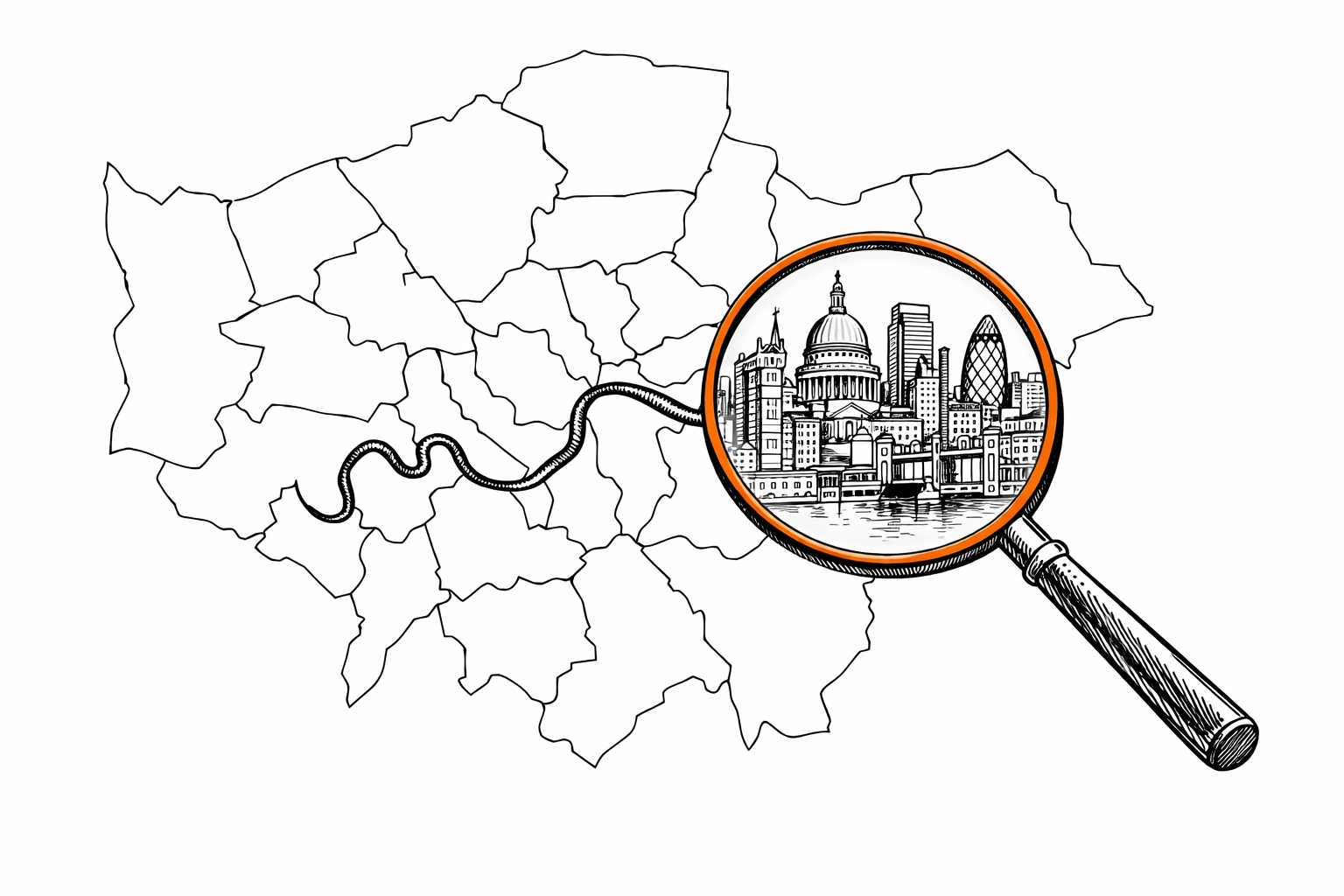
    Sketch of London boroughs with a magnifying glass highlighting local insurance risks and requirements.
    Visual: A minimalist black-and-white sketch of a London skyline with a single orange-accented magnifying glass hovering over a specific borough.

    The Construction Conundrum: Subterranean and Shared Risks

    If you’re in the trades, you know that London is basically one giant construction site. But it’s a complicated one. We have some of the oldest infrastructure in the world sitting right next to glass-and-steel skyscrapers.

    For those seeking general contractor liability insurance, local knowledge is critical when dealing with “Party Wall” agreements and deep excavations. If you’re working on a basement conversion in Kensington, the risk of “subsidence, heave, and landslip” isn’t just a box to tick, it’s a live wire.

    A national call-center broker sitting in a business park three hundred miles away might not appreciate the proximity of your site to a Victorian sewer line or a London Underground tunnel. I’ve seen policies issued that exclude “vibration or removal of support”, which is essentially like buying a raincoat that isn’t waterproof if you’re doing heavy groundworks in the City. You need someone who can look at a site plan and say, “Wait, the insurer needs to know about the depth of those piles.”

    The “London Ecosystem” Advantage

    London is the global capital of insurance. We have the highest concentration of insurance talent on the planet right here in the Square Mile. Being a local insurance brokerage means we aren’t just reading off a screen; we are part of a community.

    I think people underestimate the power of a relationship. When we talk to underwriters at Lloyd’s or local regional hubs, we aren’t just a voice on the phone. We understand the specific socio-economic context of the city. We know which insurers have an appetite for retail shop business insurance in high-footfall areas like Oxford Street versus those who prefer the suburban sprawl of the outer boroughs.

    This ecosystem also means faster response times. If you have a major incident, say, a fire in a commercial kitchen or a significant break-in, a local broker can often get a loss adjuster on-site faster because they have those local contacts ready to go. In business, especially in London, time is money. Every hour your doors are closed is an hour of lost revenue that you might never claw back.

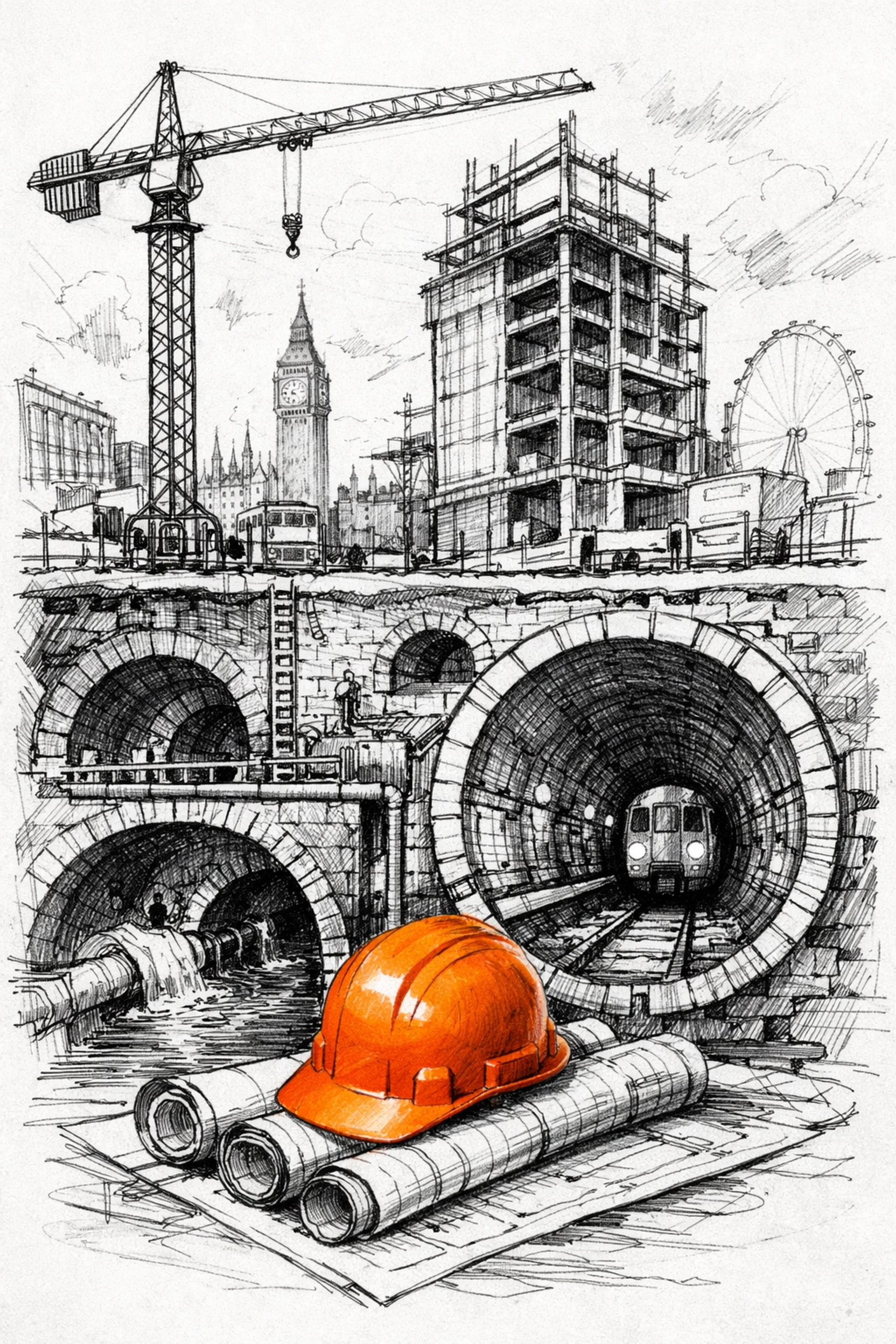
    Sketch of a London construction site showing underground risks like sewers and Tube tunnels.
    Visual: A B&W sketch of two professionals shaking hands outside a traditional London office building, with orange light reflecting off the windows.

    Navigating the Regulatory Maze (and TFL)

    Let’s talk about Transport for London (TFL). If your business involves a fleet or even just a few vans, the ULEZ (Ultra Low Emission Zone) and other traffic management schemes add a layer of complexity to your operational risk.

    Local knowledge means understanding how these logistical hurdles affect your business’s ability to operate. For a cleaning company, the risk isn’t just “slipping on a wet floor”; it’s the liability associated with moving equipment through congested pedestrian zones or managing staff across multiple high-security London sites.

    Furthermore, the legal landscape in London is intense. Property owners and commercial landlords face unique challenges regarding “Right to Light” claims or complex leasehold requirements that aren’t as prevalent in less densely populated areas. If your broker doesn’t ask about these things, are they really protecting you?

    Why “Professional but Witty” Matters in a Crisis

    You might wonder why I emphasize a “witty” or casual tone in an industry as serious as insurance. It’s because insurance is fundamentally about people and trust. When things go wrong, you don’t want to talk to a robot or someone reading a script. You want a practitioner who can level with you, maybe share a grimace about the latest council red tape, and then tell you exactly how they’re going to fix it.

    I’ve always felt that the best defense is a proactive one. It’s about spotting the “what ifs” before they become “oh nos.” For instance, if you are an estate agent, your risks are shifting. With the rise of digital viewings and the complex London rental market, your Professional Indemnity needs to be watertight. We see the claims trends in the city before they hit the national headlines. We see the specific types of fraud or liability disputes that are trending in the London courts, and we adjust your “defense” accordingly.

    Professionals shaking hands against the London skyline, representing a local insurance broker partnership.
    Visual: An orange umbrella standing out against a B&W sketch of a crowded, rainy London street.

    Claims Resolution: The Local Edge

    The true value of Business Insurance London isn’t the certificate you hang on the wall: it’s what happens when you need to make a claim.

    When a claim is handled locally, the adjusters and insurers are familiar with the “social-economic and legal context” of the region. They know the cost of labor in London (which, let’s face it, is higher than elsewhere). They know the difficulty of getting parts or materials delivered to a restricted-access site in the West End.

    If your claim is being handled by a firm that doesn’t understand the “London Premium” on repairs and business interruption, you might find your settlement offer falls short of the actual cost to get back on your feet. We advocate for our clients by speaking the same language as the local adjusters. We don’t need things “translated” into London terms; we’re already speaking it.

    Final Thoughts: Don’t Leave Your Defense to Chance

    Going forward, the London business landscape is only going to get more complex. Whether it’s new environmental regulations, shifting work patterns in the City, or the ever-evolving threat of cyber-attacks on urban infrastructure, the “old way” of buying insurance simply won’t cut it.

    I think it’s time business owners stopped looking at insurance as a commodity and started looking at it as a strategic partnership. You wouldn’t hire a lawyer who doesn’t know the local court system, so why hire an insurance broker who doesn’t know the local risks?

    At Moyak Insurance Services, we pride ourselves on being practitioners. We’re in the trenches with you. We know the boroughs, we know the insurers, and most importantly, we know how to build a defense that actually holds up when the London weather: metaphorically or literally: turns sour.

    If you’re wondering if your current cover is truly “London-proof,” maybe it’s time for a chat. No scripts, no jargon, just a practical look at what you’re protecting and how we can do it better.

    Next Steps for London Business Owners:

    1. Audit your location-specific risks: Does your policy mention your borough’s specific requirements?
    2. Check your liability limits: Are they high enough for the high-value environments of the City or West End?
    3. Talk to a local: Get in touch with us to see the difference local knowledge makes.


  • 7 Mistakes You’re Making with General Contractor Liability Insurance (and How to Fix Them)

    [HERO] 7 Mistakes You're Making with General Contractor Liability Insurance (and How to Fix Them)

    Walking onto a construction site in 2026 feels a lot different than it did even five years ago. The regulations are tighter, the materials are more expensive, and the legal landscape: especially after the recent updates to the Building Safety Act: is significantly more complex. In my time working with contractors across London and Essex, I’ve noticed a recurring theme: insurance is often treated like a tax or an annoying box that needs ticking before you can get through the site gates.

    But here is the reality I see every day: General Contractor Liability Insurance isn’t just a piece of paper for the site manager. It is your ultimate strategic defense. If you get it wrong, you aren’t just risking a fine; you are risking the entire future of the company you’ve worked years to build. I often talk to directors who are shocked when a claim is denied, but usually, the seeds of that denial were sown months or years earlier when the policy was first set up.

    In this guide, I want to walk through the seven most common mistakes I see contractors making and, more importantly, how you can fix them before they turn into a crisis.

    Mistake 1: Treating Insurance as a Box-Ticking Exercise

    The most common mistake is the “compliance mindset.” A contractor gets a contract, sees they need Public Liability, calls a broker, and asks for “the cheapest thing that meets the minimum requirement.”

    I understand the impulse to save on overheads, but this approach ignores the fact that your business is unique. A contractor doing high-end residential refits in Chelsea has a completely different risk profile than someone doing groundworks in Basildon. When you buy insurance just to tick a box, you often end up with a policy full of exclusions that make it effectively useless when a real accident happens.

    The Fix: Start seeing your insurance as a bespoke suit rather than a “one size fits all” hi-vis vest. Sit down and actually look at the specific risks of your upcoming projects. Are you working at height? Are you using heat? If your policy doesn’t specifically reflect your actual work activities, the “box” you ticked might actually be empty.

    Mistake 2: Forgetting about ‘Completed Operations’

    I’ve seen this happen too many times: a project is handed over, the client is happy, and the contractor moves on to the next job. Six months later, a pipe bursts or a structural element fails, causing massive property damage. The contractor thinks, “It’s fine, I have General Contractor Liability Insurance.”

    But here is the catch: if your policy doesn’t properly include “Products and Completed Operations” coverage, you might only be covered for things that happen while you are on-site. Once you pack up your tools and hand over the keys, your liability doesn’t vanish. In fact, many of the most expensive claims in the industry happen post-handover.

    The Fix: Check your policy for “Completed Operations” wording. Ensure that the coverage extends well beyond the practical completion date. In the construction world, the “long tail” of liability is where the real danger lies.


    Architectural sketch highlighting hidden structural risks covered by completed operations insurance.
    Visual: A B&W sketch of a finished building with a small orange highlight on a structural joint, representing hidden post-handover risks.

    Mistake 3: Sticking with Outdated Indemnity Limits

    Ten years ago, a £1 million Public Liability limit was the standard. Today, I think that is dangerously low for almost any general contractor. With the rising cost of materials, legal fees, and the sheer value of property in areas like London, a single major fire or structural collapse can easily blow past a £1 million or even a £2 million limit.

    In fact, many local authorities and Tier 1 contractors now won’t even let you on-site without a £5 million or £10 million limit. Keeping an outdated limit because “that’s what we’ve always had” is a recipe for bankruptcy if a catastrophic event occurs.

    The Fix: Review your limits annually. If you are growing, your insurance needs to grow with you. For many firms, moving toward a commercial combined insurance policy can provide a more robust umbrella of protection that scales with your contract values.

    Mistake 4: Falling into the ‘Subcontractor Trap’

    This is perhaps the biggest gap I see in the UK market right now. As a general contractor, you are ultimately responsible for the site. Many directors assume that because their subcontractors have their own insurance, the main firm is protected.

    But what happens if a subcontractor’s policy has lapsed? Or if their limit is too low? Or if their insurance company goes bust? If something goes wrong, the claimant is going to sue the person with the deepest pockets: and that is usually you. Without the right “contingent liability” or “Vicarious Liability” clauses, you could be left holding the bill for someone else’s mistake.

    The Fix: You must have a rigid process for collecting and verifying Certificates of Insurance (COIs) from every single subbie before they set foot on site. Furthermore, you should ensure your own policy accounts for the use of bona-fide subcontractors. Whether you’re hiring a specialist team for cleaning company insurance related tasks or heavy structural engineers, their risk is your risk.

    Mistake 5: Occurrence vs. Claims-Made Policies

    This is a technical point, but it’s one where I see a lot of confusion. Construction risks are best handled by “Occurrence” based policies. This means that as long as the policy was active when the incident happened, you are covered: even if the claim is made years later.

    Some cheaper policies are written on a “Claims-Made” basis, meaning the policy must be active both when the event happened and when the claim is filed. If you retire or change insurers and don’t buy a “tail,” you could find yourself completely uninsured for past work.

    The Fix: Always aim for an “Occurrence” form for your General Contractor Liability Insurance. It provides much better long-term peace of mind in an industry where defects might not appear for years.

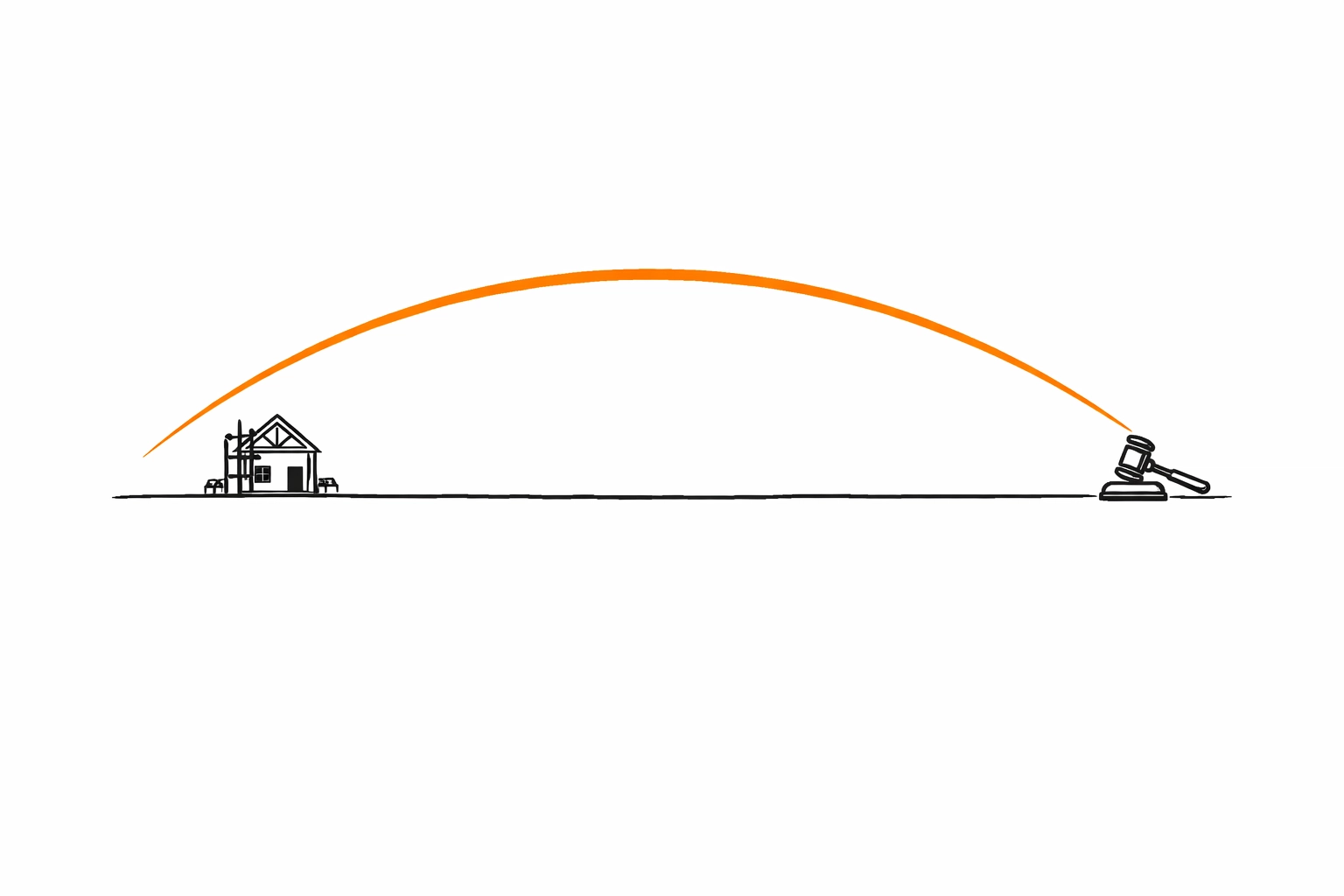
    Timeline illustrating long-term occurrence based general contractor liability insurance coverage.
    Visual: A B&W sketch of a timeline showing a “work completed” point and a “claim filed” point, with orange accents highlighting the gap between them.

    Mistake 6: Assuming Coverage for Tools, Workmanship, and Advice

    There is a common misconception that “Liability Insurance” covers everything that goes wrong. It doesn’t. Standard liability insurance covers damage to third-party property or injury to people. It generally does not cover:

    • The cost of fixing your own faulty workmanship.
    • Your own tools and equipment if they are stolen or damaged.
    • Professional advice or design errors (which requires Professional Indemnity).

    I’ve had contractors call me heart-broken because their expensive plant was stolen from a site, only to find they never added tools and equipment cover to their schedule.

    The Fix: Realize that General Liability is just one piece of the puzzle. If you provide design input or “design and build” services, you need Professional Indemnity. If you have £50k worth of kit in the van, you need specific plant and tool cover. Don’t assume; ask.

    Mistake 7: Neglecting the Documentation Trail

    Insurance is a contract of “utmost good faith,” but when a claim hits the fan, it becomes a contract of “utmost evidence.” I’ve seen perfectly valid claims get bogged down or rejected because the contractor couldn’t prove they followed safety protocols or couldn’t provide site photos from the day of the incident.

    In the modern era, “he said, she said” doesn’t stand up in court. If you can’t prove you weren’t negligent, the insurer’s job of defending you becomes ten times harder.

    The Fix: Digitalize your site logs. Take photos of every stage of the build, especially the bits that get covered up (like wiring and plumbing). Maintain a clear record of safety briefings and risk assessments. For more tips on managing your business records, you can check out some useful info on our resources page.

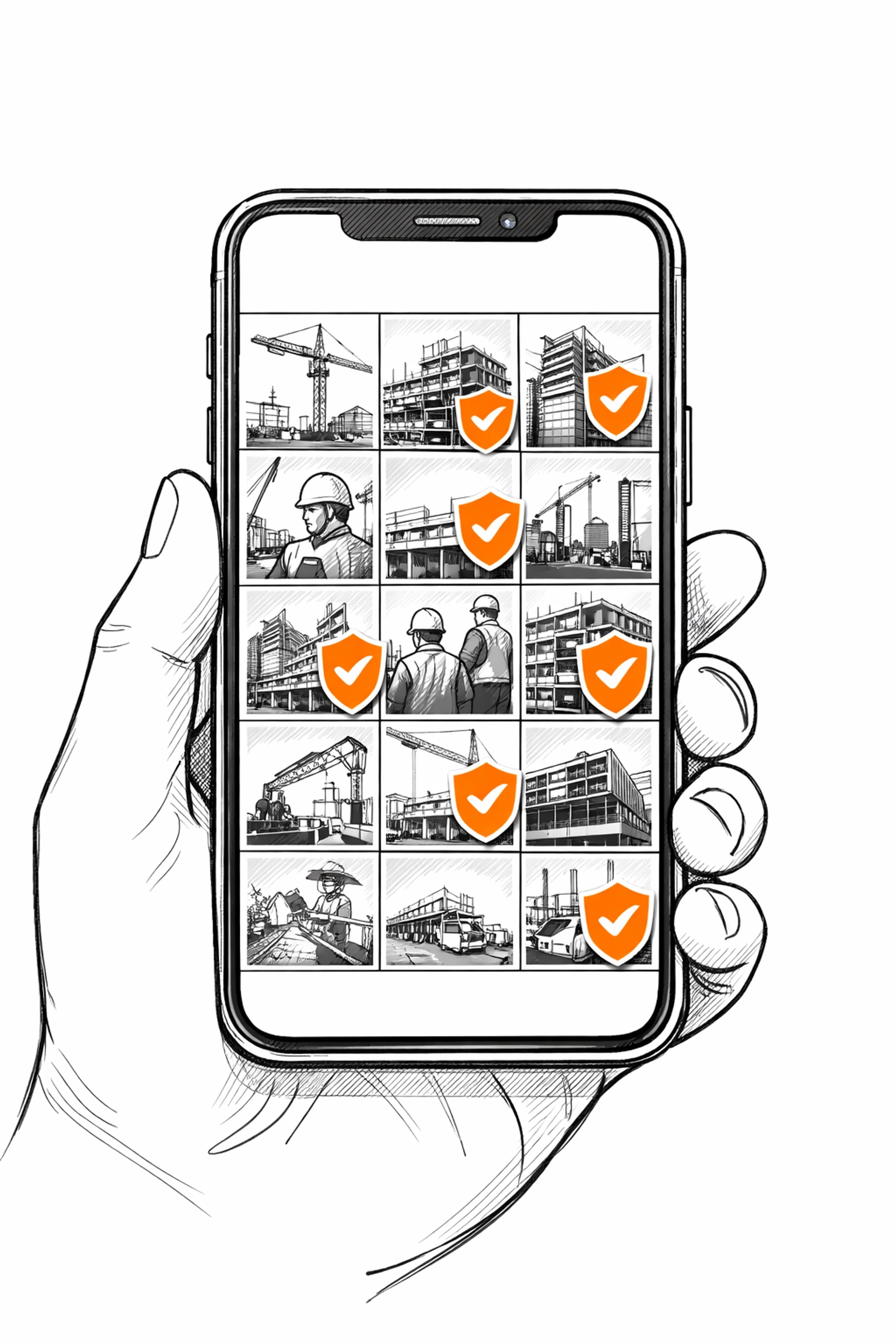
    Digital site photo gallery showing verified documentation for contractor liability insurance claims.
    Visual: A B&W sketch of a smartphone displaying a site photo gallery, with orange icons representing “saved” or “verified” status.

    Conclusion: Securing Your Future

    Going forward, the contractors who thrive will be the ones who treat risk management as a core part of their business strategy, not just an administrative burden. Mistakes in insurance aren’t just expensive; they are often avoidable with a bit of foresight and the right partnership.

    If you are unsure about your current coverage or if you’ve realized your limits might be a bit “2015,” now is the time to act. Don’t wait for a letter from a solicitor to find out your policy has a hole in it.

    At Moyak Insurance Services, we specialize in helping contractors navigate these exact pitfalls. Whether you’re looking for a comprehensive General Contractor Liability Insurance review or need to bundle your covers into a more efficient package, we’re here to help you build on solid ground.

    Next Steps:

    1. Pull out your current policy schedule.
    2. Check your indemnity limits against your largest contract.
    3. Verify your “Completed Operations” and subcontractor clauses.
    4. Reach out if something doesn’t look right.

    Your business is too important to leave to chance. Let’s make sure it’s protected properly.

  • Looking For Restaurant & Takeaway Business Insurance? Here Are 10 Things You Should Know

    [HERO] Looking For Restaurant & Takeaway Business Insurance? Here Are 10 Things You Should Know

    Running a food business is a balancing act. Whether you are managing a high-end bistro in London, a family-run café in Kent, or a busy fish and chip shop in Essex, your day-to-day is filled with variables. You have staff to manage, food safety standards to maintain, and a customer base that expects consistency.

    However, many business owners I speak with often treat insurance as an afterthought: a “box-ticking” exercise done once a year. In reality, the right restaurant business insurance or takeaway insurance is the only thing standing between a manageable mishap and a business-ending disaster. From my experience working within the industry, I have seen how a single misunderstood clause can lead to a rejected claim.

    If you are currently reviewing your coverage or starting a new venture, here are 10 essential things you need to know about protecting your hospitality business.

    1. Employers’ Liability Is Non-Negotiable

    If you employ anyone, even on a part-time or casual basis, Employers’ Liability insurance is a legal requirement in the UK. This isn’t just a recommendation; you can face significant daily fines from the Health and Safety Executive (HSE) if you don’t have it.

    In a kitchen environment, the risks are high. Burns, slips, and repetitive strain injuries are common. I often see owners assume that “trial shifts” or “cash-in-hand” cleaners don’t count, but the law sees it differently. If they are under your supervision, you need cover. Most policies offer a standard £10 million in cover, which might seem like a lot, but legal costs and long-term care settlements for serious injuries add up incredibly quickly.

    2. Public Liability: Beyond the “Slippery Floor”

    Most people associate Public Liability with a customer slipping on a wet floor. While that is a major part of it, for a restaurant or takeaway, it extends further. It covers you if a customer is injured or their property is damaged due to your business activities.

    For example, if a waiter spills hot coffee on a customer’s expensive laptop, or a heavy sign falls and hits a passerby, Public Liability is what keeps you from paying out of pocket. In the current climate, I recommend looking at a minimum of £2 million or £5 million in cover, especially if you have high footfall or are located in a busy urban area.

    3. The Specific Risks of Takeaway Delivery

    The rise of delivery apps has changed the landscape for takeaway insurance. If you employ your own drivers, you must ensure they have “Hire and Reward” insurance. A standard social, domestic, and pleasure motor policy will not cover them while they are delivering food.

    But delivery risk is not just about the vehicle. If you are sending food out the door, you should also think about Goods in Transit cover. This is what can help protect the items you are moving from A to B, including the food itself and small bits of kit that travel with it (heat bags, insulated boxes, drink carriers, and similar). Without it, you can end up absorbing the cost of remakes, refunds, and replacement equipment every time something gets damaged, stolen, or goes missing on the move.

    I’ve seen instances where an owner assumes the driver’s personal insurance is sufficient, only for a claim to be denied after an accident. And it’s not just the vehicle damage either, an accident can trigger a chain of liability issues, especially if someone gets injured or another road user’s property is damaged while your driver is working for you. If you use third-party platforms like Deliveroo or UberEats, you are often covered by their collective policies, but it is vital to check where their responsibility ends and yours begins, and whether your own policy needs to pick up the gaps.


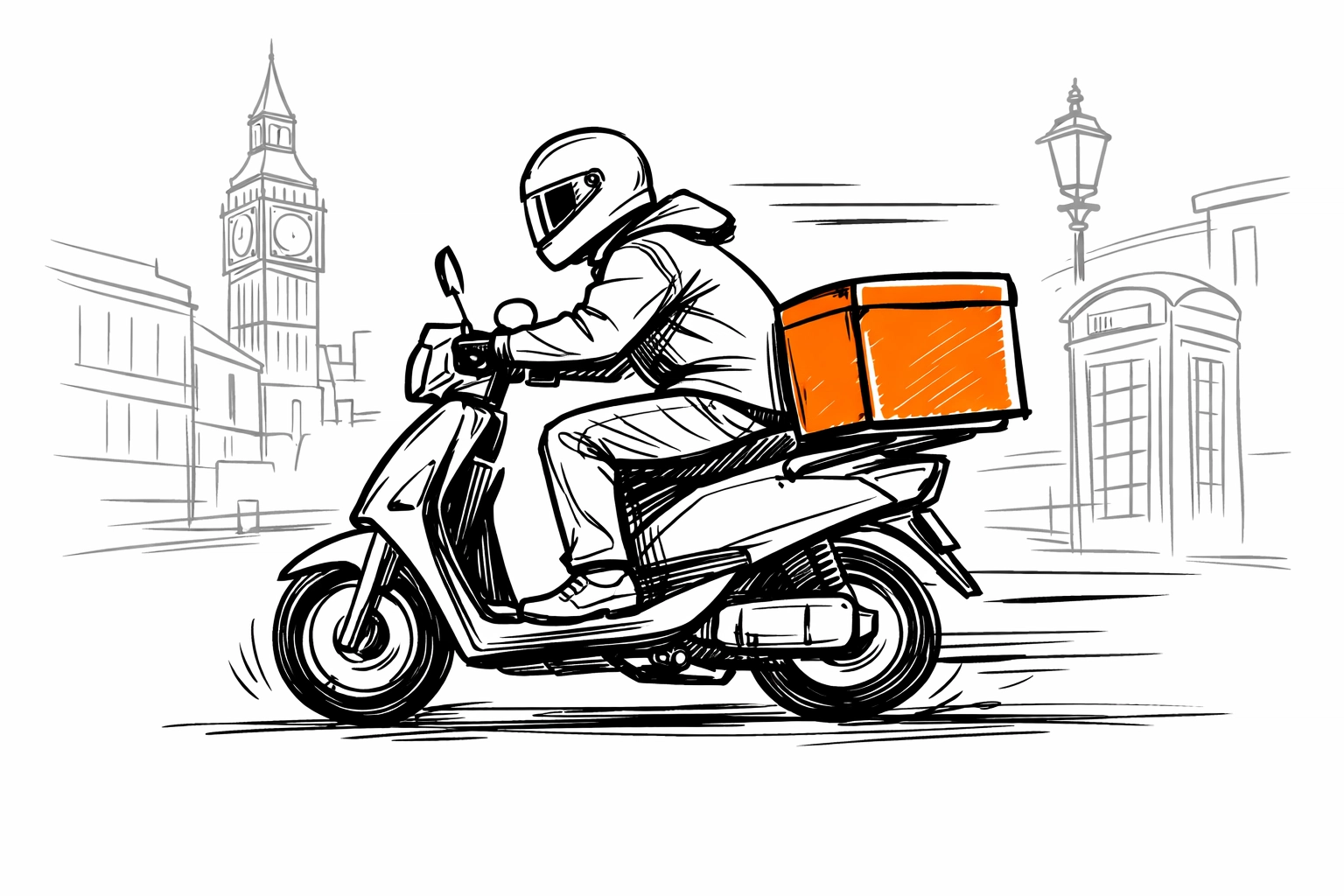
    Sketch of a takeaway delivery bike in London highlighting the importance of specialized delivery driver insurance cover.

    4. Product Liability and Food Poisoning Claims

    In the food industry, your “product” is what you serve. Product Liability insurance is typically bundled with Public Liability, but for restaurants and takeaways, it is the most critical component. It protects you if a customer becomes ill due to food poisoning or an undisclosed allergen.

    Even with the most rigorous HACCP (Hazard Analysis and Critical Control Point) plans, mistakes can happen. A supplier might provide contaminated ingredients, or a cross-contamination error might occur during a busy shift. Without specific cover, a single outbreak could lead to multiple legal claims that most small businesses simply cannot survive.

    5. Stock Cover and the “Spoilage” Clause

    Your stock is your capital. In a restaurant, that stock is perishable. Standard property insurance covers your stock against fire or theft, but you need to look specifically for “Deterioration of Stock” or “Spoilage” cover.

    Imagine a power cut in the middle of the night or a freezer motor failing over a bank holiday weekend. If you lose £5,000 worth of high-quality meat or fresh seafood, that is a direct hit to your bottom line. Going a step further, I always advise clients to look beyond refrigeration and think in terms of Equipment Breakdown for the critical items you rely on to trade, ovens, coffee machines, grills, extraction-related kit, and the bits that keep service moving.

    This is different from standard “accidental damage” in a lot of policies. Accidental damage is usually aimed at sudden external events (a spill, a drop, an impact). Equipment Breakdown is designed to respond to internal mechanical or electrical failure, the kind of fault that can stop you operating even though nothing obvious has been “damaged” from the outside. And when equipment goes down, it’s not just the repair bill, it can be the knock-on spoilage, cancelled bookings, and lost trading that hurts most. You can learn more about how these elements fit into a broader plan on our Restaurant & Cafe Insurance page.

    6. Business Interruption: Your Safety Net

    If your restaurant suffers a fire or a major flood, your property insurance will pay to fix the building and replace the ovens. But who pays the rent while you are closed for three months of repairs? How do you keep your key staff from finding other jobs?

    Business Interruption insurance covers the income you would have made during the period you are unable to trade. It is often the difference between a business reopening after a disaster and one that stays shuttered forever. When setting this up, make sure your “indemnity period” (the length of time the policy pays out) is long enough. Twelve months is standard, but in my view, 24 months is often safer given current delays in construction and equipment lead times.

    7. The Complexity of Late-Night Licenses

    If your establishment operates late into the night or holds a liquor license, your risk profile changes significantly in the eyes of an underwriter. Increased alcohol consumption often leads to a higher frequency of Public Liability claims involving altercations or accidents.

    If you have bouncers or door staff, you need to ensure they are either covered under your policy or that their third-party agency has robust insurance that names you. Failure to disclose late-opening hours to your broker can result in a voided policy. As an insurance broker in Essex, we frequently help venues navigate the specific requirements of local councils and licensing boards to ensure their cover remains valid 24/7.

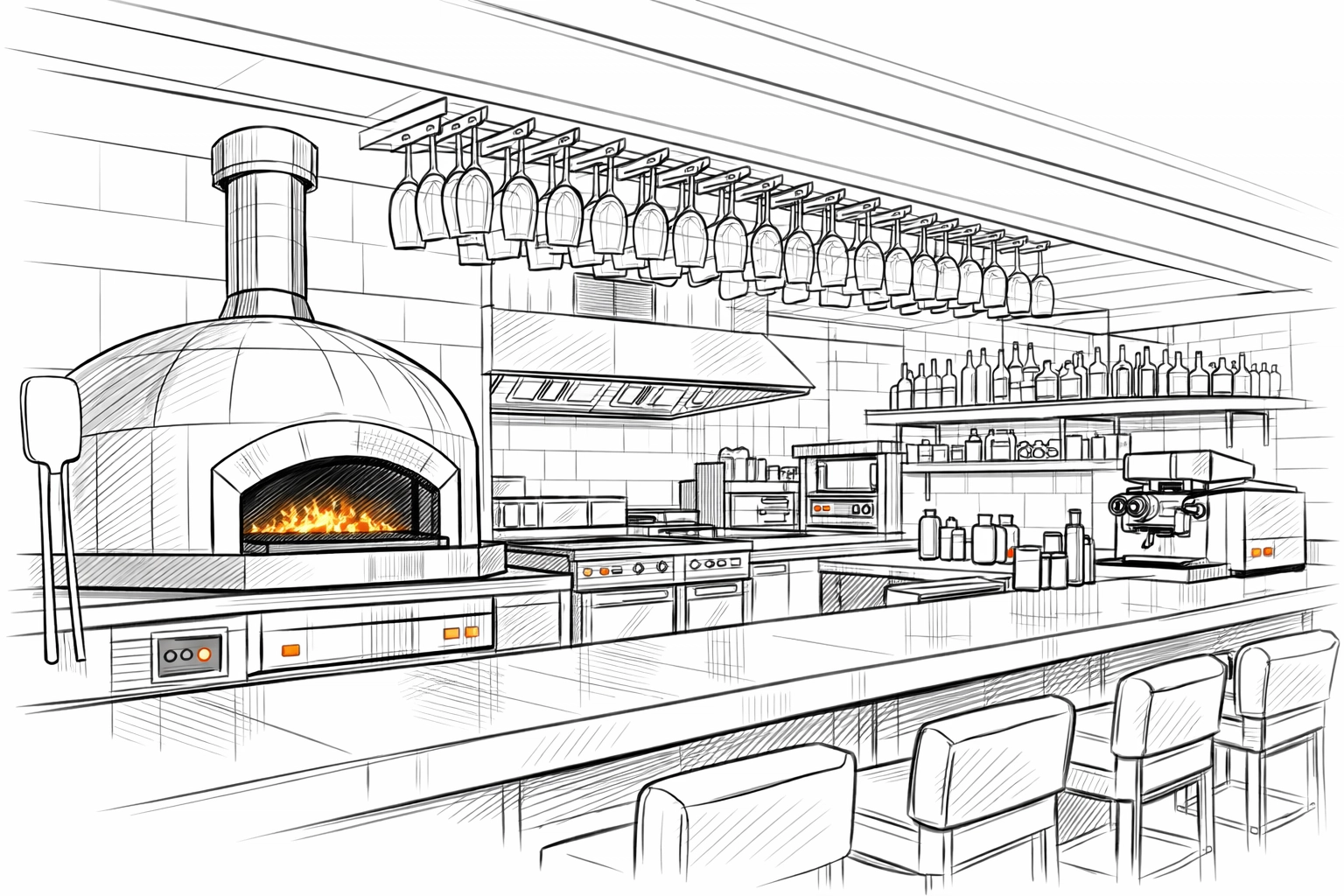
    Professional kitchen illustration showcasing equipment and fixtures covered by restaurant business insurance in Essex.

    8. Contents, Fixtures, and High-End Kitchen Equipment

    The cost of outfitting a professional kitchen has skyrocketed. From specialized pizza ovens to industrial-grade extraction systems, the value of your contents is likely higher than you think.

    I often find that business owners undervalue their “fixtures and fittings.” If you have spent £100,000 on a bespoke interior fit-out, your insurance needs to reflect that “new-for-old” replacement cost. If you are a tenant, you should also clarify whether you are responsible for the glass storefront or if that falls under the landlord’s building insurance. For many, a Combined Commercial Insurance policy is the most efficient way to wrap all these assets into one manageable plan.

    9. Cyber Risks in a Digital World

    It might seem strange for a takeaway to need cyber insurance, but think about how you operate. Do you take online bookings? Do you store customer data for a loyalty program? Do you use a cloud-based POS (Point of Sale) system?

    A cyber-attack that shuts down your ordering system on a Friday night is just as damaging as a broken oven. Furthermore, if customer data is breached, you face significant fines under GDPR. Cyber cover is becoming an increasingly essential part of modern takeaway insurance packages.

    10. Why a Local Broker Matters

    You can go to a comparison site and find a cheap policy in minutes. However, those “off-the-shelf” policies often have hidden exclusions that only surface when you try to claim.

    Working with a specialist insurance broker in Essex like Moyak Insurance Services gives you access to professional advice tailored to the local landscape. We understand the specific risks facing businesses in the South East, from London’s busy boroughs to the coastal towns of Kent. We don’t just sell you a policy; we help you understand the 7 mistakes you might be making with your current coverage.

    Moving Forward

    The hospitality industry is resilient, but it is also vulnerable to unforeseen events. Taking the time to properly structure your restaurant business insurance isn’t just about protection: it’s about peace of mind. It allows you to focus on the food and the service, knowing that the “what ifs” are handled.

    If you are unsure whether your current policy covers things like delivery drivers, seasonal stock increases, or business interruption, I strongly suggest a professional review. At Moyak Insurance Services, we pride ourselves on providing clear, straightforward advice to help your business thrive.

    Ready to protect your business?
    Whether you’re running a small takeaway or a large restaurant group, we are here to help. Explore our specialized Takeaway & Fast Food Insurance options or get in touch with our team today to discuss a bespoke plan for your venue. We serve clients across Essex, Kent, and London, ensuring your passion for food is backed by professional protection.

  • Why ‘Standard’ Liability Isn’t Enough for Cleaning Businesses

    [HERO] Why 'Standard' Liability Isn't Enough for Cleaning Businesses

    If you are running a cleaning business in Essex, London, or Kent, you likely already know that your reputation is your most valuable asset. Whether you are handling high-end residential contracts in Tunbridge Wells or managing office blocks in Canary Wharf, one mistake can ripple through your client base faster than you can say “bleach stain.”

    I have spent a lot of time talking to business owners who believe they are fully protected because they have a “Standard Public Liability” policy in place. It’s a box-ticking exercise for many: something they bought online in five minutes to satisfy a contract requirement. But I have also seen the look on a director’s face when a claim is rejected because of a small, technical exclusion that they didn’t even know existed.

    The truth is, “standard” liability insurance is often designed for general trades. It works well if you are a plumber who drops a wrench on a toe, but it frequently fails the unique, high-frequency risks that professional cleaners face every day. In this industry, the devil isn’t just in the detail of your cleaning: it’s in the fine print of your policy.

    The ‘Care, Custody, and Control’ Trap

    This is perhaps the single most common reason why cleaning insurance claims get rejected, and it’s something I think every business owner in our sector needs to understand clearly.

    Most standard Public Liability policies have a standard exclusion for “property in your care, custody, and control.” In plain English, this means the policy covers damage you cause to other things around the site, but it does not cover the specific item you were actually hired to work on.

    Imagine you are contracted to clean a high-value marble floor in an Essex office building. One of your team uses the wrong dilution of an acidic cleaner, and the surface is etched beyond repair. If you only have a basic liability policy, the insurer might cover the cost if your cleaner accidentally knocked over a vase while walking to the sink, but they could very well refuse to pay for the floor itself. Why? Because the floor was under your “care, custody, and control” at the time of the damage.

    For a specialized cleaning business, this is a massive gap. You are literally in the business of taking care of people’s property. If your insurance doesn’t cover the very thing you are touching, what exactly are you paying for? When we look at cleaning company business insurance, we ensure this specific exclusion is addressed. Going forward, you should check your policy schedule for an extension often called “Damage to Property Worked Upon.” Without it, you are effectively self-insuring your biggest risks.


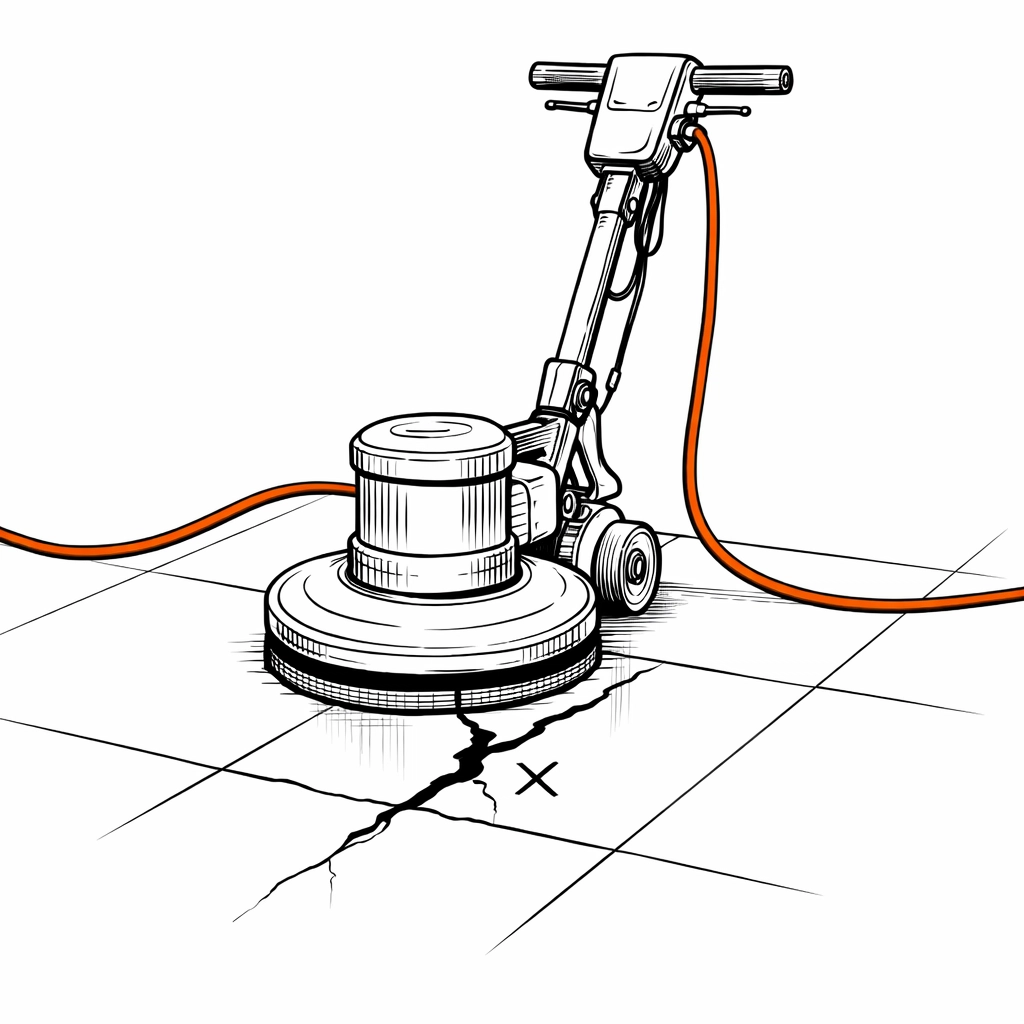
    Industrial floor polisher on a damaged tile showing cleaning insurance gaps for property under care and control.

    The Security Nightmare: Loss of Customer Keys

    If you operate across London and the South East, you are likely holding keys or fobs for dozens, if not hundreds, of properties. It’s a standard part of the job, especially for commercial contracts or “while-you-are-out” domestic services.

    But what happens if a set of keys goes missing? I’ve seen cases where a simple lost key resulted in a claim for over £5,000. It’s rarely the cost of the metal key itself that causes the problem; it’s the security implications. If that key was part of a master suite in a London apartment complex or a secure office facility, the management company might insist: rightfully so: that every single lock in the building be changed to maintain security integrity.

    A “standard” liability policy won’t touch this. They view it as a secondary loss or a professional error, not a direct “accidental damage” event. You need a specific “Loss of Keys” extension. This doesn’t just cover the locksmith’s bill; it covers the replacement of locks and the necessary security measures that follow.

    In Kent and Essex, where high-end residential developments are booming, the cost of re-keying a property with high-security locks can be eye-watering. I’ve noticed that many start-up cleaning firms overlook this entirely until they are staring at a bill that could wipe out their year’s profit. It’s a pitfall that is so easy to avoid with the right cleaning company business insurance-2 advice.

    Treatment Risk: The Specialist’s Burden

    If your business moves beyond general dusting and vacuuming into specialized services like carpet or upholstery cleaning, your risk profile changes significantly. This is where “Treatment Risk” comes into play.

    I remember a conversation with a contractor in London who was cleaning a bespoke velvet sofa. Despite following the label, the fabric reacted poorly to the moisture and “shrank” or suffered permanent dye migration. Under a standard policy, this is often excluded because it’s seen as a result of the “treatment” or process itself rather than an accident.

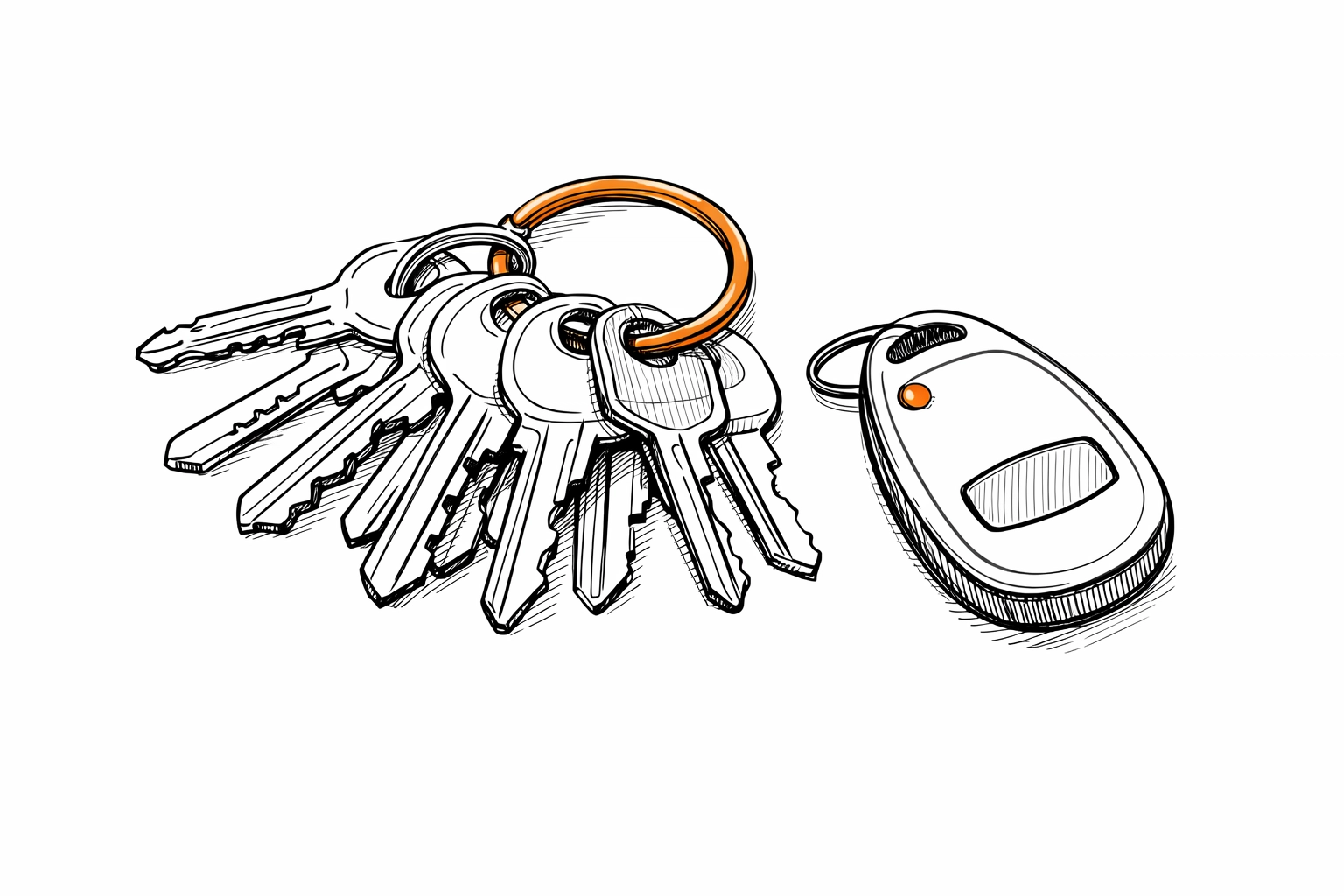
    Professional sketch of customer keys and a security fob, highlighting key loss protection for cleaning businesses.

    Standard liability is great for “sudden and accidental” events: like tripping over a cable. It is notoriously bad at covering “gradual” or “process-led” damage. If you are using chemicals, steam, or industrial machinery on delicate fabrics or surfaces, you need Treatment Risk cover. This ensures that if the cleaning process itself causes damage, you aren’t left holding the bag.

    Whether you are based in the heart of London or out in the Kent countryside, your clients expect a professional result. If something goes wrong, they won’t care about your insurance exclusions; they will simply want their property restored. Having the right coverage allows you to resolve these issues quickly and keep your reputation intact. You can find more about these specific protections on our useful information page.

    Public Liability vs. Specialized Cleaning Insurance

    So, why is there such a difference between an off-the-shelf policy and a tailored one? I think it comes down to how the insurance industry perceives “risk.”

    A general insurance provider wants to sell a policy that fits a thousand different businesses: from dog walkers to consultants. To keep the price low, they strip out the “niche” risks. Unfortunately for you, those “niche” risks (like loss of keys or damage to property worked upon) are actually your daily risks.

    A specialized cleaning insurance policy is built from the ground up with your industry in mind. It recognizes that:

    1. You are constantly handling third-party property.
    2. You are often working unsupervised on client premises.
    3. You use chemicals and equipment that carry inherent risks.
    4. You have a high degree of responsibility for site security.

    When you look at cleaning company business insurance-3, you should be looking for a package that bundles these extensions together. It’s also worth considering Employer’s Liability. Even if you use “self-employed” sub-contractors, the law often views them as employees if you provide their equipment and tell them when and where to work. I’ve seen many businesses in Essex and Kent fall foul of this distinction, leading to massive fines and uninsured injury claims.

    Upholstery cleaning equipment next to an armchair, illustrating treatment risk cover for specialist cleaning firms.

    A Pragmatic Approach for the London & South East Market

    The cleaning industry in our region is incredibly competitive. To win the best contracts: especially those with local authorities or major property developers: you need more than just a certificate that says “Public Liability.” You need to demonstrate that you understand your risks and have mitigated them.

    I often suggest that business owners take a “walk-through” of their typical day. Ask yourself: “If I ruined this specific item I’m cleaning right now, would I be covered?” or “If I lost my bag with all my client keys in it, what would happen tomorrow?” If the answer is “I don’t know” or “Probably not,” then your insurance isn’t doing its job.

    At Moyak Insurance Services, we don’t just sell policies; we look at the reality of your operations. Whether you need commercial combined business insurance for a large cleaning fleet or a simple tradesman policy for a solo operation, the goal is the same: making sure that a bad day at work doesn’t become the end of your business.

    Next Steps for Your Business

    Going forward, I recommend doing three things:

    1. Check your ‘Care, Custody, and Control’ clause: Call your broker or look at your policy wording. If it excludes property you are working on, you have a major gap.
    2. Verify your Key Cover limits: Is it enough to cover a full lock-change for your largest client site?
    3. Review your ‘Treatment Risk’ if you clean carpets or upholstery: Don’t assume it’s included just because you told the insurer you are a “cleaner.”

    The London, Essex, and Kent markets are unforgiving when it comes to professional mistakes. Taking the time to tailor your insurance isn’t just a cost: it’s a foundational part of your business strategy. If you aren’t sure where you stand, it’s always worth a conversation with someone who understands the nuances of the cleaning trade.

    You can reach out to us through our main site to discuss how to tighten up your protection and avoid these common industry pitfalls. Keeping your business clean shouldn’t just be about the work you do; it should be about how you protect your future, too.

  • 7 Mistakes You’re Making with Construction Contractor Insurance

    [HERO] 7 Mistakes You’re Making with Construction Contractor Insurance

    Alias: 7-mistakes-construction-contractor-insurance-essex-london
    Category: Blog
    Schedule: Tuesday, March 31st, 2026, 6:00 PM

    Running a construction business in the South East isn’t for the faint of heart. Whether you’re managing a residential build in Essex, a commercial renovation in Kent, or a high-stakes project in the heart of London, the pressure is constant. Between managing subbies, sourcing materials with fluctuating prices, and keeping the client happy, insurance often feels like just another bill to pay, a grudge purchase that stays at the bottom of the “to-do” list until a site manager asks for your certificate.

    In my time at Moyak Insurance Services, I’ve spoken to hundreds of contractors. I’ve seen the good, the bad, and the truly messy. I can tell you from experience that most contractors aren’t actually “covered” as well as they think they are. They have a policy, sure, but they’ve fallen into common traps that only become visible when a claim is filed and the insurer says “no.”

    As we look toward the week of April 6th, keep an eye on Sonny’s social media campaigns where we’ll be breaking these down further. For now, let’s look at the seven most common mistakes I see construction businesses making with their insurance.

    1. Falling into the ‘Tick-Box’ Trap

    This is arguably the most common mistake in the industry. A contractor gets a big contract in Romford or Canary Wharf, and the main contractor says, “We need to see £5 million Public Liability (PL).” The contractor goes online, finds the cheapest policy that ticks that box, and buys it.

    The problem? That “cheap” policy is often cheap for a reason. It might contain “heat exclusions” that mean you aren’t covered if you use a blowtorch. It might have a height limit that makes your work on a three-story house in Essex completely uninsured. Buying the cheapest policy just to get on site is like buying the cheapest boots you can find: they might look the part for five minutes, but they’ll fail you exactly when you need them to hold up. I think it’s vital to remember that a certificate of insurance is not the same thing as actual protection.

    2. Underinsuring Your Tools and Plant Equipment

    If you’ve spent any time on sites in London or Kent lately, you know that tool theft is an epidemic. I’ve seen guys lose ten years’ worth of specialized gear in a single night.

    A standard tradesman policy often has a default tool limit: sometimes as low as £500 or £1,000. For a professional contractor, that wouldn’t even cover the contents of one decent Hilti box. Furthermore, many policies have strict “overnight in vehicle” requirements. If you aren’t parking in a locked garage or haven’t installed specific types of alarms, your claim for stolen tools might be dead on arrival.


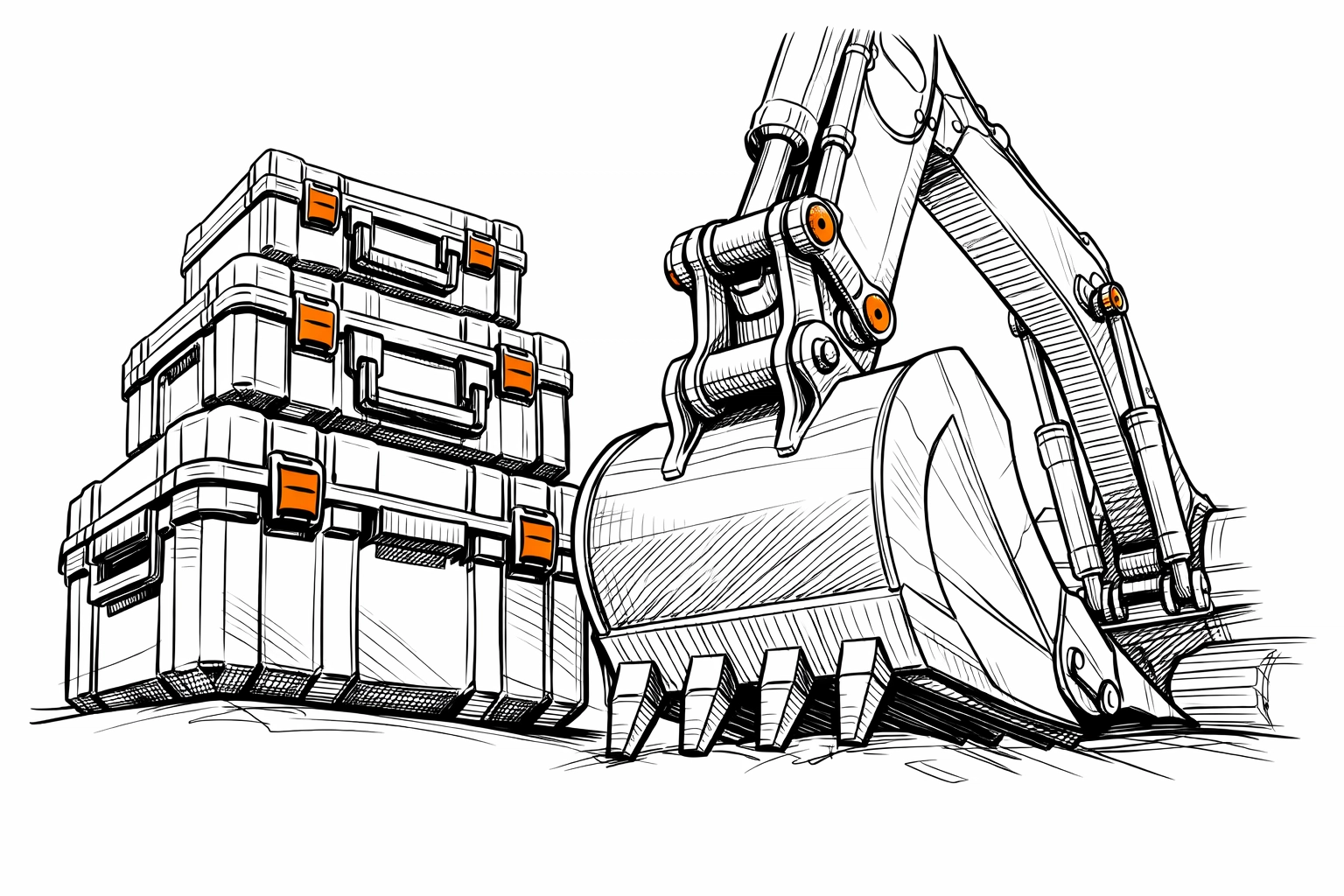
    Hand-drawn sketch of construction power tools and an excavator bucket representing equipment insurance for contractors.

    And then there’s the plant. If you’re hiring in diggers or scaffolding, are you insured for “hired-in plant”? If that kit gets damaged or stolen from your site in Chelmsford, the hire company is going to come after you for the full replacement cost, plus the “loss of hire” fees while they wait for a new one. That can easily run into the tens of thousands.

    3. Neglecting Contract Works Insurance

    Many contractors assume that if they have General Contractor Liability Insurance, they are covered for everything on site. This is a massive misconception.

    Public Liability covers you if you drop a brick on a passerby or flood a neighbour’s basement. It does not cover the work you are actually doing. If you are halfway through a £200,000 extension in Maidstone and a fire burns the whole thing down, PL won’t pay to rebuild it. That’s what Contract Works insurance is for. It covers the “work in progress,” the materials on-site, and the labour required to start over. Without it, one major incident can bankrupt a growing firm.

    4. The Professional Indemnity Gap

    There’s a growing trend in the London and Essex construction scene where contractors are taking on more “design and build” responsibility. Even if you aren’t a qualified architect, if you provide advice, suggest a change to a drawing, or specify a particular material that later fails, you are technically performing a design function.

    Standard liability policies specifically exclude professional errors. If your “advice” leads to a structural issue or a financial loss for the client, you need Professional Indemnity (PI) insurance. I’ve seen cases where a contractor suggested a different cladding material to save the client money; when that material failed to meet fire regs, the contractor was held liable. PI isn’t just for office workers; it’s essential for modern contractors.

    5. Misclassifying Employees and Subcontractors

    This is a technical area where I see a lot of confusion. In the UK, the distinction between a “Labour Only Sub-Contractor” (LOSC) and a “Bona-Fide Sub-Contractor” (BFSC) is huge for insurance purposes.

    • LOSC: They work under your direction, use your tools, and are essentially employees for the duration of the job. You must cover them under your Employers’ Liability insurance.
    • BFSC: They have their own insurance, provide their own tools, and work on a fixed price for a specific scope.

    If you tell your insurer you have no employees, but you’re actually using three LOSCs on a site in Dartford, your Employers’ Liability coverage (which is a legal requirement) might be invalid. Even worse, if a BFSC doesn’t actually have their own valid insurance, the liability often rolls back up to you. I always tell my clients: check your subbies’ certificates every single year. Don’t just take their word for it.

    Sketch of diverse construction workers illustrating proper employee and subcontractor classification for insurance.

    6. Ignoring the “Additional Insured” Requirements

    If you are working as a sub-contractor for a major firm in London, their legal department will often send over a list of requirements for your Certificate of Insurance (COI). This often includes things like “Waiver of Subrogation” or “Primary and Non-Contributory” language.

    I’ve seen contractors ignore these details, thinking it’s just legal jargon. However, research suggests that incorrect language on a COI costs an average of £8,500 per incident in legal wrangling. If you don’t have the right endorsements on your policy, you could be in breach of your contract before you even lay the first brick. We can help you navigate these general tradesmen liability insurance requirements to ensure your paperwork matches the contract.

    7. Failing to Update the Broker as the Business Grows

    I’ve had conversations with directors who started as a one-man band in Southend and, three years later, have a crew of ten and are taking on six-figure contracts. But they are still running on the same basic policy they bought when they started.

    Insurance is based on “disclosure.” If your turnover has tripled, or you’ve moved from residential painting into commercial roofing, your risk profile has changed completely. If you don’t tell your broker, you’re giving the insurer a “get out of jail free” card. I think it’s vital to have a catch-up at least once a year: not just at renewal: to make sure the policy actually reflects the business you are running today, not the one you were running three years ago.

    How to Get It Right

    The construction industry in our corner of the world is moving fast. The regulations are getting tighter, and the legal environment is getting more litigious. Going forward, “winging it” with your insurance is a strategy that will eventually fail.

    Here is my practical advice for any contractor in Essex, Kent, or London:

    1. Read your exclusions. Don’t just look at the limit. Look at what they won’t pay for.
    2. Audit your subbies. Make sure their insurance is actually live and covers the work they are doing for you.
    3. Value your kit properly. Walk through your van or stores and actually add up the replacement cost of your tools. You’ll be surprised.
    4. Talk to a specialist. At Moyak Insurance Services, we aren’t just selling a policy; we’re helping you build a safety net that actually holds.

    It’s about pragmatic realism. You want to be on-site doing the work, not sitting in a lawyer’s office debating an exclusion clause. Let’s make sure your insurance is as solid as the structures you build.

    If you’re worried about gaps in your current coverage or you’ve got a big project coming up in the South East, get in touch. We know the local landscape, and we know exactly what the main contractors are looking for.

    Construction site sketch with a protective shield symbol representing comprehensive contractor insurance coverage.

  • Combined Commercial Insurance Explained in Under 3 Minutes

    [HERO] Combined Commercial Insurance Explained in Under 3 Minutes

    If you are running a business in London, Essex, or Kent, I probably don’t need to tell you that your to-do list is already too long. Between managing staff, keeping clients happy, and trying to stay ahead of the competition, the last thing you want to do is spend your weekend sorting through five different insurance folders.

    I’ve seen it happen time and again: a business owner starts out with one small policy, then they hire an employee and get another, then they move into a warehouse and get a third. Before they know it, they are tracking three different renewal dates, dealing with three different insurers, and, worst of all, paying three different sets of admin fees.

    This is where combined commercial insurance comes into play. It’s the “all-in-one” solution that many of my clients in the South East are switching to, and frankly, I think it’s one of the smartest moves a growing business can make.

    In this guide, I’m going to break down exactly what it is and why it matters, and I’ll do it in less time than it takes for you to finish your coffee.

    What Exactly Is Combined Commercial Insurance?

    At its core, combined commercial insurance is a single, comprehensive policy that bundles several different types of business cover together. Instead of having a separate policy for your premises, another for your staff, and another for your equipment, everything is wrapped up in one package.

    I often describe it to clients as a “protection buffet.” You don’t have to take everything on the menu, but you can pick and choose the exact covers that fit your specific industry needs. Whether you are running a high-end restaurant in London or a cleaning company in Kent, the policy is built to mirror your actual risks.


    Sketch of an umbrella sheltering business icons, representing all-in-one combined commercial insurance coverage.

    The Core Components: What’s Inside the Box?

    While every policy is different, a standard combined commercial insurance package usually includes a few “must-haves.” From my experience, these are the pillars that keep most businesses safe:

    1. Public and Product Liability

    This is the big one. If a customer slips on a wet floor or a product you sell causes an injury, this cover handles the legal fees and compensation. In a busy city environment, this isn’t just a “nice-to-have”, it’s a survival tool.

    2. Employers’ Liability

    If you have staff, even just one part-time person, this is usually a legal requirement in the UK. It covers you if an employee falls ill or gets injured while working for you. I’ve seen businesses get hit with massive fines just for forgetting this one, so having it bundled in your combined policy ensures it never slips through the cracks.

    3. Property Damage and Stock

    This protects your “stuff.” Whether it’s your office building, your machinery, or the stock you have sitting in a warehouse, this cover handles losses from fire, flood, or theft. For our clients in the retail sector, this is often the most critical part of their retail shop business insurance.

    4. Business Interruption

    I think this is the most underrated part of any insurance policy. If your business has to close for three months because of a fire, how do you pay the bills? Business interruption replaces that lost income, helping you stay afloat while you get back on your feet.

    5. Goods in Transit and Money

    If you’re moving stock across Essex or Kent, or if you keep cash on the premises (like in a takeaway or fast-food business), you can add specific cover for these risks too.

    Interlocking puzzle pieces with icons for liability and property damage in a combined commercial insurance policy.

    Why Is “Combined” Often Better Than “Separate”?

    You might be wondering, “Why bother combining them? Can’t I just keep my separate policies?” You could, but here is why I think that’s a mistake for most modern businesses.

    One Renewal, One Premium

    The administrative burden of insurance is real. When you have multiple policies, you have multiple renewal dates. I’ve spoken to business owners who missed a renewal because they thought it was the “other” policy that was due. With combined commercial insurance, you have one date to remember and one premium to pay. It’s simple, and simple is usually better.

    Cost-Effectiveness

    In almost every case, bundling your insurance is cheaper than buying individual policies. Insurers like “bulk” business. When you place all your risks with one provider, they are often willing to offer a significant discount compared to if you bought those same covers separately. It’s the same logic as buying in bulk for your business, it just makes financial sense.

    No Gaps in Cover

    This is the professional’s perspective that many people overlook. When you have different policies with different insurers, you can end up with “gaps.” Insurer A might think a certain risk is covered by Insurer B, while Insurer B thinks it’s Insurer A’s job. When you have a combined policy, that ambiguity disappears. You know exactly where you stand.

    Balance scale comparing cluttered separate policies with one efficient combined commercial insurance folder.

    Who Needs This Type of Cover?

    While almost any business can benefit, I’ve found that combined commercial insurance is a game-changer for specific sectors:

    • Contractors and Trades: If you’re a general contractor or a tradesman, your risks change from site to site. A combined policy gives you the flexibility to handle liability and tool cover in one place.
    • Cleaning Companies: Whether you do domestic or commercial cleaning, having a cleaning company business insurance package that includes liability and equipment cover is essential.
    • Property Owners: If you manage a portfolio in London or Kent, commercial landlord insurance combined with property owner liability is much easier to manage.
    • Hospitality: From pubs and clubs to hotels and B&Bs, the mix of public liability, buildings cover, and stock (alcohol/food) makes a combined policy the only logical choice.

    How Moyak Insurance Services Handles the Heavy Lifting

    I know that even a “3-minute guide” can feel like a lot when you’re busy. That’s exactly why we exist. At Moyak Insurance Services, we don’t just give you a quote and walk away. We act as your partner.

    I see my role as the person who does the “boring stuff” so you don’t have to. We take the time to understand your specific business operations in the Essex and London areas. We then head out to the market, compare the top providers, and build a combined commercial insurance policy that fits you like a glove.

    We look for the best price, sure, but we also look for the best value. There is no point in having a cheap policy if it doesn’t pay out when you need it most.

    Compass and map over London and Essex skylines, symbolizing expert guidance for combined commercial insurance.

    Final Thoughts: Your Next Steps

    Going forward, I’d encourage you to take a quick look at your current insurance documents. Are you managing three different logins? Are you paying monthly for four different policies? If the answer is yes, you are likely overpaying and definitely over-working.

    The world of business is complicated enough. Your insurance doesn’t have to be. By switching to a combined approach, you protect your livelihood while gaining back the time you need to actually run your company.

    If you’re ready to see how much simpler (and cheaper) your business protection could be, we’re here to help. You can explore our useful information section for more tips, or simply get in touch with us at Moyak Insurance Services for a no-nonsense chat about your needs.

    Let’s get your insurance sorted, so you can get back to work.

  • Looking For Restaurant & Takeaway Business Insurance? Here Are 10 Things You Should Know

    [HERO] Looking For Restaurant & Takeaway Business Insurance? Here Are 10 Things You Should Know

    Running a food business is a balancing act. Whether you are managing a high-end bistro in London, a family-run café in Kent, or a busy fish and chip shop in Essex, your day-to-day is filled with variables. You have staff to manage, food safety standards to maintain, and a customer base that expects consistency.

    However, many business owners I speak with often treat insurance as an afterthought: a “box-ticking” exercise done once a year. In reality, the right restaurant business insurance or takeaway insurance is the only thing standing between a manageable mishap and a business-ending disaster. From my experience working within the industry, I have seen how a single misunderstood clause can lead to a rejected claim.

    If you are currently reviewing your coverage or starting a new venture, here are 10 essential things you need to know about protecting your hospitality business.

    1. Employers’ Liability Is Non-Negotiable

    If you employ anyone, even on a part-time or casual basis, Employers’ Liability insurance is a legal requirement in the UK. This isn’t just a recommendation; you can face significant daily fines from the Health and Safety Executive (HSE) if you don’t have it.

    In a kitchen environment, the risks are high. Burns, slips, and repetitive strain injuries are common. I often see owners assume that “trial shifts” or “cash-in-hand” cleaners don’t count, but the law sees it differently. If they are under your supervision, you need cover. Most policies offer a standard £10 million in cover, which might seem like a lot, but legal costs and long-term care settlements for serious injuries add up incredibly quickly.

    2. Public Liability: Beyond the “Slippery Floor”

    Most people associate Public Liability with a customer slipping on a wet floor. While that is a major part of it, for a restaurant or takeaway, it extends further. It covers you if a customer is injured or their property is damaged due to your business activities.

    For example, if a waiter spills hot coffee on a customer’s expensive laptop, or a heavy sign falls and hits a passerby, Public Liability is what keeps you from paying out of pocket. In the current climate, I recommend looking at a minimum of £2 million or £5 million in cover, especially if you have high footfall or are located in a busy urban area.

    3. The Specific Risks of Takeaway Delivery

    The rise of delivery apps has changed the landscape for takeaway insurance. If you employ your own drivers, you must ensure they have “Hire and Reward” insurance. A standard social, domestic, and pleasure motor policy will not cover them while they are delivering food.

    I’ve seen instances where an owner assumes the driver’s personal insurance is sufficient, only for a claim to be denied after an accident. If you use third-party platforms like Deliveroo or UberEats, you are often covered by their collective policies, but it is vital to check where their responsibility ends and yours begins.


    Sketch of a takeaway delivery bike in London highlighting the importance of specialized delivery driver insurance cover.

    4. Product Liability and Food Poisoning Claims

    In the food industry, your “product” is what you serve. Product Liability insurance is typically bundled with Public Liability, but for restaurants and takeaways, it is the most critical component. It protects you if a customer becomes ill due to food poisoning or an undisclosed allergen.

    Even with the most rigorous HACCP (Hazard Analysis and Critical Control Point) plans, mistakes can happen. A supplier might provide contaminated ingredients, or a cross-contamination error might occur during a busy shift. Without specific cover, a single outbreak could lead to multiple legal claims that most small businesses simply cannot survive.

    5. Stock Cover and the “Spoilage” Clause

    Your stock is your capital. In a restaurant, that stock is perishable. Standard property insurance covers your stock against fire or theft, but you need to look specifically for “Deterioration of Stock” or “Spoilage” cover.

    Imagine a power cut in the middle of the night or a freezer motor failing over a bank holiday weekend. If you lose £5,000 worth of high-quality meat or fresh seafood, that is a direct hit to your bottom line. I always advise clients to check that their policy covers mechanical breakdown of refrigeration units, not just power outages caused by external factors. You can learn more about how these elements fit into a broader plan on our Restaurant & Cafe Insurance page.

    6. Business Interruption: Your Safety Net

    If your restaurant suffers a fire or a major flood, your property insurance will pay to fix the building and replace the ovens. But who pays the rent while you are closed for three months of repairs? How do you keep your key staff from finding other jobs?

    Business Interruption insurance covers the income you would have made during the period you are unable to trade. It is often the difference between a business reopening after a disaster and one that stays shuttered forever. When setting this up, make sure your “indemnity period” (the length of time the policy pays out) is long enough. Twelve months is standard, but in my view, 24 months is often safer given current delays in construction and equipment lead times.

    7. The Complexity of Late-Night Licenses

    If your establishment operates late into the night or holds a liquor license, your risk profile changes significantly in the eyes of an underwriter. Increased alcohol consumption often leads to a higher frequency of Public Liability claims involving altercations or accidents.

    If you have bouncers or door staff, you need to ensure they are either covered under your policy or that their third-party agency has robust insurance that names you. Failure to disclose late-opening hours to your broker can result in a voided policy. As an insurance broker in Essex, we frequently help venues navigate the specific requirements of local councils and licensing boards to ensure their cover remains valid 24/7.

    Professional kitchen illustration showcasing equipment and fixtures covered by restaurant business insurance in Essex.

    8. Contents, Fixtures, and High-End Kitchen Equipment

    The cost of outfitting a professional kitchen has skyrocketed. From specialized pizza ovens to industrial-grade extraction systems, the value of your contents is likely higher than you think.

    I often find that business owners undervalue their “fixtures and fittings.” If you have spent £100,000 on a bespoke interior fit-out, your insurance needs to reflect that “new-for-old” replacement cost. If you are a tenant, you should also clarify whether you are responsible for the glass storefront or if that falls under the landlord’s building insurance. For many, a Combined Commercial Insurance policy is the most efficient way to wrap all these assets into one manageable plan.

    9. Cyber Risks in a Digital World

    It might seem strange for a takeaway to need cyber insurance, but think about how you operate. Do you take online bookings? Do you store customer data for a loyalty program? Do you use a cloud-based POS (Point of Sale) system?

    A cyber-attack that shuts down your ordering system on a Friday night is just as damaging as a broken oven. Furthermore, if customer data is breached, you face significant fines under GDPR. Cyber cover is becoming an increasingly essential part of modern takeaway insurance packages.

    10. Why a Local Broker Matters

    You can go to a comparison site and find a cheap policy in minutes. However, those “off-the-shelf” policies often have hidden exclusions that only surface when you try to claim.

    Working with a specialist insurance broker in Essex like Moyak Insurance Services gives you access to professional advice tailored to the local landscape. We understand the specific risks facing businesses in the South East, from London’s busy boroughs to the coastal towns of Kent. We don’t just sell you a policy; we help you understand the 7 mistakes you might be making with your current coverage.

    Moving Forward

    The hospitality industry is resilient, but it is also vulnerable to unforeseen events. Taking the time to properly structure your restaurant business insurance isn’t just about protection: it’s about peace of mind. It allows you to focus on the food and the service, knowing that the “what ifs” are handled.

    If you are unsure whether your current policy covers things like delivery drivers, seasonal stock increases, or business interruption, I strongly suggest a professional review. At Moyak Insurance Services, we pride ourselves on providing clear, straightforward advice to help your business thrive.

    Ready to protect your business?
    Whether you’re running a small takeaway or a large restaurant group, we are here to help. Explore our specialized Takeaway & Fast Food Insurance options or get in touch with our team today to discuss a bespoke plan for your venue. We serve clients across Essex, Kent, and London, ensuring your passion for food is backed by professional protection.