📞 01375 392 087  ·  ✉ info@moyakinsurance.co.uk

Mon–Fri: 9:30am – 5:30pm

Author: digitalads8

  • Construction Contractor Insurance: How to Choose the Best Cover for Your Next Project

    [HERO] Construction Contractor Insurance: How to Choose the Best Cover for Your Next Project

    If you’ve ever stood on a site in the middle of a London winter, watching a crane lift a three-tonne steel beam while the rain lashes sideways, you know that the construction industry isn’t for the faint of heart. It’s a high-stakes game of precision, timing, and, let’s be honest, a fair bit of grit. But while you’re focused on the blueprints and the bottom line, there’s a silent partner in your business that can either be your greatest safety net or your biggest liability: your insurance.

    In my years working as a Business Insurance Broker in Essex, I’ve seen it all. I’ve seen contractors who thought they were “fully covered” discover that their policy had more holes than a sieve when a claim actually landed. Choosing the right construction contractor insurance isn’t just about ticking a box to get onto a site; it’s about protecting your livelihood, your employees, and your hard-earned reputation.

    Whether you’re a general contractor in Kent, a specialist tradesman in Essex, or managing massive developments in the heart of London, the way you approach your insurance matters. Today, I want to pull back the curtain on how to choose the best cover for your next project, why the “Individual Approach” is the only one that works, and why that “cheap” online quote might be the most expensive mistake you ever make.

    The “Tick-Box” Trap: Why Basic Isn’t Enough

    Let’s talk about the elephant in the room. Most contractors start looking for insurance because a project manager or a local council has asked for a “Certificate of Insurance.” You go online, find the cheapest “General Contractor Insurance” you can, pay the premium, and print the PDF. Job done, right?

    Wrong.

    The problem with generic, off-the-shelf contractors insurance is that it treats every business the same. It doesn’t care if you’re installing high-end kitchens in Brentwood or doing structural work on a skyscraper in the City. A basic public liability policy might keep the site foreman happy, but it rarely accounts for the nuance of your specific work.

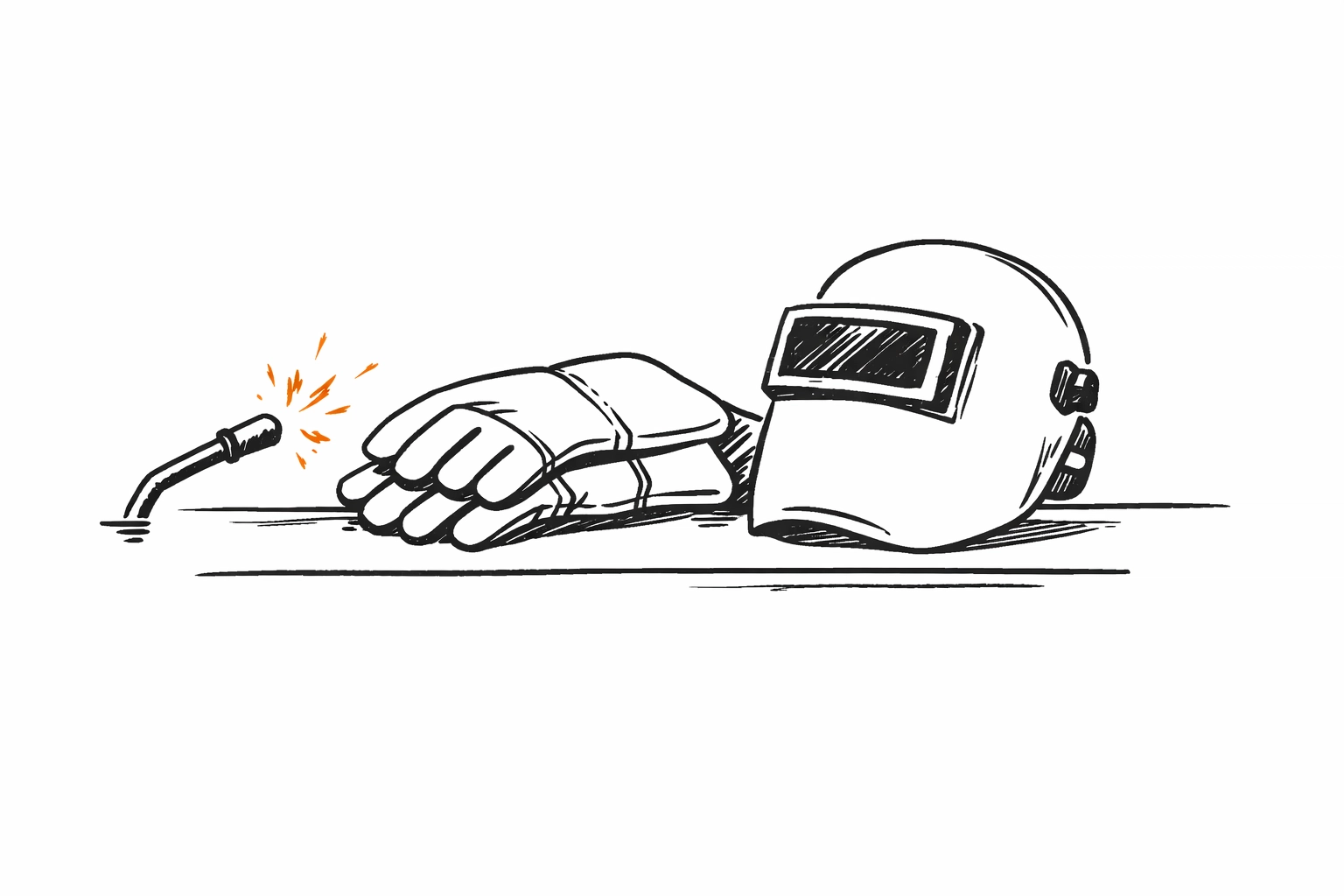
    For example, does your policy cover “work at height” over a certain limit? Does it cover the use of heat? If you’re a roofer in Essex using a blowtorch and your policy has a “heat exclusion” clause you didn’t notice, you aren’t just under-insured: you’re effectively uninsured for the biggest risk you face.

    The Core Pillars of Construction Contractor Insurance

    Before we get into the “how-to,” let’s look at what a comprehensive policy actually looks like. At Moyak Insurance Services, we don’t believe in “one size fits all,” but there are several pillars that every solid construction policy should stand on.

    1. Public Liability Insurance

    This is the big one. It covers you if your work causes injury to a third party or damage to their property. In the construction world, property damage can run into the millions very quickly. One burst pipe or a poorly secured scaffold can cause catastrophic damage to a neighbouring building. We often suggest looking at General Contractor Liability Insurance that is tailored to your specific trade and project size.

    2. Employers’ Liability Insurance

    If you have employees: even if they are temporary, sub-contracted, or apprentices: this is a legal requirement in the UK. The construction industry is inherently risky. If an operative is injured on your watch, the legal fees and compensation claims can be business-ending. We ensure this cover is robust enough to handle the realities of a modern site.

    3. Contract Works (Builders Risk)

    This is where many contractors get tripped up. Public liability covers damage to other people’s stuff. But what about the work you’ve already done? If a fire guts a house you’re halfway through renovating, who pays for the materials and labour to start again? That’s where Contract Works insurance comes in. It protects the work-in-progress, materials on-site, and even temporary structures.


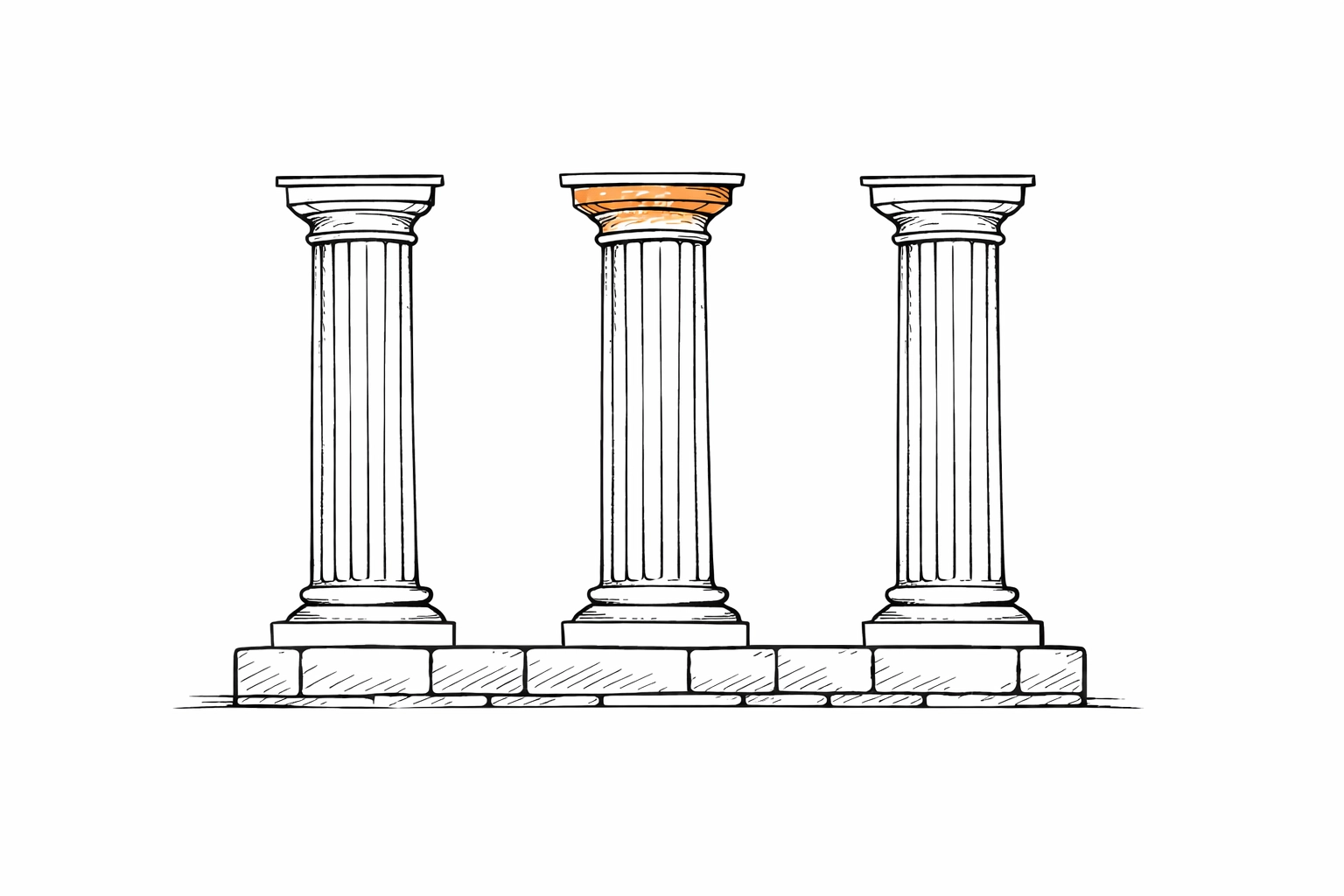
    Sketch of architectural columns representing the core pillars of a construction contractor insurance policy.

    The Moyak “Individual Approach”

    At Moyak Insurance Services, we often talk about our “Individual Approach.” It’s not just a marketing slogan; it’s how we survive in a world of giant, faceless comparison sites.

    When you call us, you aren’t talking to a script-reader in a cubicle. You’re talking to experts who understand the Essex and London markets. We know that a contractor working in a high-density area like Shoreditch faces different risks than one working on a barn conversion in rural Kent.

    Our “Individual Approach” means we take the time to understand:

    • The specific nature of your projects.
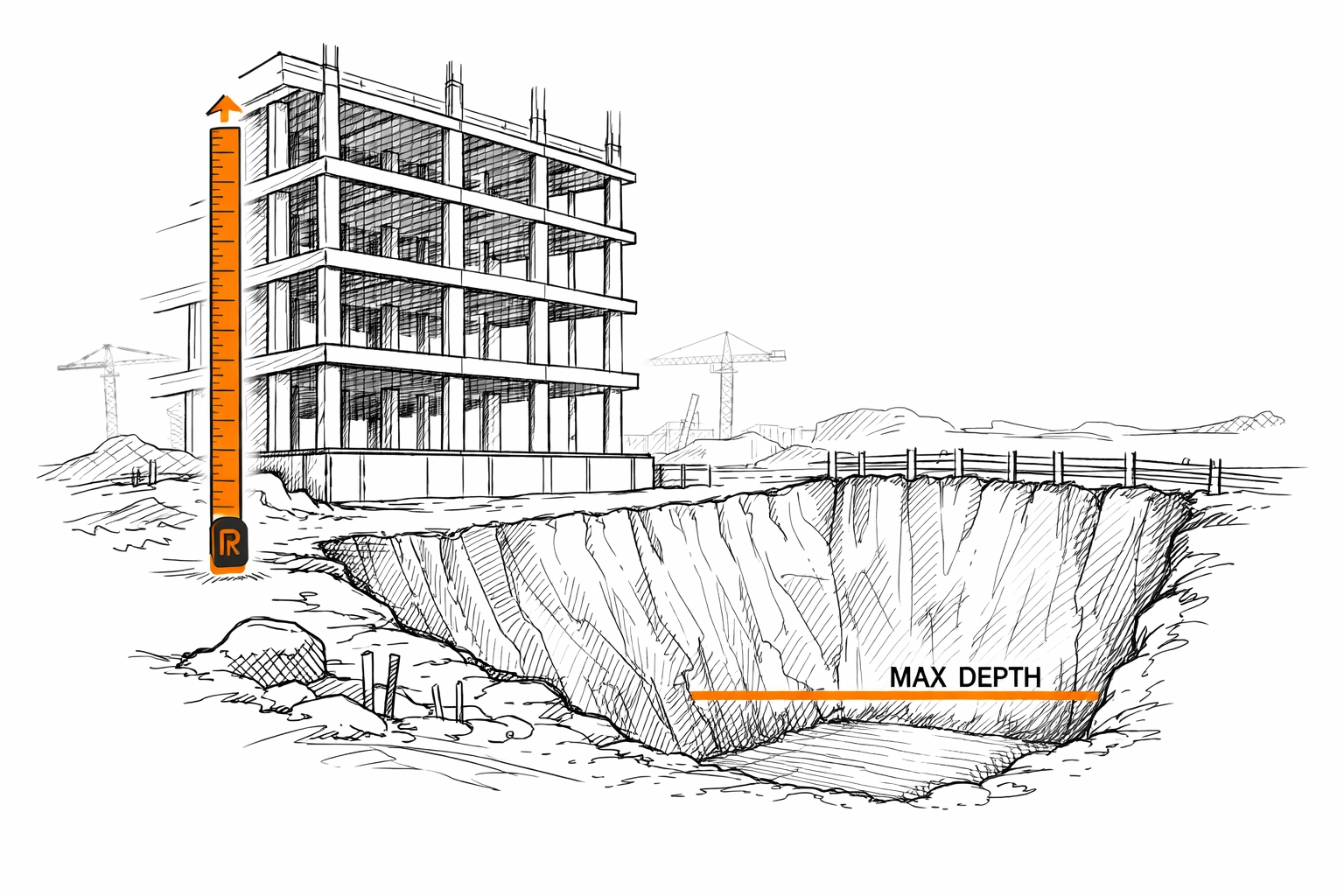
    • The maximum height and depth you work at.
    • Your use of sub-contractors and how they are insured.
    • Your turnover and future growth plans.

    By doing this heavy lifting upfront, we can build a policy that actually fits. We don’t just shop the standard markets; we work with leading master insurance brokers to access exclusive schemes and better rates that aren’t available to the general public or on generic websites. This partnership allows us to get the best cover for your budget without sacrificing the quality of the protection.

    Protecting Your Tools and Livelihood

    If you’re a contractor in London or Essex, you know that tool theft is an absolute plague. I’ve spoken to many tradesmen who have had their vans emptied overnight, losing thousands of pounds worth of equipment and, more importantly, days of work.

    A truly comprehensive General Tradesmen Liability Insurance policy should include “Tools in Transit” cover. But here’s the catch: many policies have strict requirements about how those tools are stored (e.g., they must be removed from the van overnight or the van must be in a locked garage). Part of our job as your broker is to point out these “gotchas” before they become a problem. If you can’t park in a garage, we find a policy that understands that reality.

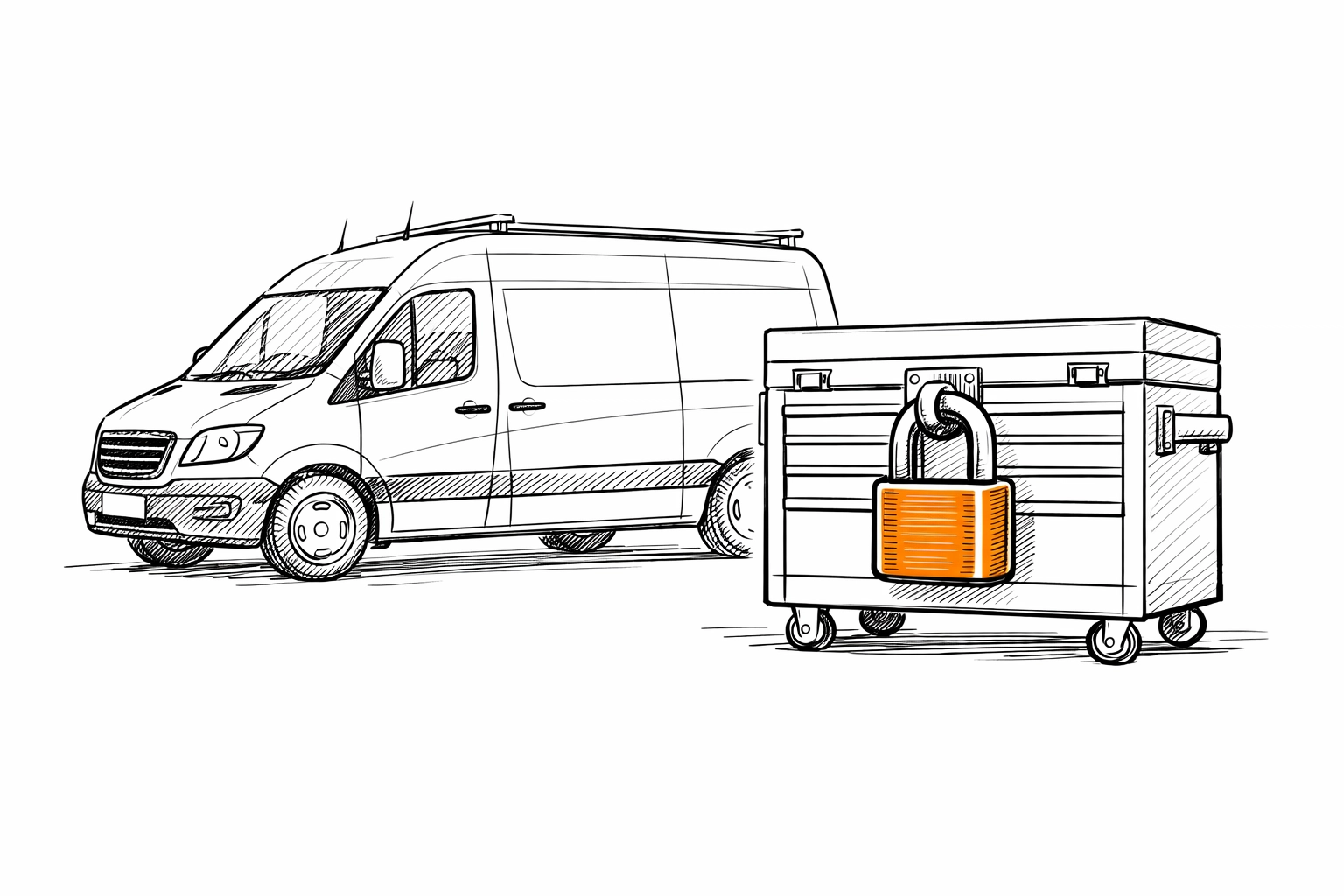
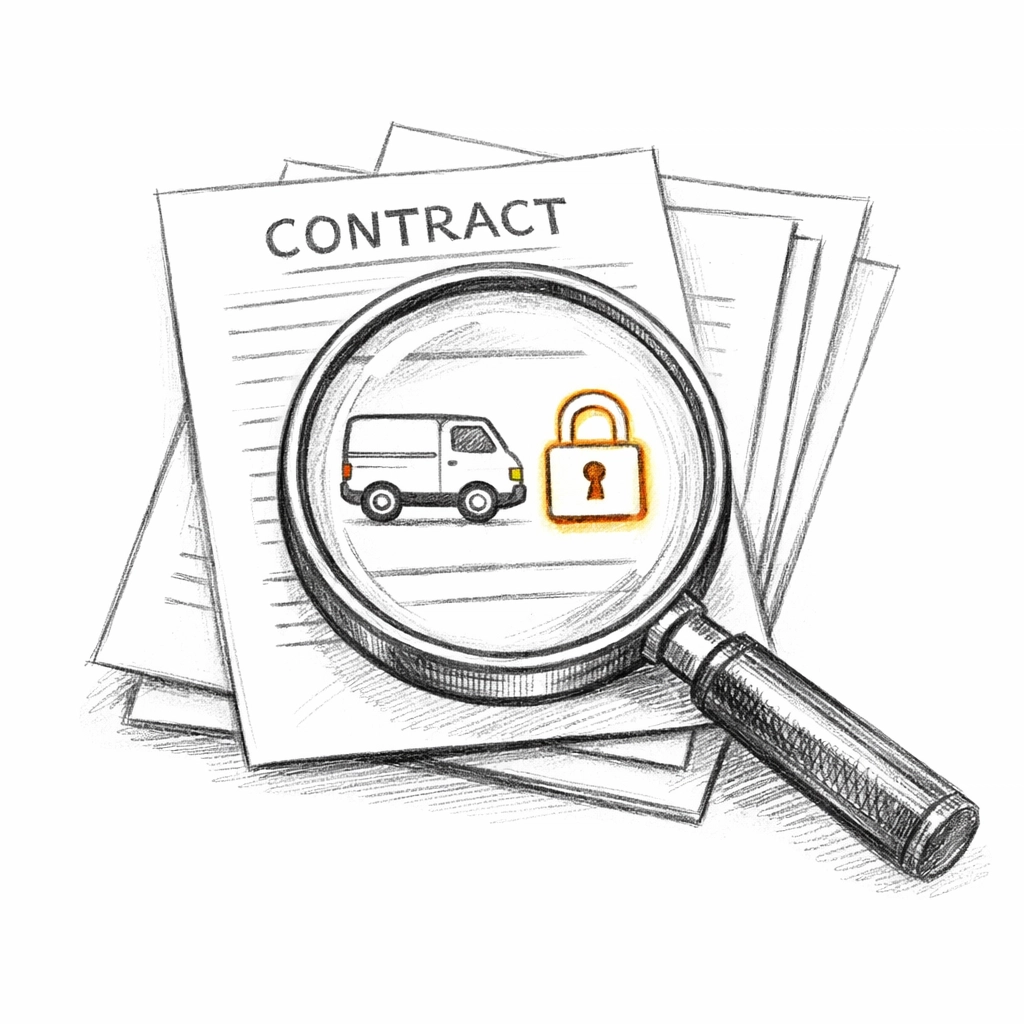
    Illustration of a contractor van and locked tool chest showing tool security and business insurance protection.

    Professional Indemnity: Do You Need It?

    In 2026, the line between “contractor” and “designer” is becoming increasingly blurred. If you are involved in “Design and Build” projects, or if you provide professional advice to your clients, you likely need Professional Indemnity (PI) insurance.

    Standard contractors insurance covers physical damage, but it doesn’t cover financial loss caused by a mistake in your design or advice. If a client sues you because a structural error in your plans caused a six-month delay, your public liability won’t help you. We often look at Commercial Combined Business Insurance to wrap all these risks into one cohesive package.

    Why the Location Matters: London, Essex, and Kent

    Insurance is all about risk, and risk is often tied to geography. Working as an insurance broker in Essex, I see how local factors influence premiums.

    • London: Higher risk of theft, higher cost of third-party property damage, and more complex logistical risks.
    • Essex & Kent: Growing suburban developments often mean working in close proximity to occupied homes, which heightens the need for specific public liability triggers.

    Because we are local, we understand these nuances. We know the difference between a high-street renovation in Maidstone and a new-build estate in Chelmsford. We use this local knowledge to advocate for you when we negotiate with our master brokers.

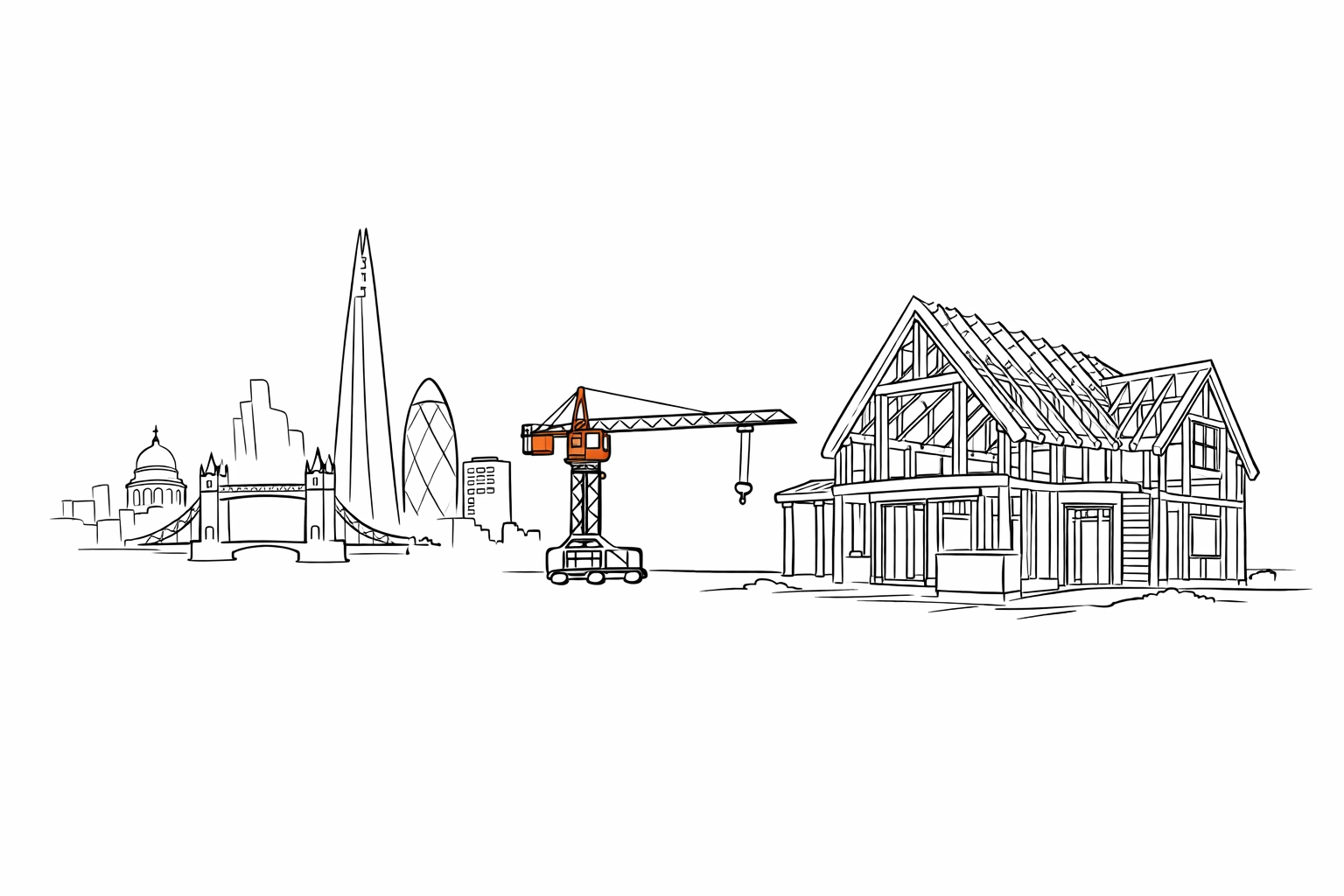
    Line art of the London skyline and an Essex construction site highlighting regional contractor insurance expertise.

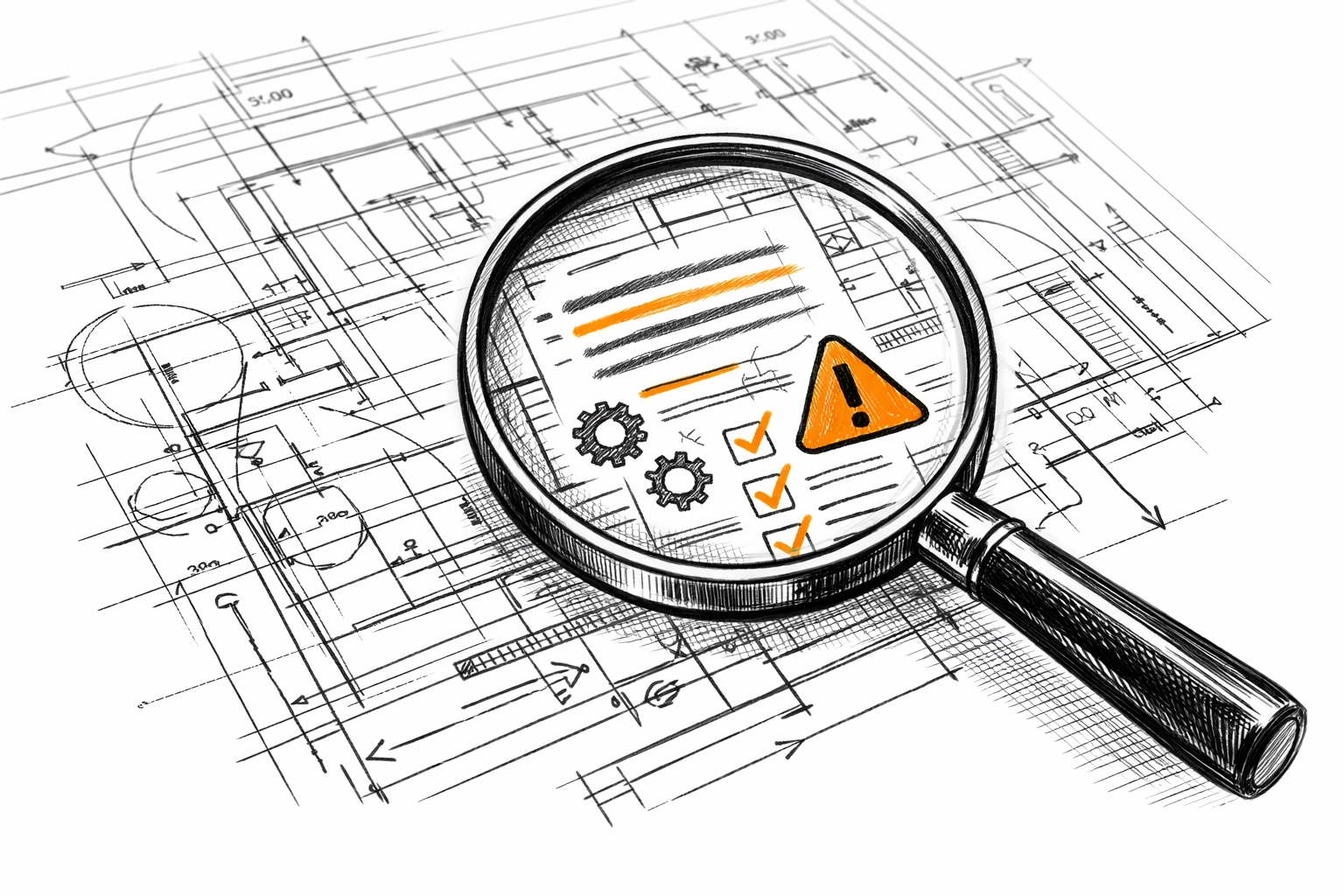
    How to Choose the Right Cover: A Practical Checklist

    So, when you’re looking at your next project, how do you ensure you’re making the right choice? Here is my practical guide:

    1. Don’t Shop on Price Alone: If a quote is 40% cheaper than the rest, there is a reason. Usually, it’s a massive excess or a long list of exclusions.
    2. Check Your “Additional Insured” Requirements: Many main contractors require you to name them on your policy. Make sure your broker knows this.
    3. Audit Your Sub-Contractors: Are you checking their insurance? If they cause a claim and their insurance is invalid, the liability could roll up to you.
    4. Be Honest About Your Work: If you tell your insurer you’re a painter and decorator but you’re actually doing structural demolition, you are throwing your money away because they won’t pay the claim.
    5. Look for “All Risks” Cover: Especially for your plant and equipment. Whether it’s owned or hired-in, “All Risks” gives you the widest possible protection.

    Final Thoughts: The Value of an Expert Partner

    At the end of the day, insurance is a grudge purchase. Nobody likes paying for it, and everyone hopes they never have to use it. But in the construction industry, where one mistake can wipe out years of profit, insurance is your most important tool.

    At Moyak Insurance Services, we take pride in being more than just a middleman. We are your advocates. By combining our “Individual Approach” with the muscle of our master insurance brokers, we bridge the gap between “basic liability” and “comprehensive protection.”

    If you’re a contractor in Essex, Kent, or London and you’re feeling unsure about your current cover: or if you’ve got a major project on the horizon: don’t leave it to a computer algorithm to decide your fate. Let’s have a conversation about what your business actually needs.

    You can explore our range of Specialist Business Insurance options or contact us directly to see how we can secure your next project. After all, you’ve spent years building your business; let’s make sure it’s built on a solid foundation.


  • 7 Mistakes You’re Making with Cleaning Contractors Insurance (and How to Fix Them)

    [HERO] 7 Mistakes You’re Making with Cleaning Contractors Insurance (and How to Fix Them)

    If you are running a cleaning business in London, Essex, or Kent, you already know that the competition is fierce. Whether you’re securing contracts for high-end office blocks in Canary Wharf or managing a domestic cleaning circuit in the suburbs of Maidstone, your reputation is everything. But I have seen time and again how a single insurance oversight can dismantle years of hard work.

    Many business owners view cleaning business insurance as a “grudge purchase”: something they only buy because a contract requires it. This mindset often leads to costly mistakes. At Moyak Insurance Services, we speak to cleaning contractors every day who are shocked to find out that their “comprehensive” policy actually leaves them exposed to massive risks.

    In this guide, I want to walk you through the seven most common mistakes I see cleaning contractors making and, more importantly, how you can fix them to protect your livelihood.

    1. Choosing a Policy Based on Price Alone

    I understand the temptation. When you’re trying to keep your overheads low to win a competitive tender, the cheapest insurance quote looks very attractive. However, in the world of cleaning contractors insurance, you truly get what you pay for.

    The “cheap” policies often come with high excesses, restrictive “inner limits,” or broad exclusions that render the cover useless when you actually need it. For instance, a budget policy might exclude damage to property being worked upon: which is exactly what a cleaner needs coverage for. If you accidentally damage an expensive computer screen while cleaning a desk, a cheap policy might leave you footing the bill.

    How to fix it: Instead of looking for the lowest premium, look for the best value. I think it is much safer to work with a specialist broker who understands the specific risks of the cleaning industry. At Moyak, we take an individual approach, scouring our network of master brokers to find a policy that balances cost with actual, usable protection.

    2. Underinsuring Your Equipment and Tools

    Many cleaning contractors in the South East are mobile, moving expensive industrial vacuum cleaners, floor polishers, and pressure washers between sites in Essex and London. A common mistake I see is assuming that these tools are covered under a standard liability policy or even a commercial vehicle policy.

    In reality, if your van is broken into or your equipment is damaged while in transit, a basic policy likely won’t pay out. Standard Public Liability covers the damage you cause to others, not the loss of your own assets.

    How to fix it: You need to ensure your policy includes “Goods in Transit” or specific “All Risks” cover for your tools and equipment. Given the rising rates of tool theft in urban areas like London and Kent, this isn’t just a “nice to have”: it’s essential for business continuity.


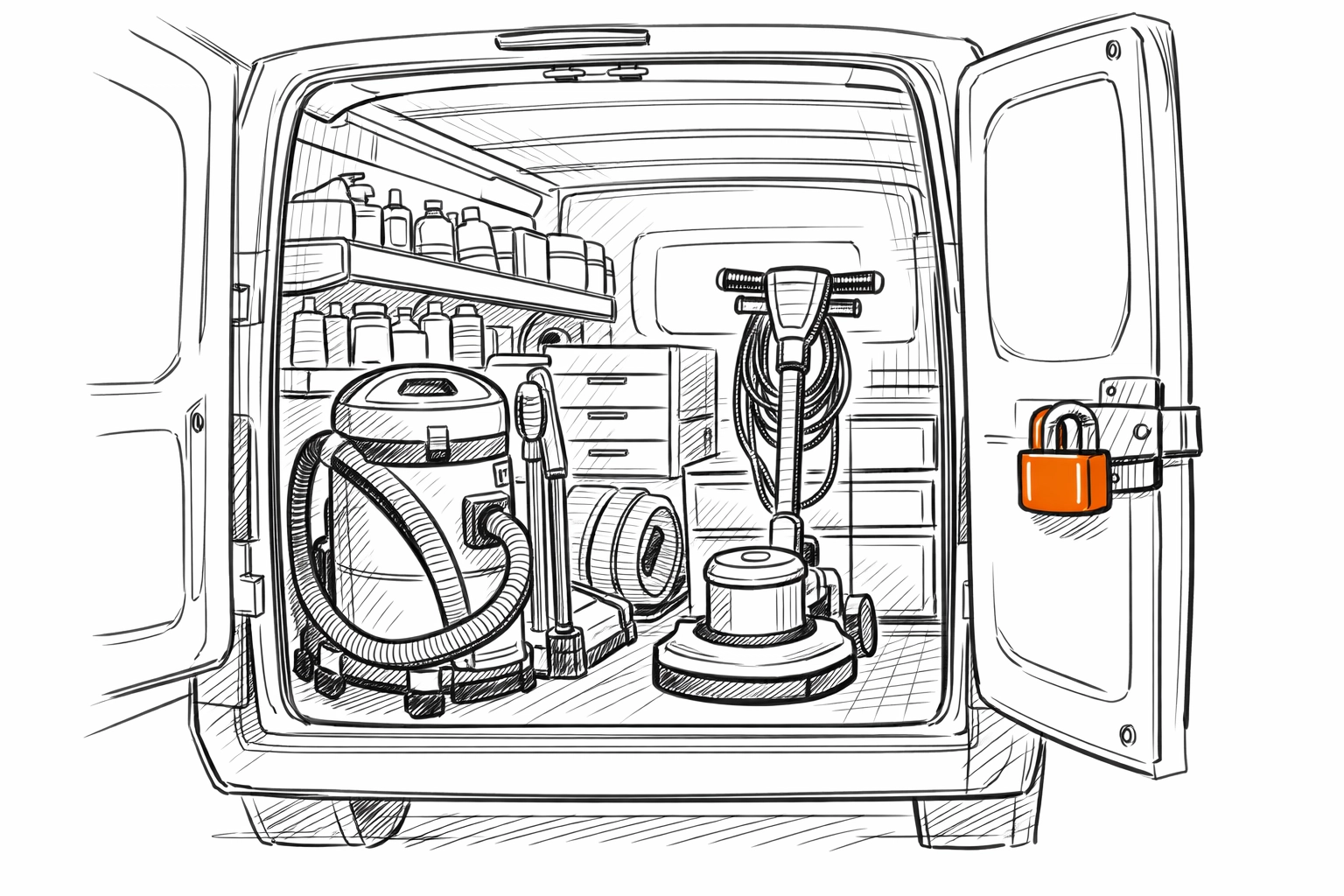
    Hand-drawn sketch of cleaning equipment in a van, emphasizing asset protection in cleaning business insurance.

    3. Neglecting Proper Public Liability Limits

    Most cleaning businesses start with a standard £1 million or £2 million Public Liability limit. While this might be fine for small domestic jobs, it is often woefully inadequate for commercial contracts.

    If you are working in an office building in Central London, a single incident: like a leak caused by a left-on tap or a trip-and-fall on a wet floor: could lead to a claim that far exceeds £1 million. Many property management companies now insist on a minimum of £5 million or even £10 million in General Contractor Liability Insurance before they will even let you on-site.

    How to fix it: Review your contracts carefully. Don’t wait until you’ve won a big job to realize your insurance isn’t up to scratch. I recommend discussing your growth plans with us so we can scale your limits appropriately, often for a much smaller increase in premium than you might expect.

    4. Forgetting the “Treatment Risk” Clause

    This is perhaps the most specific mistake in the cleaning industry. Most general liability policies exclude “damage to property being worked upon.” In the context of a cleaner, this means if you are cleaning a carpet and use the wrong chemical, ruining the fibers, a standard policy might not cover it because you were “working on” that specific item.

    This is known as “Treatment Risk.” Without this specific extension, your cleaning business insurance has a massive hole in it.

    How to fix it: Check your policy schedule for Treatment Risk cover. If it isn’t there, you are taking a massive gamble every time you apply a cleaning product to a client’s property. We make sure this is a priority for our clients because we know how easily a simple mistake can happen.

    5. Not Covering Sub-contractors

    As your cleaning business grows across Essex and Kent, you might start using “Bona-Fide” sub-contractors or “Labour-Only” sub-contractors to handle the workload. I often see business owners assume that these individuals bring their own insurance and therefore the main contractor isn’t liable.

    This is a dangerous assumption. If a sub-contractor causes damage or gets injured, the client will look to you: the primary contractor: for compensation. If your policy isn’t set up to include sub-contractors, your insurer may refuse the claim.

    How to fix it: You must disclose the use of sub-contractors to your broker. You also need to verify that your sub-contractors have their own insurance (for Bona-Fide subs) or ensure they are covered under your Employers’ Liability (for Labour-Only subs). Our team at Moyak can help you set up a robust system for checking these details.

    Sketch of a team of cleaners and a clipboard, representing sub-contractor coverage in cleaning contractors insurance.

    6. Ignoring Employers’ Liability (It’s Law!)

    If you have anyone working for you: even if they are part-time, casual, or “cash-in-hand”: you are legally required to have Employers’ Liability insurance in the UK. I still see small cleaning firms in London trying to bypass this to save money.

    The fines for not having this cover are eye-watering (up to £2,500 per day), but the real risk is a workplace injury. Cleaning is physical work involving chemicals, wet floors, and heavy lifting. If an employee suffers a back injury or a chemical burn, you are liable for their medical costs and lost wages.

    How to fix it: Never skip Employers’ Liability. It is usually bundled into a Commercial Combined Business Insurance package. It protects your staff and, by extension, protects your personal assets from being seized to pay for a legal claim.

    7. The “Set and Forget” Mentality

    Your business on Monday, 16 of March 2026, probably looks very different from how it looked two years ago. Perhaps you’ve moved from domestic cleaning to specialized biohazard or end-of-tenancy cleans. Maybe you’ve hired three new staff members or bought a new van.

    Many contractors simply renew their existing policy every year without checking if it still fits. This leads to “underinsurance,” where your policy reflects an older, smaller version of your business, leaving your current operations unprotected.

    How to fix it: Schedule an annual review. I think the best way to do this is to have a quick conversation with your broker a month before renewal. We don’t just send out a renewal notice; we want to hear what’s changed so we can adjust your cleaning contractors insurance to match your current reality.

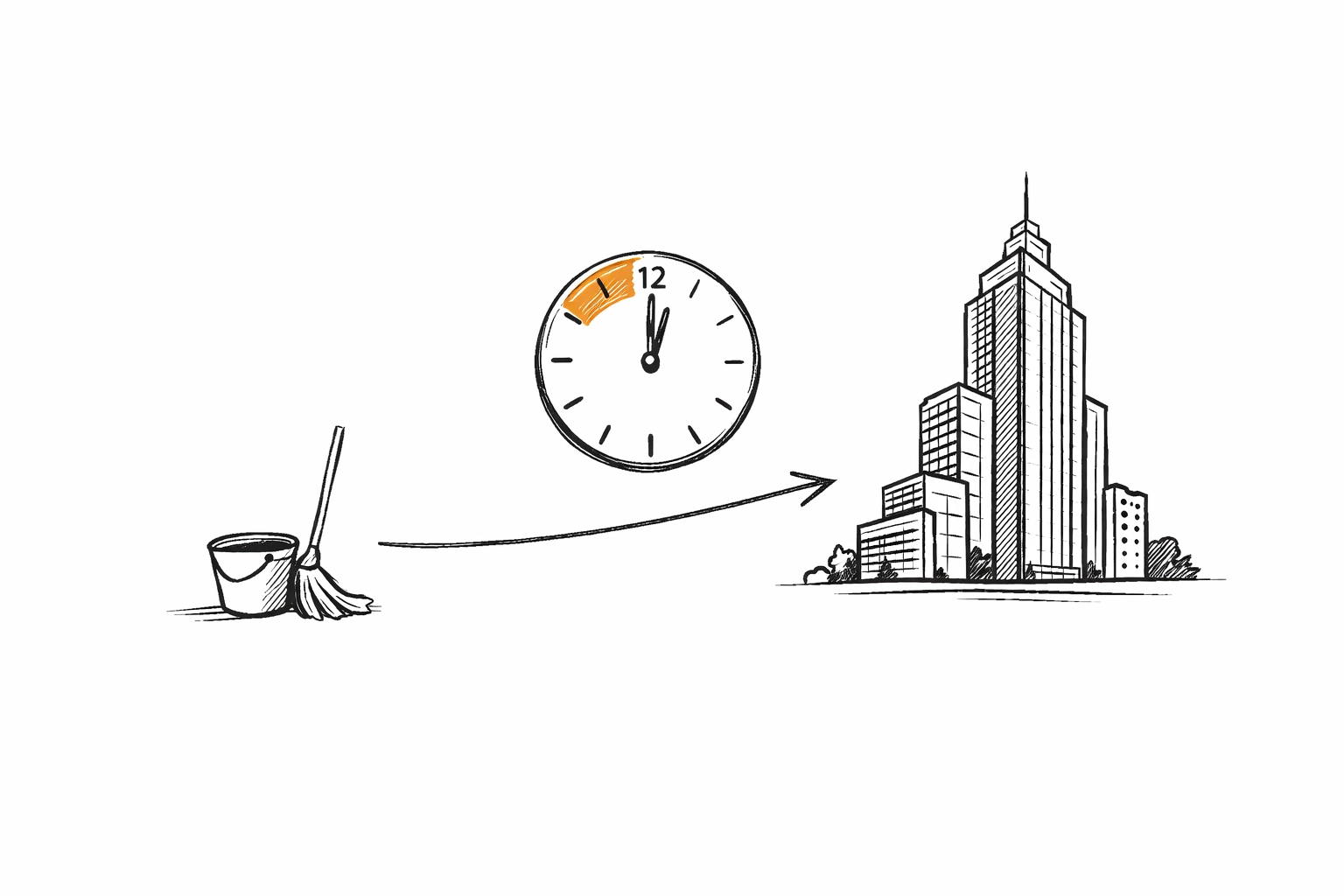
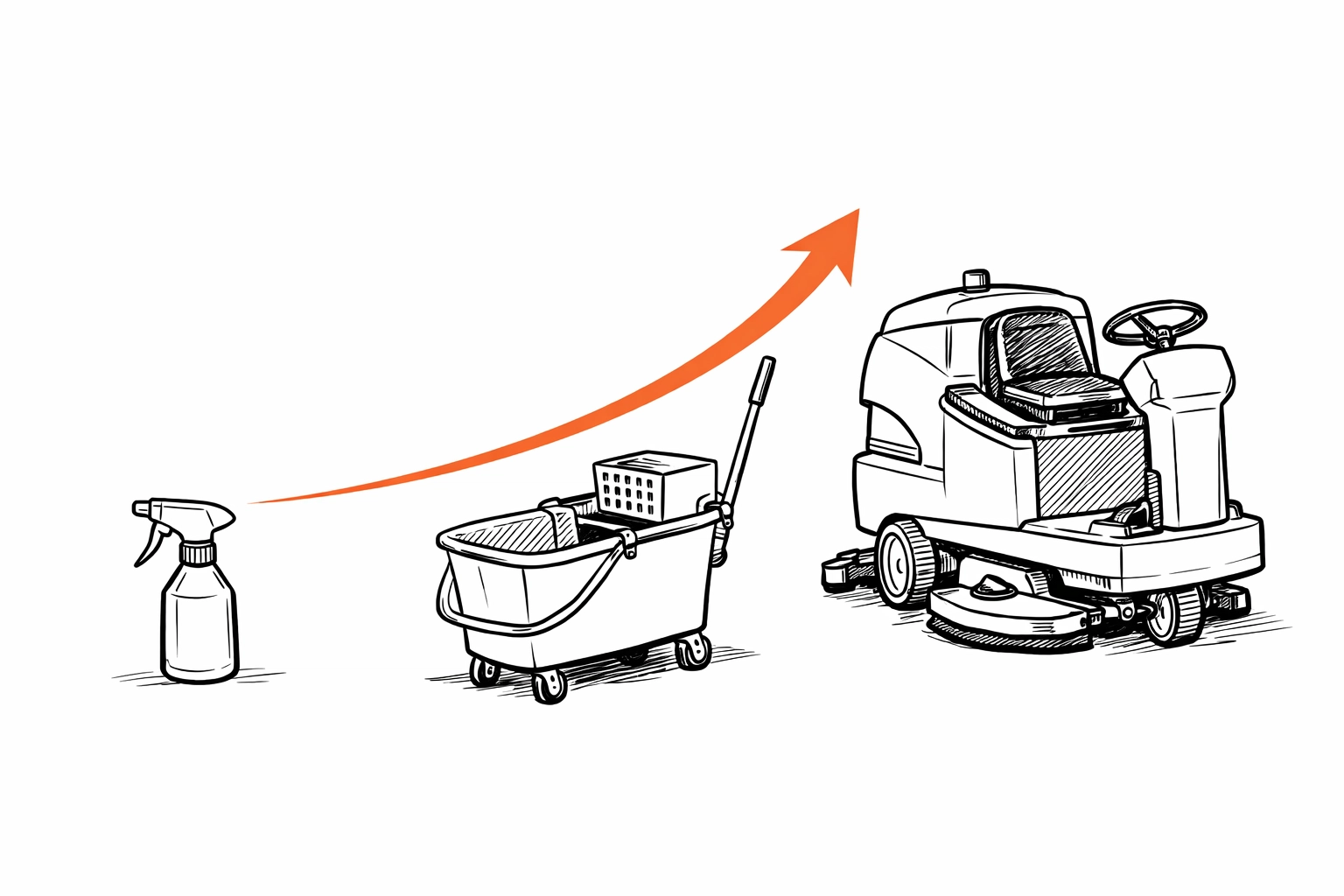
    A visual timeline from a mop to a skyscraper, highlighting the need for cleaning business insurance reviews.

    The Moyak Individual Approach

    At Moyak Insurance Services, we don’t believe in “one size fits all” insurance. We know that a window cleaner in Southend has different needs than a commercial office cleaning firm in the City of London.

    Because we are an independent brokerage, we aren’t tied to one single insurer. We use our relationships with master brokers to find the niche policies that other brokers might miss. Our goal is simple: to provide professional, comprehensive cover that actually saves you money by eliminating the bits you don’t need and reinforcing the bits you do.

    Whether you are looking for small office surgery insurance or complex commercial cover, we treat every client with the same level of care.

    Next Steps for Your Business

    If you haven’t reviewed your policy in the last 12 months, or if you are worried that you might be making one of the mistakes listed above, now is the time to act. Don’t wait for a claim to happen to find out your insurance is insufficient.

    1. Audit your current policy: Look specifically for “Treatment Risk” and “Goods in Transit.”
    2. Check your limits: Ensure they match your current contract requirements.
    3. Contact a specialist: Speak to us at Moyak Insurance Services. We can provide a no-obligation review of your current cover and see if we can get you a better deal.

    Protecting your cleaning business shouldn’t be a headache. With the right advice and a tailored policy, you can get back to what you do best: providing a top-tier service to your clients across London and the South East.

    For more information on how we can help your specific industry, feel free to explore our useful information resources or get in touch with our team today.

  • Combined Commercial Insurance Explained in Under 3 Minutes

    [HERO] Combined Commercial Insurance Explained in Under 3 Minutes

    If you are running a business in London, Essex, or Kent, I probably don’t need to tell you that your to-do list is already too long. Between managing staff, keeping clients happy, and trying to stay ahead of the competition, the last thing you want to do is spend your weekend sorting through five different insurance folders.

    I’ve seen it happen time and again: a business owner starts out with one small policy, then they hire an employee and get another, then they move into a warehouse and get a third. Before they know it, they are tracking three different renewal dates, dealing with three different insurers, and, worst of all, paying three different sets of admin fees.

    This is where combined commercial insurance comes into play. It’s the “all-in-one” solution that many of my clients in the South East are switching to, and frankly, I think it’s one of the smartest moves a growing business can make.

    In this guide, I’m going to break down exactly what it is and why it matters, and I’ll do it in less time than it takes for you to finish your coffee.


    What Exactly Is Combined Commercial Insurance?

    At its core, combined commercial insurance is a single, comprehensive policy that bundles several different types of business cover together. Instead of having a separate policy for your premises, another for your staff, and another for your equipment, everything is wrapped up in one package.

    I often describe it to clients as a “protection buffet.” You don’t have to take everything on the menu, but you can pick and choose the exact covers that fit your specific industry needs. Whether you are running a high-end restaurant in London or a cleaning company in Kent, the policy is built to mirror your actual risks.

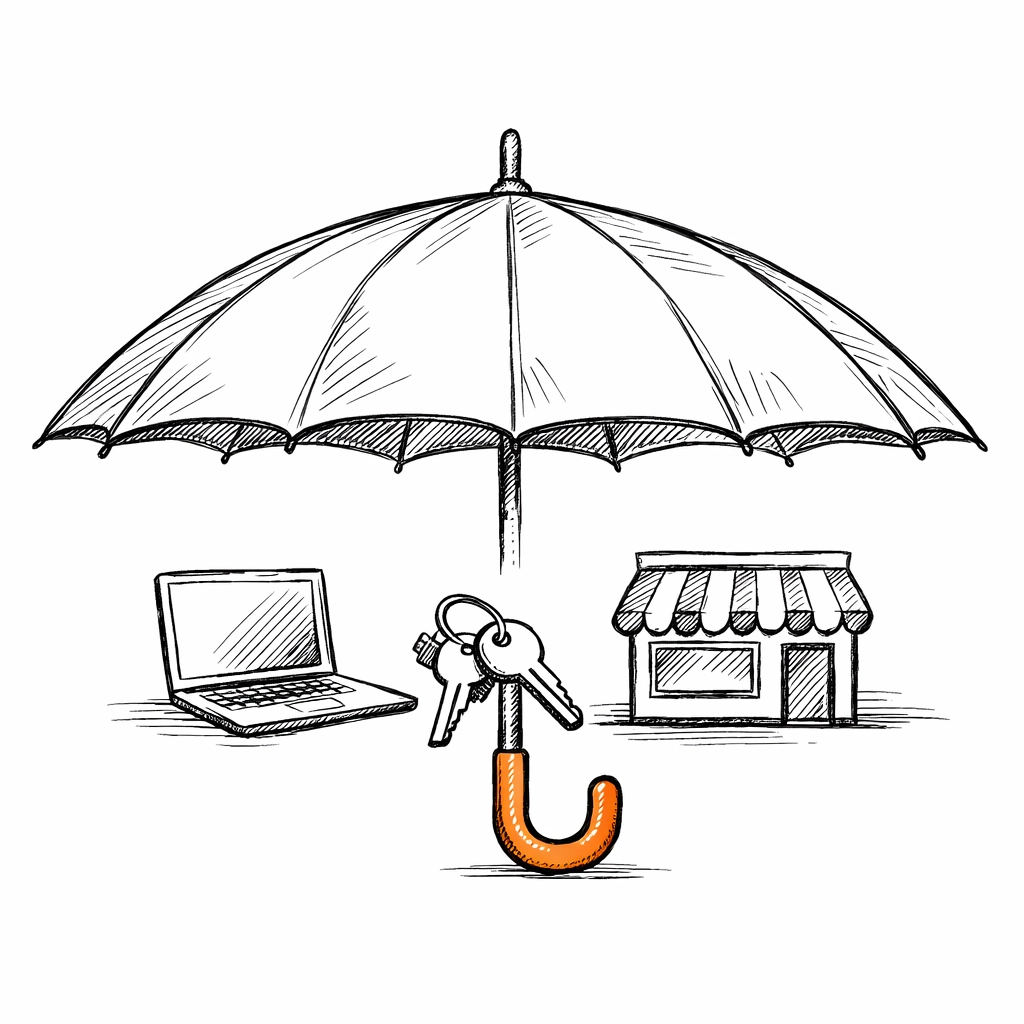
    Sketch of an umbrella sheltering business icons, representing all-in-one combined commercial insurance coverage.

    The Core Components: What’s Inside the Box?

    While every policy is different, a standard combined commercial insurance package usually includes a few “must-haves.” From my experience, these are the pillars that keep most businesses safe:

    1. Public and Product Liability

    This is the big one. If a customer slips on a wet floor or a product you sell causes an injury, this cover handles the legal fees and compensation. In a busy city environment, this isn’t just a “nice-to-have”, it’s a survival tool.

    2. Employers’ Liability

    If you have staff, even just one part-time person, this is usually a legal requirement in the UK. It covers you if an employee falls ill or gets injured while working for you. I’ve seen businesses get hit with massive fines just for forgetting this one, so having it bundled in your combined policy ensures it never slips through the cracks.

    3. Property Damage and Stock

    This protects your “stuff.” Whether it’s your office building, your machinery, or the stock you have sitting in a warehouse, this cover handles losses from fire, flood, or theft. For our clients in the retail sector, this is often the most critical part of their retail shop business insurance.

    4. Business Interruption

    I think this is the most underrated part of any insurance policy. If your business has to close for three months because of a fire, how do you pay the bills? Business interruption replaces that lost income, helping you stay afloat while you get back on your feet.

    5. Goods in Transit and Money

    If you’re moving stock across Essex or Kent, or if you keep cash on the premises (like in a takeaway or fast-food business), you can add specific cover for these risks too.

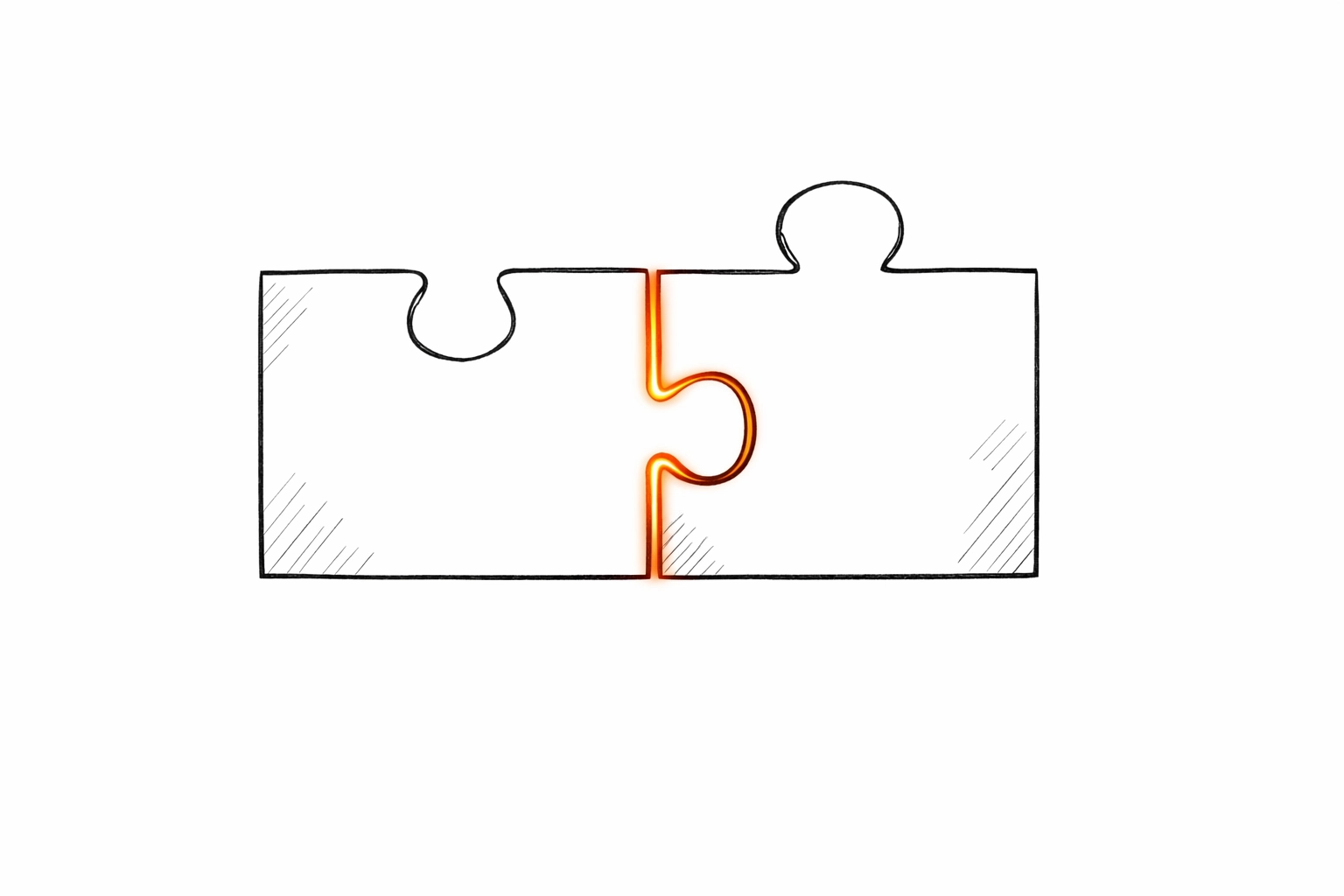
    Interlocking puzzle pieces with icons for liability and property damage in a combined commercial insurance policy.

    Why Is “Combined” Often Better Than “Separate”?

    You might be wondering, “Why bother combining them? Can’t I just keep my separate policies?” You could, but here is why I think that’s a mistake for most modern businesses.

    One Renewal, One Premium

    The administrative burden of insurance is real. When you have multiple policies, you have multiple renewal dates. I’ve spoken to business owners who missed a renewal because they thought it was the “other” policy that was due. With combined commercial insurance, you have one date to remember and one premium to pay. It’s simple, and simple is usually better.

    Cost-Effectiveness

    In almost every case, bundling your insurance is cheaper than buying individual policies. Insurers like “bulk” business. When you place all your risks with one provider, they are often willing to offer a significant discount compared to if you bought those same covers separately. It’s the same logic as buying in bulk for your business, it just makes financial sense.

    No Gaps in Cover

    This is the professional’s perspective that many people overlook. When you have different policies with different insurers, you can end up with “gaps.” Insurer A might think a certain risk is covered by Insurer B, while Insurer B thinks it’s Insurer A’s job. When you have a combined policy, that ambiguity disappears. You know exactly where you stand.

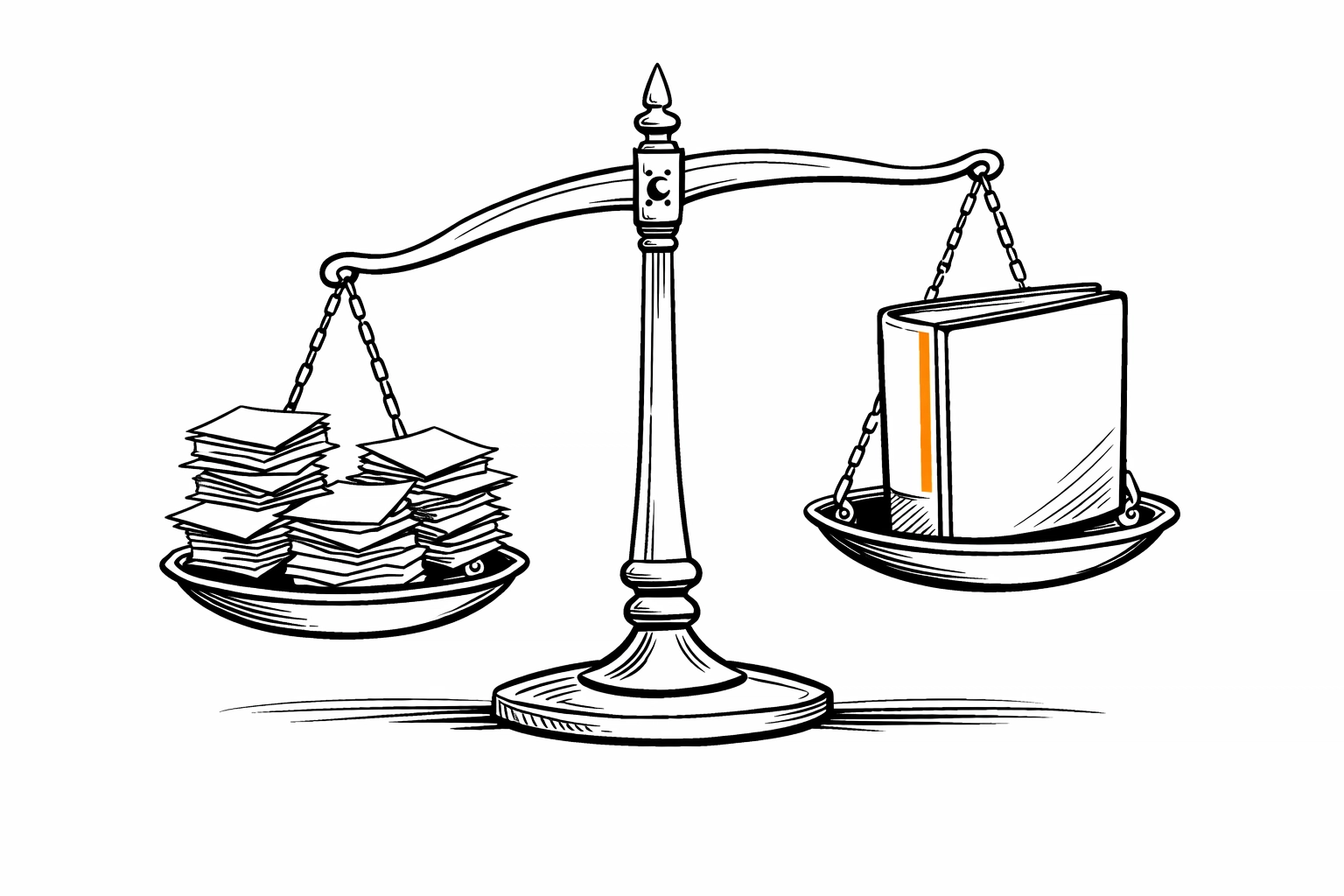
    Balance scale comparing cluttered separate policies with one efficient combined commercial insurance folder.

    Who Needs This Type of Cover?

    While almost any business can benefit, I’ve found that combined commercial insurance is a game-changer for specific sectors:

    • Contractors and Trades: If you’re a general contractor or a tradesman, your risks change from site to site. A combined policy gives you the flexibility to handle liability and tool cover in one place.
    • Cleaning Companies: Whether you do domestic or commercial cleaning, having a cleaning company business insurance package that includes liability and equipment cover is essential.
    • Property Owners: If you manage a portfolio in London or Kent, commercial landlord insurance combined with property owner liability is much easier to manage.
    • Hospitality: From pubs and clubs to hotels and B&Bs, the mix of public liability, buildings cover, and stock (alcohol/food) makes a combined policy the only logical choice.

    How Moyak Insurance Services Handles the Heavy Lifting

    I know that even a “3-minute guide” can feel like a lot when you’re busy. That’s exactly why we exist. At Moyak Insurance Services, we don’t just give you a quote and walk away. We act as your partner.

    I see my role as the person who does the “boring stuff” so you don’t have to. We take the time to understand your specific business operations in the Essex and London areas. We then head out to the market, compare the top providers, and build a combined commercial insurance policy that fits you like a glove.

    We look for the best price, sure, but we also look for the best value. There is no point in having a cheap policy if it doesn’t pay out when you need it most.

    Compass and map over London and Essex skylines, symbolizing expert guidance for combined commercial insurance.

    Final Thoughts: Your Next Steps

    Going forward, I’d encourage you to take a quick look at your current insurance documents. Are you managing three different logins? Are you paying monthly for four different policies? If the answer is yes, you are likely overpaying and definitely over-working.

    The world of business is complicated enough. Your insurance doesn’t have to be. By switching to a combined approach, you protect your livelihood while gaining back the time you need to actually run your company.

    If you’re ready to see how much simpler (and cheaper) your business protection could be, we’re here to help. You can explore our useful information section for more tips, or simply get in touch with us at Moyak Insurance Services for a no-nonsense chat about your needs.

    Let’s get your insurance sorted, so you can get back to work.


  • Estate Agent Insurance in 2026: 5 Must-Have Covers to Protect Your Agency

    [HERO] Estate Agent Insurance in 2026: 5 Must-Have Covers to Protect Your Agency

    The property market in 2026 moves at a speed that would have seemed impossible just a few years ago. Between virtual reality tours, AI-driven valuations, and an increasingly complex regulatory landscape, estate agents in London and across Essex are facing a whole new set of challenges. While the tools of the trade have evolved, the fundamental risks of the business remain: and in many cases, they’ve grown more sophisticated.


    I’ve spent a lot of time talking to agency owners lately, and the recurring theme is a sense of “digital exposure.” It’s no longer just about someone tripping over a rug during a viewing; it’s about data integrity, professional advice, and the ever-present threat of litigation in a high-stakes market. At Moyak Insurance Services, we’ve seen that the old “one-size-fits-all” approach to business insurance just doesn’t cut it anymore for modern agencies.

    If you’re running an agency today, you need more than just a certificate to hang on the wall. You need a robust safety net that understands the specific nuances of the property sector. Here are the five essential covers that I believe every estate agency must have in 2026.

    1. Professional Indemnity Insurance: The Bedrock of Your Protection

    In the estate agency world, your advice is your product. Whether you are providing a valuation, describing the potential for a loft conversion, or advising a landlord on compliance, you are opening yourself up to professional indemnity claims.

    In 2026, we’re seeing a rise in “misrepresentation” claims. Buyers are more litigious than ever, and if a property description is even slightly off: or if a digital floor plan turns out to be inaccurate: the financial repercussions can be massive. Professional Indemnity (often called Errors and Omissions) covers you if a client suffers a financial loss because of your professional negligence or a mistake in your work.

    I always tell my clients in the Essex area that PI insurance isn’t just a regulatory requirement for RICS or Propertymark members; it’s a vital shield for your personal assets and your agency’s reputation. Even if you’ve done nothing wrong, the legal costs to defend a claim can easily run into the tens of thousands. Having this cover ensures that you aren’t paying those legal fees out of your own pocket.

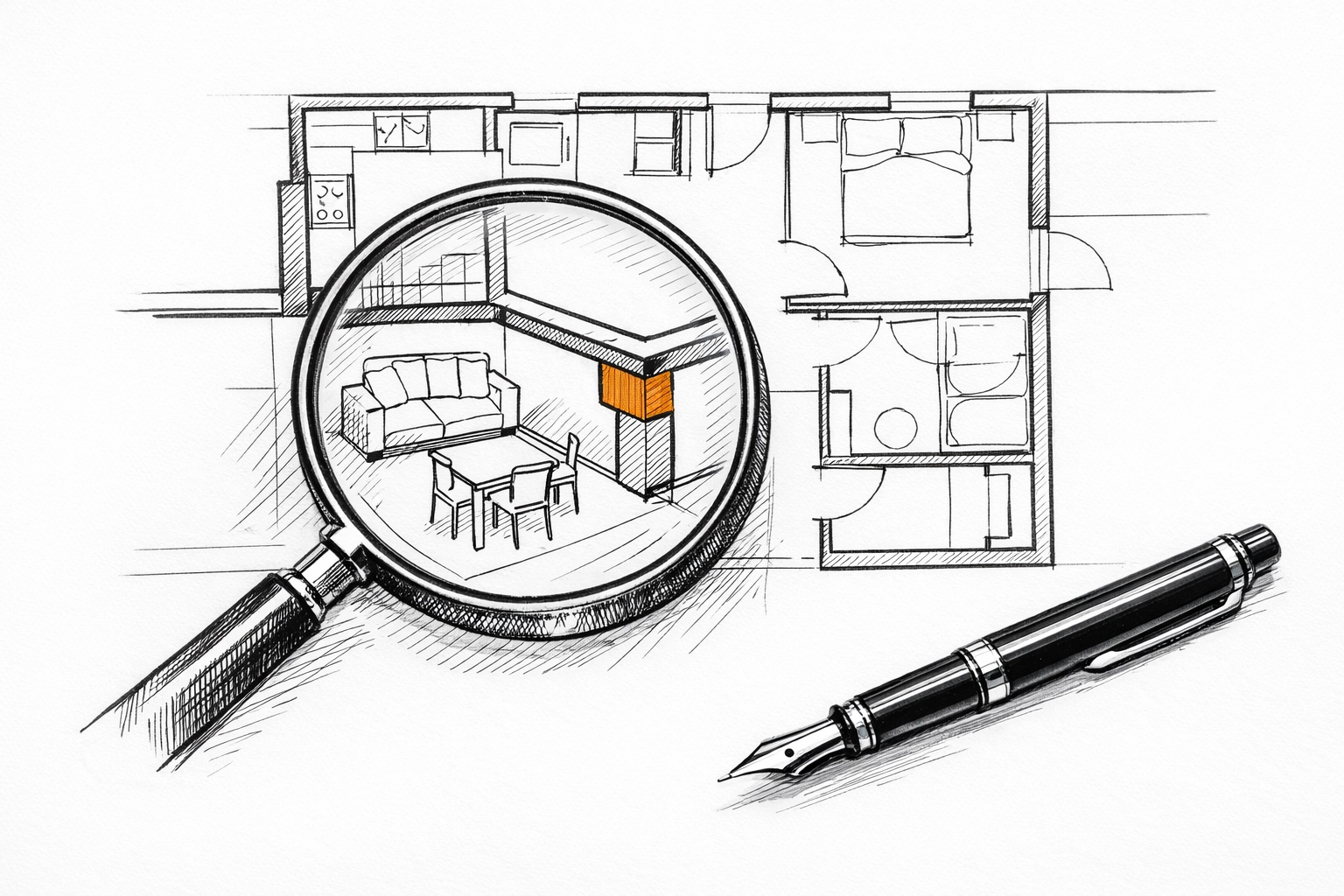
    Sketch of a magnifying glass over a floor plan representing accurate estate agent valuations and professional indemnity.

    2. Public Liability Insurance: Beyond the Office Walls

    While much of our work is digital now, the physical side of estate agency: viewings, valuations, and inspections: still carries significant risk. Public Liability insurance is designed to protect you if a member of the public (a buyer, a tenant, or even a passer-by) is injured or has their property damaged because of your business activities.

    Think about a standard Saturday morning in London. You’re showing a high-end apartment to a potential buyer. If they trip on an unsecured cable or a loose floorboard and injure themselves, your agency could be held liable. The same applies if you accidentally damage a vendor’s expensive artwork while moving a sign during a photo shoot.

    For those running a physical branch, Small Office Insurance usually incorporates public liability, but you need to ensure it extends to your activities “on-site.” At Moyak, we make sure your Estate Agent Insurance plan explicitly covers you whether you are in the office or out in the field.

    3. Cyber Liability Insurance: The New Frontier

    If there is one area where I’ve seen the most concern recently, it’s cyber security. Estate agencies are a goldmine for cybercriminals because they handle massive amounts of sensitive data: bank details, passports for AML checks, and personal addresses.

    By 2026, hackers have become incredibly adept at “business email compromise” and ransomware. Imagine your systems are locked down on the day of a major completion. Or worse, imagine a data breach where your entire database of landlord and tenant information is leaked.

    Cyber Liability insurance covers the costs associated with these breaches, including forensic investigations, notifying affected parties, and even the legal costs of defending against GDPR-related fines. It also provides support for recovering your data and getting your business back online. In my opinion, this is no longer an “optional extra”: it is as essential as the locks on your front door.

    Minimalist sketch of house keys on a table by an open door for estate agency property viewings and liability.

    4. Employer’s Liability Insurance: Protecting Your Team

    If you have even one employee: whether they are a full-time negotiator, a part-time administrator, or even a temporary intern: you are legally required to have Employer’s Liability insurance. This covers you if an employee falls ill or is injured as a result of their work for you.

    In the fast-paced London market, stress-related claims and ergonomic injuries are becoming more common. Moreover, with more staff out on the road, the risk of accidents increases. This cover isn’t just about ticking a legal box; it’s about showing your team that you value their safety and that the business is protected against potentially ruinous claims.

    5. Commercial Property and Business Interruption

    Your office is the hub of your operations. Even if you have a hybrid team, the physical space houses your servers, your branding, and your meeting rooms. Commercial Landlord and Property Insurance might cover the building if you own it, but you need cover for your contents, equipment, and: most importantly: Business Interruption.

    What happens if a fire or a major leak in your Essex office means you can’t use the space for three months? Business Interruption insurance covers the loss of income and the extra costs of setting up a temporary office while your main premises are being repaired. It ensures that a physical disaster doesn’t become a financial one.

    For larger agencies with multiple locations, a Commercial Combined Business Insurance policy is often the most efficient way to wrap all these protections into a single, manageable package.

    Sketch of a laptop with a padlock icon representing cyber security and digital protection for estate agencies.

    Why a Local, Personalised Approach Matters in 2026

    I’ve noticed a trend where many estate agents try to buy their insurance through generic online comparison sites. While that might work for a standard car policy, it’s a risky move for a professional services firm. Those “off-the-shelf” policies often have hidden exclusions or low limits that leave you exposed when it matters most.

    At Moyak Insurance Services, we take a different approach. We understand the London and Essex markets because we are part of them. We know that a letting agent in Romford has different risks than a commercial agent in the City. When you work with us, you aren’t just getting a policy; you’re getting an advocate who understands the local landscape.

    We look at the specifics of your agency:

    • Do you handle large volumes of client money?
    • Do you manage properties, or just handle sales?
    • What kind of digital tools are you using for your day-to-day operations?

    By asking these questions, we can build a bespoke insurance solution that actually fits.

    Final Thoughts for Agency Owners

    Going forward into the rest of 2026, the agencies that thrive will be the ones that manage their risks as effectively as they manage their listings. Insurance shouldn’t be a “set and forget” expense. It should be a dynamic part of your business strategy.

    If you haven’t reviewed your coverage in the last twelve months, I strongly suggest you do so. The risks have changed, and your policy needs to change with them. Whether you are a small boutique agency in a leafy Essex village or a high-volume firm in the heart of London, making sure you have these five covers in place is the best way to ensure your agency stays protected for years to come.

    If you’re not sure where your gaps are, or if you just want a second opinion on your current renewal quote, give us a shout. We’re here to help you navigate the complexities of Estate Agent Insurance so you can get back to doing what you do best: closing deals and moving people home.


    Ready to secure your agency’s future?
    Contact Moyak Insurance Services today for a comprehensive review of your business protection. We specialise in tailored cover for estate and letting agents across the UK, with a focus on our local London and Essex communities.

  • Independent Broker Vs Online Comparison: Which Is Better For Your Essex Business?

    If you are running a business in Essex, Kent, or London, I know exactly what your “to-do” list looks like. It is never-ending. Somewhere between managing staff, balancing the books, and trying to grow your brand, the topic of insurance eventually rears its head. Usually, it happens when a renewal notice lands in your inbox or when a contract requires you to prove you have the right cover in place.

    In that moment, you have a choice to make. Do you head over to a major comparison website, fill out a form, and pick the cheapest price at the top of the list? Or do you pick up the phone and speak to an insurance broker in Essex?


    It is a debate I see play out every single week. On the surface, the online comparison route looks like the winner for a busy entrepreneur. It is fast, it is digital, and it promises to save you money. But as someone who has been inside the insurance industry for years, I have seen the fallout when those “quick and easy” policies fail to perform when a claim is actually made.

    In this post, I want to pull back the curtain on the difference between the two. I want to show you why a local, individual approach isn’t just a “nice to have”: it is often the difference between your business surviving a disaster or closing its doors for good.

    The Allure of the Algorithm: Why We Use Comparison Sites

    Let’s be honest: comparison websites are brilliant at marketing. They use catchy jingles, cute mascots, and the promise of “instant” results. For a small business owner, that speed is addictive. You can get a quote while eating your lunch and have a certificate in your inbox before you’ve finished your coffee.

    For very simple, standardized risks: perhaps a freelance graphic designer working from home with no equipment and no visitors: an online platform might do the job. But for the vast majority of businesses we see at Moyak Insurance Services, life isn’t that simple.

    The problem with the online model is that you are essentially acting as your own insurance expert. The website asks you questions, and if you tick the wrong box or misunderstand a technical term, the policy you buy might be completely invalid. I’ve seen cases where a business owner thought they were covered for “Public Liability,” but because they didn’t realize their specific trade had a high-risk exclusion tucked away in the 50-page policy wording, they were left high and dry when an accident happened.

    When you use a comparison site, you are just a number in a database. If you have a question, you’re routed to a call centre where the person on the other end is reading from a script. They don’t know the Essex business landscape, and they certainly don’t know your business.

    The Human Element: Why an “Insurance Broker Essex” Search Matters

    When you search for a local expert like an insurance broker in Essex, you are looking for more than just a middleman. You are looking for a partner.

    At Moyak Insurance Services, our “Individual Approach” isn’t just a slogan on our website; it is the core of how we operate. When a client comes to us, I don’t just want to see their previous policy. I want to know what they actually do. Do they have customers coming to their premises? Do they work on-site at high-risk locations? Do they handle sensitive data?

    I think this is where the “Care About Every Client” USP really shines. An algorithm doesn’t care if your business succeeds. It doesn’t care if a claim is rejected. We do. We live and work in the same communities: across Essex, Kent, and London. If our clients’ businesses thrive, our community thrives.

    Working with a local broker means you have someone to translate the “insurance speak.” We take the time to explain what “Business Interruption” actually covers and why you might need Commercial Combined Business Insurance rather than a patchwork of smaller policies.

    The Price Myth: Can a Broker Really Save You Money?

    There is a common misconception that brokers are more expensive because they provide a personal service. People assume that the convenience of a comparison site comes with a lower price tag.

    In fact, the opposite is often true.

    Because we work with the UK’s leading master insurance brokers, we have access to rates and schemes that are simply not available to the general public or on comparison sites. These master brokers handle massive volumes of business, giving us the “buying power” to negotiate better deals for our clients.

    But saving money isn’t just about the premium you pay today. It is about the cost of a claim tomorrow. A “cheap” policy that doesn’t pay out is the most expensive thing you will ever buy. We focus on ensuring you have the right cover at the best possible price. Often, we find that clients are paying for sections of cover they don’t need, or they are vastly underinsured in areas that matter. By tidying up those details, we often find we can save them money while significantly improving their protection.

    Tailored Solutions for Every Sector

    The beauty of the Essex business scene is its diversity. One day I might be talking to a landlord about Residential Landlord Letting Insurance, and the next, I’m helping a new restaurant owner navigate Restaurant & Cafe Insurance.

    A comparison site treats a cafe in Southend the same as a cafe in Manchester. But we know the local nuances. We understand the specific risks facing Retail & Shop owners on our high streets. We understand the unique liability requirements for General Tradesmen working across the South East.

    I can see that business owners are becoming more aware of these nuances. They are starting to realize that “one size fits all” usually means “one size fits none.” Whether it is Cleaning Company Insurance or specialized Takeaway & Fast Food Insurance, having a broker who understands the specific “ins and outs” of your industry is invaluable.

    What Happens When Things Go Wrong?

    This is the real test of any insurance policy. When a pipe bursts, a fire breaks out, or a member of the public trips on your premises, who do you want in your corner?

    If you bought your policy through a comparison site, you are on your own. You will have to call a claims line, wait on hold, and navigate the complex claims process yourself. You are one of thousands of claimants, and the insurer’s goal is to settle the claim as cheaply as possible.

    When you are a Moyak client, you call us. We act as your advocate. We help you gather the necessary evidence, we speak to the insurers on your behalf, and we fight to ensure you get a fair settlement. I’ve seen firsthand how stressful a claim can be for a business owner. Having a friendly, professional voice at the end of the phone to say, “Don’t worry, we’re handling it,” is something no website can offer.

    The Verdict: Choosing Your Path

    Going forward, the choice depends on how much you value your time and your business’s security.

    Choose an Online Comparison Site if:

    • You have a very simple, low-risk business.
    • You have a deep understanding of insurance terminology and policy exclusions.
    • You are willing to spend time managing your own claims and renewals.
    • Price is your only consideration, regardless of the quality of cover.

    Choose a Local Independent Broker like Moyak if:

    • You want an expert to ensure your business is actually protected.
    • You value your time and want someone else to handle the “legwork.”
    • You want access to exclusive rates through master brokers.
    • You want a dedicated advocate to support you during a claim.
    • You want a partner who cares about the success of your Essex business.

    Final Thoughts

    In my experience, the “individual approach” isn’t just about being friendly: it’s about being effective. Insurance is a complex legal contract, and your business is likely your biggest asset. Why would you leave its protection to an algorithm?

    If you are looking for a quote that covers everything from Small Offices to Hotel & B&Bs, or if you just want someone to look over your current policies to see if you are overpaying, we are here to help.

    At Moyak Insurance Services, we pride ourselves on being the local experts who treat every client like they are our only client. Whether you are in Essex, Kent, or London, let’s make sure your business has the foundation it needs to thrive.


    2. Construction Contractor Insurance: How to Choose the Best Cover for Your Next Project

    Suggested Alias: construction-contractor-insurance-choosing-best-cover-essex-london-kent

    Content:

    Construction Contractor Insurance: How to Choose the Best Cover for Your Next Project

    If you’ve ever stood on a site in the middle of a London winter, watching a crane lift a three-tonne steel beam while the rain lashes sideways, you know that the construction industry isn’t for the faint of heart. It’s a high-stakes game of precision, timing, and, let’s be honest, a fair bit of grit. But while you’re focused on the blueprints and the bottom line, there’s a silent partner in your business that can either be your greatest safety net or your biggest liability: your insurance.

    In my years working as a Business Insurance Broker in Essex, I’ve seen it all. I’ve seen contractors who thought they were “fully covered” discover that their policy had more holes than a sieve when a claim actually landed. Choosing the right construction contractor insurance isn’t just about ticking a box to get onto a site; it’s about protecting your livelihood, your employees, and your hard-earned reputation.

    Whether you’re a general contractor in Kent, a specialist tradesman in Essex, or managing massive developments in the heart of London, the way you approach your insurance matters. Today, I want to pull back the curtain on how to choose the best cover for your next project, why the “Individual Approach” is the only one that works, and why that “cheap” online quote might be the most expensive mistake you ever make.

    The “Tick-Box” Trap: Why Basic Isn’t Enough

    Let’s talk about the elephant in the room. Most contractors start looking for insurance because a project manager or a local council has asked for a “Certificate of Insurance.” You go online, find the cheapest “General Contractor Insurance” you can, pay the premium, and print the PDF. Job done, right?

    Wrong.

    The problem with generic, off-the-shelf contractors insurance is that it treats every business the same. It doesn’t care if you’re installing high-end kitchens in Brentwood or doing structural work on a skyscraper in the City. A basic public liability policy might keep the site foreman happy, but it rarely accounts for the nuance of your specific work.

    For example, does your policy cover “work at height” over a certain limit? Does it cover the use of heat? If you’re a roofer in Essex using a blowtorch and your policy has a “heat exclusion” clause you didn’t notice, you aren’t just under-insured: you’re effectively uninsured for the biggest risk you face.

    The Core Pillars of Construction Contractor Insurance

    Before we get into the “how-to,” let’s look at what a comprehensive policy actually looks like. At Moyak Insurance Services, we don’t believe in “one size fits all,” but there are several pillars that every solid construction policy should stand on.

    1. Public Liability Insurance

    This is the big one. It covers you if your work causes injury to a third party or damage to their property. In the construction world, property damage can run into the millions very quickly. One burst pipe or a poorly secured scaffold can cause catastrophic damage to a neighbouring building. We often suggest looking at General Contractor Liability Insurance that is tailored to your specific trade and project size.

    2. Employers’ Liability Insurance

    If you have employees: even if they are temporary, sub-contracted, or apprentices: this is a legal requirement in the UK. The construction industry is inherently risky. If an operative is injured on your watch, the legal fees and compensation claims can be business-ending. We ensure this cover is robust enough to handle the realities of a modern site.

    3. Contract Works (Builders Risk)

    This is where many contractors get tripped up. Public liability covers damage to other people’s stuff. But what about the work you’ve already done? If a fire guts a house you’re halfway through renovating, who pays for the materials and labour to start again? That’s where Contract Works insurance comes in. It protects the work-in-progress, materials on-site, and even temporary structures.

    The Moyak “Individual Approach”

    At Moyak Insurance Services, we often talk about our “Individual Approach.” It’s not just a marketing slogan; it’s how we survive in a world of giant, faceless comparison sites.

    When you call us, you aren’t talking to a script-reader in a cubicle. You’re talking to experts who understand the Essex and London markets. We know that a contractor working in a high-density area like Shoreditch faces different risks than one working on a barn conversion in rural Kent.

    Our “Individual Approach” means we take the time to understand:

    • The specific nature of your projects.
    • The maximum height and depth you work at.
    • Your use of sub-contractors and how they are insured.
    • Your turnover and future growth plans.

    By doing this heavy lifting upfront, we can build a policy that actually fits. We don’t just shop the standard markets; we work with leading master insurance brokers to access exclusive schemes and better rates that aren’t available to the general public or on generic websites. This partnership allows us to get the best cover for your budget without sacrificing the quality of the protection.

    Protecting Your Tools and Livelihood

    If you’re a contractor in London or Essex, you know that tool theft is an absolute plague. I’ve spoken to many tradesmen who have had their vans emptied overnight, losing thousands of pounds worth of equipment and, more importantly, days of work.

    A truly comprehensive General Tradesmen Liability Insurance policy should include “Tools in Transit” cover. But here’s the catch: many policies have strict requirements about how those tools are stored (e.g., they must be removed from the van overnight or the van must be in a locked garage). Part of our job as your broker is to point out these “gotchas” before they become a problem. If you can’t park in a garage, we find a policy that understands that reality.

    Professional Indemnity: Do You Need It?

    In 2026, the line between “contractor” and “designer” is becoming increasingly blurred. If you are involved in “Design and Build” projects, or if you provide professional advice to your clients, you likely need Professional Indemnity (PI) insurance.

    Standard contractors insurance covers physical damage, but it doesn’t cover financial loss caused by a mistake in your design or advice. If a client sues you because a structural error in your plans caused a six-month delay, your public liability won’t help you. We often look at Commercial Combined Business Insurance to wrap all these risks into one cohesive package.

    Why the Location Matters: London, Essex, and Kent

    Insurance is all about risk, and risk is often tied to geography. Working as an insurance broker in Essex, I see how local factors influence premiums.

    • London: Higher risk of theft, higher cost of third-party property damage, and more complex logistical risks.
    • Essex & Kent: Growing suburban developments often mean working in close proximity to occupied homes, which heightens the need for specific public liability triggers.

    Because we are local, we understand these nuances. We know the difference between a high-street renovation in Maidstone and a new-build estate in Chelmsford. We use this local knowledge to advocate for you when we negotiate with our master brokers.

    How to Choose the Right Cover: A Practical Checklist

    So, when you’re looking at your next project, how do you ensure you’re making the right choice? Here is my practical guide:

    1. Don’t Shop on Price Alone: If a quote is 40% cheaper than the rest, there is a reason. Usually, it’s a massive excess or a long list of exclusions.
    2. Check Your “Additional Insured” Requirements: Many main contractors require you to name them on your policy. Make sure your broker knows this.
    3. Audit Your Sub-Contractors: Are you checking their insurance? If they cause a claim and their insurance is invalid, the liability could roll up to you.
    4. Be Honest About Your Work: If you tell your insurer you’re a painter and decorator but you’re actually doing structural demolition, you are throwing your money away because they won’t pay the claim.
    5. Look for “All Risks” Cover: Especially for your plant and equipment. Whether it’s owned or hired-in, “All Risks” gives you the widest possible protection.

    Final Thoughts: The Value of an Expert Partner

    At the end of the day, insurance is a grudge purchase. Nobody likes paying for it, and everyone hopes they never have to use it. But in the construction industry, where one mistake can wipe out years of profit, insurance is your most important tool.

    At Moyak Insurance Services, we take pride in being more than just a middleman. We are your advocates. By combining our “Individual Approach” with the muscle of our master insurance brokers, we bridge the gap between “basic liability” and “comprehensive protection.”

    If you’re a contractor in Essex, Kent, or London and you’re feeling unsure about your current cover: or if you’ve got a major project on the horizon: don’t leave it to a computer algorithm to decide your fate. Let’s have a conversation about what your business actually needs.

    You can explore our range of Specialist Business Insurance options or contact us directly to see how we can secure your next project. After all, you’ve spent years building your business; let’s make sure it’s built on a solid foundation.


    3. 7 Mistakes You’re Making with Cleaning Contractors Insurance (and How to Fix Them)

    Suggested Alias: 7-mistakes-cleaning-contractors-insurance-how-to-fix

    Content:

    7 Mistakes You’re Making with Cleaning Contractors Insurance (and How to Fix Them)

    If you are running a cleaning business in London, Essex, or Kent, you already know that the competition is fierce. Whether you’re securing contracts for high-end office blocks in Canary Wharf or managing a domestic cleaning circuit in the suburbs of Maidstone, your reputation is everything. But I have seen time and again how a single insurance oversight can dismantle years of hard work.

    Many business owners view cleaning business insurance as a “grudge purchase”: something they only buy because a contract requires it. This mindset often leads to costly mistakes. At Moyak Insurance Services, we speak to cleaning contractors every day who are shocked to find out that their “comprehensive” policy actually leaves them exposed to massive risks.

    In this guide, I want to walk you through the seven most common mistakes I see cleaning contractors making and, more importantly, how you can fix them to protect your livelihood.

    1. Choosing a Policy Based on Price Alone

    I understand the temptation. When you’re trying to keep your overheads low to win a competitive tender, the cheapest insurance quote looks very attractive. However, in the world of cleaning contractors insurance, you truly get what you pay for.

    The “cheap” policies often come with high excesses, restrictive “inner limits,” or broad exclusions that render the cover useless when you actually need it. For instance, a budget policy might exclude damage to property being worked upon: which is exactly what a cleaner needs coverage for. If you accidentally damage an expensive computer screen while cleaning a desk, a cheap policy might leave you footing the bill.

    How to fix it: Instead of looking for the lowest premium, look for the best value. I think it is much safer to work with a specialist broker who understands the specific risks of the cleaning industry. At Moyak, we take an individual approach, scouring our network of master brokers to find a policy that balances cost with actual, usable protection.

    2. Underinsuring Your Equipment and Tools

    Many cleaning contractors in the South East are mobile, moving expensive industrial vacuum cleaners, floor polishers, and pressure washers between sites in Essex and London. A common mistake I see is assuming that these tools are covered under a standard liability policy or even a commercial vehicle policy.

    In reality, if your van is broken into or your equipment is damaged while in transit, a basic policy likely won’t pay out. Standard Public Liability covers the damage you cause to others, not the loss of your own assets.

    How to fix it: You need to ensure your policy includes “Goods in Transit” or specific “All Risks” cover for your tools and equipment. Given the rising rates of tool theft in urban areas like London and Kent, this isn’t just a “nice to have”: it’s essential for business continuity.

    3. Neglecting Proper Public Liability Limits

    Most cleaning businesses start with a standard £1 million or £2 million Public Liability limit. While this might be fine for small domestic jobs, it is often woefully inadequate for commercial contracts.

    If you are working in an office building in Central London, a single incident: like a leak caused by a left-on tap or a trip-and-fall on a wet floor: could lead to a claim that far exceeds £1 million. Many property management companies now insist on a minimum of £5 million or even £10 million in General Contractor Liability Insurance before they will even let you on-site.

    How to fix it: Review your contracts carefully. Don’t wait until you’ve won a big job to realize your insurance isn’t up to scratch. I recommend discussing your growth plans with us so we can scale your limits appropriately, often for a much smaller increase in premium than you might expect.

    4. Forgetting the “Treatment Risk” Clause

    This is perhaps the most specific mistake in the cleaning industry. Most general liability policies exclude “damage to property being worked upon.” In the context of a cleaner, this means if you are cleaning a carpet and use the wrong chemical, ruining the fibers, a standard policy might not cover it because you were “working on” that specific item.

    This is known as “Treatment Risk.” Without this specific extension, your cleaning business insurance has a massive hole in it.

    How to fix it: Check your policy schedule for Treatment Risk cover. If it isn’t there, you are taking a massive gamble every time you apply a cleaning product to a client’s property. We make sure this is a priority for our clients because we know how easily a simple mistake can happen.

    5. Not Covering Sub-contractors

    As your cleaning business grows across Essex and Kent, you might start using “Bona-Fide” sub-contractors or “Labour-Only” sub-contractors to handle the workload. I often see business owners assume that these individuals bring their own insurance and therefore the main contractor isn’t liable.

    This is a dangerous assumption. If a sub-contractor causes damage or gets injured, the client will look to you: the primary contractor: for compensation. If your policy isn’t set up to include sub-contractors, your insurer may refuse the claim.

    How to fix it: You must disclose the use of sub-contractors to your broker. You also need to verify that your sub-contractors have their own insurance (for Bona-Fide subs) or ensure they are covered under your Employers’ Liability (for Labour-Only subs). Our team at Moyak can help you set up a robust system for checking these details.

    6. Ignoring Employers’ Liability (It’s Law!)

    If you have anyone working for you: even if they are part-time, casual, or “cash-in-hand”: you are legally required to have Employers’ Liability insurance in the UK. I still see small cleaning firms in London trying to bypass this to save money.

    The fines for not having this cover are eye-watering (up to £2,500 per day), but the real risk is a workplace injury. Cleaning is physical work involving chemicals, wet floors, and heavy lifting. If an employee suffers a back injury or a chemical burn, you are liable for their medical costs and lost wages.

    How to fix it: Never skip Employers’ Liability. It is usually bundled into a Commercial Combined Business Insurance package. It protects your staff and, by extension, protects your personal assets from being seized to pay for a legal claim.

    7. The “Set and Forget” Mentality

    Your business on Monday, 16 of March 2026, probably looks very different from how it looked two years ago. Perhaps you’ve moved from domestic cleaning to specialized biohazard or end-of-tenancy cleans. Maybe you’ve hired three new staff members or bought a new van.

    Many contractors simply renew their existing policy every year without checking if it still fits. This leads to “underinsurance,” where your policy reflects an older, smaller version of your business, leaving your current operations unprotected.

    How to fix it: Schedule an annual review. I think the best way to do this is to have a quick conversation with your broker a month before renewal. We don’t just send out a renewal notice; we want to hear what’s changed so we can adjust your cleaning contractors insurance to match your current reality.

    The Moyak Individual Approach

    At Moyak Insurance Services, we don’t believe in “one size fits all” insurance. We know that a window cleaner in Southend has different needs than a commercial office cleaning firm in the City of London.

    Because we are an independent brokerage, we aren’t tied to one single insurer. We use our relationships with master brokers to find the niche policies that other brokers might miss. Our goal is simple: to provide professional, comprehensive cover that actually saves you money by eliminating the bits you don’t need and reinforcing the bits you do.

    Whether you are looking for small office surgery insurance or complex commercial cover, we treat every client with the same level of care.


    4. Combined Commercial Insurance Explained in Under 3 Minutes

    Suggested Alias: combined-commercial-insurance-explained-quick-guide

    Content:

    Combined Commercial Insurance Explained in Under 3 Minutes

    If you are running a business in London, Essex, or Kent, I probably don’t need to tell you that your to-do list is already too long. Between managing staff, keeping clients happy, and trying to stay ahead of the competition, the last thing you want to do is spend your weekend sorting through five different insurance folders.

    I’ve seen it happen time and again: a business owner starts out with one small policy, then they hire an employee and get another, then they move into a warehouse and get a third. Before they know it, they are tracking three different renewal dates, dealing with three different insurers, and, worst of all, paying three different sets of admin fees.

    This is where combined commercial insurance comes into play. It’s the “all-in-one” solution that many of my clients in the South East are switching to, and frankly, I think it’s one of the smartest moves a growing business can make.

    In this guide, I’m going to break down exactly what it is and why it matters, and I’ll do it in less time than it takes for you to finish your coffee.

    What Exactly Is Combined Commercial Insurance?

    At its core, combined commercial insurance is a single, comprehensive policy that bundles several different types of business cover together. Instead of having a separate policy for your premises, another for your staff, and another for your equipment, everything is wrapped up in one package.

    I often describe it to clients as a “protection buffet.” You don’t have to take everything on the menu, but you can pick and choose the exact covers that fit your specific industry needs. Whether you are running a high-end restaurant in London or a cleaning company in Kent, the policy is built to mirror your actual risks.

    The Core Components: What’s Inside the Box?

    While every policy is different, a standard combined commercial insurance package usually includes a few “must-haves.” From my experience, these are the pillars that keep most businesses safe:

    1. Public and Product Liability

    This is the big one. If a customer slips on a wet floor or a product you sell causes an injury, this cover handles the legal fees and compensation. In a busy city environment, this isn’t just a “nice-to-have”, it’s a survival tool.

    2. Employers’ Liability

    If you have staff, even just one part-time person, this is usually a legal requirement in the UK. It covers you if an employee falls ill or gets injured while working for you. I’ve seen businesses get hit with massive fines just for forgetting this one, so having it bundled in your combined policy ensures it never slips through the cracks.

    3. Property Damage and Stock

    This protects your “stuff.” Whether it’s your office building, your machinery, or the stock you have sitting in a warehouse, this cover handles losses from fire, flood, or theft. For our clients in the retail sector, this is often the most critical part of their retail shop business insurance.

    4. Business Interruption

    I think this is the most underrated part of any insurance policy. If your business has to close for three months because of a fire, how do you pay the bills? Business interruption replaces that lost income, helping you stay afloat while you get back on your feet.

    5. Goods in Transit and Money

    If you’re moving stock across Essex or Kent, or if you keep cash on the premises (like in a takeaway or fast-food business), you can add specific cover for these risks too.

    Why Is “Combined” Often Better Than “Separate”?

    You might be wondering, “Why bother combining them? Can’t I just keep my separate policies?” You could, but here is why I think that’s a mistake for most modern businesses.

    One Renewal, One Premium

    The administrative burden of insurance is real. When you have multiple policies, you have multiple renewal dates. I’ve spoken to business owners who missed a renewal because they thought it was the “other” policy that was due. With combined commercial insurance, you have one date to remember and one premium to pay. It’s simple, and simple is usually better.

    Cost-Effectiveness

    In almost every case, bundling your insurance is cheaper than buying individual policies. Insurers like “bulk” business. When you place all your risks with one provider, they are often willing to offer a significant discount compared to if you bought those same covers separately. It’s the same logic as buying in bulk for your business, it just makes financial sense.

    No Gaps in Cover

    This is the professional’s perspective that many people overlook. When you have different policies with different insurers, you can end up with “gaps.” Insurer A might think a certain risk is covered by Insurer B, while Insurer B thinks it’s Insurer A’s job. When you have a combined policy, that ambiguity disappears. You know exactly where you stand.

    How Moyak Insurance Services Handles the Heavy Lifting

    I know that even a “3-minute guide” can feel like a lot when you’re busy. That’s exactly why we exist. At Moyak Insurance Services, we don’t just give you a quote and walk away. We act as your partner.

    I see my role as the person who does the “boring stuff” so you don’t have to. We take the time to understand your specific business operations in the Essex and London areas. We then head out to the market, compare the top providers, and build a combined commercial insurance policy that fits you like a glove.

    We look for the best price, sure, but we also look for the best value. There is no point in having a cheap policy if it doesn’t pay out when you need it most.

    Final Thoughts: Your Next Steps

    Going forward, I’d encourage you to take a quick look at your current insurance documents. Are you managing three different logins? Are you paying monthly for four different policies? If the answer is yes, you are likely overpaying and definitely over-working.

    The world of business is complicated enough. Your insurance doesn’t have to be. By switching to a combined approach, you protect your livelihood while gaining back the time you need to actually run your company.


    That’s quite a lot of content! Let me know when you’ve got these up on Joomla so I can update Sonny and get the social media campaigns rolling for them too.

    Anything else you need from me today?

  • 7 Mistakes You’re Making with Restaurant & Takeaway Insurance (and How to Fix Them)

    [HERO] 7 Mistakes You’re Making with Restaurant & Takeaway Insurance (and How to Fix Them)

    If there is one thing I have learned from working with business owners across London, Essex, and Kent, it is that the hospitality industry never stops. Whether you are running a high-end bistro in Southend or a busy late-night takeaway in East London, your focus is naturally on the food, the staff, and the customers. Insurance usually ends up at the bottom of the “to-do” list: a necessary evil that you pay for once a year and hope you never have to think about again.

    However, I see a lot of restaurant and takeaway owners making the same critical errors when setting up their takeaway insurance. They often buy a policy online that looks “good enough” on paper, only to find out during a claim that they’ve missed a tiny clause that renders their cover useless.

    At Moyak Insurance Services, we take an “Individual Approach.” We don’t believe in “one size fits all” because a pizza shop has very different risks than a fine-dining establishment. To help you avoid the most common pitfalls, I’ve put together the seven biggest mistakes I see in the industry and, more importantly, how you can fix them before they cost you your business.


    1. The “Hire and Reward” Delivery Gap

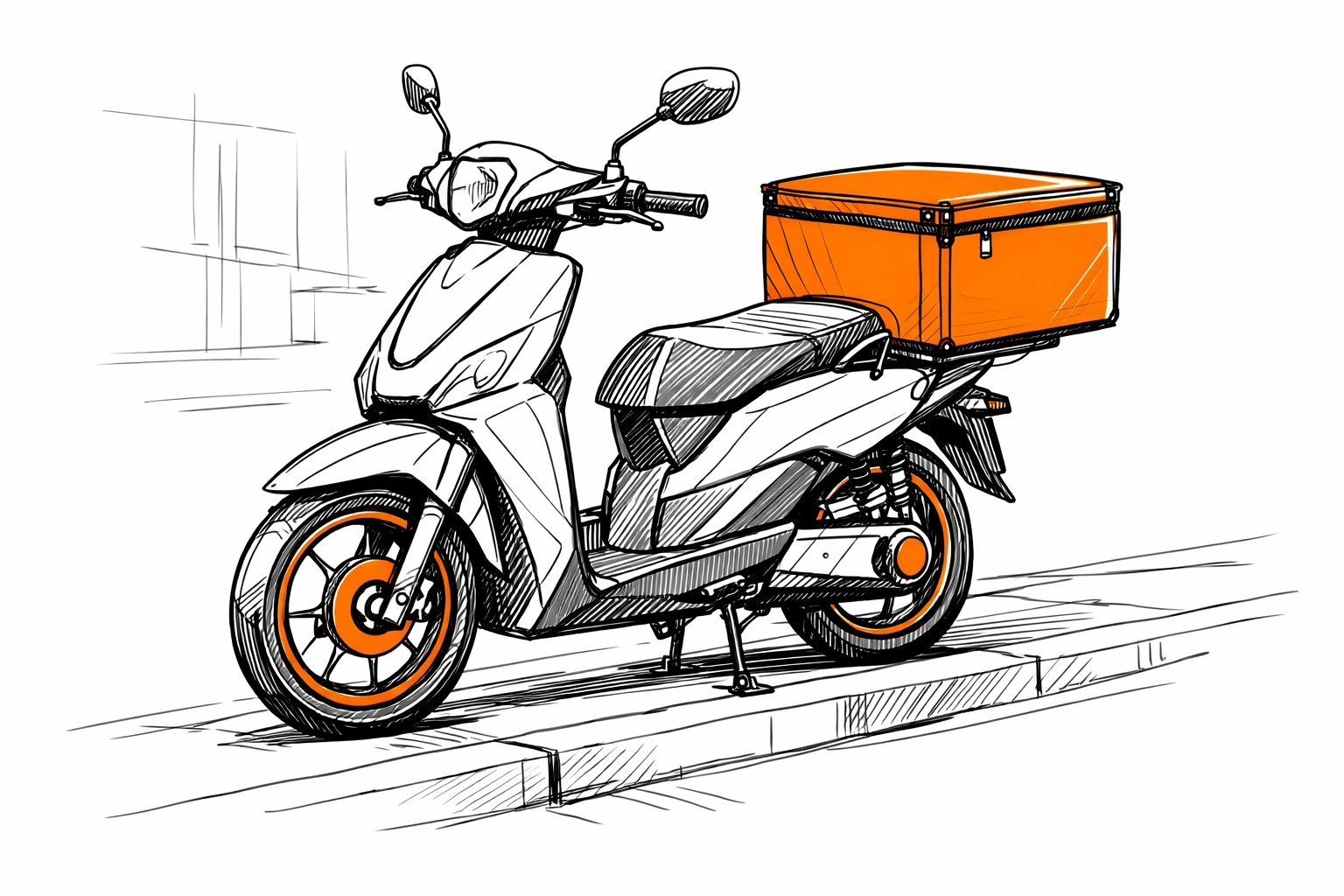
    This is perhaps the single most common mistake in the takeaway sector. If you offer delivery, you likely have drivers using their own cars or motorbikes. Many owners assume that because the driver has their own social and domestic insurance, they are covered.

    They aren’t.

    Standard motor insurance specifically excludes “Hire and Reward”: the carriage of goods for money. If your driver is involved in an accident while delivering a katsu curry or a pepperoni pizza, their personal insurer will almost certainly walk away from the claim. Going forward, you need to ensure your restaurant business insurance or your drivers’ individual policies specifically include “Hire and Reward” cover. Without it, you as the business owner could be held liable for third-party damages, and the driver could face a conviction for driving without insurance.

    Sketch of a delivery moped illustrating the need for hire and reward takeaway insurance.

    2. Neglecting Business Interruption Cover

    When people think about insurance, they usually think about the physical stuff: the building, the ovens, and the furniture. But if a fire breaks out in your kitchen tomorrow, the cost of replacing the equipment is only half the battle.

    The real killer for restaurants is the time you spend closed while the repairs happen. You still have to pay rent, you might want to keep your best staff on payroll so they don’t leave, and you still have fixed bills. Business Interruption insurance is designed to cover your lost income during this period. I’ve seen many businesses in Kent and London survive the fire but go under three months later because they couldn’t afford to stay closed for the rebuild. If you don’t have this as part of a commercial combined business insurance policy, you are leaving your future to chance.

    3. Failing to Update Equipment Values

    I often speak to restaurant owners who have spent thousands of pounds upgrading their kitchens. Maybe you’ve installed a high-tech rational oven or a specialist espresso machine. If you bought your insurance three years ago and haven’t updated your “Contents” or “Plant and Machinery” limits, you are likely underinsured.

    In the event of a total loss, the “Average Clause” might kick in. If you have £100,000 worth of equipment but only insured it for £50,000, the insurer might only pay out 50% of any claim you make, even if the claim is only for £10,000. It is vital to keep your broker informed of any major kitchen equipment changes. It only takes a five-minute phone call, but it could save you tens of thousands of pounds.

    4. The “Hot Works” and Duct Cleaning Trap

    Insurers are (rightly) terrified of kitchen fires. Because of this, almost every takeaway insurance policy comes with strict maintenance warranties.

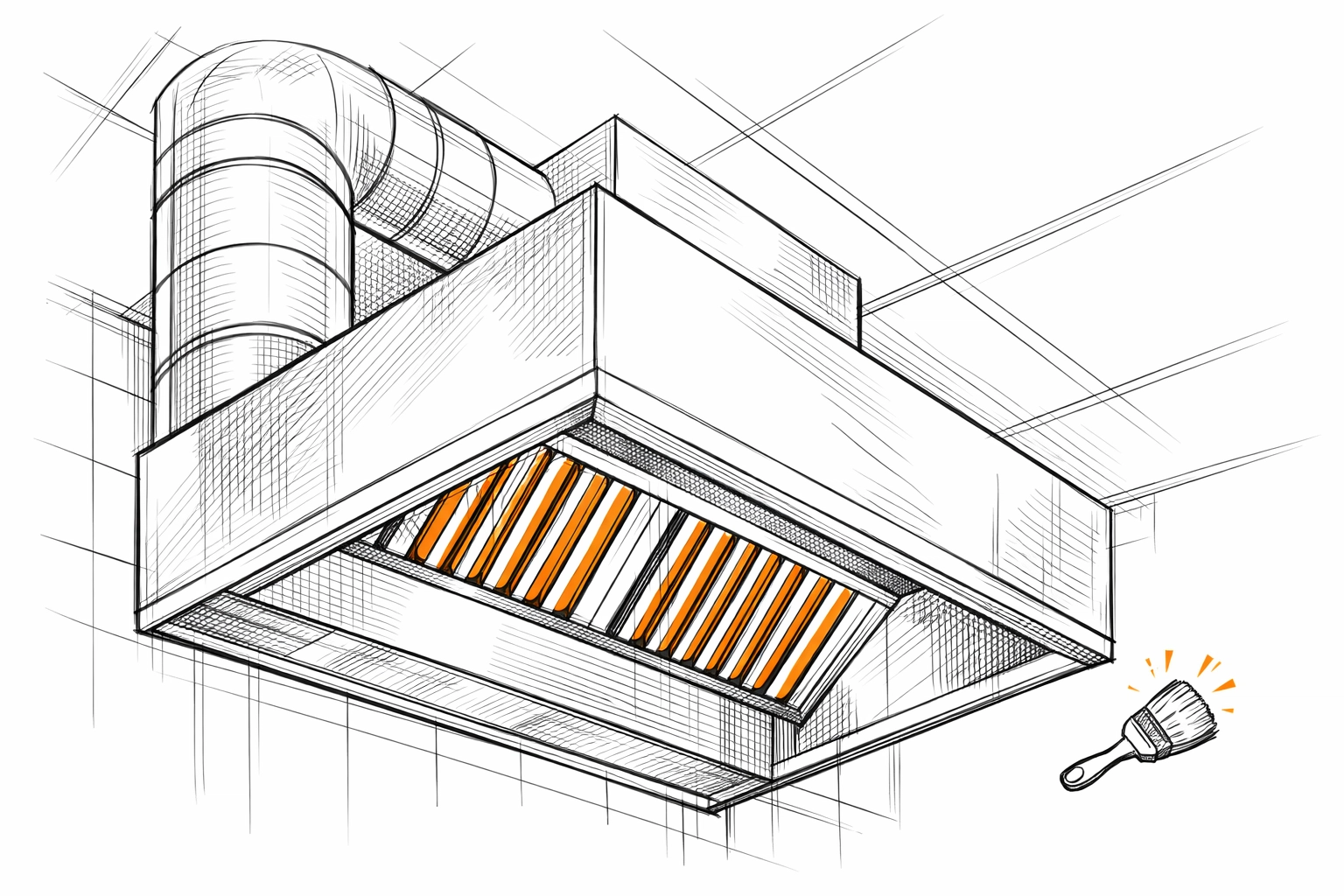
    The most common one relates to your extraction system and ductwork. Most policies require you to have your ducts professionally cleaned at least once every 6 or 12 months, and you must keep the certificates as proof. If a fire starts in the flue and you cannot produce a recent cleaning certificate, the insurer can: and likely will: refuse the claim entirely. I’ve seen it happen, and it is heartbreaking. You must treat these warranties as a non-negotiable part of your health and safety routine.

    Sketch of a kitchen extraction canopy highlighting duct cleaning warranties in takeaway insurance.

    5. Confusion Between Public and Product Liability

    Most owners know they need Public Liability insurance to cover slips and trips in the dining area. But for those in the food industry, Product Liability is just as important.

    While Public Liability covers an accident on your premises, Product Liability covers the food you serve. If a customer gets food poisoning or has an allergic reaction to a dish that wasn’t correctly labeled, that falls under Product Liability. As an Essex-based broker, we always ensure our clients understand the distinction. If you are selling food for consumption off-premises (takeaway), this is even more critical. You can find more detail on these distinctions on our useful information page.

    6. Overlooking Spoilage and Power Outages

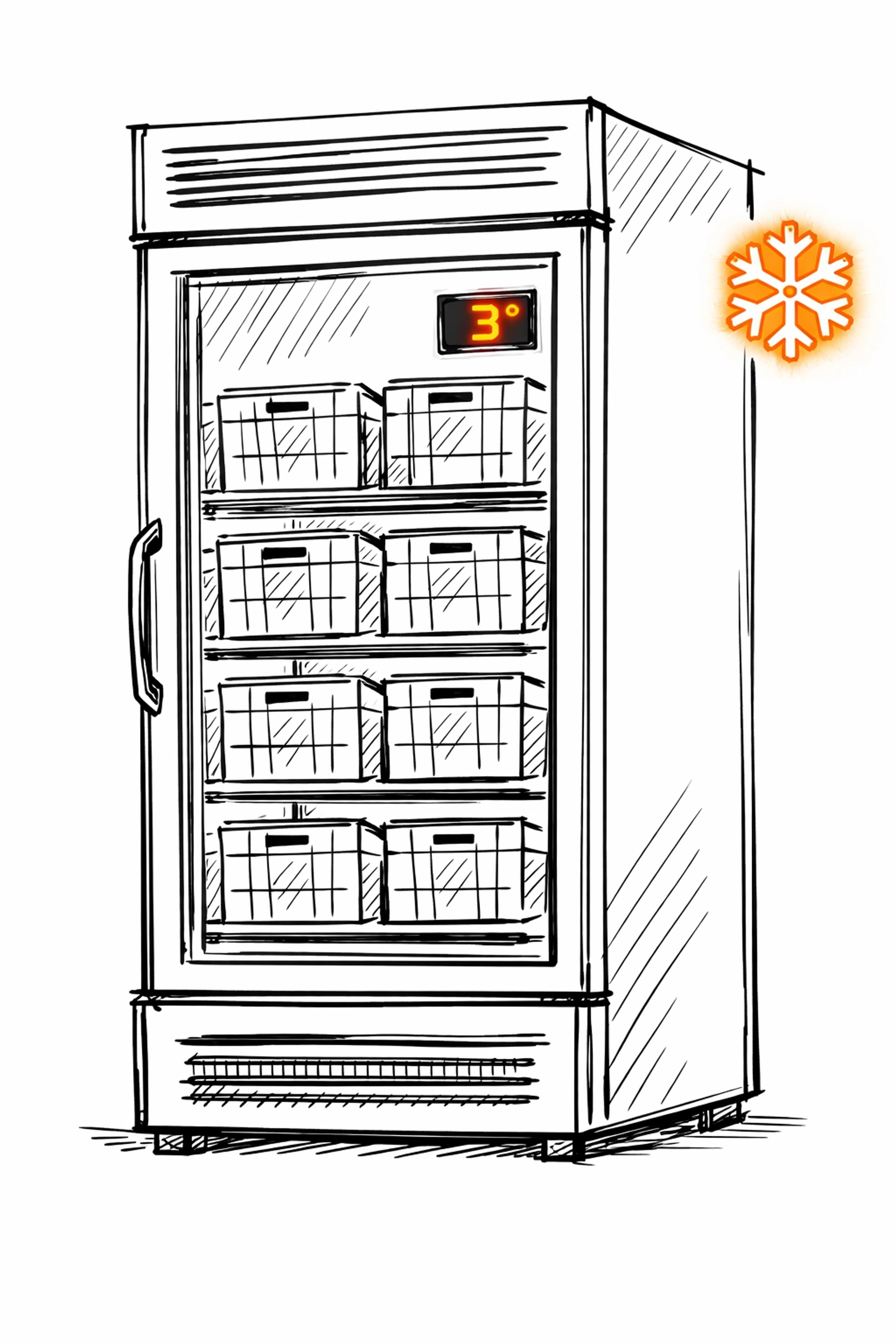
    In the restaurant business, your stock is your money. If your walk-in freezer fails overnight or there is a local power cut in your part of London, you could lose thousands of pounds worth of meat, seafood, and fresh produce.

    Many “off-the-shelf” policies don’t automatically include “Deterioration of Stock” (Spoilage) cover, or they have very low limits. Even if they do have it, they might exclude losses caused by a deliberate power cut by the utility company or equipment over a certain age. You need to check your policy to see if you are covered for “unforeseen failure” of refrigeration units. Given the rising cost of ingredients, this isn’t a risk you want to carry yourself.

    Sketch of an industrial refrigerator illustrating food spoilage cover in restaurant business insurance.

    7. The “Comparison Site” Mistake

    The biggest mistake of all is treating your business insurance like your home insurance. Comparison sites are great for standard risks, but they don’t understand the nuances of a commercial kitchen. They don’t ask about your deep fat fryer capacity, your delivery radius, or your specific lease requirements.

    When you use a broker like Moyak, you get the benefit of our “Individual Approach.” We look at your specific business in Essex or Kent and find a policy that actually fits. We know which insurers are fair when it comes to claims and which ones have “hidden” exclusions that will trip you up. A generic policy might save you £50 on your premium, but it could cost you your entire livelihood if it doesn’t pay out when you need it.

    How to Fix These Mistakes Today

    If you’ve read through this list and realized you might have a gap in your cover, don’t panic. Most of these issues can be fixed with a simple endorsement or a policy adjustment.

    Here is your immediate action plan:

    1. Check your Duct Cleaning Certificate: Is it in date? If not, book a clean today.
    2. Call your Delivery Drivers: Ask them to show you proof that their insurance includes “Hire and Reward” or “Business Use” for food delivery.
    3. Audit your Equipment: Do a quick tally of what it would cost to buy everything in your kitchen brand new today. If it’s higher than your insurance limit, call your broker.
    4. Review your Business Interruption: Look at your “Indemnity Period.” Is it 12 months? In many cases, 12 months isn’t long enough to get planning permission and rebuild after a fire. We often recommend 18 or 24 months.

    Running a restaurant or takeaway is hard enough without having to worry if your insurance is actually going to work. At Moyak Insurance Services, we specialize in taking that weight off your shoulders. Whether you’re an estate agent looking for lettings insurance or a takeaway owner in the heart of the city, we provide the professional, direct advice you need.

    If you want us to take a look at your current policy and see if any of these 7 mistakes are lurking in your paperwork, feel free to get in touch. We’re here to make sure your insurance is as solid as your reputation.

    Professional review of a restaurant business insurance policy to ensure correct coverage.

  • The One Clause in Your Contractors Insurance That Could Leave You Uncovered

    [HERO] The One Clause in Your Contractors Insurance That Could Leave You Uncovered

    I have spent a lot of time talking to business owners across Essex, from sole traders in Chelmsford to large-scale firms in Southend, and there is a common thread that worries me. Most contractors walk around with a certificate of insurance in their van, confident that if something goes wrong, they are protected. They see “Public Liability” or “Contractors Insurance” on the document and assume the safety net is wide enough to catch them.

    But the reality I see in the claims department tells a different story. In fact, many standard policies are riddled with specific clauses that act as “trap doors.” You think you’re standing on solid ground until a claim is filed, and suddenly, the insurer points to one sentence in the fine print that voids your entire coverage.

    When we talk about Contractors Insurance, we aren’t just talking about a generic product. We are talking about a complex legal contract. If you don’t understand the specific limitations of that contract, you aren’t actually insured: you’re just paying for a piece of paper that gives you a false sense of security.


    The “Height and Depth” Trap

    If there is one clause that consistently catches construction professionals off guard, it is the Height and Depth Limit.

    When you buy a standard Construction Contractor Insurance policy off a comparison website, it often comes with “standard” limits. For many insurers, “standard” means they won’t cover any work carried out at a height of more than 5 meters or 10 meters. For a roofer or a scaffolder, 10 meters might sound like plenty until you’re actually on-site at a three-story commercial building or a block of flats.

    Sketch of building height and excavation depth limits in a construction contractor insurance policy.

    I’ve seen cases where a contractor was working at 11 meters when an accident occurred. Because their policy had a strict 10-meter limit, the insurer walked away. It didn’t matter that the contractor had paid their premiums on time for five years. They breached a core warranty of the policy, and that single meter of difference cost them hundreds of thousands of pounds in personal liability.

    The same applies to depth. If your policy specifies a 2-meter depth limit for excavations and you’re digging a foundation that goes down 2.5 meters to reach stable ground, you are effectively uninsured for that entire project. At Moyak Insurance Services, we make it a priority to ask the specific questions about the projects you actually do. We don’t just tick a box; we ensure your general contractor liability insurance actually matches the physical reality of your workday.

    The Invisible “Action Over” Exclusion

    While height and depth are physical limits, there is a legal clause that is even more dangerous because it’s harder to spot: the “Action Over” exclusion. This often appears in subcontractor endorsements and is a major headache for larger firms.

    In the construction industry, we rely heavily on subcontractors. If a subcontractor’s employee gets injured on your site, they will likely claim against their employer’s insurance. However, they (or their employer’s insurer) might also bring a claim against you as the main contractor, alleging that you failed to provide a safe site.

    The “Action Over” clause essentially removes your coverage for these types of claims. If your policy has this exclusion, you are left holding the bill for injuries to people who aren’t even on your direct payroll. It’s a massive protection gap that many “budget” policies include to keep premiums low. When we review policies for our clients, this is one of the first things we look for, as it can be the difference between a business surviving a lawsuit or going under.

    The Hot Works Warranty: A Fire Waiting to Happen

    For many trades: plumbers, roofers, and steelworkers: “hot works” are a daily necessity. Whether it’s welding, grinding, or using a blowtorch, the risk of fire is significantly higher. Because of this, insurers insert a “Hot Works Warranty.”

    This isn’t just a suggestion; it’s a strict set of rules you must follow to remain covered. Usually, it requires:

    • A fire extinguisher to be within a certain distance of the work.
    • A “fire watch” to be conducted for 30 to 60 minutes after the work is finished.
    • All combustible materials to be cleared from the area.

    I have spoken to contractors who forgot to do the final fire watch. They finished the job at 4:30 PM, packed up, and left. At 5:30 PM, a smoldering spark caught light. Because they didn’t follow the “Hot Works” clause to the letter, the insurer denied the claim. This is why having a broker who understands general tradesmen liability insurance is vital: you need someone to explain these warranties in plain English before the work starts.

    Welding equipment illustration representing hot works warranty requirements for tradesmen insurance.

    Professional Indemnity: What You Say Can Hurt You

    Another area where I see contractors being left uncovered is “Design and Build” risk. Most standard Contractors Insurance policies focus on “Public Liability”: which covers physical damage or injury. But what happens if you give professional advice or make a design error that causes a financial loss for your client, even if nothing physically breaks?

    If you suggest a specific material or layout and it turns out to be unfit for purpose, causing the project to be delayed or requiring expensive rectification, your Public Liability policy will likely stay silent. You need Professional Indemnity insurance to cover those “errors and omissions.” Many contractors assume that because they aren’t “architects,” they don’t need it. Going forward, if you are providing any level of design or technical advice, you need to check if your policy has a Professional Liability exclusion. You can learn more about this on our useful information page.

    Why the “Comparison Site” Approach Fails Contractors

    The modern trend of buying insurance through an automated portal is fine for a car or a pet, but for a construction business, it’s a gamble. Those portals are designed for “standard” risks. They don’t ask about the specific height of the roof you’re working on today, or whether you’re working near a railway line, or if you’re using heat on a Grade II listed building.

    When you use a generic site, you are often buying a “one size fits all” policy. But in construction, there is no such thing as a standard job. Every site has different risks. If you are a cleaning company moving into specialized post-construction cleaning, for example, your requirements change significantly. You might need to look at cleaning contractors insurance rather than a simple domestic policy.

    Magnifying glass over blueprints representing a broker review of hidden clauses in contractor insurance.

    The Moyak Individual Approach

    At Moyak Insurance Services, we take a different view. We are an Essex-based brokerage, and we believe in the “individual approach.” When you talk to us, you aren’t talking to an algorithm. You’re talking to people who understand the local market.

    We take the time to read the endorsements and the “hidden” clauses for you. Our goal is to make sure that when you’re out on a job, you can focus on the work, knowing that the “Height and Depth” limits actually match your project and the “Hot Works” warranties are manageable for your team. We look at the big picture, often combining risks into a Commercial Combined Business Insurance policy that offers much broader protection than a standalone public liability ticket.

    Practical Next Steps for Your Business

    I don’t say all this to cause alarm, but to encourage pragmatic realism. Your insurance is one of your biggest overheads; you should make sure it actually works.

    Here is what I recommend doing this week:

    1. Check your Schedule: Look for a section titled “Endorsements” or “Warranties.” Look specifically for height and depth limits.
    2. Verify your Subcontractors: If you use “Bona-Fide” subcontractors, check if your policy requires you to verify their insurance every year. If you don’t, your own insurance might be void.
    3. Review your “Hot Works”: Does your team actually know what the policy requires them to do after using a torch?
    4. Speak to a Broker: If you aren’t 100% sure about a clause, ask.

    If you’re unsure whether your current Construction Contractor Insurance is actually protecting you, we are here to help. We pride ourselves on being direct and honest: if your current policy is great, we’ll tell you. But if there’s a gap that could ruin your business, we’ll find it before the insurer does.

    You can find out more about who we are and how we work by visiting our website. Don’t wait for a claim to find out what’s in your policy. Let’s make sure you’re covered today.

    Professional handshake symbolising a solid business foundation through expert insurance brokerage.

    Insurance shouldn’t be a “cross your fingers” exercise. It should be a solid foundation for your business growth. In the construction world, we know that the smallest measurement error can lead to a collapse. The same is true for your insurance policy. One small clause can be the difference between a minor setback and a total loss. Be direct, be honest with your broker about what you do, and make sure your cover is as solid as your workmanship.

  • Combined Commercial Insurance vs Individual Policies: Which Is Better For Your Growing Business?

    [HERO] Combined Commercial Insurance vs Individual Policies: Which Is Better For Your Growing Business?

    As a business grows, so does the complexity of its risks. I have sat across the desk from many business owners in Essex who started out with a single, simple policy but now find themselves juggling four or five different renewal dates, multiple sets of paperwork, and a nagging feeling that they are either over-insured or: worse: missing something vital.

    When you reach this stage of growth, you face a critical choice: do you continue building a “tower” of individual policies, or do you move to a combined commercial insurance model? From my experience as a broker, there isn’t a one-size-fits-all answer, but there is definitely a “best fit” for your specific trajectory.


    What Exactly is Combined Commercial Insurance?

    Think of a combined policy as a bespoke multi-pack. Instead of buying your Public Liability from one provider, your Business Interruption from another, and your Buildings cover from a third, you wrap them all into one single contract.

    It is designed to be flexible. For a growing restaurant, it might include covers for fire, theft, and restaurant-specific liabilities. For a construction firm, it might bundle contractors’ liability with plant and tool cover. The goal is to provide a seamless safety net that moves with your business.

    The Efficiency of “The Single Renewal”

    I can’t tell you how many times I’ve seen a business owner accidentally let a policy lapse because they simply forgot which month it was due. When you have individual policies, you have individual administrative burdens. That’s more direct debits to track and more renewal invitations to read.

    Sketch showing multiple insurance renewal dates consolidating into one single combined policy calendar.

    With a combined policy, you have one renewal date. This doesn’t just save time; it changes how you look at your business’s risk. Once a year, we sit down and look at the whole picture. We see how the turnover has increased, how the staff numbers have changed, and we adjust the entire policy at once. It’s a holistic approach that matches the way a Director actually thinks about their company.

    Cost Savings: The Bundle Benefit

    Let’s be honest: price matters. In the insurance world, just like in any other industry, there are often “bulk” benefits. Insurers like a “clean” risk where they hold multiple lines of cover because it gives them a better understanding of the total exposure. Often, this leads to a lower overall premium than if you were to source each element separately.

    Furthermore, you avoid “insurance sprawl”: where you pay for the same thing twice. For example, you might have a small amount of contents cover hidden in a standalone liability policy, while also paying for a dedicated contents policy. A combined approach strips out those overlaps, ensuring every pound of your premium is working as hard as it can.

    Eliminating the “Silent” Gaps

    This is where my professional concern usually kicks in. When you have separate policies with different insurers, you run the risk of gaps in your coverage. Each insurer has their own set of definitions and exclusions.

    I’ve seen cases where a claim falls into a “grey area” between two policies. Insurer A says it’s a property claim; Insurer B says it’s a liability issue. While they argue, the business owner is left waiting. By using combined commercial insurance, you ensure that the wording is consistent. The definitions align, and because it’s usually one insurer holding the risk, there is nowhere for them to hide when a claim arises.

    Minimalist sketch of puzzle pieces representing aligned coverage and eliminated gaps in commercial insurance.

    When Individual Policies Still Make Sense

    It would be wrong of me to suggest that combined is always the winner. There are times when a standalone policy is the right tool for the job.

    If your business has a very specific, high-risk niche: such as a tech firm needing heavy Cyber Insurance or a legal firm requiring Professional Indemnity: you might find that a standard combined package isn’t specialized enough. In these instances, we often recommend a hybrid approach: a core combined policy for your general risks (Liability, Property, etc.) supplemented by specialist standalone covers. This gives you the administrative ease of the combined policy without compromising on the depth of protection for your most specialized risks.

    Industry Focus: How This Looks in Practice

    Let’s look at three common industries we work with here at Moyak Insurance Services to see how the choice plays out:

    1. The Cleaning Sector

    A small cleaning firm usually starts with a simple liability policy. But as they grow, they might hire staff and buy expensive industrial floor buffers. At this point, moving to a combined cleaning company insurance policy makes sense. It covers the staff (Employers’ Liability), the equipment (All Risks), and the public (Public Liability) all in one.

    2. Restaurants and Cafes

    A restaurant is a high-risk environment. You have fire risks, food poisoning risks, and expensive stock in the freezers. Trying to manage separate policies for your ovens, your staff, and your building is a nightmare. A restaurant combined policy ensures that if a fire breaks out, the damage to the building, the loss of stock, and the loss of income (Business Interruption) are all handled by one team.

    3. Construction and Trades

    For a general contractor, a liability policy is the bare minimum. But once you start taking on larger contracts, you need “Contract Works” cover: which protects the work you are actually doing while it’s in progress. Combining this with your plant and tool cover ensures that if a site is vandalized, you aren’t calling three different brokers to get back to work.

    Illustration of a unified insurance safety net for cleaning, restaurant, and construction business sectors.

    The Human Element: Why the Broker Matters

    I think one of the biggest mistakes people make when scaling is trying to “DIY” their insurance through online portals. Those portals are designed for the simplest 10% of businesses. As soon as you have premises, staff, or complex contracts, you need a human being who knows the market.

    As an Essex-based insurance brokerage, we see ourselves as a partner in your growth. We aren’t just here to sell a policy; we are here to audit your risks. We can look at your current “pile” of individual policies and tell you straight whether you’d be better off staying as you are or moving to a combined commercial insurance structure.

    Professional handshake over business plans symbolizing a partnership with an Essex insurance broker.

    Final Thoughts: Making the Move

    If you feel like you are spending more time managing your insurance than you are managing your business, it is a sign that your current setup has been outgrown. Growing a business is hard enough without the added stress of fragmented protection.

    Going forward, I recommend taking a look at your renewal dates. If they are scattered throughout the year, give us a call. We can often align those dates and transition you into a more robust, cost-effective combined policy that grows alongside you.

    Whether you are in the retail sector, running an estate agency, or managing a busy pub, your insurance should be the foundation you build on, not a hurdle you have to jump over every few months.

    If you’re ready to simplify your cover and potentially save on your premiums, get in touch with the team here at Moyak Insurance Services. Let’s make sure your growing business is protected the right way.

  • 7 Mistakes You’re Making with Cleaning Business Insurance (and How to Fix Them)

    [HERO] 7 Mistakes You’re Making with Cleaning Business Insurance (and How to Fix Them)

    Running a cleaning business in 2026 isn’t just about getting the right shine on a window or ensuring a commercial office in Dartford is spotless before the Monday morning rush. Whether you are a solo operative or managing a growing team across London, Essex, and Kent, you are navigating a landscape filled with physical risks, client expectations, and: most importantly: legal requirements.

    In my time at Moyak Insurance Services, I’ve spoken to hundreds of cleaning contractors. I see the same patterns over and over again. Business owners are working incredibly hard, but they often leave themselves wide open to financial ruin because of a simple misunderstanding of their policy. Insurance shouldn’t be a “tick-box” exercise you do once a year and then forget about. It’s a living part of your business strategy.

    If you’re wondering if your current setup is actually protecting you, or if you’re just starting out and want to get it right the first time, here are the seven most common mistakes I see with cleaning business insurance and, more importantly, how you can fix them.


    1. Operating Without the Right Type of Coverage (or None at All)

    It sounds obvious, but I still encounter people who think that because they “only do domestic work” or “only work for friends,” they don’t need proper cleaning business insurance. Some try to save a few pounds by relying on a standard home insurance policy or a very basic public liability cover that doesn’t actually fit the cleaning industry.

    The fix is simple: you need a policy designed for cleaners. This usually includes Public Liability (essential for when someone trips over your vacuum cord), Employers’ Liability (legally required if you have any staff), and potentially Professional Indemnity if you’re offering consultancy or specialized advice.

    A single incident: like a chemical spill that ruins an expensive hardwood floor or a slip-and-fall accident that results in a £20,000 claim: can shut down an uninsured business overnight. In my experience, the cost of the premium is nothing compared to the cost of a legal battle.

    A protective umbrella over cleaning equipment symbolizing reliable cleaning business insurance coverage.

    2. Underestimating Your Policy Limits as You Grow

    When you first start out, a £1 million Public Liability limit might seem like a huge amount of money. But as your business grows and you start taking on larger commercial contracts in London or high-end residential work in the Kent countryside, that limit might not be enough.

    Many commercial landlords or local authorities now require a minimum of £5 million or even £10 million in coverage before they’ll even let you on-site. If you haven’t reviewed your policy limits in the last year, you might be accidentally breaching your contracts or, worse, leaving yourself underinsured.

    Regularly review your revenue and client base. If you’re moving from domestic homes to office blocks, give us a call at Moyak. We can help you scale your commercial combined business insurance so it grows alongside your ambitions.

    3. The “Handshake Deal” Vulnerability

    I’ve seen it happen too often: a cleaner does a “favour” for a client outside the usual scope of work, something goes wrong, and there’s no written record of what was agreed. Operating on verbal agreements leaves you completely exposed to disputes over liability.

    The fix is to always have a signed service agreement. This isn’t just about getting paid; it’s about defining the scope of your insurance. Your policy covers you for the work you are contracted to do. If you start performing tasks that aren’t in your contract: like basic maintenance or moving heavy furniture: your insurance might not cover an accident occurring during those tasks.

    Create a standard contract that includes a damage waiver and a clear description of services. It protects you, and it makes you look more professional to your clients.

    4. Missing Critical Gaps: The “Invisible” Risks

    Standard liability insurance is great, but it has blind spots. Many cleaners assume they are fully covered when they aren’t. Here are the common gaps I see:

    • Employee Dishonesty: What happens if a member of your staff steals from a client? Standard liability won’t cover this. You need a janitorial bond or specific employee dishonesty coverage.
    • Tools in Transit: If your expensive carpet cleaners or industrial vacuums are stolen from your van while you’re parked in an Essex high street, a basic policy might not pay out. You need “Inland Marine” or “Tools and Equipment” coverage.
    • Cyber Liability: In 2026, even small cleaning businesses use apps for scheduling and store client data. If you’re hacked, the fallout can be expensive. Cyber insurance is becoming a necessity.

    I think it’s vital to sit down with a broker who understands the difference between cleaning business insurance vs cleaning contractors insurance. We can help you spot these gaps before a claim happens.

    A magnifying glass identifying hidden gaps in a cleaning contractors insurance policy contract.

    5. The “Care, Custody, or Control” Trap

    This is perhaps the most technical mistake, but it’s the one that catches out the most cleaners. Most standard Public Liability policies have an exclusion for “Care, Custody, or Control.”

    Essentially, this means the insurance company might refuse to pay if you damage an item that you were actually working on. For example, if you are cleaning an expensive chandelier and it falls, the insurer might argue it was in your “care,” and therefore excluded.

    The fix is to ensure your policy includes an extension for “Damage to Property Under Work” or “Treatment Risk.” At Moyak, we make sure to highlight these nuances. We want you to know exactly what happens when the bleach hits the wrong carpet: not find out six weeks later when a claim is rejected.

    6. Failing to Update Coverage During Business Changes

    Insurance is not a “set it and forget it” task. Your business is dynamic. If you’ve hired two new staff members in Maidstone, bought a new van to cover more of London, or started offering specialized pressure washing services, your insurance needs to change.

    I suggest scheduling a review every time you make a significant purchase or change your service list. If you add specialized services like biohazard cleaning or window cleaning at height, these carry much higher risks and require specific endorsements. If you don’t tell your insurer, your whole policy could be voided.

    Illustration of cleaning business growth from small tools to industrial equipment needing updated insurance.

    7. Not Protecting Against the “Small” Frequent Claims

    Everyone worries about the massive lawsuits, but it’s the small, frequent claims that often drain a business. Slip-and-fall accidents are the number one claim in the cleaning industry.

    The fix isn’t just insurance; it’s risk management. Use clear signage, document your safety training, and ensure your staff knows exactly how to handle chemicals. I often tell my clients that the best insurance claim is the one that never happens.

    If you can demonstrate to an insurer that you have solid safety protocols in place, you’re not just a lower risk: you’re often eligible for better rates. We can help you look at your business through the eyes of an underwriter to see where you can improve.

    How Moyak Insurance Services Can Help

    At Moyak, we don’t believe in one-size-fits-all insurance. We’re a local brokerage based in the heart of the community, and we pride ourselves on a personalized approach. Whether you need general tradesmen liability insurance or a bespoke package for a large cleaning firm, we take the time to understand your specific risks.

    I’ve seen many local businesses in Essex and Kent struggle with automated call centers and “computer says no” attitudes from big insurers. We do things differently. We’re practitioners who understand the industry from the inside out.

    If you’re unsure about your current coverage, don’t wait for a disaster to find out the truth. Let’s have a practical conversation about your business. We can review your existing policy, identify the gaps, and ensure you’re protected so you can get back to what you do best: keeping our region clean.

    A wet floor caution sign highlighting risk management and liability protection for cleaning businesses.

    Next Steps for Your Business

    1. Check your limits: Is £1 million still enough for your current clients?
    2. Review your exclusions: Do you have “Care, Custody, and Control” coverage?
    3. Update your inventory: Are all your newest tools and vehicles listed?
    4. Talk to a specialist: Reach out to us for a personalized quote or review.

    Going forward, I expect the cleaning industry to face even more scrutiny regarding health and safety and data protection. Staying ahead of these trends now will save you a world of trouble later. We’re here to help you navigate that journey, one policy at a time.

    For more information on how we support various sectors, from residential landlords to estate agents, feel free to browse our resources or get in touch. Stay safe out there!

  • Combined Commercial Insurance: 10 Things Essex Business Owners Wish They’d Known Sooner

    [HERO] Combined Commercial Insurance: 10 Things Essex Business Owners Wish They'd Known Sooner

    Last updated: March 3, 2026

    It’s March now, the business year is properly in full swing, and the “we’ll sort it after New Year” list has either been tackled or it’s quietly turned into a permanent feature. In that mix, I still speak with dozens of business owners across Essex and Kent every month, and there’s a pattern I can’t ignore: the same questions come up again and again, and the same regrets show up when claims happen or renewal time arrives. “I wish I’d known that earlier” is something I hear far too often.

    The truth is, combined commercial insurance isn’t as straightforward as many business owners assume when they’re just trying to get things moving. There are small details that can save you thousands of pounds, and a few common blind spots that can leave you exposed at exactly the wrong time.

    Here are ten things that successful Essex and Kent business owners wish they’d understood from day one, and where our Individual Approach makes a real difference because it’s built around how your business actually operates, not a generic template.


    1. Bundling Actually Saves You Serious Money (And Time)

    Most business owners start by shopping around for individual policies: public liability here, employers’ liability there, maybe buildings insurance somewhere else. It feels like you’re being thorough and getting the best deal on each component.

    In reality, you’re probably overpaying significantly. When insurers bundle policies together into a combined package, they can offer rates that are 20-30% lower than purchasing everything separately. I’ve seen Essex businesses reduce their annual insurance costs by £1,500 or more simply by consolidating existing covers into one combined policy.

    But the real benefit isn’t just financial. Managing one renewal date, one set of paperwork, and having one point of contact when you need to make changes saves hours of administrative hassle throughout the year. For a busy business owner, that time matters.

    Business owner comparing scattered insurance policies to consolidated combined commercial coverage

    2. Coverage Gaps Are Your Silent Enemy

    Here’s a scenario I’ve encountered more times than I’d like to admit: a business has public liability insurance but discovers during a claim that damage to third-party property wasn’t covered in the way they expected. Or they have property insurance but didn’t realize their business interruption cover was inadequate.

    When you piece together insurance from multiple providers, gaps emerge in the spaces between policies. Each insurer assumes certain risks are covered elsewhere, and you’re left holding the bag when something falls through the cracks.

    A well-structured combined commercial insurance policy addresses the most common business risks comprehensively. Everything is designed to work together, reducing the likelihood of discovering an expensive coverage gap at the worst possible moment.

    3. Your Premises Location Matters More Than You Think

    Operating in Essex or Kent comes with specific considerations that many national insurance providers don’t fully account for. Coastal businesses in areas like Southend or Whitstable face different flood and weather-related risks than those inland.

    Working with a local insurance broker in Essex means your policy reflects these regional realities, but also your reality as a business owner. This is where our Individual Approach matters: we take the time to understand what you do day-to-day, where the pressure points really are, and what would genuinely hurt if it went wrong. We also understand which postcodes have higher theft rates, which areas experience more frequent weather claims, and how local building construction affects replacement costs. These details directly impact both your premiums and your coverage adequacy.

    4. £5 Million Public Liability Isn’t Always Necessary (But Sometimes It Is)

    There’s a common assumption that more coverage is always better, and while that’s partly true, it’s not the full picture. Most Essex businesses genuinely need £1-2 million in public liability cover. That’s sufficient for retail shops, small offices, and many service businesses.

    But if you work with public sector clients, large corporations, or operate in higher-risk sectors like construction, you’ll often find contracts requiring £5 or even £10 million in cover. I’ve seen businesses lose valuable contracts simply because they didn’t have adequate public liability limits in place.

    The key is understanding your specific circumstances rather than defaulting to arbitrary figures. With our Individual Approach, we’ll help you land on what’s actually appropriate for your business activities, your contracts, and your client requirements, so you’re not paying for limits you don’t need, but you’re also not getting caught short when it counts.

    5. Business Interruption Cover Needs Proper Calculation

    Business interruption insurance often gets treated as an afterthought: businesses add it to their policy without really thinking through the figures. Then when a genuine interruption occurs, they discover their cover falls dramatically short.

    Your business interruption limit should account for all your fixed costs (rent, salaries, loan repayments) plus a reasonable profit margin for the period you’d be unable to trade. Many businesses opt for 12 months of cover, though some high-risk operations need longer.

    The calculation requires honest assessment. If your shop in Chelmsford had to close for six months due to fire damage, what would it actually cost to keep your business alive while you rebuild? That’s your starting point, not some arbitrary percentage of your turnover.

    Essex coastline showing coastal business locations and regional weather considerations for insurance

    6. Your Policy Should Evolve With Your Business

    I’ve worked with businesses that are still using the same insurance policy they took out five years ago, despite the fact that their turnover has doubled, they’ve moved premises, hired ten more staff, and completely changed their product offerings.

    Business circumstances change constantly, and your combined commercial insurance needs to keep pace. Annual reviews aren’t just box-ticking exercises: they’re opportunities to ensure your cover remains appropriate as your business grows and evolves, and it’s exactly the sort of thing our Individual Approach is designed for, keeping your policy aligned with what’s actually happening in your business.

    Too often, business owners only reassess their insurance when something prompts them (a near-miss, a friend’s claim horror story, or a dramatic premium increase). Being proactive about reviewing your coverage means you’re always properly protected rather than discovering problems retrospectively.

    7. Underinsuring Property Is a Costly Mistake

    When business owners try to reduce premiums, property insurance often becomes a target. They’ll insure their building for £300,000 when the true rebuild cost would be £450,000, thinking they’ve saved themselves some money on the annual premium.

    The problem emerges during claims. Most commercial property policies include an “average clause,” which means if you’re underinsured by a certain percentage, your claim payout is reduced by that same percentage. Underinsure by 30%, and even a £50,000 claim gets reduced to £35,000. You haven’t saved money: you’ve just shifted when you’ll pay it.

    Your property insurance limit needs to reflect the full replacement value of your buildings and contents, not their depreciated value or what you paid for them years ago. Building costs in Essex have increased substantially in recent years, so historical figures often fall short of current replacement requirements.

    8. Optional Extras Often Become Essential

    When you’re reviewing a combined policy quote, there’s always a section listing optional add-ons: cyber insurance, professional indemnity, legal expenses cover, goods in transit. It’s tempting to decline everything that feels like an “extra” to keep the premium down.

    But I think many business owners underestimate how quickly these “optional” covers become essential. A single legal dispute over a contract could cost you £15,000 in legal fees. A cyber incident could shut down your operations for a week. Professional indemnity claims regularly exceed £50,000.

    The cost of adding these elements to a combined policy is usually quite modest: often just a few hundred pounds annually. The financial exposure you’re accepting by declining them is considerably higher. It’s worth having a proper conversation about which optional covers actually make sense for your specific business activities.

    9. Claims History Affects Your Future More Than You Realize

    Every insurance claim you make gets recorded and follows your business forward. Multiple claims in a short period can make it difficult to find affordable coverage later, regardless of whether those claims were your fault or not.

    This doesn’t mean you shouldn’t claim when something happens: that’s what insurance exists for. But it does mean you should think carefully about smaller claims that might sit below your excess or only slightly above it. Sometimes absorbing a minor loss directly is the more financially sensible long-term decision.

    Working with an experienced insurance broker in Essex means you can have these conversations before making claim decisions. With our Individual Approach, we can look at your situation properly, explain the potential knock-on effects in plain English, and help you make the call on when claiming makes sense and when it might not.

    Retail shop and construction site comparing different public liability insurance coverage requirements

    10. Not All Insurance Brokers Offer the Same Value

    Here’s something I’ve observed over years in this industry: many business owners assume all insurance brokers are essentially the same. They’ll shop around based purely on premium cost, missing the substantial difference in service quality and expertise.

    A broker who genuinely understands your industry and region can save you significant money while improving your coverage. We know which insurers specialize in particular sectors, which are currently offering competitive rates for Essex businesses, and how to structure policies to maximize protection while controlling costs.

    More importantly, when claims happen: and eventually they do: having a broker who knows your business and will advocate on your behalf makes an enormous difference to outcomes. The cheapest premium often comes from brokers who provide minimal ongoing service, leaving you to navigate claims processes alone.

    Moving Forward With Combined Commercial Insurance

    The business owners I work with who feel most confident about their insurance situation share a common characteristic: they’ve taken time to properly understand their coverage rather than treating it as a compliance exercise or necessary evil.

    Combined commercial insurance represents a significant business expense, but it’s also fundamental protection for everything you’ve built. Getting it right from the start: or fixing it now if you’ve realized some of these points apply to your current situation: makes commercial sense.

    If you’re operating in Essex or Kent and recognize yourself in any of these ten points, it’s worth reviewing your current insurance arrangements. A proper assessment doesn’t cost anything, but discovering coverage problems during a claim certainly does.

    At Moyak Insurance Services, we work specifically with business owners across Essex and Kent to build combined commercial insurance packages that actually make sense for their circumstances. We’re not interested in selling you coverage you don’t need, but we are committed to ensuring you’re properly protected where it matters.

    The businesses that thrive long-term are those that address risks proactively rather than reactively. Your insurance strategy deserves the same thoughtful attention you give to your business planning, financial management, and growth strategies.