
![[HERO] 7 Mistakes You're Making with General Contractor Liability Insurance (and How to Fix Them)](https://moyakinsurance.co.uk/wp-content/uploads/joomla-import/oo_teeDMQwq.webp)
Running a construction business in the UK, particularly in high-demand areas like London and Essex, is a balancing act of logistics, labour, and legislation. As a director or project lead, you’re likely focused on the physical progress of your sites: the concrete pours in Romford or the fit-outs in Canary Wharf. However, the administrative backbone of your business, specifically your General Contractor Liability Insurance, is often where the most significant risks hide.
In my years working within the insurance brokerage space, I’ve seen that many contractors treat their liability policy like a “set and forget” utility. But a policy that worked for you three years ago might be completely inadequate for the projects you’re winning today. Mistakes in your coverage don’t just lead to higher premiums; they can lead to total claim denials that threaten the very existence of your company.
Here are the seven most common mistakes I see general contractors making today and, more importantly, how you can fix them before they become a problem.
1. Sticking to “Minimum” Limits in a High-Value Market
Many contractors start out with a standard £1 million or £2 million Public Liability limit. While this might suffice for minor residential repairs in smaller towns, it is increasingly becoming a barrier to entry for larger contracts in London and the South East.
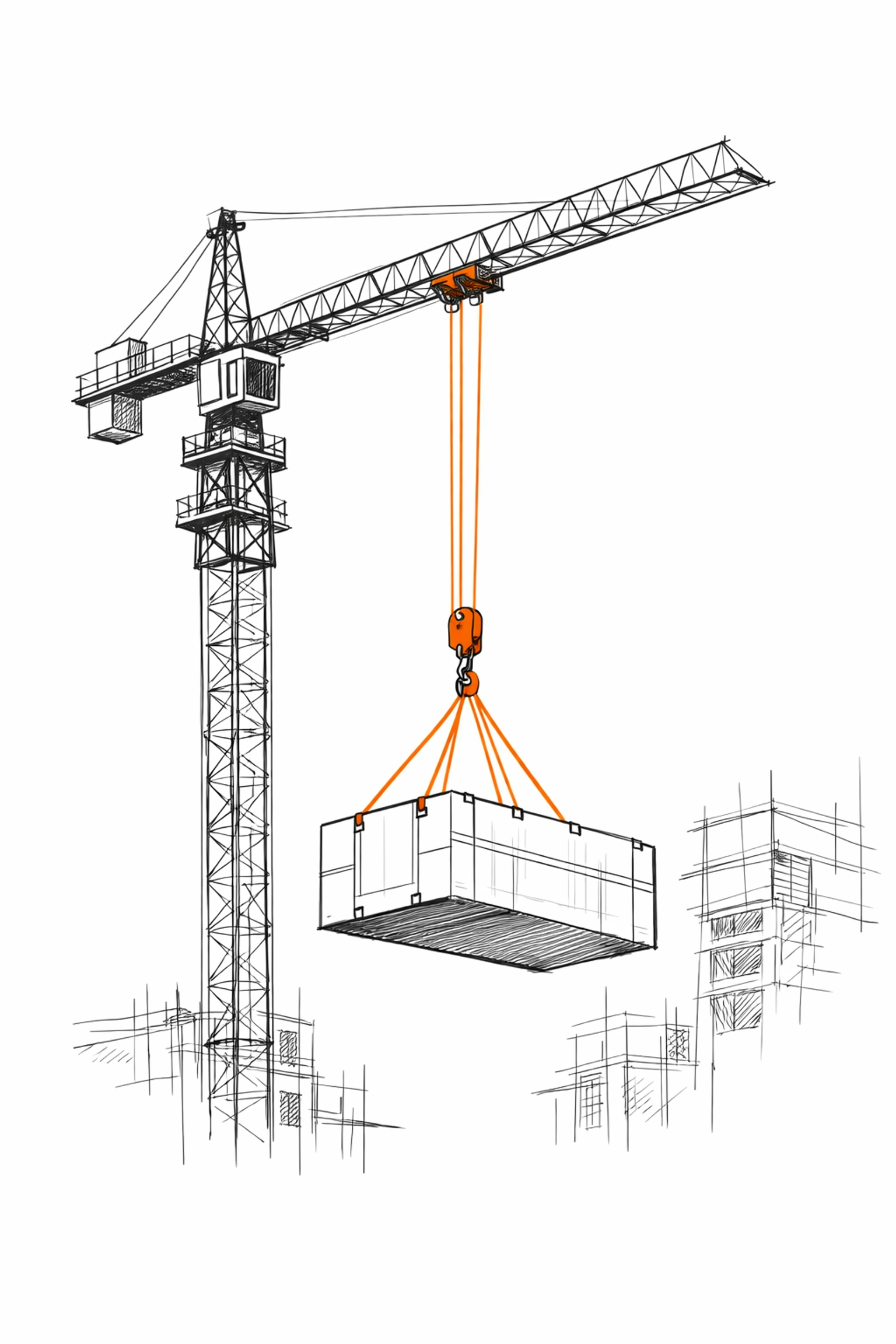
I’ve spoken to many firms that missed out on tendering for local authority projects or major commercial developments because their liability limits didn’t meet the “Gold Standard” of £5 million or even £10 million. In a city like London, where property values are astronomical and the density of people is high, a single accident involving a crane or a major fire can easily exceed a £2 million limit.
How to Fix It: Don’t wait for a tender document to tell you your insurance is insufficient. Review your current project pipeline. If you’re moving from residential extensions to commercial combined business insurance territory, speak to your broker about increasing your limits. Often, the jump from £2m to £5m is surprisingly affordable compared to the risk of being underinsured or losing a contract.
2. Misclassifying Your Business Activities
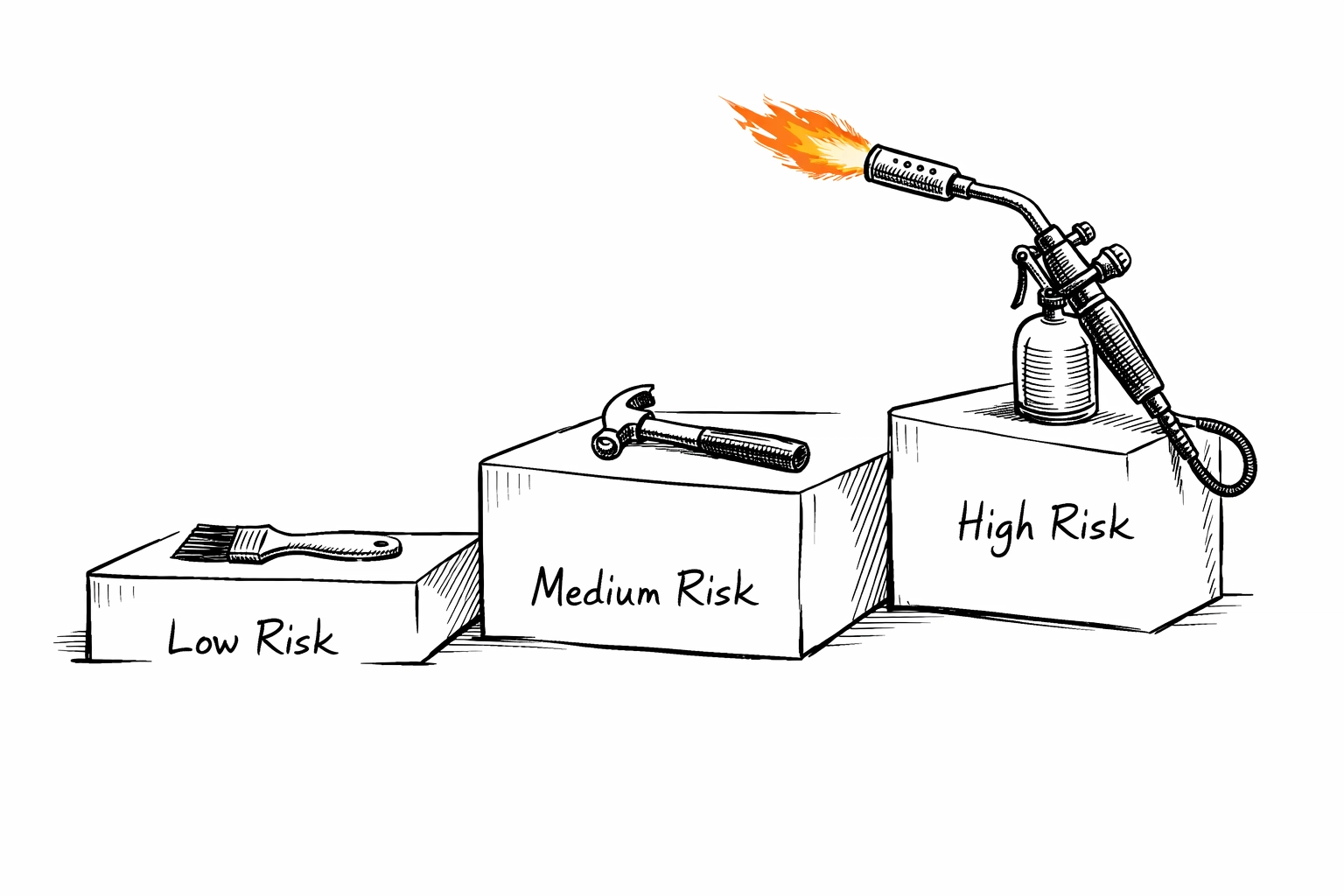
This is perhaps the most dangerous mistake of all. When you take out a policy, you declare your “Business Description.” If you describe yourself as a “General Builder” but 40% of your turnover actually comes from high-risk roofing work or basement excavations, you are on thin ice.
Insurers calculate risk based on what you tell them you do. If a claim arises from an activity that isn’t listed on your policy: for example, if you’re working at heights above your policy’s limit or using heat on a project when your policy excludes it: the insurer may have grounds to void the claim entirely. I have seen contractors in Essex lose everything because they forgot to update their insurer when they pivoted from internal renovations to structural groundworks.
How to Fix It: Be brutally honest and specific. If your scope of work has changed, your policy needs to change with it. At Moyak Insurance Services, we make it a point to drill down into the specifics of a contractor’s daily operations to ensure the description on the certificate matches the reality on the ground.

3. Assuming “Vicarious Liability” is Automatic for Subcontractors
A common misconception among general contractors is that their policy automatically covers any damage or injury caused by their subcontractors. This isn’t strictly true. Most General Contractor Liability Insurance policies require that you ensure your subcontractors have their own adequate insurance in place.
If your subcontractor causes a major incident and their insurance is found to be invalid or non-existent, the claimant will look to you: the main contractor: for compensation. This is known as “Vicarious Liability.” If you haven’t followed the policy conditions regarding subcontractor vetting, your own insurer might refuse to step in.
How to Fix It: Implement a strict “No Insurance, No Entry” policy for every site. You should collect and verify the insurance certificates of every bona-fide subcontractor (BFSC) every year. Ensure their limits match yours and that their policy doesn’t have exclusions that conflict with the work they are doing for you.
4. Overlooking the “Care, Custody, and Control” Exclusion
Standard Public Liability insurance is designed to cover damage to third-party property. However, many policies contain an exclusion for property that is in your “Care, Custody, or Control.”
Imagine you are renovating a high-end Victorian terrace in London. If you accidentally knock over a ladder and smash the client’s expensive chandelier, your standard liability policy might not pay out because that chandelier was technically in your “care” while you were working in that room. This gap in coverage catches out hundreds of contractors every year.
How to Fix It: Look for “Contract Works” or “All Risks” extensions within your commercial combined business insurance package. These additions are designed to cover the work in progress and the property you are working on, filling the gap that standard Public Liability leaves behind.
5. Failing to Disclose Material Changes Mid-Term
Business is rarely static. You might start the year with five employees and end it with fifteen. Your turnover might double after winning a major contract in Essex. Many contractors wait until the annual renewal to report these changes, but that is a mistake.
Insurance is a contract of “Utmost Good Faith.” If your business grows significantly or changes its risk profile mid-term and you don’t inform the insurer, you are effectively operating under a policy that no longer represents your business. In the event of a claim, an insurer could argue that had they known about the increased payroll or turnover, they would have charged a higher premium or applied different terms.
How to Fix It: Treat your insurance broker as a business partner. Whenever you make a significant hire, purchase a new fleet of vehicles, or sign a contract that significantly boosts your turnover, send a quick update. Going forward, making this a habit ensures your protection scales alongside your success.

6. Neglecting the Nuances of Employers’ Liability
In the UK, Employers’ Liability (EL) is a legal requirement if you have even one employee. However, the mistake contractors make is in the definition of an “employee.” For insurance purposes, “Labour-Only Subcontractors” (LOSC) are often treated as employees.
If you hire someone who uses your tools, works under your direct supervision, and doesn’t provide their own materials, they are likely an LOSC. If they get injured on your site in London and you haven’t declared them as part of your EL headcount, you are not only facing a massive financial liability but also potential legal action from the Health and Safety Executive (HSE).
How to Fix It: Accurately split your payroll between bona-fide subcontractors and labour-only subcontractors when discussing your General Contractor Liability Insurance. It’s better to pay the correct premium now than to face a £2,500 fine per day for not having the right EL cover in place.
7. Choosing Price Over Expertise
I see it every day: a contractor goes onto a comparison site, finds the cheapest “General Tradesman” policy, and thinks they’re covered. But general tradesman policies are often “off-the-shelf” products that aren’t built for the complexities of a general contractor managing multiple sites, various trades, and high-value contracts.
A specialist broker understands the local landscape. They know that a contractor working in Central London faces different risks: such as “Party Wall” issues or “Non-Negligent Liability” (6.5.1 insurance): than someone doing garden walls in a rural area. Choosing the cheapest policy often means you’re buying a policy full of exclusions that you won’t discover until it’s too late.
How to Fix It: Work with a specialist like Moyak Insurance Services. We don’t just sell you a policy; we look at your contracts, your site locations, and your growth plans to build a bespoke insurance programme. Whether you need estate agent lettings insurance for a property portfolio or high-limit liability for a construction firm, expertise always pays for itself in the long run.
The Practitioner’s Perspective
I think the biggest issue in the industry right now is the “compliance gap.” Contractors are busier than ever, and insurance is often seen as a hurdle to jump over rather than a safety net to rely on. But if you’re working in the London or Essex construction market, the stakes are too high to leave things to chance.
At Moyak, we’ve seen how a well-structured General Contractor Liability Insurance policy can be a competitive advantage. When you can present a comprehensive, professionally brokered insurance portfolio to a potential client, it speaks volumes about your professionalism and reliability.
Moving Forward
If any of these mistakes sound familiar, don’t panic: but don’t wait. The first step is a simple audit of your current documents. Check your business description, check your limits, and check your subcontractor requirements.
If you’re unsure where you stand, reach out to us. We’ve helped countless contractors across the South East tighten up their coverage and often find that we can provide better protection for a similar cost simply by removing the errors and omissions that lead to “premium leakage.”
Your business is built on solid foundations; make sure your insurance is too.
Next Steps:
- Review your current Public Liability limit against your largest upcoming contract.
- Audit your subcontractor insurance certificates for the current year.
- Schedule a consultation with a specialist broker to discuss your commercial combined business insurance needs.
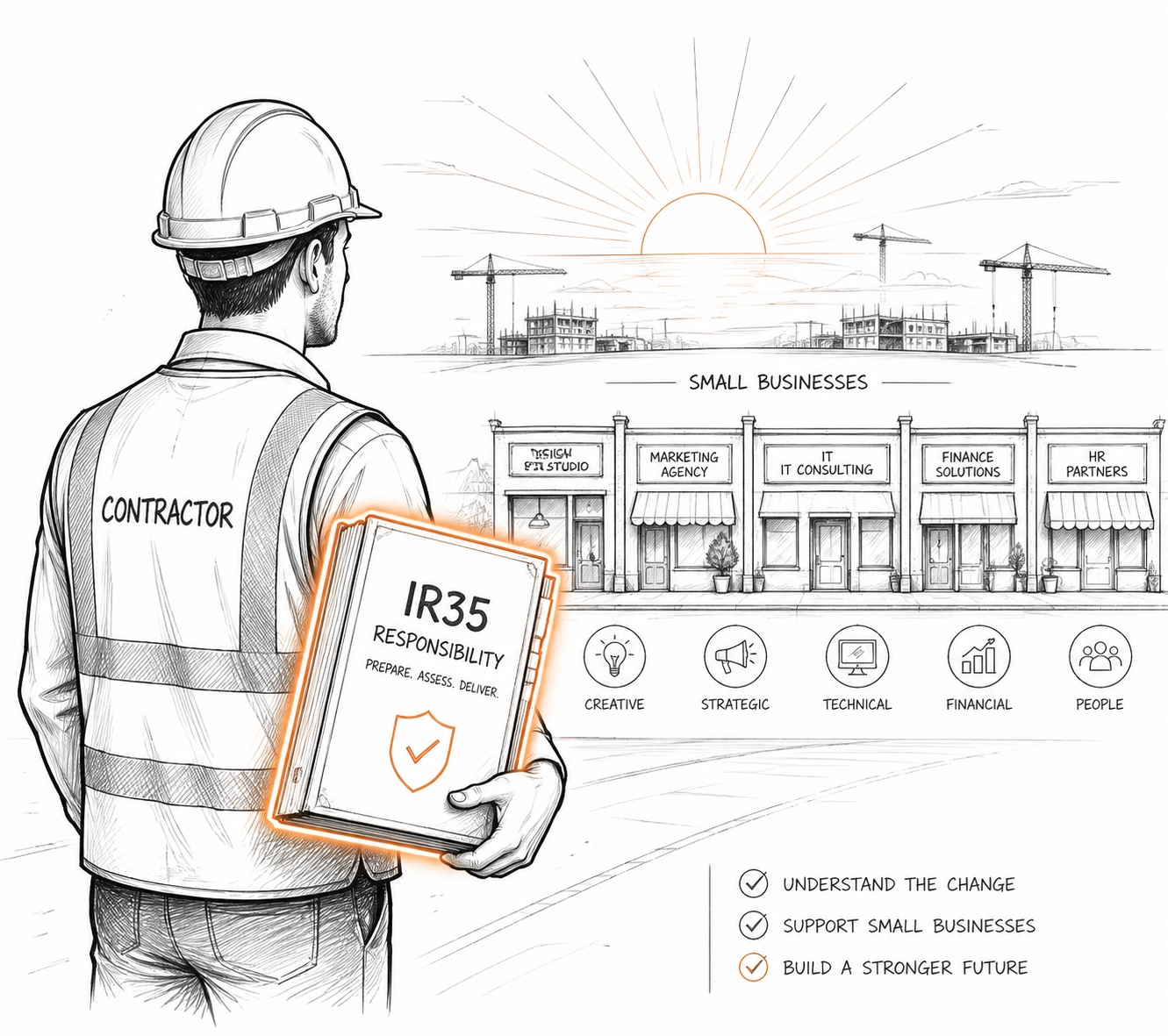
![[HERO] Why the 2026 IR35 Rules Will Change the Way You Handle Construction Contractor Insurance](https://moyakinsurance.co.uk/wp-content/uploads/joomla-import/ce_8aY4zygG.webp)


![[HERO] Why the 2025 Employment Rights Act Will Change the Way You Look at General Contractor Liability Insurance](https://moyakinsurance.co.uk/wp-content/uploads/joomla-import/IdCdwtxfUAY.webp)


![[HERO] 10 Reasons Your General Contractor Liability Insurance Isn't Enough (And How to Fix It)](https://moyakinsurance.co.uk/wp-content/uploads/joomla-import/st0X_WiyloF.webp)

![[HERO] Looking For Construction Contractor Insurance? 5 Things You Need to Know Before the October 2026 Building Safety Levy](https://moyakinsurance.co.uk/wp-content/uploads/joomla-import/9A84LQKIZnE.webp)

![[HERO] How Construction Insurance Premiums are Calculated in 2026: A Contractor's Guide](https://moyakinsurance.co.uk/wp-content/uploads/joomla-import/-xlZL-4SQJh.webp)
![[HERO] How to Avoid the Biggest Construction Contractor Insurance Pitfalls (and Lower Your Premium)](https://moyakinsurance.co.uk/wp-content/uploads/joomla-import/Erhc4n7tx-I.webp)


![[HERO] Are You Making These Common General Contractor Liability Insurance Mistakes with Subcontractors?](https://moyakinsurance.co.uk/wp-content/uploads/joomla-import/eYGVMtMRwXW.webp)


![[HERO] 7 Mistakes You’re Making with Business Insurance London (and How to Fix Them)](https://moyakinsurance.co.uk/wp-content/uploads/joomla-import/x8o5fuZ_NR9.webp)



![[HERO] Looking For General Contractor Liability Insurance? Here Are 10 Things You Should Know About the New Building Safety Rules](https://moyakinsurance.co.uk/wp-content/uploads/joomla-import/F04M-ZhE4Od.webp)