📞 01375 392 087  ·  ✉ info@moyakinsurance.co.uk

Mon–Fri: 9:30am – 5:30pm

Category: Blog

  • 7 Mistakes You’re Making with Cleaning Business Insurance (and How to Fix Them)

    [HERO] 7 Mistakes You’re Making with Cleaning Business Insurance (and How to Fix Them)

    Running a cleaning business in 2026 isn’t just about getting the right shine on a window or ensuring a commercial office in Dartford is spotless before the Monday morning rush. Whether you are a solo operative or managing a growing team across London, Essex, and Kent, you are navigating a landscape filled with physical risks, client expectations, and: most importantly: legal requirements.

    In my time at Moyak Insurance Services, I’ve spoken to hundreds of cleaning contractors. I see the same patterns over and over again. Business owners are working incredibly hard, but they often leave themselves wide open to financial ruin because of a simple misunderstanding of their policy. Insurance shouldn’t be a “tick-box” exercise you do once a year and then forget about. It’s a living part of your business strategy.

    If you’re wondering if your current setup is actually protecting you, or if you’re just starting out and want to get it right the first time, here are the seven most common mistakes I see with cleaning business insurance and, more importantly, how you can fix them.


    1. Operating Without the Right Type of Coverage (or None at All)

    It sounds obvious, but I still encounter people who think that because they “only do domestic work” or “only work for friends,” they don’t need proper cleaning business insurance. Some try to save a few pounds by relying on a standard home insurance policy or a very basic public liability cover that doesn’t actually fit the cleaning industry.

    The fix is simple: you need a policy designed for cleaners. This usually includes Public Liability (essential for when someone trips over your vacuum cord), Employers’ Liability (legally required if you have any staff), and potentially Professional Indemnity if you’re offering consultancy or specialized advice.

    A single incident: like a chemical spill that ruins an expensive hardwood floor or a slip-and-fall accident that results in a £20,000 claim: can shut down an uninsured business overnight. In my experience, the cost of the premium is nothing compared to the cost of a legal battle.

    A protective umbrella over cleaning equipment symbolizing reliable cleaning business insurance coverage.

    2. Underestimating Your Policy Limits as You Grow

    When you first start out, a £1 million Public Liability limit might seem like a huge amount of money. But as your business grows and you start taking on larger commercial contracts in London or high-end residential work in the Kent countryside, that limit might not be enough.

    Many commercial landlords or local authorities now require a minimum of £5 million or even £10 million in coverage before they’ll even let you on-site. If you haven’t reviewed your policy limits in the last year, you might be accidentally breaching your contracts or, worse, leaving yourself underinsured.

    Regularly review your revenue and client base. If you’re moving from domestic homes to office blocks, give us a call at Moyak. We can help you scale your commercial combined business insurance so it grows alongside your ambitions.

    3. The “Handshake Deal” Vulnerability

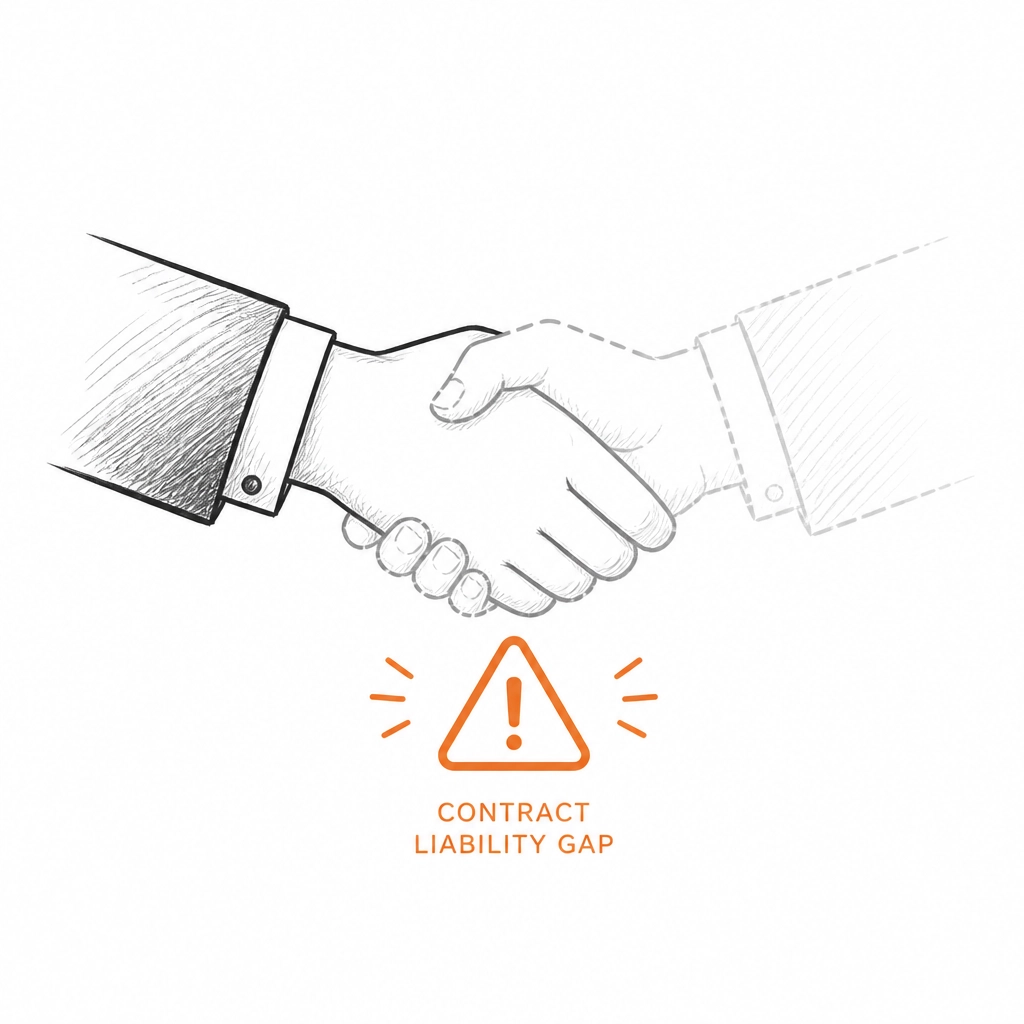
    I’ve seen it happen too often: a cleaner does a “favour” for a client outside the usual scope of work, something goes wrong, and there’s no written record of what was agreed. Operating on verbal agreements leaves you completely exposed to disputes over liability.

    The fix is to always have a signed service agreement. This isn’t just about getting paid; it’s about defining the scope of your insurance. Your policy covers you for the work you are contracted to do. If you start performing tasks that aren’t in your contract: like basic maintenance or moving heavy furniture: your insurance might not cover an accident occurring during those tasks.

    Create a standard contract that includes a damage waiver and a clear description of services. It protects you, and it makes you look more professional to your clients.

    4. Missing Critical Gaps: The “Invisible” Risks

    Standard liability insurance is great, but it has blind spots. Many cleaners assume they are fully covered when they aren’t. Here are the common gaps I see:

    • Employee Dishonesty: What happens if a member of your staff steals from a client? Standard liability won’t cover this. You need a janitorial bond or specific employee dishonesty coverage.
    • Tools in Transit: If your expensive carpet cleaners or industrial vacuums are stolen from your van while you’re parked in an Essex high street, a basic policy might not pay out. You need “Inland Marine” or “Tools and Equipment” coverage.
    • Cyber Liability: In 2026, even small cleaning businesses use apps for scheduling and store client data. If you’re hacked, the fallout can be expensive. Cyber insurance is becoming a necessity.

    I think it’s vital to sit down with a broker who understands the difference between cleaning business insurance vs cleaning contractors insurance. We can help you spot these gaps before a claim happens.

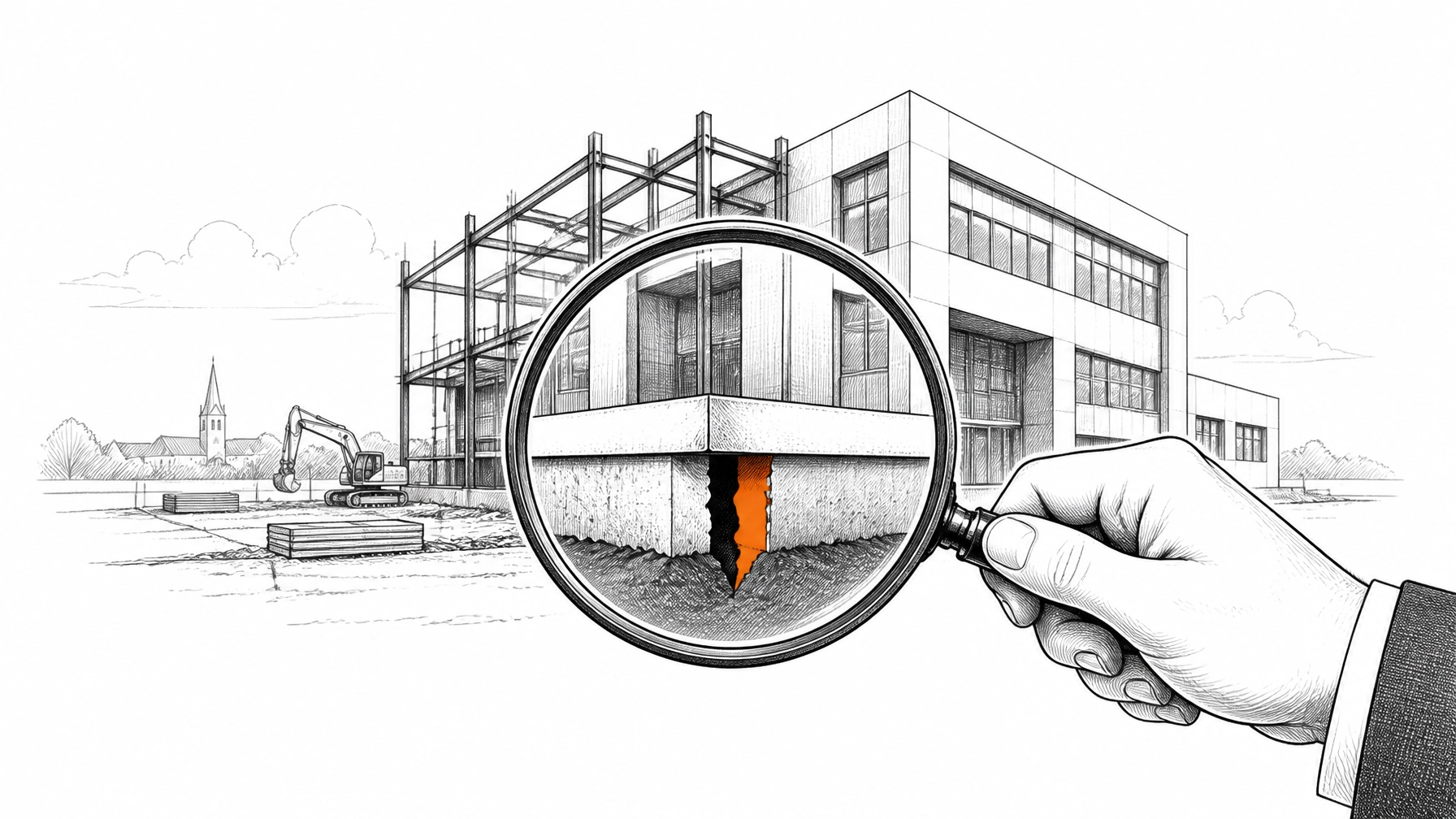
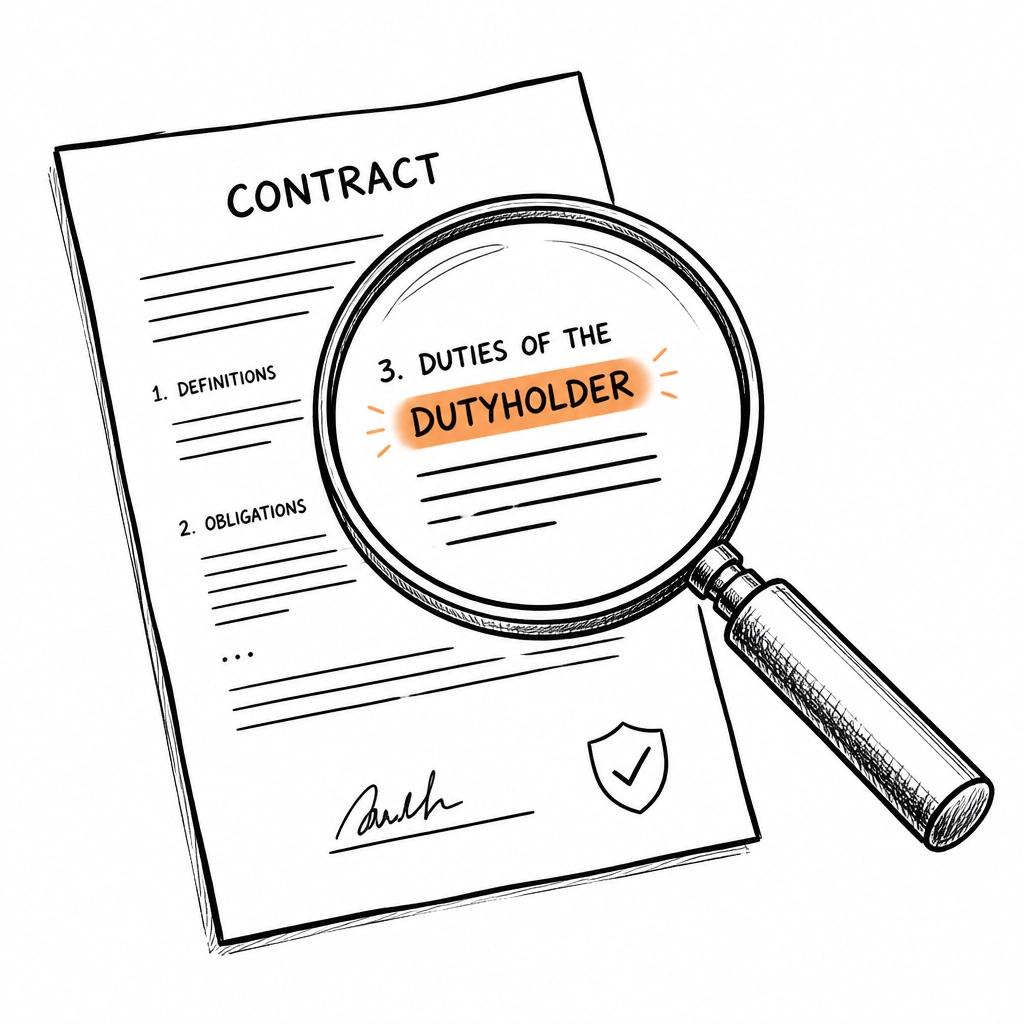
    A magnifying glass identifying hidden gaps in a cleaning contractors insurance policy contract.

    5. The “Care, Custody, or Control” Trap

    This is perhaps the most technical mistake, but it’s the one that catches out the most cleaners. Most standard Public Liability policies have an exclusion for “Care, Custody, or Control.”

    Essentially, this means the insurance company might refuse to pay if you damage an item that you were actually working on. For example, if you are cleaning an expensive chandelier and it falls, the insurer might argue it was in your “care,” and therefore excluded.

    The fix is to ensure your policy includes an extension for “Damage to Property Under Work” or “Treatment Risk.” At Moyak, we make sure to highlight these nuances. We want you to know exactly what happens when the bleach hits the wrong carpet: not find out six weeks later when a claim is rejected.

    6. Failing to Update Coverage During Business Changes

    Insurance is not a “set it and forget it” task. Your business is dynamic. If you’ve hired two new staff members in Maidstone, bought a new van to cover more of London, or started offering specialized pressure washing services, your insurance needs to change.

    I suggest scheduling a review every time you make a significant purchase or change your service list. If you add specialized services like biohazard cleaning or window cleaning at height, these carry much higher risks and require specific endorsements. If you don’t tell your insurer, your whole policy could be voided.

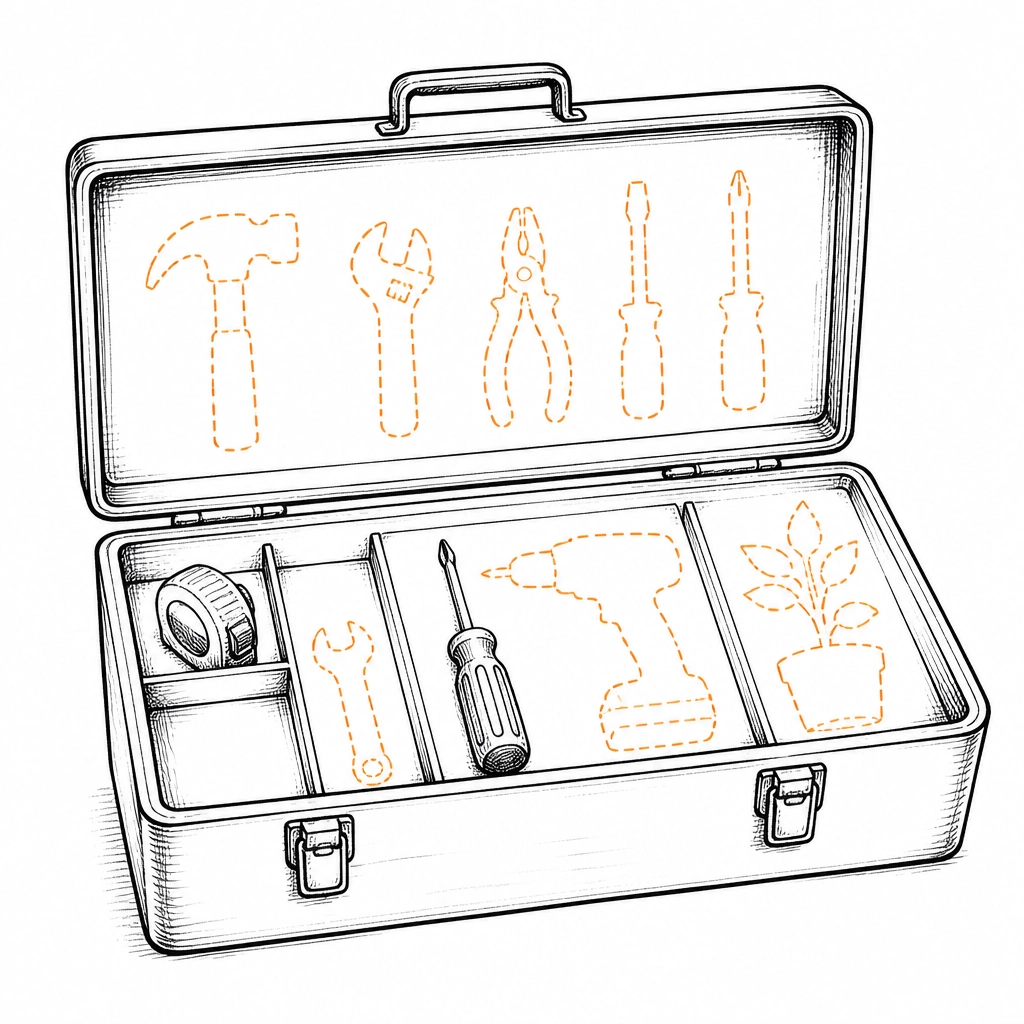
    Illustration of cleaning business growth from small tools to industrial equipment needing updated insurance.

    7. Not Protecting Against the “Small” Frequent Claims

    Everyone worries about the massive lawsuits, but it’s the small, frequent claims that often drain a business. Slip-and-fall accidents are the number one claim in the cleaning industry.

    The fix isn’t just insurance; it’s risk management. Use clear signage, document your safety training, and ensure your staff knows exactly how to handle chemicals. I often tell my clients that the best insurance claim is the one that never happens.

    If you can demonstrate to an insurer that you have solid safety protocols in place, you’re not just a lower risk: you’re often eligible for better rates. We can help you look at your business through the eyes of an underwriter to see where you can improve.

    How Moyak Insurance Services Can Help

    At Moyak, we don’t believe in one-size-fits-all insurance. We’re a local brokerage based in the heart of the community, and we pride ourselves on a personalized approach. Whether you need general tradesmen liability insurance or a bespoke package for a large cleaning firm, we take the time to understand your specific risks.

    I’ve seen many local businesses in Essex and Kent struggle with automated call centers and “computer says no” attitudes from big insurers. We do things differently. We’re practitioners who understand the industry from the inside out.

    If you’re unsure about your current coverage, don’t wait for a disaster to find out the truth. Let’s have a practical conversation about your business. We can review your existing policy, identify the gaps, and ensure you’re protected so you can get back to what you do best: keeping our region clean.

    A wet floor caution sign highlighting risk management and liability protection for cleaning businesses.

    Next Steps for Your Business

    1. Check your limits: Is £1 million still enough for your current clients?
    2. Review your exclusions: Do you have “Care, Custody, and Control” coverage?
    3. Update your inventory: Are all your newest tools and vehicles listed?
    4. Talk to a specialist: Reach out to us for a personalized quote or review.

    Going forward, I expect the cleaning industry to face even more scrutiny regarding health and safety and data protection. Staying ahead of these trends now will save you a world of trouble later. We’re here to help you navigate that journey, one policy at a time.

    For more information on how we support various sectors, from residential landlords to estate agents, feel free to browse our resources or get in touch. Stay safe out there!

  • Combined Commercial Insurance: 10 Things Essex Business Owners Wish They’d Known Sooner

    [HERO] Combined Commercial Insurance: 10 Things Essex Business Owners Wish They'd Known Sooner

    Last updated: March 3, 2026

    It’s March now, the business year is properly in full swing, and the “we’ll sort it after New Year” list has either been tackled or it’s quietly turned into a permanent feature. In that mix, I still speak with dozens of business owners across Essex and Kent every month, and there’s a pattern I can’t ignore: the same questions come up again and again, and the same regrets show up when claims happen or renewal time arrives. “I wish I’d known that earlier” is something I hear far too often.

    The truth is, combined commercial insurance isn’t as straightforward as many business owners assume when they’re just trying to get things moving. There are small details that can save you thousands of pounds, and a few common blind spots that can leave you exposed at exactly the wrong time.

    Here are ten things that successful Essex and Kent business owners wish they’d understood from day one, and where our Individual Approach makes a real difference because it’s built around how your business actually operates, not a generic template.


    1. Bundling Actually Saves You Serious Money (And Time)

    Most business owners start by shopping around for individual policies: public liability here, employers’ liability there, maybe buildings insurance somewhere else. It feels like you’re being thorough and getting the best deal on each component.

    In reality, you’re probably overpaying significantly. When insurers bundle policies together into a combined package, they can offer rates that are 20-30% lower than purchasing everything separately. I’ve seen Essex businesses reduce their annual insurance costs by £1,500 or more simply by consolidating existing covers into one combined policy.

    But the real benefit isn’t just financial. Managing one renewal date, one set of paperwork, and having one point of contact when you need to make changes saves hours of administrative hassle throughout the year. For a busy business owner, that time matters.

    Business owner comparing scattered insurance policies to consolidated combined commercial coverage

    2. Coverage Gaps Are Your Silent Enemy

    Here’s a scenario I’ve encountered more times than I’d like to admit: a business has public liability insurance but discovers during a claim that damage to third-party property wasn’t covered in the way they expected. Or they have property insurance but didn’t realize their business interruption cover was inadequate.

    When you piece together insurance from multiple providers, gaps emerge in the spaces between policies. Each insurer assumes certain risks are covered elsewhere, and you’re left holding the bag when something falls through the cracks.

    A well-structured combined commercial insurance policy addresses the most common business risks comprehensively. Everything is designed to work together, reducing the likelihood of discovering an expensive coverage gap at the worst possible moment.

    3. Your Premises Location Matters More Than You Think

    Operating in Essex or Kent comes with specific considerations that many national insurance providers don’t fully account for. Coastal businesses in areas like Southend or Whitstable face different flood and weather-related risks than those inland.

    Working with a local insurance broker in Essex means your policy reflects these regional realities, but also your reality as a business owner. This is where our Individual Approach matters: we take the time to understand what you do day-to-day, where the pressure points really are, and what would genuinely hurt if it went wrong. We also understand which postcodes have higher theft rates, which areas experience more frequent weather claims, and how local building construction affects replacement costs. These details directly impact both your premiums and your coverage adequacy.

    4. £5 Million Public Liability Isn’t Always Necessary (But Sometimes It Is)

    There’s a common assumption that more coverage is always better, and while that’s partly true, it’s not the full picture. Most Essex businesses genuinely need £1-2 million in public liability cover. That’s sufficient for retail shops, small offices, and many service businesses.

    But if you work with public sector clients, large corporations, or operate in higher-risk sectors like construction, you’ll often find contracts requiring £5 or even £10 million in cover. I’ve seen businesses lose valuable contracts simply because they didn’t have adequate public liability limits in place.

    The key is understanding your specific circumstances rather than defaulting to arbitrary figures. With our Individual Approach, we’ll help you land on what’s actually appropriate for your business activities, your contracts, and your client requirements, so you’re not paying for limits you don’t need, but you’re also not getting caught short when it counts.

    5. Business Interruption Cover Needs Proper Calculation

    Business interruption insurance often gets treated as an afterthought: businesses add it to their policy without really thinking through the figures. Then when a genuine interruption occurs, they discover their cover falls dramatically short.

    Your business interruption limit should account for all your fixed costs (rent, salaries, loan repayments) plus a reasonable profit margin for the period you’d be unable to trade. Many businesses opt for 12 months of cover, though some high-risk operations need longer.

    The calculation requires honest assessment. If your shop in Chelmsford had to close for six months due to fire damage, what would it actually cost to keep your business alive while you rebuild? That’s your starting point, not some arbitrary percentage of your turnover.

    Essex coastline showing coastal business locations and regional weather considerations for insurance

    6. Your Policy Should Evolve With Your Business

    I’ve worked with businesses that are still using the same insurance policy they took out five years ago, despite the fact that their turnover has doubled, they’ve moved premises, hired ten more staff, and completely changed their product offerings.

    Business circumstances change constantly, and your combined commercial insurance needs to keep pace. Annual reviews aren’t just box-ticking exercises: they’re opportunities to ensure your cover remains appropriate as your business grows and evolves, and it’s exactly the sort of thing our Individual Approach is designed for, keeping your policy aligned with what’s actually happening in your business.

    Too often, business owners only reassess their insurance when something prompts them (a near-miss, a friend’s claim horror story, or a dramatic premium increase). Being proactive about reviewing your coverage means you’re always properly protected rather than discovering problems retrospectively.

    7. Underinsuring Property Is a Costly Mistake

    When business owners try to reduce premiums, property insurance often becomes a target. They’ll insure their building for £300,000 when the true rebuild cost would be £450,000, thinking they’ve saved themselves some money on the annual premium.

    The problem emerges during claims. Most commercial property policies include an “average clause,” which means if you’re underinsured by a certain percentage, your claim payout is reduced by that same percentage. Underinsure by 30%, and even a £50,000 claim gets reduced to £35,000. You haven’t saved money: you’ve just shifted when you’ll pay it.

    Your property insurance limit needs to reflect the full replacement value of your buildings and contents, not their depreciated value or what you paid for them years ago. Building costs in Essex have increased substantially in recent years, so historical figures often fall short of current replacement requirements.

    8. Optional Extras Often Become Essential

    When you’re reviewing a combined policy quote, there’s always a section listing optional add-ons: cyber insurance, professional indemnity, legal expenses cover, goods in transit. It’s tempting to decline everything that feels like an “extra” to keep the premium down.

    But I think many business owners underestimate how quickly these “optional” covers become essential. A single legal dispute over a contract could cost you £15,000 in legal fees. A cyber incident could shut down your operations for a week. Professional indemnity claims regularly exceed £50,000.

    The cost of adding these elements to a combined policy is usually quite modest: often just a few hundred pounds annually. The financial exposure you’re accepting by declining them is considerably higher. It’s worth having a proper conversation about which optional covers actually make sense for your specific business activities.

    9. Claims History Affects Your Future More Than You Realize

    Every insurance claim you make gets recorded and follows your business forward. Multiple claims in a short period can make it difficult to find affordable coverage later, regardless of whether those claims were your fault or not.

    This doesn’t mean you shouldn’t claim when something happens: that’s what insurance exists for. But it does mean you should think carefully about smaller claims that might sit below your excess or only slightly above it. Sometimes absorbing a minor loss directly is the more financially sensible long-term decision.

    Working with an experienced insurance broker in Essex means you can have these conversations before making claim decisions. With our Individual Approach, we can look at your situation properly, explain the potential knock-on effects in plain English, and help you make the call on when claiming makes sense and when it might not.

    Retail shop and construction site comparing different public liability insurance coverage requirements

    10. Not All Insurance Brokers Offer the Same Value

    Here’s something I’ve observed over years in this industry: many business owners assume all insurance brokers are essentially the same. They’ll shop around based purely on premium cost, missing the substantial difference in service quality and expertise.

    A broker who genuinely understands your industry and region can save you significant money while improving your coverage. We know which insurers specialize in particular sectors, which are currently offering competitive rates for Essex businesses, and how to structure policies to maximize protection while controlling costs.

    More importantly, when claims happen: and eventually they do: having a broker who knows your business and will advocate on your behalf makes an enormous difference to outcomes. The cheapest premium often comes from brokers who provide minimal ongoing service, leaving you to navigate claims processes alone.

    Moving Forward With Combined Commercial Insurance

    The business owners I work with who feel most confident about their insurance situation share a common characteristic: they’ve taken time to properly understand their coverage rather than treating it as a compliance exercise or necessary evil.

    Combined commercial insurance represents a significant business expense, but it’s also fundamental protection for everything you’ve built. Getting it right from the start: or fixing it now if you’ve realized some of these points apply to your current situation: makes commercial sense.

    If you’re operating in Essex or Kent and recognize yourself in any of these ten points, it’s worth reviewing your current insurance arrangements. A proper assessment doesn’t cost anything, but discovering coverage problems during a claim certainly does.

    At Moyak Insurance Services, we work specifically with business owners across Essex and Kent to build combined commercial insurance packages that actually make sense for their circumstances. We’re not interested in selling you coverage you don’t need, but we are committed to ensuring you’re properly protected where it matters.

    The businesses that thrive long-term are those that address risks proactively rather than reactively. Your insurance strategy deserves the same thoughtful attention you give to your business planning, financial management, and growth strategies.

  • Does Takeaway Insurance Really Matter in 2026?

    [HERO] Does Takeaway Insurance Really Matter in 2026?

    It is Monday, the 2nd of March 2026, and if you walk down any high street from Romford to Richmond, one thing is abundantly clear: the way we eat has changed permanently. A few years ago, industry analysts predicted that the post-pandemic delivery boom might settle down. They were wrong. Today, the average resident in Essex or London orders a takeaway or delivery three to five times a month. For many households, the kitchen has become more of a decorative feature than a functional workspace.

    However, as the demand for quick, hot food continues to climb, the business model behind it is undergoing a massive shift. The honeymoon period with giant third-party delivery platforms is cooling off. High commission fees: sometimes eating up 30% or more of a small business’s margin: have forced takeaway owners to take matters back into their own hands. In 2026, the “in-house” delivery model is back with a vengeance.

    But with great autonomy comes great liability. If you are running a fried chicken shop in Southend or a high-end sushi spot in Chelsea, you might be asking: does dedicated takeaway insurance really matter anymore? Can’t you just get by with a standard business policy and hope for the best?


    The short answer is: you could, but in the current legal and economic climate, that is a gamble most small businesses simply won’t survive.

    The Great Migration: Why In-House Delivery Changes Everything

    Back in 2024, most takeaways were happy to outsource the “headache” of delivery to the big apps. They provided the drivers, the tech, and: crucially: the insurance. But as we move through 2026, the math just doesn’t work for small operators anymore. To protect their margins, Essex and London business owners are hiring their own drivers again.

    This shift has created a massive insurance gap that I see all too often. When you move delivery in-house, you aren’t just a cook; you’re effectively a logistics manager. This is where takeaway insurance becomes the backbone of your operation. Without it, a single moped accident on a rainy Tuesday night in Stratford could potentially bankrupt your business.

    Sketch of a delivery moped outside an Essex takeaway shop, highlighting in-house delivery insurance needs.

    The “Non-Owned Auto” Nightmare

    One of the most significant risks we are seeing in 2026 is “non-owned auto liability.” I’ve spoken to many takeaway owners who assume that because their drivers use their own cars or bikes, the business is off the hook for accidents.

    I can tell you from experience: that is a dangerous myth. If your employee is delivering your food in their personal vehicle and they hit a pedestrian or cause a multi-car pile-up, the injured party’s legal team isn’t just going after the driver’s (likely inadequate) personal insurance. They are going after the business that sent them on that journey.

    In the crowded streets of London, where traffic is dense and the pressure to deliver “hot and fast” is high, the risk of a collision is a statistical certainty over a long enough timeline. A robust takeaway insurance policy specifically addresses this, ensuring that the business is protected even when the vehicles aren’t directly owned by the company.

    Fraud and the Human Element

    The research is showing a spike in “internal” risks as well. Without the GPS tracking and algorithmic oversight of the big delivery platforms, small businesses are more vulnerable to fraud. We’ve seen cases of falsified deliveries, “lost” cash payments, and inflated mileage claims.

    Insurance in 2026 isn’t just about fires and floods; it’s about financial integrity. Proper coverage often requires you to have certain protocols in place: driver verification, background checks, and documented delivery logs. At Moyak Insurance Services, we help business owners understand that insurance is as much about risk management as it is about a payout. By setting these standards, you aren’t just lowering your premium; you’re building a better, more honest business.

    Hand-drawn car keys on a counter representing non-owned auto liability for takeaway delivery drivers.

    The High Cost of “Off-the-Shelf” Policies

    I think one of the biggest frustrations for takeaway owners is the “one-size-fits-all” approach of the big price comparison websites. Running a takeaway in a quiet village in Essex is a completely different risk profile to running one in the heart of East London.

    Standard policies often have “hidden” exclusions that only come to light when you try to make a claim. For example, does your policy cover “goods in transit” for hot food? Most don’t. If your driver’s thermal bag fails or a bike tip-over ruins £200 worth of steak dinners, a standard commercial combined business insurance policy might leave you out of pocket.

    In 2026, insurers are scrutinizing claims more than ever. They are looking for any reason to deny a claim based on a technicality or an undisclosed risk. This is why an individual approach matters.

    Why the London and Essex Market is Unique

    If you are operating in London or Essex, you are dealing with a specific set of challenges. Rent is higher, competition is fiercer, and the regulatory environment is stricter. Whether it’s complying with new food safety standards or navigating the complexities of local council permits for outdoor seating, there is a lot on your plate.

    We have found that many businesses in these areas are actually overpaying for the wrong kind of cover. They might have a policy that covers them for a 50-seat restaurant when they are actually a 90% delivery-based takeaway. Or, they might have restaurant and cafe insurance that doesn’t account for the late-night risks of a fast-food environment.

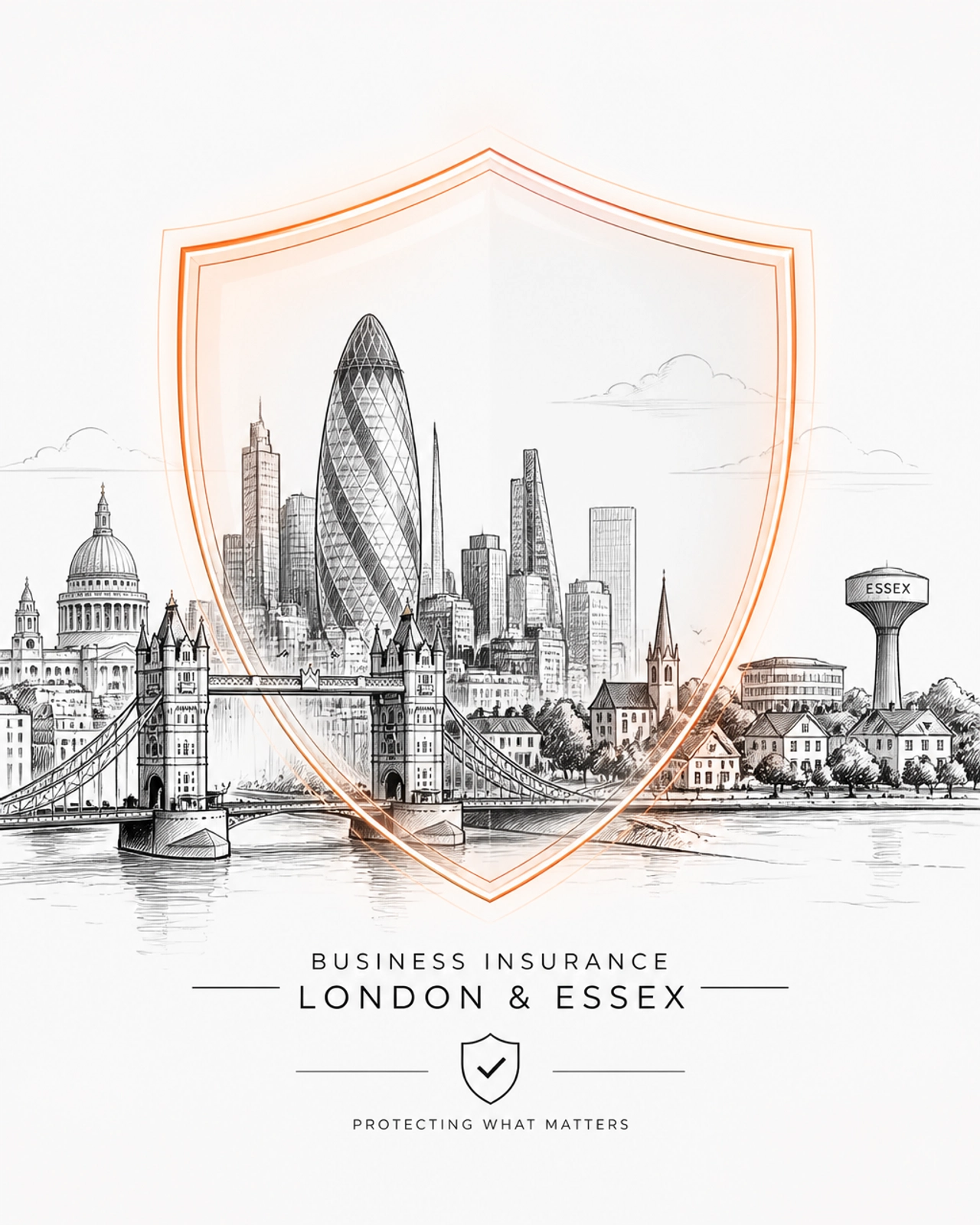
    Minimalist illustration of London and Essex landmarks, focusing on local takeaway insurance services.

    The Moyak Approach: Personal, Not Digital

    At Moyak Insurance Services, we’ve always believed that a computer algorithm shouldn’t decide the fate of your business. When you look for takeaway insurance through us, you aren’t just a policy number.

    I can see the stress that small business owners are under in 2026. You’re dealing with rising food costs, staff shortages, and demanding customers. The last thing you need is a 40-page insurance document written in legalese that you don’t understand.

    We take the time to look at your specific operation. Do you use mopeds or e-bikes? Do you handle a lot of cash, or are you strictly digital? Do you have a deep-fat fryer (which carries a significantly higher fire risk)? By understanding these details, we can build a bespoke policy that actually covers what you do, often at a more competitive price than the generic “big brand” brokers.

    Practical Steps for Takeaway Owners in 2026

    Going forward, I recommend every takeaway owner in Essex and London performs a “risk audit” of their delivery operation. Here is a quick checklist:

    1. Check Driver Insurance: Don’t just take their word for it. Ensure your drivers have “Business Use” or “Hire and Reward” insurance on their personal vehicles.
    2. Verify Non-Owned Liability: Speak to your broker to ensure your business policy covers you if a driver has an accident.
    3. Update Your Equipment List: If you’ve invested in expensive new ovens or a fleet of e-bikes, make sure they are reflected in your commercial landlord or property insurance if applicable, or your contents cover.
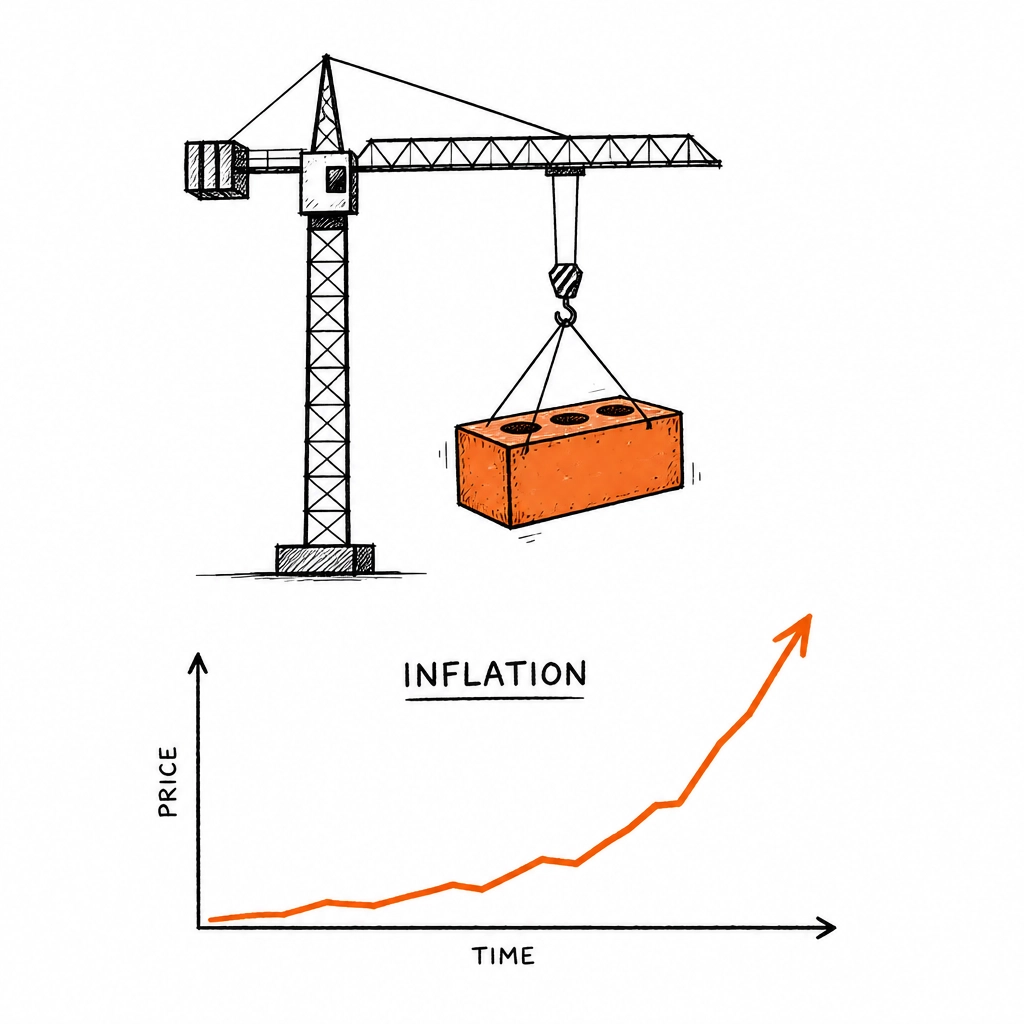
    4. Review Your Limits: With inflation, the cost of rebuilding or replacing equipment has soared. Is your current “Sum Insured” enough to actually get you back on your feet in 2026?

    Professional sketch of a takeaway insurance risk audit checklist with a chef's hat and delivery keys.

    Conclusion: It Matters More Than Ever

    Does takeaway insurance really matter in 2026? In an era where a single bad review can go viral and a single legal claim can end a decade of hard work, I believe it is the most important investment you can make outside of your kitchen.

    The landscape is tougher, the risks are more complex, and the “safety net” of the big delivery apps is disappearing for those who want to stay profitable. But you don’t have to navigate it alone. Whether you’re a veteran of the Essex food scene or a new startup in London, getting the right advice is the first step to long-term success.

    If you’re unsure whether your current cover is up to scratch for the demands of 2026, don’t wait for a claim to find out. Reach out to the team at Moyak Insurance Services. We’re local, we’re experts, and we actually pick up the phone.

    Let’s make sure your business stays cooking, no matter what the year throws at us.


  • Estate Agent Insurance: Why Every Property Professional Needs the Right Cover

    [HERO] Estate Agent Insurance: Why Every Property Professional Needs the Right Cover

    Running an estate agency or a lettings business in today’s market is a high-wire act. You are balancing the expectations of demanding sellers, the anxieties of first-time buyers, and the complex legal requirements of property law. Whether you are based in a busy high street in Essex or operating a bespoke consultancy, the risks you face every day are significant. One small oversight in a contract or a single trip during a property viewing can lead to a claim that threatens your entire business.

    I’ve seen many property professionals treat insurance as a “tick-box” exercise: something they do because their professional body requires it, but they don’t always give it the attention it deserves. The reality is that estate agent insurance is your most important safety net. It isn’t just about having a policy; it’s about having the right policy that understands the nuances of the UK property sector.

    The Foundation: Professional Indemnity Insurance

    If you ask any seasoned broker what the most critical element of estate agent insurance is, they will point straight to Professional Indemnity (PI). In the property world, your advice is your product. When you value a house, describe a leasehold agreement, or manage a rental portfolio, you are providing professional services that clients rely on.

    If that advice is perceived as negligent, or if you make a genuine mistake, you could be held liable for the resulting financial loss. I’ve seen cases where an agent failed to mention a specific restrictive covenant on a property, leading to a buyer suing for the difference in value once the mistake was discovered. Without PI insurance, that agent would have been facing a massive legal bill and a potential compensation payout that could have ended their career.

    Professional Indemnity covers you for:


    • Negligence or breach of duty of care.
    • Misrepresentation of property details.
    • Errors in valuation or documentation.
    • Loss of client data or documents.

    In fact, most industry bodies like Propertymark or the RICS make PI insurance a mandatory requirement for membership. But even beyond the mandate, I think it’s just common sense. We are all human, and in a fast-paced market, mistakes happen. Having a policy that covers your legal costs and any settlements ensures that a single error doesn’t become a terminal event for your agency.

    A house silhouette with a protective orange curve representing professional indemnity for estate agents.

    Protecting the Public: Public Liability Insurance

    While PI covers your professional advice, Public Liability (PL) covers your physical presence. Estate agents are constantly on the move. You are hosting open houses, conducting viewings in empty properties, and welcoming clients into your own office.

    The risks here are more “bricks and mortar” than “legal fine print.” Imagine a prospective buyer trips on a loose floorboard during a viewing and breaks their wrist. Or perhaps you accidentally knock over an expensive antique while showing a high-end home. These are third-party injuries and property damage claims, and they are surprisingly common.

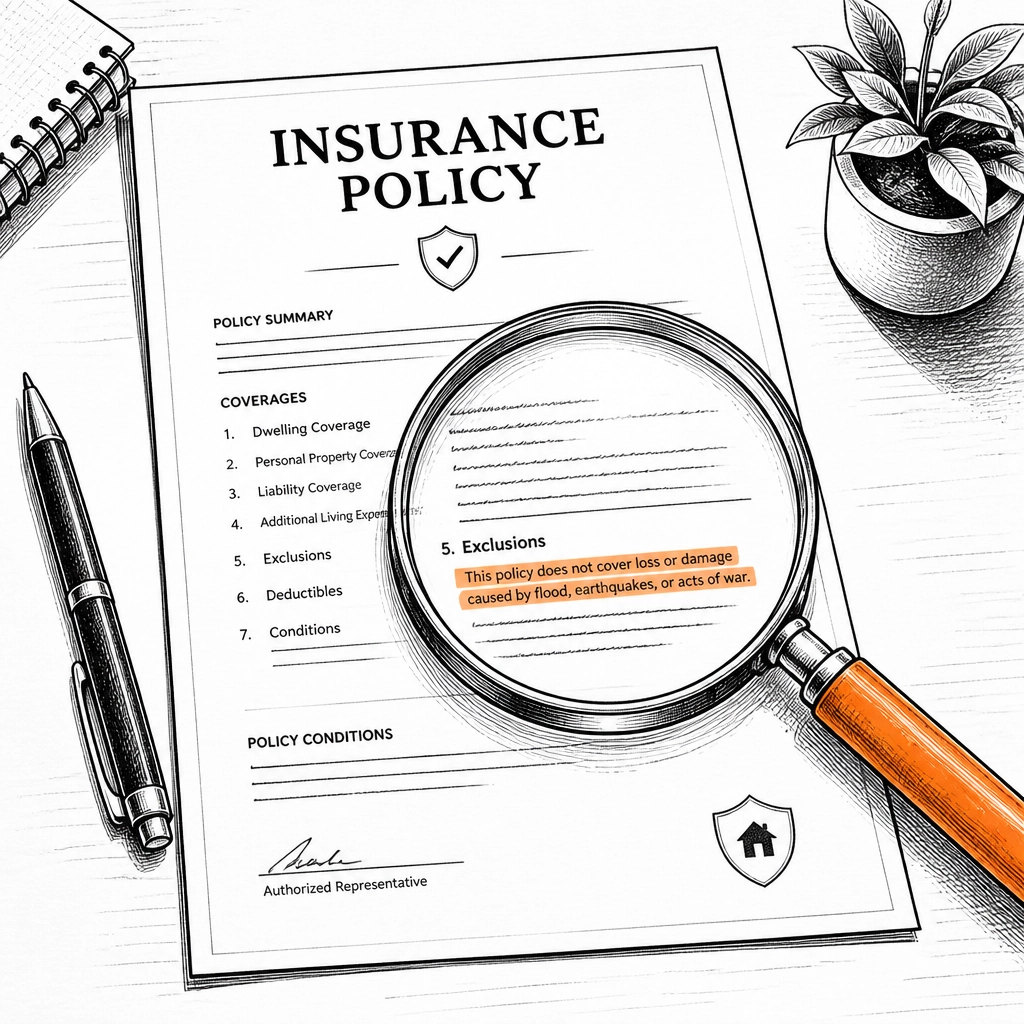
    Public Liability is there to cover the costs of these claims. It’s worth noting that while it isn’t a legal requirement in the same way Employers’ Liability is, I can’t imagine running a customer-facing business without it. Most commercial landlords will actually require you to have PL cover in place before they’ll even let you sign a lease for an office. You can find more details on how we structure these protections on our estate agent and lettings insurance page.
    The Legal Essential: Employers’ Liability

    If you have anyone working for you: whether they are full-time negotiators, part-time administrators, or even interns: you are legally required to have Employers’ Liability insurance. The UK law is very clear on this: if you have employees, you must have at least £5 million in cover, though most policies start at £10 million.

    This isn’t just for office-based accidents. If one of your negotiators is involved in a slip or fall while out on a valuation, or if an employee develops a long-term health issue due to their working environment, you are responsible. The fines for not having this cover are steep: up to £2,500 for every single day you are uninsured. It’s simply not worth the risk.

    Beyond the Basics: Cyber and Commercial Auto

    Going forward, I think we are going to see a much bigger focus on Cyber Insurance for estate agents. Think about the amount of sensitive data you hold: passports, bank statements, addresses, and financial histories of both landlords and tenants. You are a prime target for hackers. If your system is breached and client data is leaked, the GDPR fines alone could be staggering, not to mention the reputational damage.

    Furthermore, we can’t forget about how you get around. Many agents use their personal cars for business viewings. I’ve noticed that some agents assume their standard “social, domestic, and pleasure” car insurance covers them for work. It doesn’t. You need to ensure your vehicle is covered for business use, or better yet, look into Commercial Auto cover if you have a fleet of branded “mini-cars” for your negotiators.

    Smartphone with a secure padlock icon next to car keys, representing cyber and auto insurance for property agents.

    Why the Local Essex Broker Connection Matters

    I’ve spoken to many business owners who think they can save a few pounds by using a generic comparison site for their estate agent insurance. While that might work for a standard home policy, it often falls short for professional risks.

    At Moyak Insurance Services, we are deeply rooted in the local community. Being a local broker in Essex gives us an edge that the big national call centers just don’t have. We understand the local property market, from the residential hotspots in Southend to the commercial hubs in Chelmsford.

    When you work with a local broker, you get:

    1. Tailored Rates: We have relationships with underwriters who understand the specific risk profile of Essex-based agencies, often leading to better premiums than “one-size-fits-all” national quotes.
    2. Claims Support: If something goes wrong, you don’t want to be stuck in a phone queue for hours. You want to talk to someone who knows your business name and can guide you through the process.
    3. Local Expertise: We know the challenges you face because we operate in the same environment. We see the same market trends you do.

    Whether you are looking for commercial combined business insurance to wrap all your covers into one or just need a specific PI quote, having that local contact makes the process much more straightforward.

    Managing Your Risk to Lower Your Premiums

    I always tell my clients that insurance is only one half of the equation; the other half is risk management. By showing insurers that you take your responsibilities seriously, you can often secure better rates for your estate agent insurance.

    Here are a few practical steps I recommend:

    • Standardised Procedures: Ensure all staff follow a strict checklist for property descriptions and valuations. This reduces the “human error” element that leads to PI claims.
    • Health and Safety Audits: Regularly check your office and ensure that any properties you manage (especially for residential landlords) are free from obvious hazards like loose carpets or faulty wiring.
    • Data Security: Use two-factor authentication on your emails and CRM systems. This simple step can drastically reduce your risk of a cyber incident.
    • Documentation: Keep meticulous records of all client interactions. If a claim arises three years down the line, your notes from that initial meeting will be your best defense.

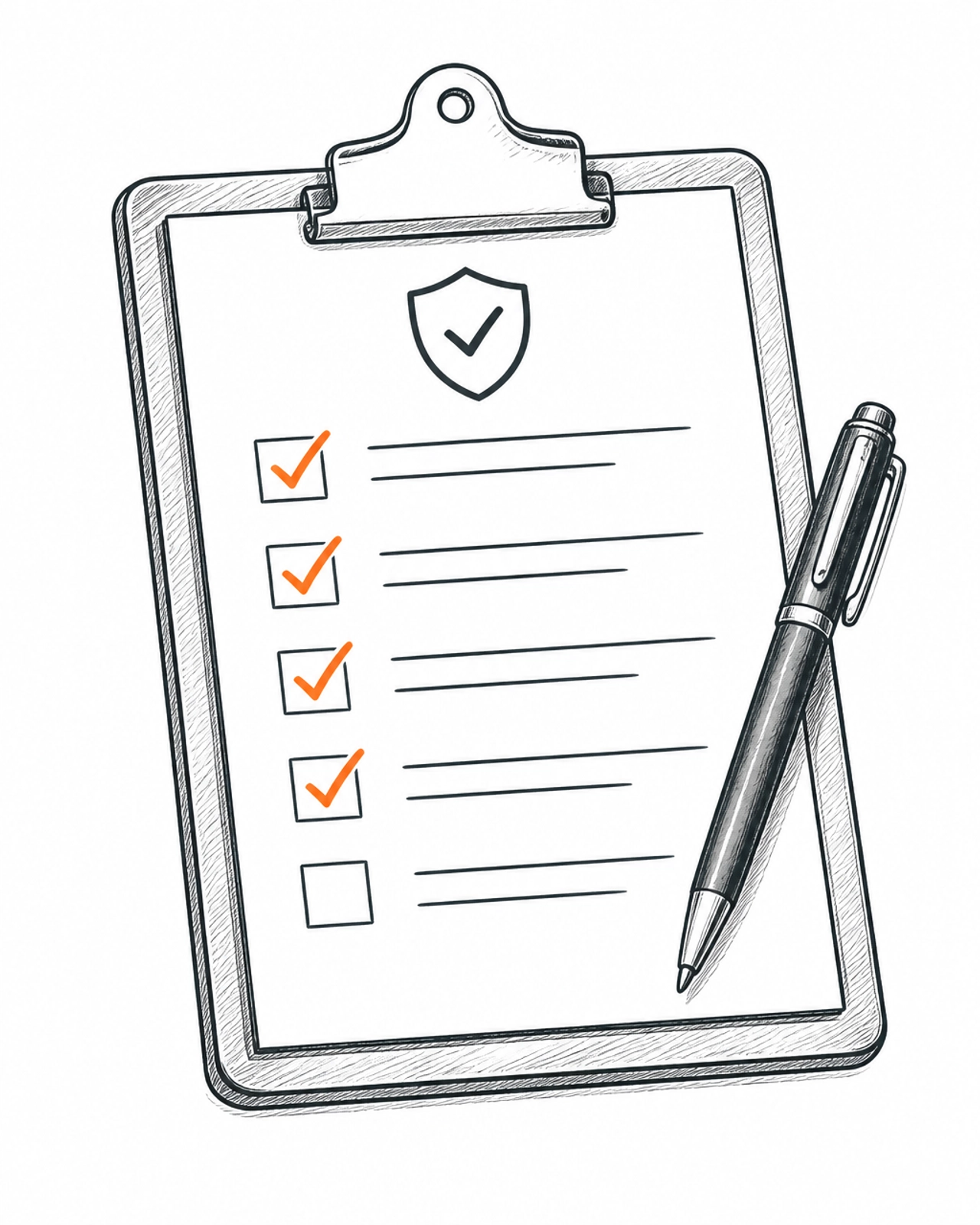
    Professional clipboard checklist with an orange tick, symbolizing meticulous risk management for estate agents.

    The Pragmatic Reality of Property Insurance

    The property industry is built on trust. Clients trust you with their keys, their data, and their financial futures. Having robust insurance isn’t just a legal or professional obligation; it’s a sign of a mature, well-run business. It shows your clients that you have the resources to make things right if something goes wrong.

    I think the biggest mistake an agent can make is assuming “it won’t happen to me.” The reality is that as you grow and handle more transactions, the statistical likelihood of a claim increases. It’s not a reflection of your competence; it’s just the nature of doing business in a litigious world.

    If you are currently reviewing your cover or if your renewal is coming up, I’d suggest looking beyond just the bottom-line price. Look at the limits of indemnity, the excesses, and the specific exclusions. Sometimes a policy that is £50 cheaper has a much higher excess that makes it a liability in itself.

    Next Steps for Your Agency

    If you’re an estate agent, a letting agent, or a property manager, now is the time to audit your current cover. Don’t wait for a letter from a solicitor to find out that your Professional Indemnity limit is too low or that your Public Liability doesn’t cover “work away” from the office.

    At Moyak Insurance Services, we specialize in helping property professionals navigate these waters. We can help you find a policy that balances comprehensive protection with competitive rates, leveraging our position as an Essex-based brokerage to get you the best possible deal.

    Whether you are a solo operator or a large agency with multiple branches, we’re here to help you stay protected so you can focus on what you do best: closing deals and managing properties. Feel free to contact us today to discuss your specific needs and let’s make sure your business is as secure as the properties you sell.

  • Combined Commercial Insurance: 10 Things Essex Business Owners Wish They’d Known Sooner

    [HERO] Combined Commercial Insurance: 10 Things Essex Business Owners Wish They'd Known Sooner

    I speak with dozens of business owners across Essex and Kent every month, and there’s a pattern I’ve noticed: the same questions come up again and again. More importantly, the same regrets surface when claims happen or renewal time arrives. “I wish I’d known that earlier” is something I hear far too often.

    The truth is, combined commercial insurance isn’t as straightforward as many business owners assume when they’re just starting out. There are nuances that can save you thousands of pounds, and pitfalls that can leave you seriously exposed when things go wrong.

    Here are ten things that successful Essex business owners wish they’d understood from day one.


    1. Bundling Actually Saves You Serious Money (And Time)

    Most business owners start by shopping around for individual policies: public liability here, employers’ liability there, maybe buildings insurance somewhere else. It feels like you’re being thorough and getting the best deal on each component.

    In reality, you’re probably overpaying significantly. When insurers bundle policies together into a combined package, they can offer rates that are 20-30% lower than purchasing everything separately. I’ve seen Essex businesses reduce their annual insurance costs by £1,500 or more simply by consolidating existing covers into one combined policy.

    But the real benefit isn’t just financial. Managing one renewal date, one set of paperwork, and having one point of contact when you need to make changes saves hours of administrative hassle throughout the year. For a busy business owner, that time matters.

    Business owner comparing scattered insurance policies to consolidated combined commercial coverage

    2. Coverage Gaps Are Your Silent Enemy

    Here’s a scenario I’ve encountered more times than I’d like to admit: a business has public liability insurance but discovers during a claim that damage to third-party property wasn’t covered in the way they expected. Or they have property insurance but didn’t realize their business interruption cover was inadequate.

    When you piece together insurance from multiple providers, gaps emerge in the spaces between policies. Each insurer assumes certain risks are covered elsewhere, and you’re left holding the bag when something falls through the cracks.

    A well-structured combined commercial insurance policy addresses the most common business risks comprehensively. Everything is designed to work together, reducing the likelihood of discovering an expensive coverage gap at the worst possible moment.

    3. Your Premises Location Matters More Than You Think

    Operating in Essex or Kent comes with specific considerations that many national insurance providers don’t fully account for. Coastal businesses in areas like Southend or Whitstable face different flood and weather-related risks than those inland.

    Working with a local insurance broker in Essex means your policy reflects these regional realities. We understand which postcodes have higher theft rates, which areas experience more frequent weather claims, and how local building construction affects replacement costs. These details directly impact both your premiums and your coverage adequacy.

    4. £5 Million Public Liability Isn’t Always Necessary (But Sometimes It Is)

    There’s a common assumption that more coverage is always better, and while that’s partly true, it’s not the full picture. Most Essex businesses genuinely need £1-2 million in public liability cover. That’s sufficient for retail shops, small offices, and many service businesses.

    But if you work with public sector clients, large corporations, or operate in higher-risk sectors like construction, you’ll often find contracts requiring £5 or even £10 million in cover. I’ve seen businesses lose valuable contracts simply because they didn’t have adequate public liability limits in place.

    The key is understanding your specific circumstances rather than defaulting to arbitrary figures. A good insurance broker will help you determine what’s actually appropriate for your business activities and client requirements.

    5. Business Interruption Cover Needs Proper Calculation

    Business interruption insurance often gets treated as an afterthought: businesses add it to their policy without really thinking through the figures. Then when a genuine interruption occurs, they discover their cover falls dramatically short.

    Your business interruption limit should account for all your fixed costs (rent, salaries, loan repayments) plus a reasonable profit margin for the period you’d be unable to trade. Many businesses opt for 12 months of cover, though some high-risk operations need longer.

    The calculation requires honest assessment. If your shop in Chelmsford had to close for six months due to fire damage, what would it actually cost to keep your business alive while you rebuild? That’s your starting point, not some arbitrary percentage of your turnover.

    Essex coastline showing coastal business locations and regional weather considerations for insurance

    6. Your Policy Should Evolve With Your Business

    I’ve worked with businesses that are still using the same insurance policy they took out five years ago, despite the fact that their turnover has doubled, they’ve moved premises, hired ten more staff, and completely changed their product offerings.

    Business circumstances change constantly, and your combined commercial insurance needs to keep pace. Annual reviews aren’t just box-ticking exercises: they’re opportunities to ensure your cover remains appropriate as your business grows and evolves.

    Too often, business owners only reassess their insurance when something prompts them (a near-miss, a friend’s claim horror story, or a dramatic premium increase). Being proactive about reviewing your coverage means you’re always properly protected rather than discovering problems retrospectively.

    7. Underinsuring Property Is a Costly Mistake

    When business owners try to reduce premiums, property insurance often becomes a target. They’ll insure their building for £300,000 when the true rebuild cost would be £450,000, thinking they’ve saved themselves some money on the annual premium.

    The problem emerges during claims. Most commercial property policies include an “average clause,” which means if you’re underinsured by a certain percentage, your claim payout is reduced by that same percentage. Underinsure by 30%, and even a £50,000 claim gets reduced to £35,000. You haven’t saved money: you’ve just shifted when you’ll pay it.

    Your property insurance limit needs to reflect the full replacement value of your buildings and contents, not their depreciated value or what you paid for them years ago. Building costs in Essex have increased substantially in recent years, so historical figures often fall short of current replacement requirements.

    8. Optional Extras Often Become Essential

    When you’re reviewing a combined policy quote, there’s always a section listing optional add-ons: cyber insurance, professional indemnity, legal expenses cover, goods in transit. It’s tempting to decline everything that feels like an “extra” to keep the premium down.

    But I think many business owners underestimate how quickly these “optional” covers become essential. A single legal dispute over a contract could cost you £15,000 in legal fees. A cyber incident could shut down your operations for a week. Professional indemnity claims regularly exceed £50,000.

    The cost of adding these elements to a combined policy is usually quite modest: often just a few hundred pounds annually. The financial exposure you’re accepting by declining them is considerably higher. It’s worth having a proper conversation about which optional covers actually make sense for your specific business activities.

    9. Claims History Affects Your Future More Than You Realize

    Every insurance claim you make gets recorded and follows your business forward. Multiple claims in a short period can make it difficult to find affordable coverage later, regardless of whether those claims were your fault or not.

    This doesn’t mean you shouldn’t claim when something happens: that’s what insurance exists for. But it does mean you should think carefully about smaller claims that might sit below your excess or only slightly above it. Sometimes absorbing a minor loss directly is the more financially sensible long-term decision.

    Working with an experienced insurance broker in Essex means you can have these conversations before making claim decisions. We can help you understand the potential implications and make informed choices about when claiming makes sense and when it might not.

    Retail shop and construction site comparing different public liability insurance coverage requirements

    10. Not All Insurance Brokers Offer the Same Value

    Here’s something I’ve observed over years in this industry: many business owners assume all insurance brokers are essentially the same. They’ll shop around based purely on premium cost, missing the substantial difference in service quality and expertise.

    A broker who genuinely understands your industry and region can save you significant money while improving your coverage. We know which insurers specialize in particular sectors, which are currently offering competitive rates for Essex businesses, and how to structure policies to maximize protection while controlling costs.

    More importantly, when claims happen: and eventually they do: having a broker who knows your business and will advocate on your behalf makes an enormous difference to outcomes. The cheapest premium often comes from brokers who provide minimal ongoing service, leaving you to navigate claims processes alone.

    Moving Forward With Combined Commercial Insurance

    The business owners I work with who feel most confident about their insurance situation share a common characteristic: they’ve taken time to properly understand their coverage rather than treating it as a compliance exercise or necessary evil.

    Combined commercial insurance represents a significant business expense, but it’s also fundamental protection for everything you’ve built. Getting it right from the start: or fixing it now if you’ve realized some of these points apply to your current situation: makes commercial sense.

    If you’re operating in Essex or Kent and recognize yourself in any of these ten points, it’s worth reviewing your current insurance arrangements. A proper assessment doesn’t cost anything, but discovering coverage problems during a claim certainly does.

    At Moyak Insurance Services, we work specifically with business owners across Essex and Kent to build combined commercial insurance packages that actually make sense for their circumstances. We’re not interested in selling you coverage you don’t need, but we are committed to ensuring you’re properly protected where it matters.

    The businesses that thrive long-term are those that address risks proactively rather than reactively. Your insurance strategy deserves the same thoughtful attention you give to your business planning, financial management, and growth strategies.

  • Covid – 19 and The Insurance Broker Client Relationship


    As many insurance underwriters are declining business interruption claims notified as a result of the corona virus. this could cause a strain on broker client relationship as well as tarnish the reputation of the insurance industry as a whole.

    The average client would think have thought that they were covered under the business interruption section of their policy. Most business would purchase insurance cover having in mind that they would be protected in the event of any losses or claims.

    A lot of clients would believe that they are covered under the business interruption section of the policy and now believe that insurers are just looking for loopholes to get out of settling claims.

    Even a lot of brokers would have difficulty in interpreting the policy wording when this pandemic started. I even spoke to a few underwriters who could not state categorically whether a policy would cover covid-19, in fact all the underwriters I spoke to at the beginning of the pandemic advised a wait and see approach. This did not instil any sort of confidence when speaking to clients. It would have been more professional to have been able to explain to client if they were not covered and why in plain language.

    The Financial Conduct Authority seeking judicial review of policy wordings would help, but the decision should be interpreted in plain language so that the average person would be able to understand the decision and why whichever way the interpretation falls.  

    Where it is found that clients are covered claims should be settled as quickly as possible, but in the event that clients are not covered I think the government should step in and find some sort of palliatives for business for the sake of the general economy.

    Going forward a pool such as that of Flood re should be formed as I can see a lot of insurers would specially exempt this type of risk from their policies going forward, in fact this has already started to happen already with renewals.


    Michael Olaniyi Kayode

    Moyak Insurance Services

    3 Bruces Wharf Road

    Grays

    Essex

    RM17 6PE


    01375392087

    info@moyakinsurance.co.uk

    www.moyakinsurance.org.uk 

    Michael Kayode is a Director of Moyak Insurance Services